Discovering Authentic Traditional African Clothing Stores Near You: A Cultural Guide
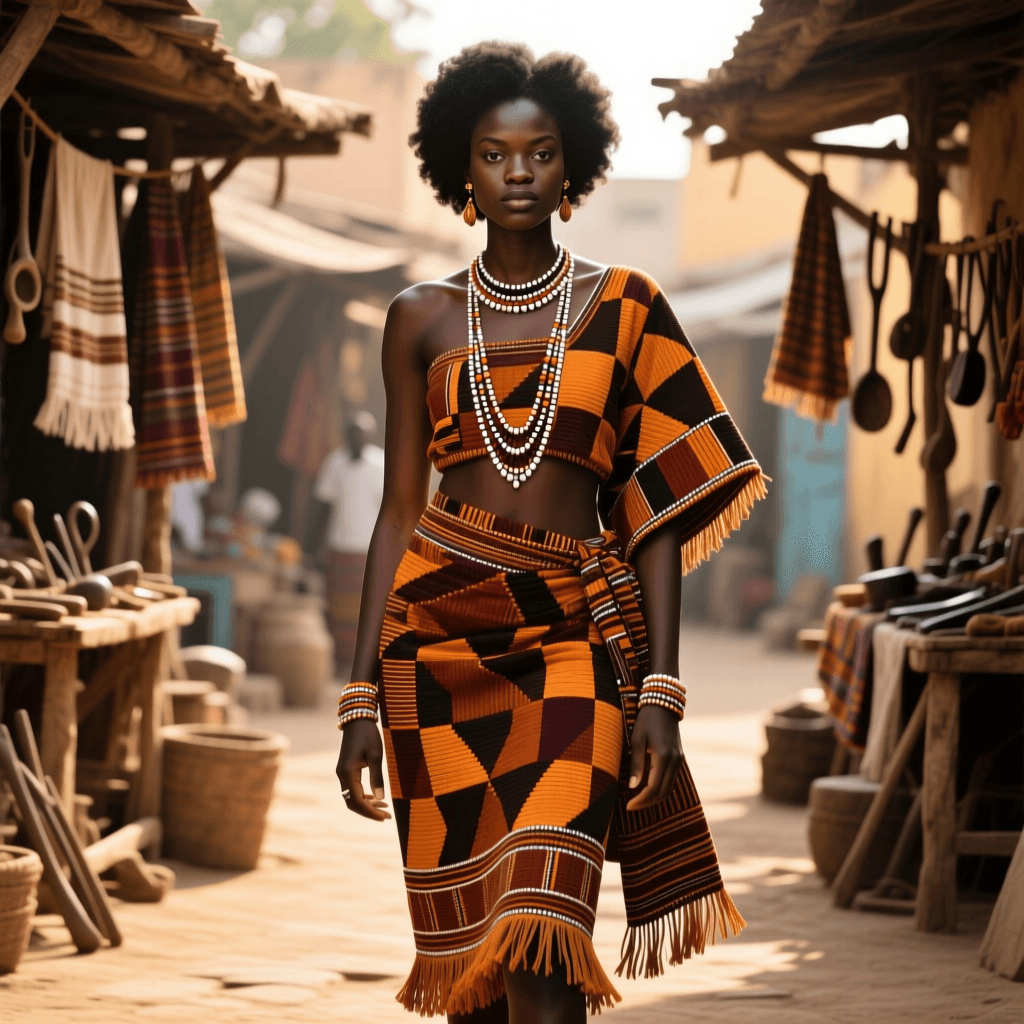
The search for traditional African clothing stores near me is often driven by more than just a desire for new apparel; it is a quest for connection, heritage, and artistry. Walking into an authentic African boutique is a sensory experience. The air is often rich with the scent of raw cotton, indigo dye, and shea butter, while the racks burst forth in a kaleidoscope of geometric patterns, vibrant Ankara prints, and intricately woven textiles. For the African diaspora, finding a local shop that stocks genuine, culturally significant garments is a vital link to ancestral roots. For those outside the culture, it is an opportunity to appreciate and respectfully engage with some of the most historically rich and visually stunning textile traditions in the world.
However, navigating the local market requires an understanding of what constitutes authentic African attire. The global proliferation of mass-produced, culturally appropriated imitations means that knowing where to look—and what to look for—is essential. This comprehensive cultural guide will explore the deep history, regional variations, and profound significance of African garments, while providing you with the knowledge needed to locate and vet authentic traditional African clothing stores in your local area.
The Origins and Evolution of African Textiles
To truly appreciate the garments hanging in your local African boutique, one must first understand the ancient origins of African textile production. Long before the arrival of European traders, African artisans were pioneering complex weaving, dyeing, and embroidery techniques. The history of these textiles is a testament to the continent's ingenuity and its central role in global trade networks. For a deeper dive into these ancient methods, our guide on the history of African textiles explores the archaeological evidence of early loom technology in the Nile Valley and the Sahel.
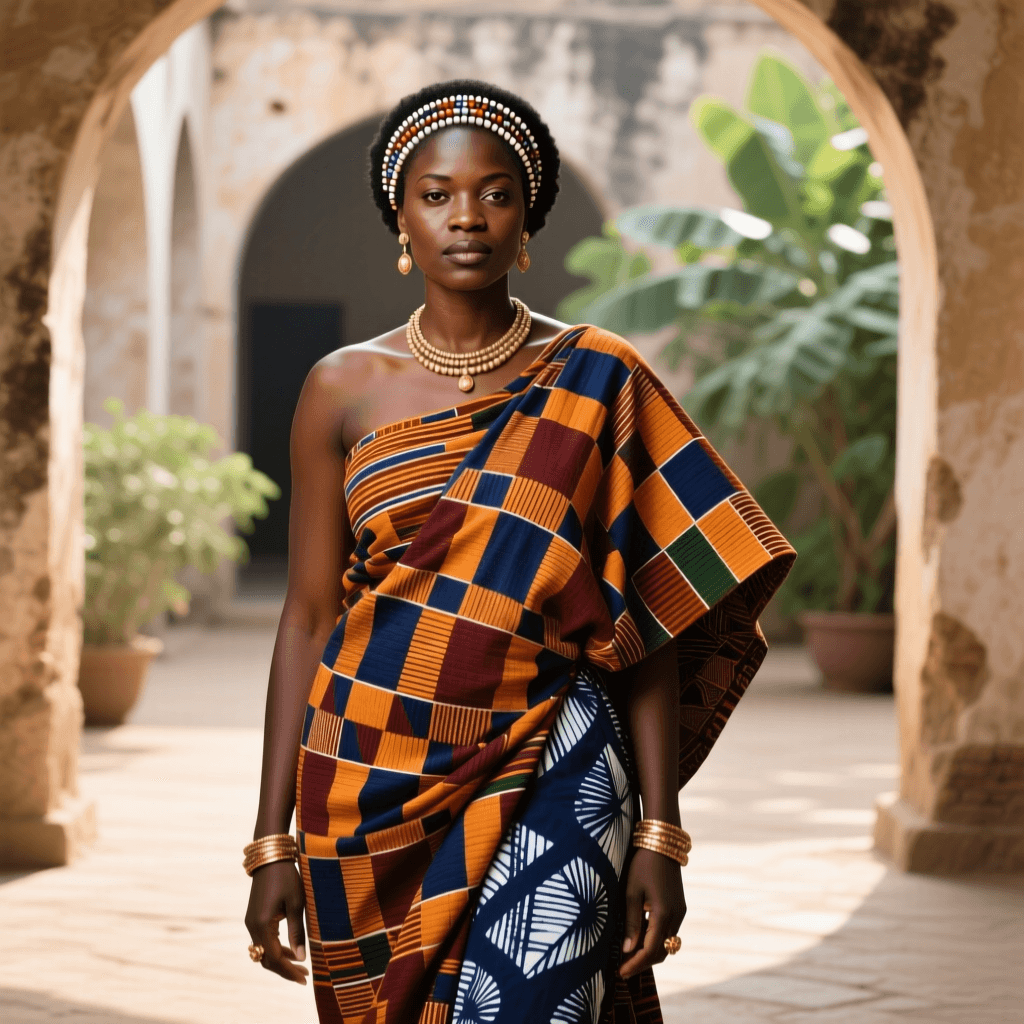
In West Africa, the Ashanti Empire of present-day Ghana perfected the art of strip-weaving, creating the world-renowned Kente cloth. Weavers would create long, narrow strips of silk and cotton, which were then meticulously sewn together to form large, voluminous wrappers. Meanwhile, in Mali, the Bamana people developed the intricate resist-dyeing technique used to create Bogolanfini, or mud cloth, utilizing fermented mud and botanical dyes to stamp symbolic patterns onto handwoven cotton.
The evolution of these textiles was heavily influenced by trans-Saharan and trans-Atlantic trade routes. The introduction of new materials, such as imported silk and later, European wax-resist printing techniques, birthed new textile traditions. The vibrant wax prints, commonly known as Ankara or Dutch wax, originated from a complex cross-cultural exchange between Indonesian batik techniques, Dutch manufacturing, and West African aesthetic preferences. Today, these fabrics are synonymous with African fashion globally, forming the backbone of inventory in most traditional African clothing stores.
Defining Characteristics of Traditional African Garments
Traditional African clothing is defined by a distinct set of characteristics that prioritize comfort, symbolism, and a commanding presence. Unlike Western tailoring, which often focuses on restricting the fabric to contour the body, traditional African silhouettes are typically voluminous, flowing, and deeply respectful of the human form. This design philosophy is rooted in the climate of the continent and the cultural emphasis on dignity and stature.
One of the most prominent characteristics is the use of bold, symbolic motifs. In many African cultures, cloth is not merely decorative; it is a medium of communication. The Adinkra symbols of the Akan people, for instance, are stamped onto fabric to convey proverbs, philosophical concepts, and historical narratives. Wearing a specific pattern can signal one's social status, marital availability, or even convey a silent message to onlookers. You can explore more about these visual languages in our breakdown of African textile patterns.
Embroidery is another defining feature, particularly in garments originating from the Sahel and North Africa. Intricate, hand-stitched embroidery around the neckline, chest, and sleeves of a grand boubou can take weeks to complete and serves as a marker of wealth and artisanal mastery. Furthermore, the use of color is highly intentional. Gold often signifies royalty and wealth, green represents growth and spiritual renewal, while black may denote maturity, ancestral connection, or mourning, depending on the specific ethnic group.
Regional Variations Across the Continent
Africa is a vast continent comprising thousands of distinct ethnic groups, each with its own unique sartorial traditions. When you visit local African clothing stores, you will likely encounter a diverse array of regional styles. Understanding these variations will help you identify the origins of the garments and appreciate their specific cultural contexts.
West African Attire
West Africa is globally celebrated for its majestic, flowing garments. The Agbada, a wide-sleeved, multi-piece suit worn by men, is a staple of Yoruba and broader West African formal wear. It is often paired with a matching embroidered cap (fila) and trousers (sokoto). For women, the Iro and Buba—a wrapper skirt and loose-fitting blouse—accompanied by a Gele (head tie), represent the pinnacle of elegance. The Senegalese Kaftan, or Grand Boubou, worn by both men and women across the Sahel, is renowned for its sweeping grandeur and heavy embroidery. Learn more about the cultural roots of these styles in our exploration of West African heritage.
East African Attire
In East Africa, the climate and Swahili coastal influences have shaped a different aesthetic. The Kanzu, a white, ankle-length robe with intricate embroidery around the neckline, is the traditional garment for men in Uganda, Tanzania, and Kenya, often worn for religious and formal occasions. Women frequently wear the Kanga or Kitenge—vibrant, rectangular cotton fabrics printed with bold patterns and often featuring a Swahili proverb along the hem. These versatile garments are wrapped, tied, and draped in numerous ways to create skirts, dresses, and baby carriers.
Southern African Attire
Southern African traditional wear often incorporates unique weaving, beadwork, and animal motifs. The Basotho blanket, worn by the Sotho people of Lesotho and South Africa, is a striking, heavy wool blanket featuring bold geometric patterns and corn-cob motifs, draped over the shoulders as a symbol of status and cultural pride. In South Africa, Shweshwe fabric—a stiff, indigo-dyed cotton with intricate white geometric prints—is a cornerstone of Xhosa and Sotho traditional dress, particularly for married women and during coming-of-age ceremonies.
North African Attire
North African clothing reflects a blend of indigenous Amazigh (Berber), Arab, and Mediterranean influences. The Djellaba, a long, loose-fitting outer robe with full sleeves and a pointed hood (qob), is ubiquitous across Morocco, Algeria, and Tunisia. For formal occasions, women wear the Takchita, a stunning two-piece dress featuring a sheer, heavily embroidered overdress layered over a simpler underdress, fastened with ornate metal clasps known as sfifa.
Occasions for Wearing Traditional African Attire
Traditional African garments are not relegated to the past; they are living, breathing elements of contemporary society, worn with immense pride during a variety of significant life events. The most prominent of these is the traditional wedding. In many West African cultures, the concept of Aso Ebi (family cloth) dictates that the families of the bride and groom, as well as close friends, will all wear garments tailored from the exact same fabric. This creates a breathtaking visual display of unity, solidarity, and communal support.
Naming ceremonies, which welcome a newborn into the community, are also occasions for vibrant traditional dress. Elders and parents will wear specific colors and patterns that invoke blessings, protection, and prosperity for the child. Furthermore, religious festivals, such as Eid al-Fitr or Eid al-Adha, see communities donning their finest, most intricately embroidered Boubous and Kaftans as a sign of reverence and celebration.
In the diaspora, traditional garments play a central role in cultural celebrations, graduations, and Pan-African festivals like Kwanzaa. The dashiki, for example, became a powerful symbol of Black pride and cultural reclamation during the civil rights movement and remains a popular choice for diaspora celebrations, graduations, and heritage months. Wearing these garments is a deliberate act of honoring one's lineage and showcasing cultural continuity.
How to Find Authentic Traditional African Clothing Stores Near You
When you type "traditional African clothing stores near me" into a search engine, the results can be a mixed bag of authentic cultural hubs and generic costume shops. Finding a genuine boutique that respects the origins of the garments and supports local artisans requires a bit of cultural navigation. Here is how you can locate and verify authentic African clothing stores in your local area.
Explore Diaspora Hubs and Cultural Districts
Authentic African boutiques are rarely found in standard suburban shopping malls. Instead, they thrive in neighborhoods with established African immigrant communities. Look for areas known for African grocery stores, halal butchers, and community centers. In many major cities, these districts serve as the commercial and social heart of the diaspora. Often, the best tailors and fabric merchants operate out of storefronts adjacent to African markets, where you can buy raw fabric and have a garment custom-tailored to your exact measurements on the spot.
Attend Local African Festivals and Markets
One of the most effective ways to find reputable vendors is by attending local African cultural festivals, heritage month events, and international markets. These events are incubators for small, independent African designers and textile merchants. Engaging with vendors in person allows you to feel the weight of the fabric, examine the quality of the stitching, and ask direct questions about the provenance of their textiles.
Verify Authenticity and Ethical Sourcing
When you step into a local store, look for signs of authenticity. Genuine boutiques will often sell raw, uncut fabric by the yard alongside ready-to-wear pieces. Ask the shop owner about the origins of their textiles. Authentic merchants are usually deeply knowledgeable about the difference between handwoven Aso Oke, Swiss voile lace, and printed Ankara, and they can tell you which country or region the fabric was milled or woven in. Be wary of stores selling garments made from cheap, synthetic polyester blends that mimic traditional patterns but lack the breathability and cultural weight of genuine cotton or silk.
The Cultural Significance of Wearing African Garments
Beyond aesthetics and commerce, traditional African clothing carries profound sociological and psychological weight. For the African diaspora, donning traditional attire is an act of resistance against historical erasure and a powerful reclamation of identity. During centuries of colonization and the trans-Atlantic slave trade, indigenous dress was often suppressed or mocked by dominant powers. Choosing to wear a meticulously tailored Agbada or a vibrant Kitenge wrapper today is a declaration of pride, resilience, and unbroken heritage.
Furthermore, these garments serve as a bridge between generations. It is common for cherished textiles, such as handwoven Kente or vintage Shweshwe, to be passed down as family heirlooms. The act of wearing a garment that belonged to a grandparent connects the wearer directly to their ancestry. In a rapidly globalizing world where fast fashion promotes homogenization, traditional African clothing stands as a vibrant testament to the beauty of cultural specificity, artisanal mastery, and the enduring power of heritage. For more on how these styles influence global trends, read our piece on diaspora fashion.
Frequently Asked Questions
What is the difference between Ankara and Kente cloth?
Ankara, also known as African wax print, is a mass-produced, 100% cotton fabric featuring vibrant, batik-inspired patterns created through a wax-resist dyeing process. It is widely used for everyday wear and modern fashion. Kente, on the other hand, is a sacred, handwoven cloth originating from the Ashanti and Ewe peoples of Ghana. It is made by weaving narrow strips of silk and cotton on traditional wooden looms. Kente is highly prestigious, significantly more expensive, and is typically reserved for royalty, weddings, and major ceremonial events. To understand the intricate weaving process, visit our guide on understanding Kente cloth.
How can I tell if an African garment is authentically made?
Authenticity can be determined by examining the fabric composition, the construction, and the sourcing. Genuine traditional garments are usually made from natural fibers like cotton, silk, or linen, which breathe well and have a distinct texture. Check the seams and embroidery; authentic pieces often feature hand-stitched details or heavy, high-quality machine embroidery that lies flat and neat. Additionally, buying from established African-owned boutiques or directly from tailors in cultural districts ensures that the garments are rooted in traditional tailoring methods rather than mass-produced in overseas fast-fashion factories.
Are traditional African garments appropriate for formal Western events?
Absolutely. Traditional African attire is widely recognized as formal, black-tie appropriate wear across the globe. A well-tailored, heavily embroidered Grand Boubou or a structured Agbada commands the same respect and formality as a Western tuxedo. Similarly, women's Iro and Buba or a formal Takchita are staples at diplomatic functions, international galas, and high-society weddings. The key is ensuring the garment is impeccably tailored, pressed, and made from high-quality, premium fabrics like Swiss lace, heavy silk, or brocade.
What should I look for when visiting a local African market?
When visiting a local African market or boutique, look for shops that offer both raw textiles and tailoring services. The best shops will have a knowledgeable proprietor who can explain the cultural significance of specific patterns and colors. Pay attention to the variety of fabrics available; a genuine store will stock a diverse range of materials, including Swiss voile, French lace, Aso Oke, George fabric, and various grades of Ankara. Do not be afraid to negotiate prices, especially when buying raw fabric in bulk, as haggling is a customary and expected part of the market experience in many African cultures.
How do I care for traditional African fabrics like Aso Oke or Mud Cloth?
Proper care is essential to preserve the integrity of traditional textiles. Handwoven fabrics like Aso Oke and delicate Mud Cloth should never be placed in a washing machine. They should be dry-cleaned or gently hand-washed in cold water with a mild, pH-neutral detergent. Avoid wringing the fabric, as this can distort the weave. Ankara wax prints can generally be machine washed on a gentle cycle, but they should be washed separately the first few times, as the vibrant dyes may bleed. Always air-dry traditional garments out of direct sunlight to prevent fading. For a complete guide on maintaining your garments, check out our article on caring for traditional garments.