What Is Traditional Chinese Clothing Called? A Comprehensive Guide
What Is Traditional Chinese Clothing Called? A Comprehensive Cultural Guide
The tapestry of Chinese history is intricately woven into the very fabric of its traditional garments. For thousands of years, clothing in China has served as far more than a mere shield against the elements; it is a profound expression of philosophy, social hierarchy, cultural identity, & artistic mastery. When travelers, historians, & fashion enthusiasts ask, "What is traditional Chinese clothing called?" the answer is not a single word. Instead, it is a rich lexicon of garments that have evolved alongside one of the world’s oldest continuous civilizations.
To understand the traditional dress of China, one must look beyond a single silhouette. The term encompasses the flowing, ancient robes of the Han majority, the tailored elegance of Manchu-influenced dresses, & the vibrant, heavily adorned textiles of diverse ethnic minority groups. This comprehensive guide will unravel the threads of history & culture to explore the primary names, characteristics, & enduring legacies of traditional Chinese clothing.
The Origins & Evolution of Hanfu (The Han Clothing)
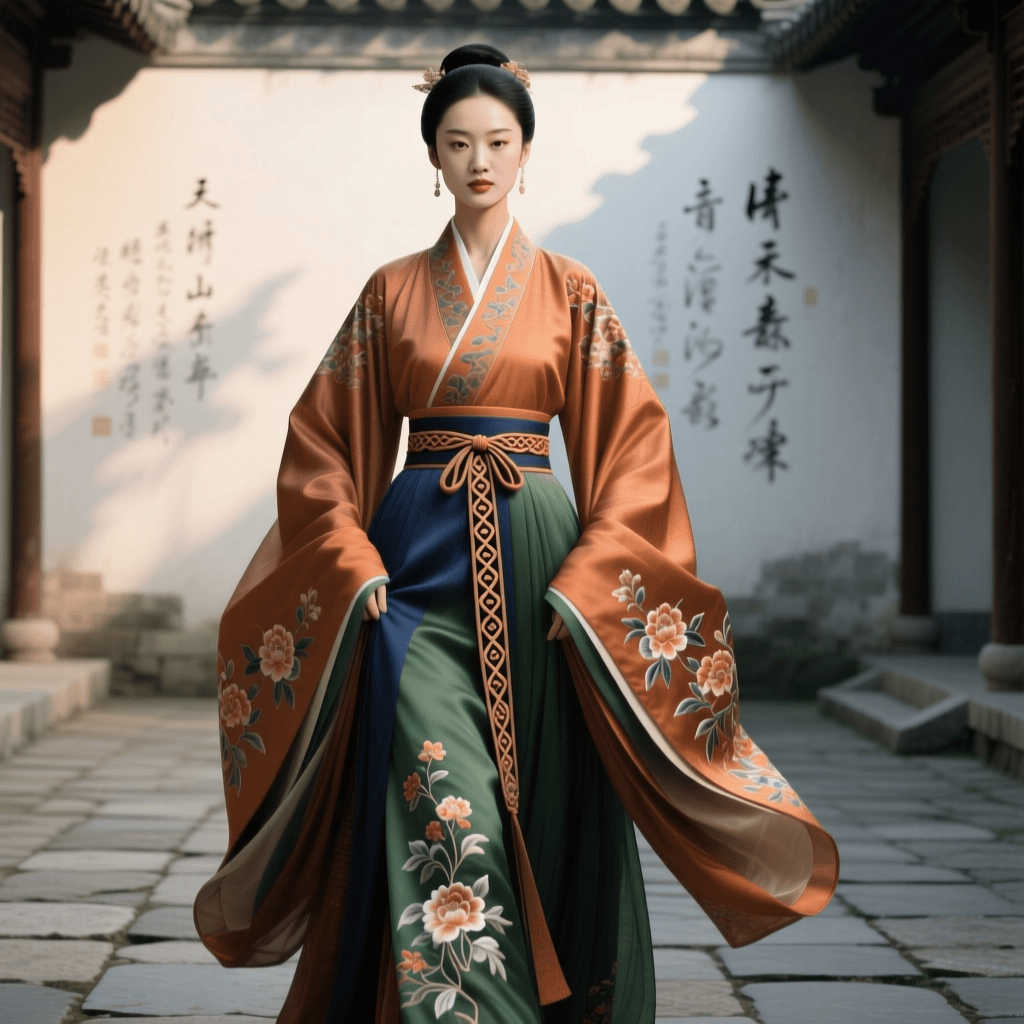
When discussing the indigenous clothing of the Han Chinese people, the correct term is Hanfu, which literally translates to "Han clothing." Hanfu represents the traditional dress worn by the Han ethnic group from the era of the legendary Yellow Emperor through the end of the Ming Dynasty. It is a garment system deeply rooted in the philosophical concepts of Yin & Yang, as well as the Confucian ideals of propriety & ritual.
The anatomy of Hanfu is distinct & highly symbolic. The most defining feature is the jiaoling youren, or the cross-collar with the right lapel. In this style, the left side of the robe crosses over the right side & is tied at the waist. Historically, crossing the left over the right was a marker of civilization & life, while the reverse was reserved for the deceased or considered the dress of "barbarians." This strict adherence to sartorial rules highlights how deeply clothing was intertwined with moral & social order.
Hanfu is not a single outfit but a vast category of garments. Key styles include:
- Shenyi (Deep Robe): A one-piece robe that connects the upper garment & lower skirt, symbolizing the unity of the heavens & the earth.
- Ruqun: A classic ensemble consisting of a blouse or top (ru) & a wrap-around skirt (qun), predominantly worn by women throughout various dynasties.
- Mianfu: The most formal & sacred of all imperial garments, worn exclusively by the emperor & high-ranking officials during sacrificial rites & major state ceremonies.
For those looking to dive deeper into the specific cuts, dynastic shifts, & styling of these ancient robes, our complete guide to Hanfu offers an extensive breakdown of this magnificent sartorial tradition.
The Qipao & Cheongsam: A Silhouette of Modern Elegance
While Hanfu represents the ancient roots of Chinese dress, the Qipao (also widely known in the West as the Cheongsam) is the garment most frequently recognized globally as traditional Chinese clothing today. The origins of the Qipao trace back to the Qing Dynasty, emerging from the long, loose, & modest banner dresses worn by Manchu women. The term "Qipao" translates to "banner robe," referencing the Eight Banners system of the Manchu military & social structure.
However, the Qipao as the world recognizes it underwent a radical transformation in the early twentieth century. In the bustling, cosmopolitan hub of Shanghai, innovative tailors & progressive women began to alter the traditional banner dress. They introduced Western tailoring techniques, such as darts & set-in sleeves, to create a form-fitting silhouette that celebrated the natural curves of the body. The high Mandarin collar, the asymmetrical front opening, & the iconic side slits were retained & refined, resulting in a garment that perfectly bridged Eastern modesty & Western modernity.
The intricate frog fasteners, known as pankou, are a hallmark of the Qipao. These hand-woven knots are not merely functional; they are exquisite pieces of textile artistry, often shaped like flowers, butterflies, or auspicious symbols. The evolution of this garment is a fascinating study in cultural adaptation, which you can explore further in our article on the evolution of the Qipao.
Defining Characteristics: Fabrics, Cuts, & Symbolism
Regardless of whether one is examining a flowing Hanfu robe or a tailored Qipao, traditional Chinese clothing shares several defining characteristics that set it apart from Western sartorial traditions. The most prominent of these is the approach to pattern making & fabric cutting.
Unlike Western tailoring, which often involves cutting fabric into many small, curved pieces to fit the body’s contours, traditional Chinese garments are typically cut from whole, rectangular pieces of fabric. This flat-cutting method minimizes waste & preserves the integrity of the woven cloth, reflecting a Daoist respect for nature & the materials provided by the earth. The drape & flow of the garment are created through folding, wrapping, & belting, rather than through aggressive cutting & seaming.
The choice of fabric is equally significant, with silk reigning supreme. China’s mastery of sericulture (silk production) has dictated the luxury & aesthetic of its clothing for millennia. The warp & weft of silk provide a luminous canvas for one of the most vital aspects of Chinese dress: embroidery. To understand the profound artistry behind these textiles, we highly recommend reading our feature on Chinese silk & embroidery.
Embroidery motifs are never purely decorative; they are a visual language conveying blessings, status, & philosophical beliefs. Common motifs include:
- The Dragon & Phoenix: Representing imperial power, masculine energy (Yang), & feminine grace (Yin). Often featured heavily in traditional wedding attire.
- The Peony: Known as the "king of flowers," symbolizing wealth, honor, & prosperity.
- The Bat: A visual pun, as the Chinese word for bat (fu) sounds identical to the word for good fortune.
- The Lotus: Rising unsullied from muddy waters, it represents purity, spiritual awakening, & Buddhist ideals.
Occasions & Etiquette: Dressing for Festivals & Rites
Traditional Chinese clothing is deeply tied to the lunar calendar, ancestral worship, & life’s major milestones. While everyday wear in contemporary society has largely adopted globalized fashion, traditional garments are proudly donned during specific festivals, ceremonies, & rites of passage.
During the Lunar New Year & the Mid-Autumn Festival, it is common to see families wearing vibrant red & gold garments, colors that ward off evil spirits & invite prosperity. The Tangzhuang, a modern adaptation of the Qing-era riding jacket featuring a Mandarin collar & pankou knots, is a popular choice for men & elders during these festive gatherings.
Weddings are perhaps the most significant occasion for traditional dress. While many modern brides wear Western-style white gowns for the ceremony, the traditional tea ceremony & banquet often require a Qungua or Longfeng Gua. These are highly elaborate, two-piece silk jackets & skirts heavily embroidered with gold & silver threads depicting dragons & phoenixes. For a deeper look into the symbolism of matrimonial dress, visit our guide to traditional wedding attire.
Furthermore, the ancient coming-of-age ceremonies—the Guan Li for young men & the Ji Li for young women—are experiencing a revival. These rites involve the changing of hairstyles & the donning of formal Hanfu, marking the transition from childhood to adulthood & the assumption of societal responsibilities.
Regional Variations: The Diverse Textiles of Ethnic Minorities
China is a vast, multi-ethnic nation, & limiting the definition of traditional Chinese clothing solely to Han or Manchu styles ignores the breathtaking diversity of its 55 recognized ethnic minority groups. The traditional garments of these groups are a testament to regional climates, indigenous beliefs, & unique artisanal techniques.
The Miao people, residing primarily in the mountainous southwest, are renowned for their extraordinary silverwork & intricate batik & embroidery. A traditional Miao festival outfit can include heavy, elaborate silver headdresses & necklaces, paired with meticulously pleated indigo-dyed skirts. The pleating process is a closely guarded generational secret, resulting in skirts that hold their shape beautifully.
In the high-altitude regions of the Himalayas, Tibetan traditional clothing is designed for extreme cold & a nomadic lifestyle. The Chuba, a long-sleeved, wrap-around robe made of sheepskin, wool, or brocade, is worn with the waist belted high, creating a large pouch at the chest for carrying daily essentials. Tibetan attire is famously accented with turquoise, coral, & amber, which serve as both spiritual amulets & portable wealth.
Meanwhile, in the northwest, Uyghur clothing reflects the crossroads of the ancient Silk Road. Vibrant, ikat-dyed atlas silk is used to create flowing dresses & tunics, paired with the iconic doppa, a finely embroidered, square skullcap. Exploring the rich heritage of these diverse groups is essential for a complete understanding of the region's textiles, a topic we cover extensively in our archive of ethnic minority textiles.
Cultural Significance & The Modern Revival
Clothing in traditional Chinese culture was never merely about aesthetics; it was the physical manifestation of Li (ritual propriety) & cosmic order. Confucius himself emphasized that proper dress was essential for maintaining social harmony & respecting one's place within the family & the state. The colors, fabrics, & motifs one wore were strictly regulated by sumptuary laws, ensuring that the visual landscape of the empire reflected its hierarchical structure.
In the modern era, traditional Chinese clothing has transcended its historical boundaries to become a powerful symbol of cultural identity & national pride. The "Hanfu Movement," which began in the early years of the twenty-first century, has seen millions of young people reclaiming their ancestral dress. No longer confined to museums or historical dramas, Hanfu is now worn on city streets, in university campuses, & at tourist landmarks. This revival is not just a fashion trend; it is a profound quest for cultural continuity, allowing a new generation to physically connect with the philosophy, artistry, & history of their ancestors.
Similarly, the Qipao remains a staple of formal wear, diplomatic functions, & international fashion, continually reinterpreted by modern designers who honor its heritage while pushing the boundaries of contemporary style. Together, these garments ensure that the legacy of Chinese textile arts remains a living, breathing part of global culture.
Frequently Asked Questions
What is the difference between Hanfu & Qipao?
The primary difference lies in their historical origins, silhouettes, & cultural roots. Hanfu is the ancient, indigenous clothing of the Han Chinese people, characterized by flowing lines, cross-collars, wide sleeves, & a lack of form-fitting tailoring. It represents thousands of years of history prior to the Qing Dynasty. The Qipao, conversely, originated from the banner dresses of the Manchu people during the Qing Dynasty & was later modernized in the twentieth century to feature a form-fitting silhouette, a high Mandarin collar, & side slits. While Hanfu emphasizes drape & modesty through volume, the Qipao emphasizes the tailored silhouette & structured elegance.
Is it culturally appropriate for non-Chinese people to wear traditional garments?
Generally, wearing traditional Chinese clothing such as Hanfu or a Qipao is viewed as a respectful appreciation of Chinese culture, provided it is done with mindfulness & respect. The Hanfu community, in particular, is highly encouraging of international enthusiasts who take the time to learn the proper ways to wear the garments, such as ensuring the left lapel crosses over the right. It is important to avoid treating sacred or highly specific ceremonial garments (like imperial mourning attire) as casual costumes, & to approach the garments with an understanding of their historical significance.
What are the main types of Hanfu collars & lapels?
Hanfu features several distinct collar styles, each with its own historical context. The most iconic is the Jiaoling (cross-collar), which forms a "y" shape at the neckline & must always wrap left over right. Another common style is the Duijin (straight collar), which opens down the center front & is often worn as an outer jacket. The Yuanling (round collar) was heavily influenced by nomadic cultures & became highly popular among officials & scholars during the Tang & Ming dynasties. Finally, the Liling (standing collar) emerged in the later Ming Dynasty, featuring an upright band that fastens at the throat, predating the famous Mandarin collar of the Qipao.
How do you properly care for silk traditional Chinese clothing?
Silk is a delicate, protein-based fiber that requires meticulous care to maintain its luster & structural integrity. Traditional garments should ideally be dry-cleaned by professionals who have experience with delicate, embroidered textiles. If hand-washing is necessary, use cold water & a pH-neutral detergent specifically formulated for silk. Never wring, twist, or machine-wash the fabric, as this will break the fibers & ruin the drape. When drying, lay the garment flat in the shade; direct sunlight will rapidly degrade silk proteins & fade the vibrant, natural dyes. Store silk garments in breathable cotton bags, away from moisture & harsh chemicals.
What is the Tangzhuang & when is it worn?
Despite its name, which translates to "Tang Dynasty clothing," the Tangzhuang is actually a modern hybrid garment that emerged in the late twentieth century. It is based on the traditional Manchu riding jacket (magua) but incorporates Western shoulder construction & tailoring. It features a Mandarin collar, frog fasteners (pankou), & is typically made from brightly colored brocade or silk. The Tangzhuang is predominantly worn by men & women during the Lunar New Year, family reunions, & cultural festivals. It serves as a highly recognizable, accessible, & festive symbol of Chinese heritage in contemporary celebrations.