What Is Traditional African Clothing? A Comprehensive Cultural Guide
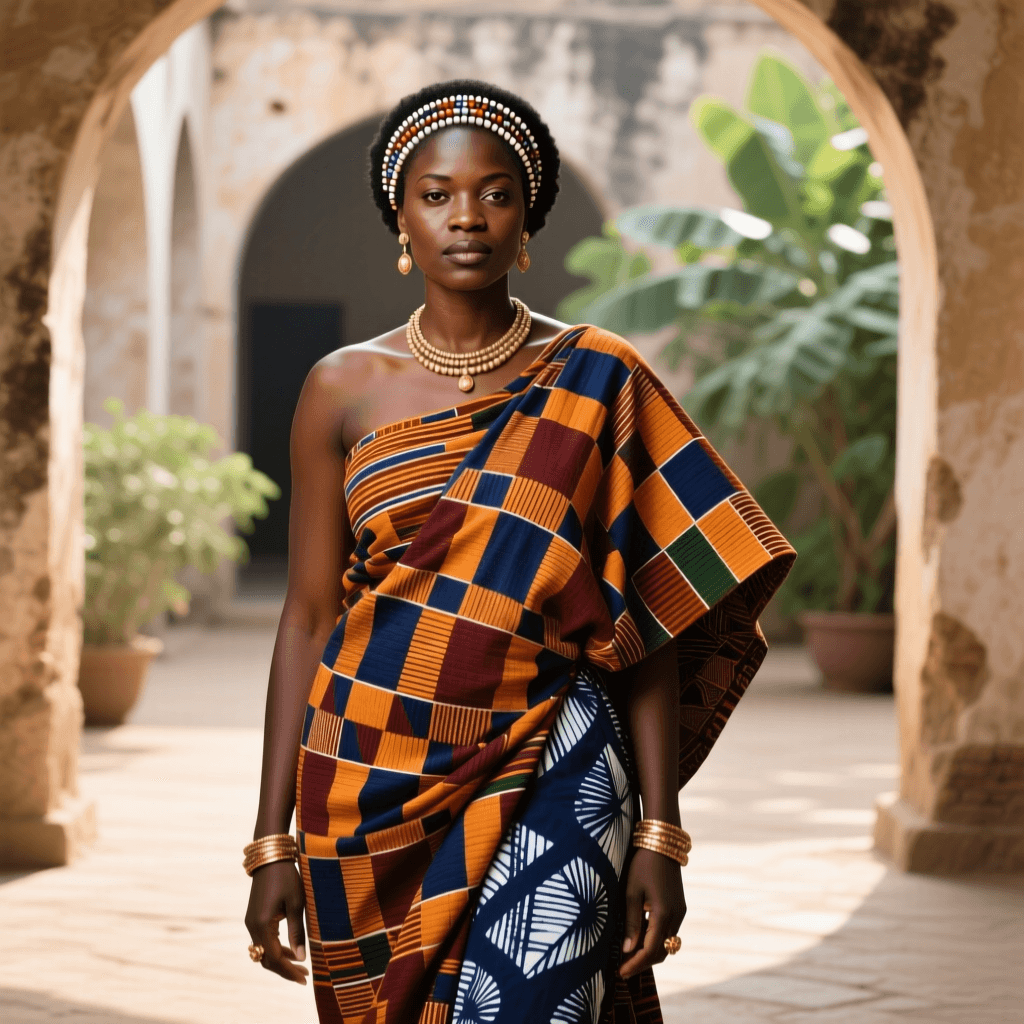
When exploring the rich tapestry of global fashion, few subjects are as vibrant, diverse, and deeply symbolic as traditional African clothing. Spanning a massive continent with thousands of distinct ethnic groups, languages, and cultures, African garments are far from a monolith. Instead, they represent a breathtaking array of textile arts, weaving techniques, and sartorial traditions that have evolved over centuries. To ask what traditional African clothing is means opening a door into a world where fabric serves as a canvas for history, social status, spiritual beliefs, and communal identity. In this comprehensive guide, we will journey across the continent to explore the origins, regional variations, and enduring cultural significance of Africa's most iconic garments.
The Origins and Evolution of African Garments
The story of African clothing begins long before the introduction of modern, mass-produced textiles. Historically, indigenous populations utilized the natural resources available in their immediate environments to create protective and decorative garments. In densely forested regions, bark cloth was meticulously harvested from specific trees, soaked, and beaten into a supple, leather-like material. In savanna and pastoral communities, animal hides and leather were tanned and softened using traditional methods, often adorned with intricate beadwork or cowrie shells. Raffia palm fibers were also woven into skirts, wraps, and ceremonial headdresses, particularly in Central and West Africa.
As ancient trade routes expanded, so did the materials available to African artisans. The Trans-Saharan trade networks introduced cotton, silk, and glass beads, fundamentally transforming local garment production. Cotton cultivation and weaving became highly specialized crafts in regions like West Africa, where narrow-strip looms were invented to produce long bands of fabric. These strips were then meticulously sewn edge-to-edge to create large wrappers, skirts, and flowing robes. The integration of these new materials did not erase indigenous techniques; rather, it elevated them. Artisans combined local fibers with imported silk and metallic threads, allowing for more complex patterns, richer dyes, and heavier, more luxurious garments that signaled wealth, prestige, and global connectivity.
Defining Characteristics and Textile Techniques
What truly sets traditional African clothing apart is the extraordinary emphasis on textile creation and surface decoration. The fabric itself is often the most important element of the garment, carrying meanings that transcend mere aesthetics. The creation of the cloth is a spiritual and communal act, often governed by strict traditions regarding who can weave, dye, or embroider specific patterns.
One of the most celebrated techniques is strip-weaving, famously exemplified by Kente cloth. Artisans weave narrow strips of silk and cotton on horizontal treadle looms, creating dazzling geometric patterns that are later sewn together. Each pattern and color combination holds specific philosophical or historical meanings, a topic we explore deeply in our guide to the history of Kente cloth. The rhythmic clack of the loom and the precise tension of the warp & weft threads are passed down through generations of master weavers.
Dyeing is another cornerstone of African textile artistry. Resist-dyeing techniques, such as the Yoruba Adire and the Malian Bògòlanfini (Mudcloth), rely on natural elements to create striking contrasts. Mudcloth utilizes fermented mud and plant-based mordants to paint bold, symbolic motifs onto handwoven cotton. For a deeper dive into this fascinating process, visit our comprehensive Mudcloth guide. Similarly, indigo dye pits have been used for centuries to produce deep, rich blues that signify royalty, spirituality, and prosperity across various West African cultures, a tradition detailed in our cultural heritage pages on dyeing.
Embellishment also plays a critical role in defining the character of the garments. Embroidery, appliqué, and the addition of cowrie shells, metallic threads, and glass beads transform simple garments into masterpieces. Cowrie shells, once used as currency across the continent, remain a powerful symbol of wealth, fertility, and spiritual protection when sewn onto tunics, hats, and ceremonial robes.
Regional Variations Across the Continent
Because the continent is so vast, generalizing African clothing is impossible. Regional climates, historical trade influences, and cultural norms have given rise to distinct sartorial identities across the North, South, East & West.
West Africa
West African fashion is renowned for its voluminous, flowing garments and spectacular textiles. The Agbada (or Grand Boubou) is a wide-sleeved, flowing robe worn by men across the region, often featuring elaborate embroidery around the neckline and chest. It is a garment of immense prestige, frequently worn by elders, leaders, and grooms. Women often wear the Iro and Buba (a wrapper and blouse) or a tailored Boubou, accompanied by a Gele—an intricately tied headwrap that can be as large and sculptural as the garment itself. The Dashiki, a colorful, loose-fitting pullover shirt with V-neck embroidery, is also iconic, though its modern global popularity is a more recent development compared to the ancient roots of the Agbada. To learn more about these flowing silhouettes, read our guide to traditional robes.
East Africa
In East Africa, the climate and Swahili coastal influences have shaped a different aesthetic. The Kanga and Kitenge are ubiquitous. These are brightly colored, rectangular cotton fabrics printed with bold patterns and, in the case of the Kanga, a Swahili proverb along the hemline. Women wear them wrapped around the waist, chest, or head, using them for everything from baby carriers to festive dresses. Inland, the Maasai people are globally recognized for the Shuka, a durable, thick cotton blanket wrapped around the body, traditionally featuring striking red and blue plaid patterns designed to protect against the elements and ward off wild animals.
North Africa
North African clothing reflects a blend of indigenous Amazigh (Berber), Arab, and Mediterranean influences. The Djellaba is a long, loose-fitting outer robe with full sleeves, often featuring a pointed hood (qob) that protects the wearer from the harsh desert sun and cold mountain winds. The Kaftan, historically associated with royalty and high society, is a luxurious, ankle-length garment often made of silk or fine wool, heavily embroidered with gold or silver thread. Women in various rural and urban areas also wear the Haik, a large, rectangular white cloth wrapped around the body and head, serving as both a modest garment and a shield against the environment.
Southern Africa
Southern African traditional wear is deeply tied to ethnic identity and rites of passage. The Basotho people of Lesotho and South Africa are famous for the Basotho blanket, a thick, woolen blanket featuring distinctive geometric patterns and stripes, worn draped over the shoulders and fastened with a pin or belt. Among the Xhosa people, the Umbhaco (a traditional skirt) and intricately beaded accessories denote a person's age, marital status, and social standing. Zulu traditional attire often incorporates leopard skins (historically reserved for royalty and warriors), beaded aprons, and woven grass hats, showcasing a profound connection to the natural world and ancestral lineage.
Occasions and Ceremonial Wear
Traditional African clothing is rarely just everyday wear in the modern sense; it is deeply intertwined with the ceremonial and social calendar of a community. The garments chosen for specific events are dictated by strict cultural protocols, and wearing the wrong fabric or color to a specific event can be considered a grave social faux pas.
Weddings are among the most visually spectacular occasions for traditional dress. In many West African cultures, couples and their extended families will commission matching outfits, known as Aso Ebi, made from the same luxurious fabric, such as lace, velvet, or heavily embroidered Aso Oke. This practice visually unites the families and demonstrates communal support, wealth, and solidarity. Naming ceremonies for newborns also require specific garments, often incorporating white fabrics to symbolize purity and the blessing of the ancestors upon the new life.
Rites of passage, such as coming-of-age ceremonies, also require specific garments. For example, during the Xhosa initiation rites, young men wear specific blankets and natural ochre pastes to signify their transition from boyhood to manhood. Similarly, funerary rites often dictate the wearing of specific colors. While white or black may signify mourning in some cultures, others require vibrant reds or specific ancestral patterns to celebrate the life of the deceased and ensure their safe passage to the spirit world.
Royalty and chieftaincy installations demand the most opulent garments. Kings, queens, and chiefs are draped in the heaviest, most intricately woven textiles, adorned with coral beads, gold jewelry, and symbolic staffs. The sheer weight and volume of these garments are designed to slow the wearer's movements, projecting an aura of majesty, stability, and unhurried power.
The Cultural Significance and Symbolism
To wear traditional African clothing is to wear a language. The textiles act as a non-verbal communication system, conveying messages about the wearer's identity, mood, and social standing without a single word being spoken. The headwrap alone is an architectural marvel and a communicative tool; the angle, size, and fold of a Gele or Duku can indicate a woman's marital status, her mood, or even her level of authority within a gathering.
Color symbolism is paramount in African sartorial traditions. In many cultures, gold represents royalty, wealth, and spiritual purity. Green signifies growth, harvest, and the earth. Black is often associated with maturity, spiritual energy, and ancestral connection, while white denotes purity, peace, and the spirit world. Red can symbolize blood, sacrifice, political passion, or protection against evil, depending entirely on the specific ethnic context and the accompanying patterns.
Patterns and motifs are equally communicative. Geometric shapes might represent the layout of a village, the scales of a crocodile, or the webs of the spider (a symbol of wisdom and storytelling). Adinkra symbols, originating from the Akan people of Ghana and Côte d'Ivoire, are stamped onto cloth to convey complex philosophical concepts, proverbs, and historical events. Wearing a specific Adinkra symbol can express grief, offer a blessing, or declare one's resilience in the face of adversity.
Furthermore, the creation and wearing of these garments reinforce social cohesion. The passing down of weaving, dyeing, and beading techniques from generation to generation ensures the survival of indigenous knowledge. When communities gather and wear their traditional attire, they are actively participating in the preservation of their heritage, asserting their identity in a rapidly globalizing world. For more on how garments preserve history, explore our archives on West African textile heritage.
Frequently Asked Questions
Is Ankara fabric originally from Africa?
The vibrant, wax-printed cotton fabric commonly known as Ankara or Dutch Wax has a complex, global history. It was originally inspired by Indonesian batik techniques, which Dutch merchants attempted to mass-produce and sell in Southeast Asia. When that market rejected the machine-made imprints, the merchants redirected their trade to West Africa, where the bold patterns and crackle effects were enthusiastically embraced. Over time, African artisans and merchants took control of the design and distribution processes, infusing the fabrics with local names, proverbs, and cultural significance, making Ankara an integral part of modern African sartorial identity.
What is the difference between a dashiki and an agbada?
While both are iconic West African garments, they serve different purposes and have distinct silhouettes. A dashiki is a colorful, loose-fitting pullover shirt, typically featuring a V-neckline with intricate embroidery. It is relatively lightweight and can be worn casually or for semi-formal events. The agbada (or grand boubou), on the other hand, is a massive, flowing, wide-sleeved outer robe worn over a matching tunic and trousers. It is highly formal, heavily embroidered, and requires a specific posture and swagger to wear correctly, usually reserved for elders, grooms, and dignitaries.
How is traditional African clothing worn today?
Today, traditional African clothing exists on a spectrum from strict ceremonial adherence to contemporary fusion. For weddings, religious services, and cultural festivals, many people wear historically accurate, custom-tailored traditional garments. However, in everyday urban life, there is a thriving movement of Afrocentric and contemporary African fashion. Designers frequently blend traditional textiles like Kente, Mudcloth, and Ankara with modern silhouettes, creating suits, sundresses, and streetwear that honor heritage while fitting seamlessly into a modern, global wardrobe.
What do the colors in Kente cloth represent?
Kente cloth is deeply symbolic, and every color woven into the fabric carries specific meaning. Gold represents royalty, wealth, and high status. Yellow is associated with fertility and the yam. Green signifies vegetation, planting, harvesting, and spiritual growth. Blue represents peace, harmony, and love. Red denotes blood, death, and spiritual sacrifice, while black signifies maturation, ancestral energy, and mourning. The specific combination of these colors in a Kente pattern dictates the name of the cloth and the occasion for which it is appropriate.
How can I respectfully wear traditional African garments?
The key to respectfully wearing traditional African clothing lies in education, context, and sourcing. Understand the cultural significance and appropriate occasions for the garment you wish to wear; for instance, some patterns are strictly reserved for royalty or funerals. Avoid wearing sacred or ceremonial items as casual costumes. Furthermore, support the African economy by purchasing directly from African designers, artisans, and ethical brands rather than buying mass-produced, culturally appropriated knock-offs from fast-fashion retailers. When in doubt, research the specific ethnic origin of the textile and honor its roots.