Traditional Mexican Dress Names: A Complete Guide to Iconic Garments

Traditional Mexican Dress Names: A Complete Guide to Iconic Garments
When most people picture traditional Mexican clothing, a vivid tapestry of color, embroidery, and flowing silhouettes comes to mind. Yet behind every hand-stitched pattern and woven textile lies a specific name, a distinct history, and a living cultural tradition that stretches back thousands of years. Mexico's sartorial heritage is among the richest in the world — a layered conversation between Indigenous craftsmanship and colonial influence that continues to evolve today.
Understanding the proper traditional Mexican dress names is more than an exercise in vocabulary. Each garment name represents a community, a technique, and a worldview. From the ancient huipil worn across Mesoamerica to the celebratory China Poblana ensemble that became a national symbol, knowing what to call these garments is the first step toward appreciating the artisans who create them and the cultures that sustain them.
This comprehensive guide walks you through the most important traditional Mexican dress names, their origins, defining characteristics, and the occasions on which they are worn. Whether you are a textile collector, a cultural enthusiast, or simply curious about Mexican heritage, this guide will deepen your understanding of one of the world's most celebrated clothing traditions.
The Huipil: Mexico's Most Ancient and Enduring Garment
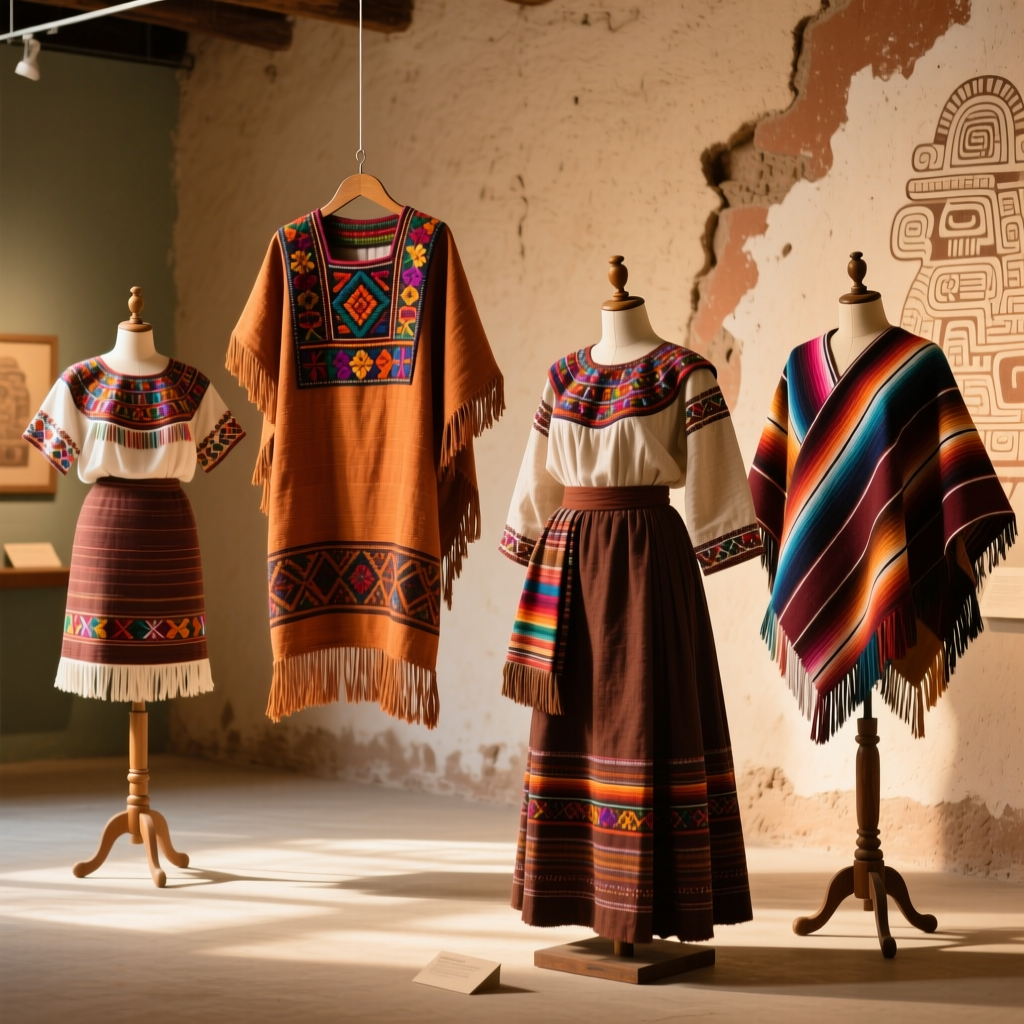
If there is one garment that defines traditional Mexican dress more than any other, it is the huipil (pronounced wee-PEEL). The word derives from the Nahuatl term huīpīlli, and this tunic-like top or dress has been worn by Indigenous women across Mesoamerica for well over two thousand years. Archaeological evidence, including figurines and codices from the Zapotec, Mixtec, and Maya civilizations, depicts women wearing garments unmistakably recognizable as huipiles.
Construction and Characteristics
The huipil is constructed from one, two, or three rectangular panels of hand-woven fabric joined together with decorative stitching. The neckline is typically a simple slit or opening, and the garment hangs loosely from the shoulders. What transforms this simple structure into a masterpiece is the brocade weaving or embroidery that adorns it. Motifs range from geometric patterns and diamond-shaped cosmos symbols to representations of local flora, fauna, and mythological beings.
In many Indigenous communities, the huipil serves as a visual language. The colors, patterns, and weaving techniques can identify the wearer's village, marital status, social position, and even the specific occasion for which the garment was made. Among the Maya communities of Chiapas and Guatemala, a woman's huipil can reveal her hometown to anyone literate in textile symbolism.
Regional Variations of the Huipil
The huipil varies dramatically across Mexico's regions. In Oaxaca, the huipiles of the Zapotec weavers in Teotitlán del Valle feature bold geometric designs in natural dyes, while the Mixtec huipiles of the coast incorporate intricate animal motifs. The Tzotzil Maya communities of Chiapas produce huipiles with elaborate brocade work in magenta, purple, and gold threads, often featuring representations of the cosmos and sacred animals.
In the Yucatán Peninsula, the traditional huipil — sometimes called a terno when worn as a formal three-piece ensemble — is typically white cotton adorned with cross-stitch embroidery in vivid floral patterns. The Yucatecan terno consists of the huipil itself, a decorative overlayer called the jubón, and a long skirt known as the fustán, all coordinated in matching embroidery. This ensemble is a centerpiece of the jaranas, the traditional dances of the region.
For more on how these garments fit into the broader landscape of traditional Mexican clothing types, explore our related guide on regional dress traditions.
The Quechquémitl: A Sacred Shoulder Garment
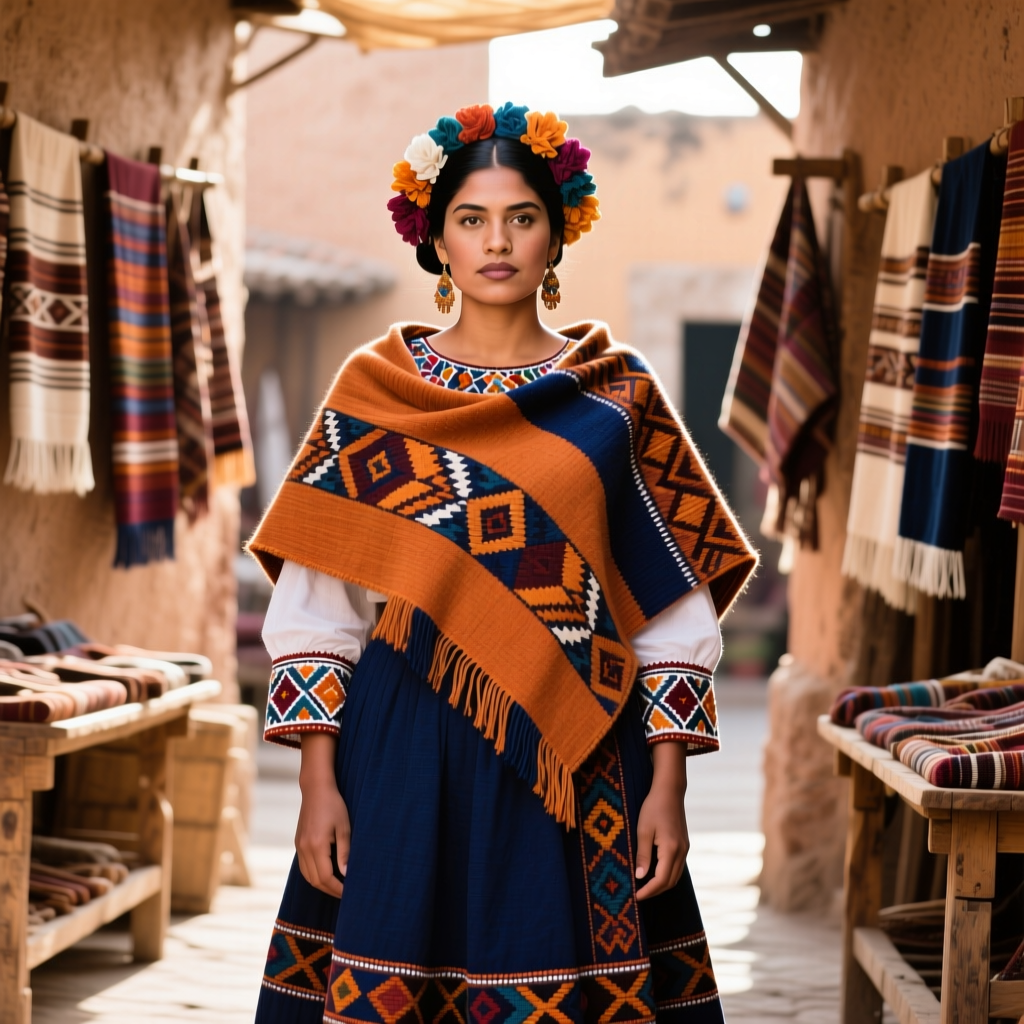
The quechquémitl (pronounced ketch-KEHM-eel) is another pre-Hispanic garment that has survived into the modern era. Its name comes from the Nahuatl words quech (neck) and quemitl (garment or cape), literally translating to "neck garment." This triangular or diamond-shaped shawl or poncho is draped over the shoulders and is most closely associated with the Nahua, Otomí, and Totonac peoples of central Mexico, particularly in the states of Puebla, Veracruz, Hidalgo, and San Luis Potosí.
Construction and Symbolism
The quechquémitl is typically constructed from two rectangular pieces of hand-woven fabric sewn together in a way that creates a diamond or triangular shape with an opening for the head. The garment is often woven on a backstrap loom using cotton or wool, depending on the climate of the region. The decorative elements — whether brocaded during weaving or embroidered afterward — carry profound symbolic meaning.
Common motifs include the Tree of Life, double-headed eagles (a pre-Hispanic symbol later influenced by European heraldry), stars, flowers, and serpentine patterns. Among the Nahua of the Huasteca region, the quechquémitl is considered a sacred garment, often created specifically for ceremonies, weddings, and religious festivals. The act of weaving a quechquémitl is itself a spiritual practice, with prayers and intentions woven into the fabric alongside the threads.
The quechquémitl is often worn over a huipil or blouse, adding an extra layer of warmth and ceremonial significance. In some communities, specific quechquémitl designs are reserved for particular celebrations — a Day of the Dead quechquémitl may feature different motifs than one worn at a wedding. Learn more about how these sacred garments are preserved in our Indigenous textile traditions collection.
The China Poblana: Mexico's National Dress
No discussion of traditional Mexican dress names is complete without the China Poblana — an ensemble so iconic that it has become shorthand for Mexican femininity in popular culture worldwide. The name translates roughly to "Chinese woman from Puebla," and its origin story is one of the most fascinating in Mexican fashion history.
The Legend and History
The most widely told origin story traces the China Poblana to a young woman named Mirra, an enslaved girl from the Indian subcontinent (some accounts say she was of noble birth) who was brought to colonial Mexico via the Manila Galleon trade route in the early 17th century. Sold to a merchant in Puebla, Mirra — later baptized as Catarina de San Juan — adopted a distinctive style of dress that blended elements of South Asian, Southeast Asian, and Mexican Indigenous clothing. Her piety and charitable works made her a beloved figure, and after her death, her style of dress was adopted and adapted by women across Puebla and eventually all of Mexico.
The term "China" in colonial Mexico was used broadly to refer to people of Asian origin, and "Poblana" simply means "from Puebla." Over the centuries, the China Poblana outfit evolved into a highly stylized ensemble that became a symbol of Mexican national identity, particularly during the 19th-century independence movement and the post-revolutionary cultural renaissance.
Components of the China Poblana Ensemble
The traditional China Poblana outfit consists of several key pieces:
- The blouse (blusa): A white, short-sleeved blouse with intricate embroidery featuring floral motifs, beads, and sequins. The embroidery often incorporates the colors of the Mexican flag — green, white, and red.
- The skirt (falda): A full, flared skirt made of flannel or cotton, typically divided into two sections — a green upper portion called the castor and a red lower section with a zigzag or scalloped hem. The skirt is elaborately decorated with sequins, beads, and sometimes the Mexican coat of arms.
- The petticoat (enagua): A white, lace-trimmed petticoat that peeks out below the skirt's hem, adding volume and a touch of femininity.
- The sash (rebozo or faja): A woven sash tied at the waist, often accompanied by a rebozo (shawl) draped over the shoulders.
- Accessories: The ensemble is typically completed with beaded slippers, earrings, and a hair arrangement adorned with ribbons or flowers.
Today, the China Poblana is most commonly seen during Fiestas Patrias (Mexican independence celebrations), folkloric dance performances, and cultural festivals. While it is not everyday wear in any community, its symbolic importance as a representation of Mexican identity and mestizaje (cultural mixing) remains powerful. Explore more about the rebozo and its role in traditional Mexican dress in our dedicated guide.
The Tehuana Traje: Oaxaca's Regal Ensemble
The Traje de Tehuana — the traditional dress of the Zapotec women of the Isthmus of Tehuantepec in Oaxaca — is arguably the most visually stunning and culturally significant regional dress in Mexico. It gained international fame when artist Frida Kahlo adopted it as her signature style, wearing it as a declaration of Indigenous pride, feminist solidarity, and political identity.
Components of the Tehuana Traje
The Tehuana traje is a multi-piece ensemble, each element carrying its own name and significance:
- The huipil grande (or resplandor): A large, elaborately embroidered huipil made of velvet, satin, or cotton, featuring dense floral embroidery — often roses, lilies, and other European-influenced botanical motifs — rendered in vivid colors against dark backgrounds. For formal occasions, the huipil may include a spectacular white lace or crocheted resplandor, a large decorative collar or halo-like frame that surrounds the head.
- The enagua (skirt): A long, flowing skirt made of velvet or satin, typically matching the huipil in color and adorned with lace at the hem. The holán, a wide band of white lace or ruffled fabric, is attached to the lower portion of the skirt and is a defining feature of the ensemble.
- The refajo: A decorative underskirt or wrap that adds structure and layers to the silhouette.
- Gold jewelry (joyas): The Tehuana traje is inseparable from its gold accessories. Tehuana women traditionally wear elaborate gold filigree earrings (arracadas), necklaces (cadenas and monedas — coin necklaces), and brooches. The gold jewelry is not merely decorative — it represents economic independence and family wealth, passed down through generations of women.
Cultural Significance of the Tehuana Traje
The Isthmus of Tehuantepec is a matriarchal society, and the Tehuana traje reflects the power and autonomy of Zapotec women. Tehuana women have historically been the primary merchants and economic drivers of their communities, and their dress projects authority, elegance, and cultural pride. The traje is worn for daily life, but the most elaborate versions — with velvet, extensive embroidery, and significant gold jewelry — are reserved for velas (community celebrations), weddings, and religious festivals.
Frida Kahlo's adoption of the Tehuana traje was deeply intentional. Her mother was from Oaxaca, and Kahlo wore the dress as a way to connect with her Indigenous heritage, to challenge Western beauty standards, and to make a feminist political statement. Today, the Tehuana traje remains a living tradition, worn with pride by Zapotec women and celebrated as one of Mexico's greatest sartorial achievements. Discover more about the Oaxacan textile heritage that sustains this tradition.
The Rebozo and Other Essential Garment Names
Beyond the major ensembles, several individual garment names are essential to understanding traditional Mexican dress. These pieces often cross regional boundaries and are worn in various combinations across the country.
The Rebozo
The rebozo is a long, rectangular shawl that is among the most versatile and beloved items in the Mexican wardrobe. Worn draped over the head and shoulders, wrapped around the body, or used to carry babies and goods, the rebozo is both practical and deeply symbolic. The finest rebozos are woven in Santa María del Río, San Luis Potosí, where artisans create pieces so finely woven that an entire rebozo can pass through a wedding ring. Rebozos feature intricate rapacejo — the hand-knotted fringe at each end — which can take months to complete.
The Faja
The faja is a woven sash or belt that serves both functional and decorative purposes. Wound tightly around the waist, the faja holds skirts and enaguas in place while adding a band of color and pattern to the overall outfit. Fajas are woven on backstrap looms and often feature the same symbolic motifs found in huipiles and quechquémitles. In some communities, the way a faja is tied can indicate whether the wearer is single, married, or widowed.
The Nahuatl-Influenced Enredo
The enredo is a wraparound skirt — a length of fabric wound around the body and secured at the waist, often with a faja. This is one of the oldest garment forms in Mesoamerica, predating the arrival of the Spanish. In many Indigenous communities, the enredo is still worn for daily activities, particularly in regions of Guerrero, Oaxaca, and Michoacán. The fabric is typically hand-woven cotton or wool, and the length and wrapping style vary by community.
The Terno Yucateco
As mentioned earlier, the terno is the formal three-piece ensemble of the Yucatán Peninsula, consisting of the huipil, jubón, and fustán. Made of white cotton with cross-stitch embroidery (punto de cruz) in bright colors, the terno is a hallmark of Yucatecan identity and is worn during the Vaquería celebrations and other regional festivals. The embroidery often features motifs of local flowers, including the flor de mayo and tropical blossoms.
For a deeper exploration of these and other accessories, visit our guide to traditional Mexican textile accessories.
Regional Variations Across Mexico
Mexico's vast geography — encompassing deserts, tropical coasts, highland plateaus, and dense jungles — has given rise to extraordinary regional variation in traditional dress. Climate, available materials, colonial history, and the specific Indigenous groups present in each region all shape the garments that emerge from a given area.
Central Mexico: Puebla, Tlaxcala, and Hidalgo
Central Mexico, the heartland of the Aztec Empire and the seat of colonial power, features garments that reflect intense cultural mixing. The quechquémitl is prominent here, alongside elaborately embroidered blouses with European-influenced floral designs. The Nahua communities of the Sierra Norte de Puebla produce particularly fine examples of brocaded quechquémitles using natural dyes.
Southern Mexico: Oaxaca and Chiapas
This region is the epicenter of Indigenous textile production in Mexico. Oaxaca alone is home to sixteen officially recognized Indigenous groups, each with distinct clothing traditions. The Zapotec traje de Tehuana, the Mixtec huipiles of the Mixteca Alta, and the Chatino embroidered blouses of the coast are just a few examples. In Chiapas, the Tzotzil and Tzeltal Maya communities of San Juan Chamula, Zinacantán, and Tenancingo produce textiles of extraordinary complexity, often incorporating symbols from the Maya cosmological worldview.
Western Mexico: Michoacán and Jalisco
In Michoacán, the Purépecha (Tarascan) people maintain distinctive dress traditions. Purépecha women typically wear a hand-woven enredo, an embroidered blouse, a faja, and a rebozo, with the specific colors and patterns identifying their community. The famous rebozos de araña (spiderweb rebozos) of Michoacán feature intricate openwork weaving that resembles lace. In Jalisco, the China Poblana-influenced traje de Jalisco — a full, ribbon-adorned skirt paired with a white blouse — is the standard for folkloric dance performances, particularly the Jarabe Tapatío.
The Huasteca: A Cross-Cultural Textile Zone
The Huasteca region, spanning parts of San Luis Potosí, Hidalgo, Veracruz, and Tamaulipas, is home to Nahua, Teenek (Huastec Maya), and Otomí communities whose textiles share common elements while maintaining distinct identities. The quechquémitl is especially important here, with Teenek quechquémitles featuring distinctive red-and-black brocade patterns that represent the duality of life and death.
Cultural Significance and Modern Preservation
Traditional Mexican garments are far more than clothing — they are cultural documents woven in cotton, wool, and silk. Each piece carries the knowledge of generations: the agricultural practices that produced the fibers, the botanical expertise that created the dyes, the mathematical precision of the weaving patterns, and the spiritual beliefs encoded in the motifs.
Identity and Resistance
For Indigenous communities in Mexico, traditional dress is a powerful statement of identity and cultural continuity. In a country where Indigenous peoples have faced centuries of marginalization, wearing traditional clothing is an act of resistance and pride. The huipil, quechquémitl, and other garments assert the wearer's connection to a specific community, language, and worldview that predates the Spanish conquest by millennia.
The Threat of Cultural Appropriation
In recent years, international fashion brands have repeatedly copied traditional Mexican textile designs without credit or compensation to the communities that originated them. This has sparked a national conversation about cultural appropriation versus appreciation. The Mexican government, along with artisan cooperatives and cultural organizations, has pushed for legal protections for traditional designs, arguing that these patterns are the collective intellectual property of the communities that created them.
When purchasing traditional Mexican garments, it is essential to buy directly from artisans or from reputable cooperatives that ensure fair compensation. Mass-produced imitations not only undercut the livelihoods of weavers and embroiderers but also strip the garments of their cultural meaning. Learn more about ethical textile purchasing and how to support artisan communities.
Living Traditions
Despite the pressures of globalization, traditional Mexican dress remains a living, evolving tradition. Young Indigenous designers are finding ways to incorporate traditional techniques into contemporary fashion. Weaving cooperatives are training new generations of artisans and reaching global markets through fair-trade networks. Cultural festivals, such as the Guelaguetza in Oaxaca, continue to celebrate and showcase the extraordinary diversity of Mexico's textile heritage.
The future of these traditions depends on continued appreciation, respectful engagement, and economic support for the artisans who keep them alive. Every huipil woven on a backstrap loom, every quechquémitl embroidered with ancestral motifs, and every rebozo knotted with patience and skill is a testament to a civilization that has always understood clothing as art, language, and prayer.
Frequently Asked Questions
What is the most common traditional Mexican dress called?
The most common and widespread traditional Mexican garment is the huipil, a tunic-like top or dress worn by Indigenous women across Mesoamerica for over two thousand years. The huipil varies enormously by region, with each community producing distinctive designs that serve as markers of identity. For formal and national occasions, the China Poblana ensemble is the most widely recognized traditional Mexican dress, though it is more of a ceremonial and folkloric costume than everyday wear.
What is the difference between a huipil and a quechquémitl?
A huipil is a rectangular tunic or blouse, typically made from two or three panels of woven fabric sewn together with openings for the head and arms. It is worn as the primary upper garment. A quechquémitl, by contrast, is a triangular or diamond-shaped shawl or poncho that is draped over the shoulders, usually worn over a huipil or blouse. While the huipil is found throughout Mexico and Central America, the quechquémitl is more regionally concentrated, primarily associated with central Mexican states like Puebla, Hidalgo, and San Luis Potosí.
Why is the China Poblana called "Chinese" if it is Mexican?
The name China Poblana reflects the garment's legendary origin story involving Catarina de San Juan (born Mirra), a woman from the Indian subcontinent who was brought to colonial Mexico via the Manila Galleon trade. In colonial-era Mexico, the term "china" was used broadly for people of Asian origin. Catarina's distinctive personal style — blending South Asian, Southeast Asian, and Mexican elements — was adopted by women in Puebla and eventually became a national symbol. The name preserves this cross-cultural origin, making the China Poblana a testament to Mexico's history as a global crossroads.
Is it appropriate to wear traditional Mexican clothing if I am not Mexican?
Wearing traditional Mexican clothing can be a respectful form of cultural appreciation when done thoughtfully. The key considerations are: purchasing ethically from artisan communities rather than buying mass-produced imitations, understanding the cultural significance of the garment you are wearing, and avoiding sacred or ceremonial items that hold specific religious or community meaning. Many Mexican artisans and cooperatives welcome international customers and see ethical purchases as a way to sustain their craft. However, wearing traditional garments as costumes for parties or without understanding their significance is generally considered disrespectful.
Where can I buy authentic traditional Mexican garments?
The best way to buy authentic traditional Mexican garments is directly from artisan communities in Mexico — visiting markets and cooperatives in places like Oaxaca, Chiapas, Puebla, and Michoacán. If traveling is not possible, look for reputable fair-trade organizations and artisan cooperatives that sell online and ensure that profits go directly to the weavers and embroiderers. Avoid fast-fashion retailers and souvenir shops that sell machine-made imitations of traditional designs. Organizations such as Artesanías de México, FONART (the National Fund for the Development of Arts and Crafts), and various NGO-supported cooperatives offer authentic pieces with transparent sourcing. For guidance on identifying genuine handcrafted textiles, explore our guide to authentic Mexican textiles.
Traditional Mexican dress names represent far more than fashion terminology — they are keys to understanding one of the world's most profound and enduring textile cultures. From the ancient huipil to the regal Tehuana traje, each garment carries the stories, beliefs, and artistry of the communities that created them. By learning these names and the histories behind them, we participate in the preservation of a cultural heritage that continues to inspire and endure.