Traditional Mexican Clothing Stores Guide
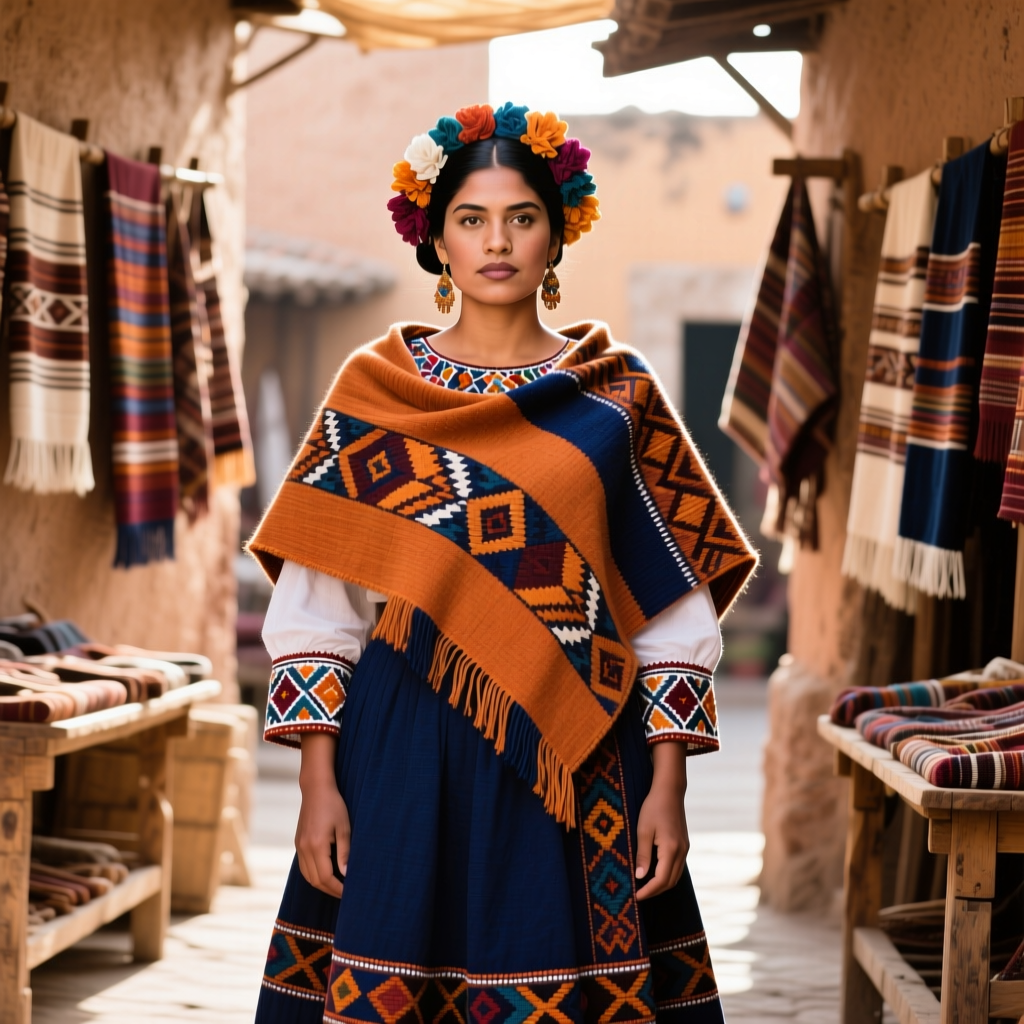
Traditional Mexican Clothing Stores Near Me: A Complete Cultural & Shopping Guide
There is something profoundly moving about holding a hand-embroidered huipil in your hands. Each stitch carries the weight of centuries — stories of indigenous artisans, colonial encounters, revolutionary spirit, and living cultural traditions that have survived against all odds. Traditional Mexican clothing is far more than fabric and thread; it is a wearable archive of one of the world's richest cultural tapestries. Whether you are searching for a vibrantly embroidered blouse, a flowing folklorico skirt, or a finely crafted guayabera shirt, finding authentic traditional Mexican clothing stores near you can transform a simple shopping trip into a meaningful cultural experience.
Yet for many people, locating genuine sources for traditional Mexican garments is a challenge. Mass-produced imitations flood online marketplaces, and the distinction between culturally authentic pieces and costume-grade reproductions is not always obvious. This guide exists to help you navigate the landscape of traditional Mexican clothing retail — from neighborhood mercados and family-owned boutiques to specialized cultural shops and artisan cooperatives — while deepening your understanding of the garments themselves. By the time you finish reading, you will know exactly what to look for, where to find it, and why these garments matter so deeply to the communities that create them.
For a broader exploration of global garment traditions, you may also enjoy our world traditional clothing guide, which surveys iconic garments from cultures around the globe.
The Origins & Evolution of Traditional Mexican Clothing
To appreciate what you will find in traditional Mexican clothing stores, it is essential to understand where these garments come from. Mexican clothing traditions represent one of the most complex cultural fusions on Earth — a layered dialogue between pre-Columbian indigenous civilizations and European colonial influence that began in the early sixteenth century.
Pre-Columbian Foundations
Long before European contact, the peoples of Mesoamerica had developed sophisticated textile traditions. The Aztecs, Maya, Zapotecs, Mixtecs, and countless other civilizations wove cotton, agave fibers, and animal hairs into garments that communicated social status, community identity, and spiritual beliefs. The huipil — a loose-fitting tunic constructed from rectangular panels of woven fabric — was already a staple of indigenous women's dress across much of central and southern Mexico. Backstrap looms, which allowed weavers to create intricate patterns directly in the weave, were the primary technology, and the designs they produced served as a visual language encoding cosmological ideas, community affiliation, and personal milestones.
Cochineal dye, derived from a small insect that lives on nopal cacti, produced the vivid reds that became synonymous with Mesoamerican textiles. Indigo provided deep blues, while various plants, minerals, and shellfish yielded purples, yellows, and greens. These natural dyeing traditions persist in some communities to this day, and garments colored with natural pigments are among the most prized items you will find in authentic traditional Mexican clothing stores.
Colonial Fusion & the Birth of Mestizo Style
The Spanish conquest introduced new fibers — wool, silk, and linen — along with new garment structures such as fitted bodices, gathered skirts, and tailored shirts. The pedal loom, capable of producing wider fabric panels, supplemented the backstrap loom. European decorative motifs — floral bouquets, religious iconography, and geometric patterns drawn from Moorish and Iberian traditions — merged with indigenous design vocabularies to create entirely new aesthetic systems.
This fusion was not merely aesthetic; it was deeply political. Colonial casta systems regulated clothing based on racial classification, and indigenous communities often adapted European garments as a form of negotiation with colonial power while simultaneously preserving their own textile traditions as acts of cultural resistance. The result was a clothing culture of extraordinary complexity, where a single garment might encode layers of meaning invisible to outsiders but immediately legible to members of the community that produced it.
Post-Independence & the Folkloric Revival
After Mexican independence, and particularly after the Mexican Revolution of the early twentieth century, traditional clothing took on new symbolic weight. Artists like Frida Kahlo and Diego Rivera championed indigenous dress as an expression of national identity, and the government promoted folkloric traditions as part of a broader project of cultural unification. The china poblana outfit — with its sequined blouse, embroidered skirt, and silk-shawled shoulders — became an iconic national symbol, even as its origins remained rooted in the specific cultural mixing of colonial-era Puebla.
Today, the traditional Mexican clothing you encounter in stores reflects all of these historical layers. A well-curated shop will carry garments that span the spectrum from deeply traditional, community-specific pieces to contemporary designs that draw on heritage techniques while speaking to modern sensibilities.
Key Garments & Characteristics: What to Look For
Walking into a traditional Mexican clothing store for the first time can be overwhelming. The variety of garments, techniques, and regional styles is immense. Here is a guide to the most important categories you are likely to encounter, along with the characteristics that distinguish authentic, high-quality pieces.
The Huipil
The huipil is arguably the most iconic garment in Mexican traditional dress. It is a tunic-like top, typically constructed from two or three rectangular panels of handwoven fabric joined with decorative stitching. Huipiles range from everyday garments of simple cotton to ceremonial pieces that can take months to complete and feature extraordinarily complex brocade or embroidery work.
When shopping for a huipil, pay attention to the weave of the base fabric. Handwoven cloth has a slightly irregular texture that machine-made fabric cannot replicate. Examine the embroidery or brocade closely: in genuine pieces, the stitching will show small variations that indicate handwork. Many huipiles from Oaxaca, Chiapas, and the Yucatán Peninsula feature designs that identify the specific community of origin — the diamond-shaped cosmos motif in Chiapas huipiles, for example, or the flamboyant floral embroidery of the Istmo de Tehuantepec.
The Rebozo
The rebozo is a long, rectangular shawl that serves as one of the most versatile garments in Mexican culture. It can be worn as a head covering, a baby carrier, a market bag, a warmth layer, or an elegant fashion accessory. Traditional rebozos are woven on backstrap or pedal looms and feature a distinctive knotted fringe called a punta or rapacejo, which is itself an art form — some fringe work is so fine and complex that a single rebozo's fringe can take weeks to complete.
The most celebrated rebozos come from Santa María del Río in San Luis Potosí and from Tenancingo in the State of Mexico. These regions produce rebozos with ikat-dyed patterns (called amarres in Mexican Spanish) that create beautifully blurred, luminous designs. A genuine hand-knotted fringe is the single best indicator of an authentic rebozo; machine-finished edges are a reliable sign of mass production.
The Guayabera
The guayabera is a men's shirt characterized by vertical rows of pleats or tucks (alforzas), patch pockets, and often decorative embroidery. It is worn untucked and is considered appropriate attire for formal occasions in many parts of Mexico and Latin America. While its exact origins are debated — some trace it to Cuba, others to the Philippines via the Manila galleon trade — the guayabera has been thoroughly adopted into Mexican clothing culture, particularly in the Yucatán Peninsula, Veracruz, and tropical coastal regions.
High-quality guayaberas are made from linen or fine cotton and feature hand-pleated details. The buttons are often genuine mother-of-pearl or coconut shell. In traditional Mexican clothing stores, you may also find women's adaptations of the guayabera, including dress-length versions with elaborate embroidery.
Folklorico Skirts & Dresses
Baile folklorico — Mexican folk dance — requires skirts of spectacular volume and color. These skirts, often called faldas folkloricas, are cut in wide circles and decorated with bold ribbons, appliqué, or painted designs. When a dancer spins, the skirt blooms outward in a display of color that is central to the visual drama of the performance.
Stores catering to folklorico dancers will carry skirts in specific regional styles: the bright, ribbon-trimmed skirts of Jalisco; the white, lace-trimmed ensembles of Veracruz; the dark, velvet-accented costumes of the Danza de los Viejitos from Michoacán. If you are shopping for performance wear, seek out stores that specialize in folklorico supplies, as the construction requirements — reinforced waistbands, appropriate weight distribution, and durable trim — are specific to dance use.
The Quechquémitl & Other Regional Specialties
Beyond the major garment types, traditional Mexican clothing stores may carry a variety of regional specialties. The quechquémitl is a small, poncho-like garment worn by Nahua, Otomí, and Huastec women in parts of central Mexico. It is often decorated with intricate embroidery featuring animal and plant motifs. The enredo — a wraparound skirt secured with a woven sash or faja — is another traditional garment found in indigenous communities. Woven fajas themselves are collected as art objects, with some examples featuring dozens of distinct pattern bands that encode community history and personal narrative.
For more on how these garments fit into the broader landscape of Latin American textile traditions, see our Latin American textile heritage guide.
Where to Find Traditional Mexican Clothing Stores Near You
The search for traditional Mexican clothing stores near you will yield different results depending on where you live, but there are several reliable strategies for finding authentic sources regardless of your location.
Neighborhoods with Strong Mexican & Latino Communities
In cities with significant Mexican-American or Latino populations, you will often find brick-and-mortar stores selling traditional clothing alongside other cultural goods. Neighborhoods like East Los Angeles, the Mission District in San Francisco, Little Village in Chicago, and Barrio Logan in San Diego have long-standing shops that import garments directly from artisans and cooperatives in Mexico. These stores may not always advertise themselves specifically as "traditional clothing" shops — they may be listed as ropa típica, artesanías, or general merchandise stores — so it pays to explore and ask.
Look for stores that display terms like ropa típica mexicana, artesanías mexicanas, or bordados a mano (hand embroidery) in their signage or window displays. These are strong indicators that the store carries authentic traditional garments rather than mass-produced costume wear.
Mercados, Flea Markets & Swap Meets
Outdoor markets and swap meets in areas with large Mexican and Latino communities are excellent places to find traditional clothing at accessible prices. Vendors at these markets often have direct relationships with producers in Mexico and may travel regularly to restock their inventory. You can find embroidered blouses, rebozos, woven bags, and folklorico skirts, among other items.
The key to shopping at markets is developing a discerning eye. Examine stitching quality, ask about the origin of the garments, and compare prices — if a "hand-embroidered" blouse costs the same as a fast-fashion t-shirt, it is almost certainly machine-made. Genuine hand embroidery takes many hours of skilled labor and should be priced accordingly.
Cultural Centers, Museums & Artisan Fairs
Museums with Latin American or Mexican art collections often operate gift shops that carry high-quality traditional textiles. Cultural centers, particularly those affiliated with Mexican consulates or community organizations, frequently host artisan fairs where makers from Mexico sell their work directly. These events are among the best opportunities to purchase authentic garments while learning about their origins from the people who created them.
Annual events such as Día de los Muertos celebrations, Mexican Independence Day festivals, and regional fiestas patrias often feature vendor markets where traditional clothing is prominently available. Planning your shopping around these cultural calendar events can connect you with sources you might not otherwise discover.
Specialized Boutiques & Online Artisan Cooperatives
A growing number of specialized boutiques — both physical and online — focus exclusively on traditional Mexican textiles and garments. These businesses often work directly with artisan cooperatives in Oaxaca, Chiapas, Puebla, and other regions, and they typically provide detailed information about the makers, techniques, and communities behind each piece. While they may not have a storefront near you, many offer shipping and provide a level of curation and authenticity verification that is difficult to find elsewhere.
When shopping online, look for stores that name specific communities of origin, identify individual artisans or cooperatives, describe the techniques used, and provide fair-trade or direct-trade credentials. Transparency about sourcing is one of the strongest indicators of an ethical, authentic retailer.
If you are interested in how traditional garment retail connects to ethical fashion practices more broadly, our ethical fashion and traditional textiles guide offers a deeper exploration of these issues.
Regional Variations: A Geography of Mexican Textile Traditions
Mexico is a country of staggering geographic and cultural diversity, and its textile traditions vary dramatically from region to region. Understanding these variations will help you identify what you are looking at in traditional Mexican clothing stores and appreciate the specificity of each piece.
Oaxaca: The Heartland of Mexican Textiles
Oaxaca is widely regarded as the epicenter of traditional Mexican textile production. The state is home to sixteen officially recognized indigenous groups, each with distinct weaving, embroidery, and dyeing traditions. The Zapotec weavers of Teotitlán del Valle produce stunning rugs and serapes using natural dyes and pedal-loom techniques passed down through generations. The Mixtec communities of the coast create intricate posahuanco skirts with complex brocade patterns. The Isthmus of Tehuantepec is famous for its huipiles de cadenilla — garments embroidered with chain stitch in vivid floral designs that have inspired fashion designers worldwide.
When you find Oaxacan garments in a store near you, look for tags or labels that identify the specific community of origin. Reputable sellers will be able to tell you whether a piece comes from Teotitlán del Valle, San Antonino Castillo Velasco, Santo Tomás Jalieza, or another specific community.
Chiapas: Maya Textile Traditions
The highlands of Chiapas are home to Tzotzil and Tzeltal Maya communities whose textile traditions are among the most visually striking in Mexico. The huipiles of San Juan Chamula, Zinacantan, and San Andrés Larráinzar feature bold brocade work in geometric and zoomorphic designs, often executed in deep reds, purples, and greens against a white or natural cotton ground. The diamond motif — representing the cosmos, with its four cardinal directions — is particularly characteristic of Chiapas textiles.
Chiapas garments are among the most labor-intensive to produce, and authentic pieces command premium prices. The cooperative movement in Chiapas is strong, and many retailers source directly from women's weaving cooperatives such as Sna Jolobil or Jolom Mayaetik, which have been instrumental in preserving and promoting highland Maya textile arts.
The Yucatán Peninsula: Tropical Elegance
Yucatán, Campeche, and Quintana Roo have textile traditions shaped by the tropical climate and the cultural heritage of the Yucatec Maya. The hipil (the Yucatec Maya form of the huipil) is typically made of white cotton and decorated with cross-stitch embroidery in bright floral patterns around the neckline and hem. The terno — a three-piece formal ensemble consisting of a hipil, a justán (underskirt), and a rebozo — is the iconic formal dress of Yucatec women and is still worn at celebrations and festivals throughout the peninsula.
Yucatán is also known for its finely woven Panama-style hats (called jipijapa in the region) and for its delicate filigrana jewelry, which often accompanies traditional dress. Stores specializing in Yucatecan goods may carry these accessories alongside garments.
Central Mexico: Puebla, Tlaxcala & the Huasteca
The central Mexican states of Puebla and Tlaxcala have rich embroidery traditions, with the china poblana ensemble being the most nationally recognized product of the region. The Huasteca region, spanning parts of San Luis Potosí, Hidalgo, and Veracruz, produces exquisitely embroidered quechquémitls and blouses featuring intricate floral and animal motifs executed in cross-stitch.
Tenancingo, in the State of Mexico, remains one of the most important centers of rebozo production, and garments from this town are highly sought after by collectors and cultural institutions. For more on the rebozo and its place in Mexican cultural history, see our dedicated rebozo history and craft guide.
The Cultural Significance of Traditional Mexican Clothing
Understanding the cultural significance of traditional Mexican clothing is essential for anyone who wishes to purchase and wear these garments respectfully and knowledgeably. These are not merely fashion items; they are living expressions of cultural identity, community belonging, and historical memory.
Identity & Community Belonging
In many indigenous Mexican communities, traditional dress functions as a marker of community identity. The specific patterns, colors, and construction techniques of a huipil can identify the wearer's village, marital status, age group, and role within the community. When you purchase a traditional garment, you are acquiring something that was originally designed to communicate deeply personal and communal information. This does not mean that non-community members cannot wear or appreciate these garments — many artisans and communities welcome the broader appreciation of their work — but it does mean that understanding what you are wearing adds a dimension of respect and awareness to the experience.
Spiritual & Ceremonial Dimensions
Many traditional Mexican garments have spiritual or ceremonial significance. Certain huipiles are woven specifically for weddings, funerals, or religious festivals and incorporate motifs — crosses, diamonds, double-headed eagles, stylized flowers — that carry cosmological meaning. The act of weaving itself is understood in many communities as a spiritual practice, with the loom serving as a metaphor for the structure of the cosmos.
When shopping, be aware that some garments are intended for specific ceremonial contexts. A knowledgeable retailer should be able to advise you on whether a piece is appropriate for everyday wear or whether it has ceremonial associations that deserve consideration.
Economic Empowerment & Cultural Preservation
The purchase of authentic traditional Mexican clothing directly supports the economic livelihoods of artisan communities and contributes to the preservation of endangered textile techniques. Many traditional weaving and embroidery practices require years of training, and the younger generation's willingness to learn these skills depends in part on the economic viability of textile production. When you choose to buy from stores that source ethically and pay fair prices, you are participating in a system that values cultural knowledge and supports its transmission to future generations.
This is one reason why the question of where you shop matters as much as what you buy. Stores that invest in direct relationships with artisan communities, that provide accurate information about origins and techniques, and that price garments in ways that reflect the true cost of skilled handwork are performing a vital cultural service.
Cultural Appreciation vs. Cultural Appropriation
The conversation around cultural appropriation is relevant to anyone purchasing traditional garments from cultures other than their own. The general consensus among textile scholars, cultural advocates, and many artisans themselves is that purchasing authentic pieces from ethical sources, learning about their cultural context, and wearing them with knowledge and respect constitutes cultural appreciation rather than appropriation. The practices to avoid include purchasing mass-produced knockoffs that undercut artisan livelihoods, wearing sacred or ceremonial garments without understanding their significance, and claiming traditional designs as one's own creative work.
For a broader discussion of how to engage thoughtfully with garments from diverse cultural traditions, our cultural appropriation in fashion guide provides additional context and frameworks.
Tips for Shopping Smart at Traditional Mexican Clothing Stores
Whether you have found a promising store nearby or are exploring options online, these practical tips will help you make informed, satisfying purchases.
- Examine the stitching. Genuine hand embroidery shows slight irregularities — stitches that vary in length, tiny variations in tension, and thread ends that are finished by hand. Machine embroidery is perfectly uniform and often has a shiny, synthetic-looking thread on the back side.
- Ask about origin. A reputable store should be able to tell you where a garment was made, ideally down to the community or artisan cooperative. If the seller cannot provide any information about origin, proceed with caution.
- Check the fabric. Traditional garments are typically made from natural fibers — cotton, wool, silk, or blends. Hold the fabric up to light; handwoven cloth often has a slightly uneven weave that catches light differently than machine-made fabric.
- Consider the price. Authentic handwoven and hand-embroidered garments require many hours of skilled labor. If a price seems too good to be true, the garment is likely machine-made or produced under exploitative conditions. Fair prices support artisan livelihoods.
- Learn basic terminology. Knowing terms like huipil, rebozo, faja, quechquémitl, and bordado a mano will help you communicate with sellers and signal that you are a knowledgeable buyer.
- Request care instructions. Handwoven and naturally dyed textiles may require specific care — gentle hand washing, avoidance of direct sunlight during drying, and careful storage. A good retailer will provide this information.
Frequently Asked Questions
How can I tell if a traditional Mexican garment is authentic?
Authenticity can be assessed through several indicators. First, examine the construction: handwoven fabric has slight irregularities in the weave, and hand embroidery shows natural variations in stitch length and tension. Second, look for natural fibers — cotton, wool, or silk — rather than synthetic materials. Third, ask the seller about the garment's origin; authentic pieces can typically be traced to a specific community or artisan cooperative. Fourth, consider the price: genuine handcrafted garments reflect the many hours of skilled labor required to produce them and are priced accordingly. Finally, look for details like hand-knotted fringe on rebozos, hand-pleated alforzas on guayaberas, and natural dye colors that have a depth and luminosity that synthetic dyes cannot replicate.
Are traditional Mexican clothing stores expensive?
Prices vary enormously depending on the type of garment, the complexity of the work, and the retail channel. Simple machine-embroidered blouses at a flea market might cost relatively little, while a ceremonial huipil from Chiapas with months of hand-brocade work can command several hundred dollars or more. The key is understanding what you are paying for. At reputable traditional Mexican clothing stores, prices reflect the skill, time, and materials involved in creating each piece. Many stores offer a range of price points, from everyday garments to museum-quality collector's pieces. If budget is a concern, consider starting with smaller items like embroidered napkins, woven fajas, or simple blouses, which offer authentic craftsmanship at more accessible prices.
Is it culturally appropriate for non-Mexicans to wear traditional Mexican clothing?
This is a nuanced question that deserves a thoughtful answer. In general, wearing traditional Mexican clothing that you have purchased from ethical sources, with an understanding of its cultural context, is widely considered an expression of appreciation rather than appropriation. Many Mexican artisans and cultural organizations actively encourage the global appreciation of their textile traditions, as this appreciation supports the economic viability of their craft. The important things to avoid are wearing sacred or ceremonial garments without understanding their significance, purchasing cheap imitations that undercut artisan livelihoods, or treating traditional garments as costumes for novelty or humor. When in doubt, educate yourself about the specific garment you are wearing and be prepared to share its story with others who ask.
What regions of Mexico produce the best traditional textiles?
Several Mexican states are internationally renowned for their textile traditions. Oaxaca is perhaps the most celebrated, with its diverse Zapotec, Mixtec, and other indigenous weaving and embroidery traditions. Chiapas is famous for its highland Maya brocade work. The Yucatán Peninsula is known for its delicate cross-stitch hipiles. Puebla and the Huasteca region produce exquisite embroidered blouses and quechquémitls. San Luis Potosí and the State of Mexico are renowned for their rebozos. Each region has its own specialties, and the "best" textiles depend on what you are looking for — a sturdy Zapotec rug, a delicate Yucatecan hipil, and a bold Chiapas huipil are all masterpieces of their respective traditions. Exploring our Mexican textile regions guide can help you learn more about each area's distinctive contributions.
How do I care for traditional Mexican garments to ensure they last?
Proper care depends on the specific materials and techniques used in each garment, but some general guidelines apply. Hand-embroidered and handwoven pieces should typically be washed by hand in cool water with a mild, pH-neutral detergent. Avoid bleach and harsh chemicals, which can damage natural fibers and cause natural dyes to fade or bleed. Dry garments flat and away from direct sunlight, which can cause colors to fade over time. Rebozos and other woven items should be stored folded or rolled rather than hung, as hanging can stretch and distort the weave over time. For naturally dyed textiles, some color transfer may occur during the first few washes, so wash them separately. If you are uncertain about care, ask the retailer — stores that sell authentic traditional garments should be able to provide specific care guidance for each piece they sell.
Final Thoughts
The search for traditional Mexican clothing stores near you is about more than finding a place to shop. It is an invitation to engage with one of the world's great textile traditions — to learn the stories woven into every garment, to support the artisans who keep these traditions alive, and to carry a piece of living cultural heritage into your daily life. Whether you discover a family-owned shop in a vibrant neighborhood mercado, attend an artisan fair at a local cultural center, or connect with a cooperative online, every authentic purchase is a vote for the preservation of craft, community, and cultural memory.
Take your time. Ask questions. Learn the names of the stitches, the communities, and the makers. The garments you bring home will be richer for the understanding you bring to them, and the traditions they represent will be stronger for your informed participation in their continuation.
Continue your journey through global garment traditions with our indigenous textiles of the Americas guide or explore the history of embroidery across world cultures.