Styling Traditional Garments for Events

Styling Traditional Garments for Events
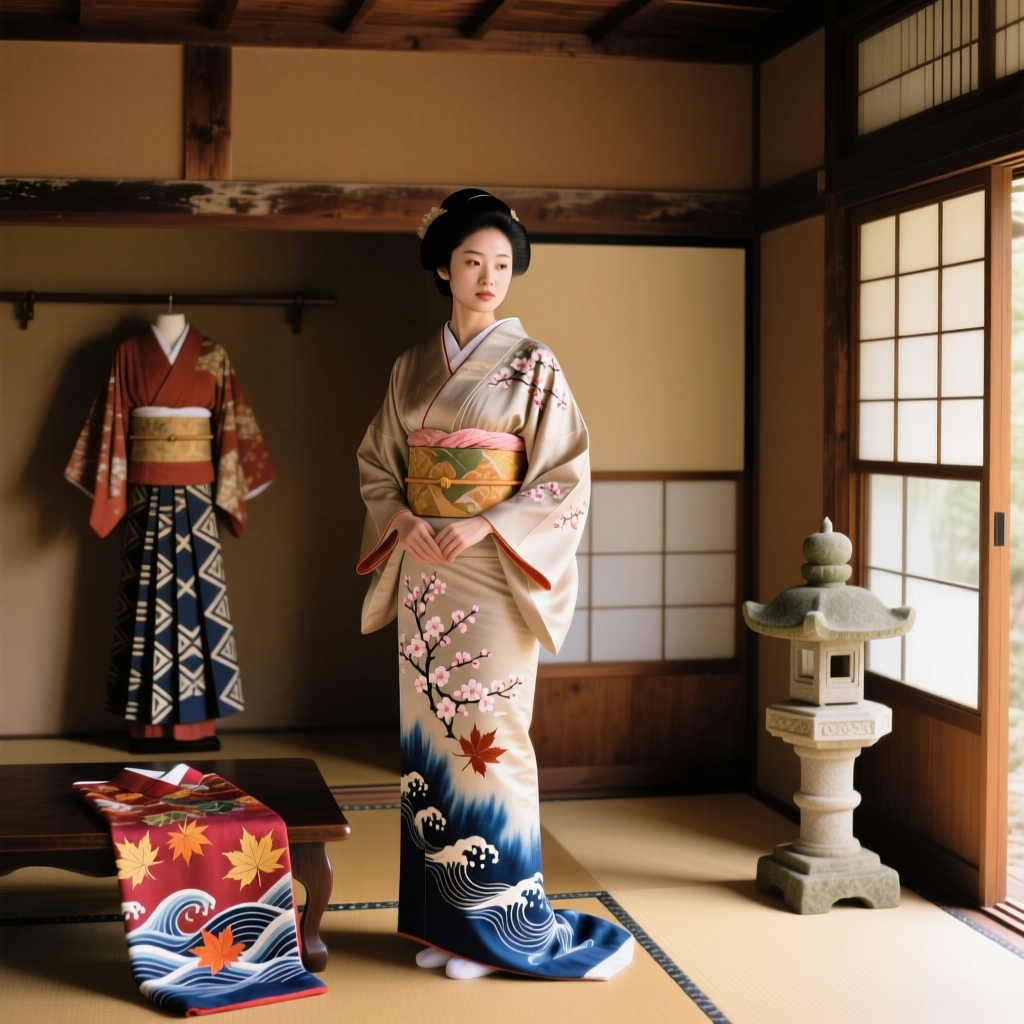
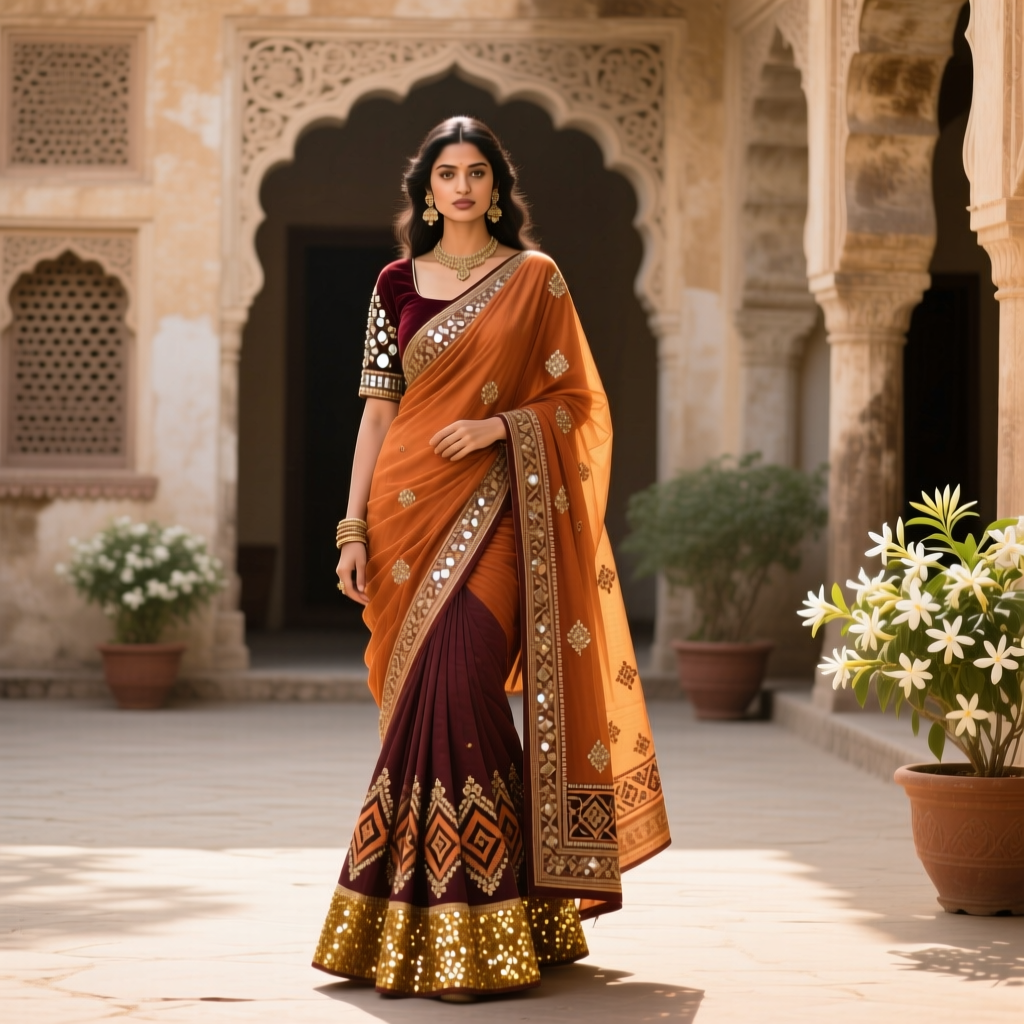
Traditional garments carry centuries of cultural heritage, but wearing them at modern events requires thoughtful styling. Whether you're attending a wedding, a corporate dinner, or a casual brunch, this guide shows you how to honor tradition while looking contemporary and confident.
Know the Occasion
Before choosing a traditional garment, consider the formality of the event. A heavily embroidered lehenga suits a wedding reception but would overwhelm a garden party. A simple ao dai works beautifully at a business luncheon. Match the formality of your garment to the occasion's dress code.
The Mix-and-Match Approach
One of the most effective ways to style traditional garments for modern settings is to pair them with contemporary pieces:
- A kimono jacket over a turtleneck and tailored trousers for a gallery opening
- A kente cloth scarf with a little black dress for a cocktail party
- A dirndl blouse tucked into high-waisted jeans for weekend brunch
- Embroidered huipil panels incorporated into a modern shift dress
Accessorize Thoughtfully
Traditional jewelry can elevate any outfit, but restraint is key. Choose one statement piece — a silver sølje brooch, beaded earrings, or an ornate hairpin — and let it be the focal point. Mixing too many cultural elements from different traditions can look confused rather than creative.
Fabric Care
Many traditional garments use delicate fabrics and natural dyes that require special care:
- Hand wash silk and handwoven cottons in cool water
- Never machine wash embroidered or beaded pieces
- Store heavy garments flat to prevent stretching
- Use acid-free tissue paper when storing for extended periods
Cultural Sensitivity
When wearing garments from a culture that is not your own, approach with respect and knowledge. Understand the garment's significance, support authentic artisans rather than fast-fashion copies, and be prepared to share what you've learned about the tradition with curious onlookers.