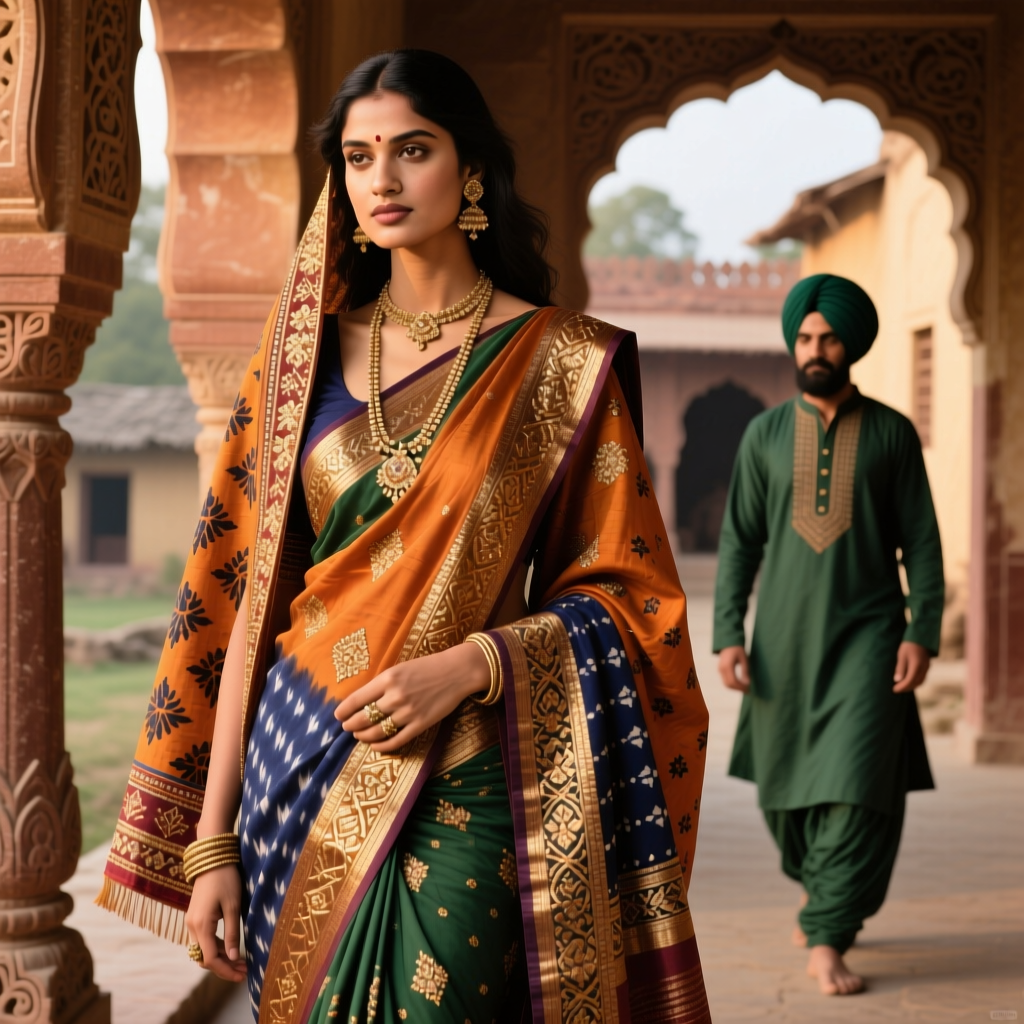
Beginner Guide to Natural Dye Techniques

The Ancient Art of Plant Color
Natural dyeing extracts color from plants, minerals, and insects to color fiber. Before synthetic dyes in 1856, every colored textile was naturally dyed. Today, the practice is reviving among fiber artists and sustainable fashion advocates who value the subtle, living colors of natural materials.
Essential Equipment
You need little to start: a stainless steel pot, thermometer, stirring stick, scale, and measuring tools. Start with accessible materials: onion skins (gold), black tea (tan), avocado pits (pink), turmeric (yellow), red cabbage (purple). Protein fibers (wool, silk) take dye more readily than cellulose (cotton, linen).
- Pot: stainless steel or enamel, dedicated to dyeing
- Mordant: alum for most colors
- Fiber: wool and silk easiest
- Dye materials: kitchen scraps first, then foraged plants
The Mordant Process
Most natural dyes require a mordant to bond dye to fiber. Alum is the safest and most common mordant. The process involves soaking fiber in warm alum solution for several hours before dyeing. Some dyes are substantive (bond without mordant), like walnut hulls.
Your First Dyeing Session
Start with onion skin yellow on wool. Collect skins, simmer for an hour, strain, add mordanted wool, simmer 45 minutes. Cool in the dye bath for deeper color. Rinse gently and dry flat. The result is a warm, lightfast yellow connecting you to thousands of years of tradition.