Zori, Geta, and Obi Accessories: A Complete Styling Guide
The Ecosystem of Kitsuke: Beyond the Silk
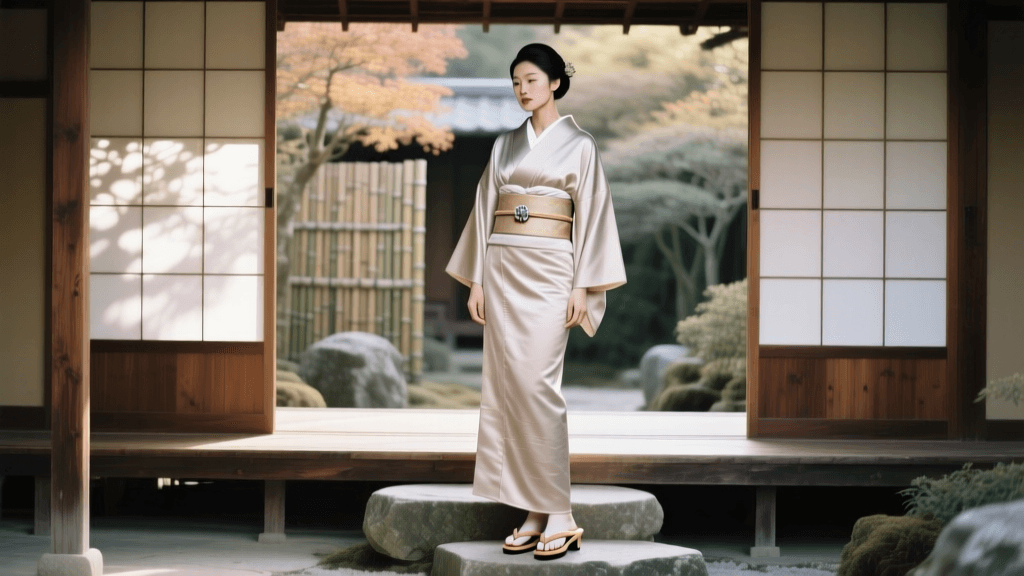
When most people think of traditional Japanese clothing, the mind immediately conjures images of flowing silk sleeves, vibrant Yuzen dyeing, and the dramatic sweep of a brocade obi. However, as any seasoned practitioner of kitsuke (the art of kimono dressing) will tell you, the garment itself is only the canvas. The true mastery of Japanese traditional dress lies in the meticulous selection and coordination of its accessories. From the grounding presence of traditional footwear to the intricate, jewel-like details that secure the obi, these elements dictate the formality, seasonality, and overall harmony of the ensemble.
According to cultural overviews provided by Japan Guide, the kimono ensemble is a complex layering system where every accessory carries historical weight and strict sartorial rules. Navigating the world of zori, geta, obijime, and obidome can be daunting for collectors, vintage enthusiasts, and modern wearers alike. This comprehensive guide will break down the essential kimono accessories, providing actionable advice on sizing, formality matching, and the subtle details that elevate a good outfit to a flawless one.
Footwear Fundamentals: Zori vs. Geta
Traditional Japanese footwear is broadly categorized into two main types: zori and geta. While both share the iconic thonged sandal design (the hanao), their materials, construction, and appropriate use cases are vastly different.
Zori: The Formal Standard
Zori are flat, thonged sandals that serve as the standard footwear for almost all formal and semi-formal kimono occasions. Modern zori are typically constructed with a synthetic leather or vinyl base, covered in brocade, tatami (woven rush), or enamel. The heel height of a zori is a primary indicator of its formality. Casual zori sit close to the ground (around 3 to 4 cm), while formal zori feature elevated, rounded heels that can reach 6 to 8 cm in height. For the most formal women's kimono, such as the kurotomesode, the zori are often covered in gold or silver brocade and paired with pristine white tabi socks.
Geta: Casual and Traditional Charm
Geta are elevated wooden clogs characterized by one or two 'teeth' (ha) on the underside. The clicking sound of geta on pavement is the quintessential audio backdrop of Japanese summer festivals. Geta are strictly casual and are almost exclusively paired with yukata (summer cotton kimono) or very casual wool and cotton everyday kimono (komon). Unlike zori, geta are rarely worn with formal silk garments. The hanao (thongs) of geta are often made of velvet or cotton and can be easily replaced when worn out.
Footwear Formality and Material Chart
| Feature | Zori | Geta |
|---|---|---|
| Primary Material | Vinyl, leather, brocade, enamel | Wood (Paulownia, Cedar, Hinoki) |
| Sole Construction | Flat, wedge, or stacked heel | Elevated wooden teeth (ha) |
| Formality Level | Semi-formal to Highly Formal | Strictly Casual |
| Paired Garments | Furisode, Houmongi, Tomesode, Komon | Yukata, Tsumugi, casual Komon |
| Tabi Requirement | White (formal) or colored (semi-formal) | Barefoot, colored tabi, or toe-socks |
Securing the Silhouette: Obijime and Obidome
If the obi is the structural anchor of the kimono, the obijime and obidome are its decorative crown jewels. These accessories are not merely ornamental; they serve a vital functional purpose in securing the complex knots of the obi.
Obijime: The Decorative Cord
The obijime is a braided silk cord tied over the center of the obi. Historically, before the invention of modern stiffeners and boards, thick cords were used to physically hold the heavy obi in place. Today, while the structural heavy lifting is done by hidden ties (koshihimo), the obijime remains as a crucial visual accent. Obijime generally come in two shapes:
- Maru-gumi (Round Cords): These are cylindrical and highly versatile. They are the standard for most formal and semi-formal occasions. A standard formal maru-gumi is about 13mm to 15mm in thickness.
- Hira-gumi (Flat Cords): These are flat, woven bands that sit flush against the obi. They are often used for slightly more casual silk kimono or specific seasonal aesthetics, providing a sleek, modern line.
Tying the obijime is an art in itself. The most common knot is the Awaji-musubi, a decorative, symmetrical knot that hides the ends of the cord neatly within its folds, creating a continuous, infinite loop that symbolizes longevity and good fortune.
Obidome: The Ornamental Clasp
The obidome is a small, decorative bead or clasp through which the obijime is threaded before being tied. Obidome are crafted from a staggering variety of materials, including carved coral, jade, tortoiseshell, cloisonné enamel, and even precious metals. The use of an obidome subtly shifts the formality of the obijime. A thick, highly formal obijime is typically worn without an obidome to showcase the intricate braiding of the silk. Conversely, a slightly thinner, semi-formal or casual obijime is often paired with an obidome to add a focal point of color and texture.
"The beauty of the kimono lies not just in the sweep of the silk, but in the deliberate restraint and focal points created by its accessories. A single obidome can change a garment from a springtime visit to a shrine to an autumn evening tea gathering."
Navigating Formality: Matching Accessories to the Occasion
As noted in the historical and cultural analyses by Encyclopedia Britannica, the evolution of Japanese dress is deeply tied to social hierarchy and occasion. Matching your accessories to the kimono's formality is the most critical rule of kitsuke.
Kurotomesode and Irotomesode (Married Women's Formal)
For the highest levels of formality, footwear must be gold, silver, or white brocade zori with a higher heel (5cm+). The obijime should be a thick, round maru-gumi in white, gold, or silver, tied without an obidome. Tabi must be pristine, unblemished white.
Furisode (Unmarried Women's Formal)
Furisode allows for more youthful exuberance. Zori can feature vibrant brocades, enamel finishes, or even decorative rhinestone accents on the heel. Obijime can be brightly colored to pick up secondary hues in the kimono's pattern, and tasteful, jewel-like obidome are highly encouraged.
Houmongi and Tsukesage (Semi-Formal)
These visiting kimono bridge the gap between formal and everyday elegance. Zori should be elegant but understated—perhaps a soft leather or a subtle woven tatami surface. Obijime in pastel or seasonal colors (like pale pink for spring or deep burgundy for autumn) paired with artisanal obidome (such as carved wood or ceramic) are perfect here.
Komon and Tsumugi (Casual / Everyday)
For casual patterned kimono (komon) or woven pongee silk (tsumugi), the rules relax significantly. Vinyl zori in matte colors are practical and stylish. Alternatively, wooden geta or setta (leather-soled sandals) can be worn. Obijime can be playful, featuring novelty braiding, and obidome can be whimsical, depicting animals, seasonal foods, or pop-culture motifs.
The Mathematics of Elegance: Sizing and Proportions
Unlike Western footwear, traditional Japanese sandals are not meant to enclose the foot. The sizing and fit of zori and geta follow a very specific aesthetic and practical philosophy.
Sizing Zori and Geta
Traditional footwear is sized in centimeters, typically ranging from 22.0 cm to 25.0 cm for women. The golden rule of zori fitting is that the heel should slightly overhang the back of the sandal. Ideally, your heel should extend about 1 to 2 centimeters past the back edge of the zori base. This is not a sizing error; it is a deliberate design choice. If the sandal is too long, the wearer will inevitably step on the back of the sandal with their other foot, or worse, step on the delicate silk hem of the kimono, causing tripping and fabric damage.
Fitting Tabi Socks
While zori require a slight overhang, tabi (split-toe socks) require a precise, glove-like fit. Tabi are sized strictly by foot length in centimeters. Because they are made of tightly woven cotton with no stretch, a tabi that is even half a centimeter too small will cause severe discomfort, while one that is too large will wrinkle around the ankle, ruining the sleek line of the leg. When purchasing vintage or antique tabi, always measure your foot from the back of the heel to the tip of the longest toe, and buy the exact corresponding size.
Proportion and the Hanao
The hanao (thong) of the zori or geta also plays a role in visual proportion. For formal zori, the hanao is usually thin and delicate, matching the base material. For casual geta, the hanao is thicker and wider. When replacing a worn hanao on a vintage pair of geta, ensure the width of the new velvet or cotton strap is proportional to the width of the wooden base; a thick strap on a narrow, elegant geta base will look clumsy and unbalanced.
Conclusion: Curating Your Accessory Wardrobe
Building a collection of kimono accessories is a rewarding journey into Japanese material culture. For the modern enthusiast or the vintage collector, the key is to start with versatile, high-quality basics: a pair of neutral-toned formal zori, a pair of classic wooden geta, a white maru-gumi obijime, and a selection of colorful semi-formal cords. Once these foundations are in place, you can begin to hunt for antique obidome, rare woven hira-gumi, and artisanal footwear that reflect your personal style. By understanding the strict rules of formality and the precise mathematics of sizing, you ensure that every time you step out in traditional dress, you are not just wearing a garment, but honoring a centuries-old sartorial legacy.