Hanfu Layering Guide: Undergarments and Structural Basics
The Philosophy of Inner and Outer in Traditional Chinese Dress
When exploring the rich tapestry of Asian traditions, few sartorial systems are as complex and deeply symbolic as traditional Chinese clothing, commonly known today as Hanfu. Unlike modern Western fashion, which often relies on single-piece garments or tailored structuring, Hanfu is fundamentally a layered system. The interplay between the inner layers (nei) and outer layers (wai) is not merely a matter of modesty or warmth; it is a structural necessity that dictates the drape, silhouette, and aesthetic harmony of the entire outfit. Understanding Hanfu undergarments and structural basics is the first step toward mastering this ancient art form.
The foundational rule of Hanfu layering is the concept of jiaoling youren (cross-collar, right lapel). This rule applies universally, from the innermost undergarments to the grandest outer robes. The left side of the collar must always cross over the right side, securing the garment. This structural baseline ensures that when multiple layers are worn, the nested collars create a visually pleasing, staggered effect known as die ling (layered collars), which is highly prized in traditional aesthetics.
The Core Foundation: Zhongyi and Zhongku
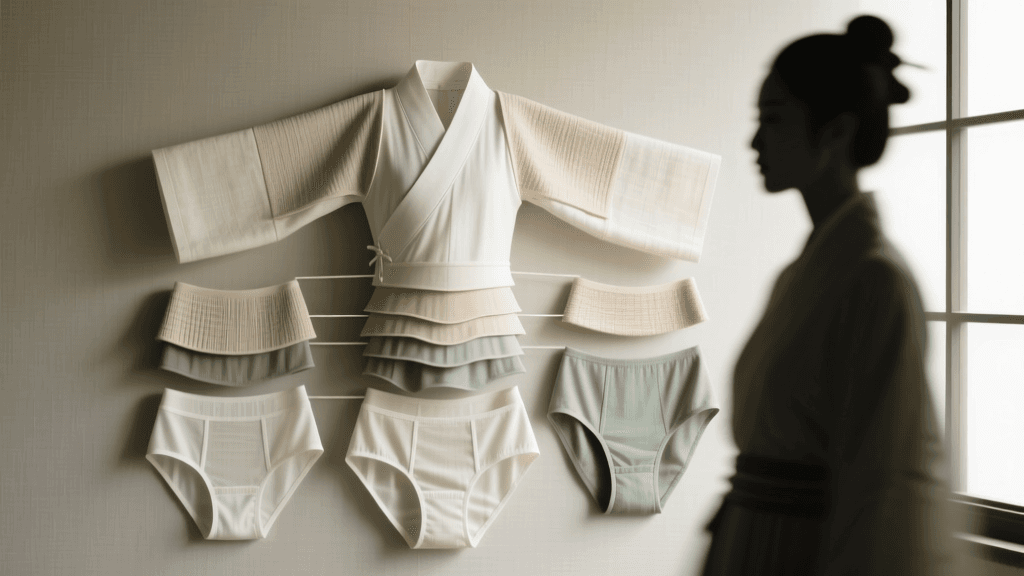
The bedrock of any authentic Hanfu ensemble is the zhongyi (inner shirt) and zhongku (inner pants). These garments serve a dual purpose: they protect the often-delicate and expensive outer silk layers from body oils and sweat, and they provide a smooth, opaque base that gives the outer garments their proper volume and drape.
Zhongyi (中衣): The Inner Shirt
The zhongyi is typically a cross-collared, long-sleeved top. While historically made from plain white or unbleached hemp and ramie, modern practitioners have a wider array of choices. For practical daily wear, a cotton or cotton-blend zhongyi is ideal due to its breathability and ease of washing. The collar of the zhongyi is usually slightly higher or stiffer than the outer garments, allowing it to peek out elegantly at the neckline.
- Sleeve Length: The sleeves of the zhongyi should be tailored to end exactly 2 to 3 centimeters before the cuff of your outer garment. This prevents the inner layer from bunching awkwardly at the wrists while ensuring no bare skin is exposed when raising your arms.
- Collar Construction: A well-made zhongyi features a reinforced collar band. This structural stiffness is vital; if the inner collar collapses, the outer layers will fold inward, ruining the crisp, geometric lines of the neckline.
Zhongku (中裤): The Inner Trousers
Before the widespread adoption of the horse-riding kuzhe (trouser-suit) in later dynasties, ancient Chinese undergarments for the lower body consisted of open-legged wraps or simple loincloths. Today, the zhongku is a fully constructed, wide-legged trouser. It features a high waist, secured by a drawstring or tie, and lacks the structured waistbands of modern pants. This flat-front design prevents bulkiness under the wrap skirts (qun) or outer robes, ensuring a smooth silhouette over the hips and stomach.
Chest Wraps and Modesty Layers
For women, the structural layering of the upper body requires specific foundational garments, particularly when wearing ruqun (blouse and skirt ensembles) or tangzhuang-inspired high-waisted skirts.
Moxiong (抹胸) and Dudou (肚兜)
The moxiong is a traditional chest binder or tube top that wraps around the bust and back, securing with ties or modern hook-and-eye closures. It provides a smooth foundation and ensures modesty, especially when wearing thin silk outer layers or garments with wide, open collars. The dudou, a diamond-shaped apron that ties around the neck and back, is another historical alternative, though the moxiong is generally preferred in modern Hanfu revivalism for its superior support and seamless integration under cross-collared tops.
Modern adaptations often incorporate breathable bamboo fibers or lightweight modal blends, costing between $12 and $25 USD, offering the historical silhouette without the restrictive discomfort of tightly wound historical linen binds.
Structural Accessories: Bixi and Dadai
Beyond the basic undergarments, Hanfu relies on structural accessories to anchor the garments and define the wearer's proportions.
- Bixi (蔽膝): Originally a functional apron to protect the knees, the bixi evolved into a highly decorative structural piece worn over the skirt and attached to the waistband. It adds visual weight to the lower half of the body and helps weigh down lightweight silk skirts, improving their drape and movement.
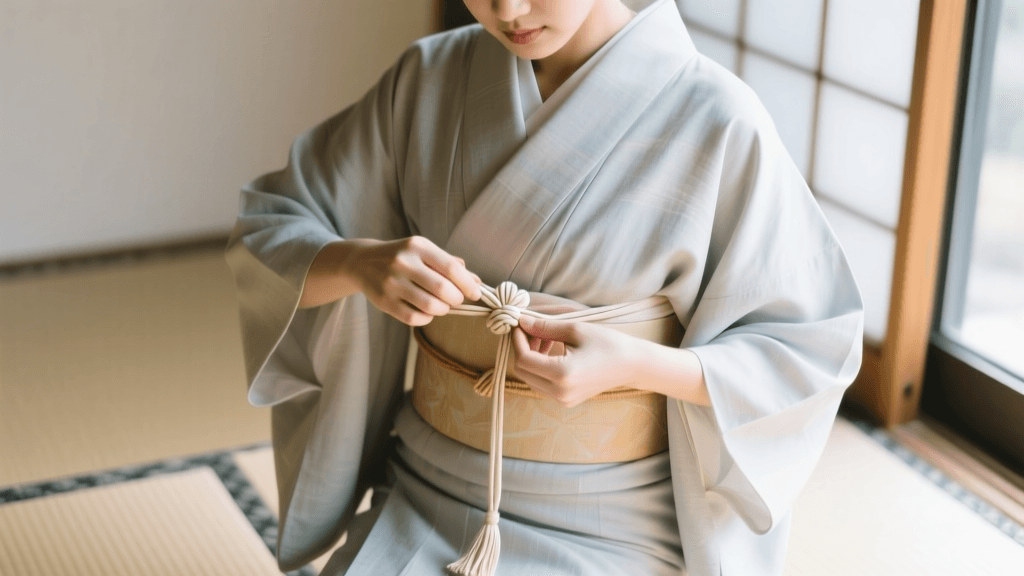
- Dadai (大带) and Waist Sashes: Hanfu lacks buttons, zippers, or modern fasteners. The entire structural integrity of the outfit relies on the waist sash. A proper dadai is wide and flat, distributing the weight of the heavy outer robes and skirts evenly across the waist. Tying techniques, such as the double-loop knot, are essential skills for securing the layers without creating uncomfortable pressure points.
Comparison Chart: Hanfu Layering System
To visualize how these elements come together, refer to the structural breakdown below:
| Layer Position | Garment Name | Primary Function | Recommended Fabric | Est. Cost (USD) |
|---|---|---|---|---|
| Base (Skin) | Moxiong / Dudou | Bust support, modesty, sweat absorption | Bamboo blend, Modal, Cotton | $12 - $25 |
| Inner (Upper) | Zhongyi | Collar structure, skin protection, warmth | Ramie (Summer), Brushed Cotton (Winter) | $18 - $35 |
| Inner (Lower) | Zhongku | Modesty, base volume, mobility | Linen, Cotton sateen | $15 - $30 |
| Outer (Lower) | Qun (Skirt) / Ku | Primary lower-body aesthetic and drape | Silk, Jacquard, Heavy Chiffon | $40 - $120+ |
| Outer (Upper) | Shan / Ao / Pao | Main visual layer, status, seasonal warmth | Mulberry Silk, Brocade, Wool | $50 - $200+ |
Seasonal Fabric Choices and Historical Context
The choice of undergarment fabric is deeply tied to China's diverse climates and historical textile production. According to the UNESCO Intangible Cultural Heritage records on Chinese sericulture, while silk was the premier fabric for outer layers and aristocratic dress, the inner layers were historically dominated by plant-based fibers.
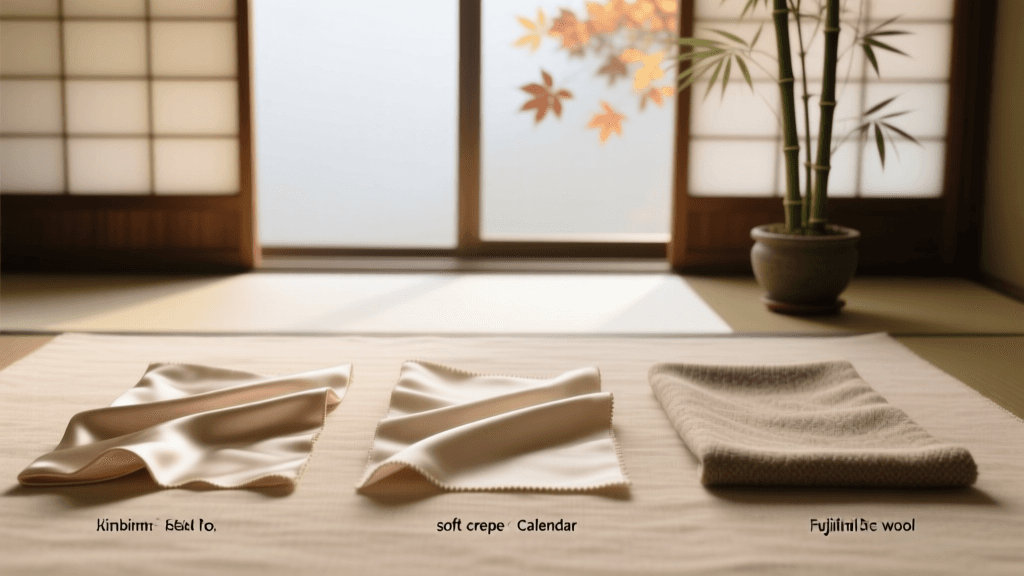
For summer months, xia bu (summer cloth), a finely woven ramie fabric, was the standard for zhongyi and zhongku. Ramie is highly breathable, moisture-wicking, and possesses a natural stiffness that helps maintain the structure of the collar even in high humidity. In contrast, winter undergarments utilized padded cotton or soft, brushed hemp blends to trap body heat beneath heavy brocade outer robes. Historical textile analysis from institutions like the Metropolitan Museum of Art reveals that the transition from hemp and ramie to widespread cotton usage for inner layers occurred gradually, becoming standard during the Ming and Qing dynasties as cotton cultivation expanded across the empire.
Practical Tips for Sourcing and Wearing
For those looking to build a structurally sound Hanfu wardrobe, modern e-commerce and specialized artisans offer unprecedented access to these garments. However, proper sizing and attention to detail are paramount.
- Measure the Neckline: When ordering a zhongyi, pay close attention to the neck circumference and the depth of the cross-collar. A collar that is too shallow will slide open, while one that is too deep will bunch uncomfortably against the throat.
- The 'Three-Seam' Rule: Traditional tailoring often aligns the seams of the inner and outer garments. Ensure that the shoulder seams of your zhongyi sit flush with your outer robe to prevent the fabric from twisting around your torso throughout the day.
- Invest in the Base: Do not skimp on the zhongyi. A $150 silk outer robe will look ill-fitting and drape poorly over a flimsy, poorly cut inner shirt. A high-quality, $30 structured cotton zhongyi will elevate the appearance of your entire ensemble.
Modern revivals often reference traditional garment structures documented by the National Museum of Asian Art, ensuring that contemporary adaptations maintain the integrity of historical silhouettes while accommodating modern comfort. By mastering the foundational layers—the humble zhongyi, the essential zhongku, and the structural waist sashes—you unlock the true elegance and architectural beauty of traditional Chinese dress.