The Kimono Fabric Care Calendar: Textile Weights & Seasonality
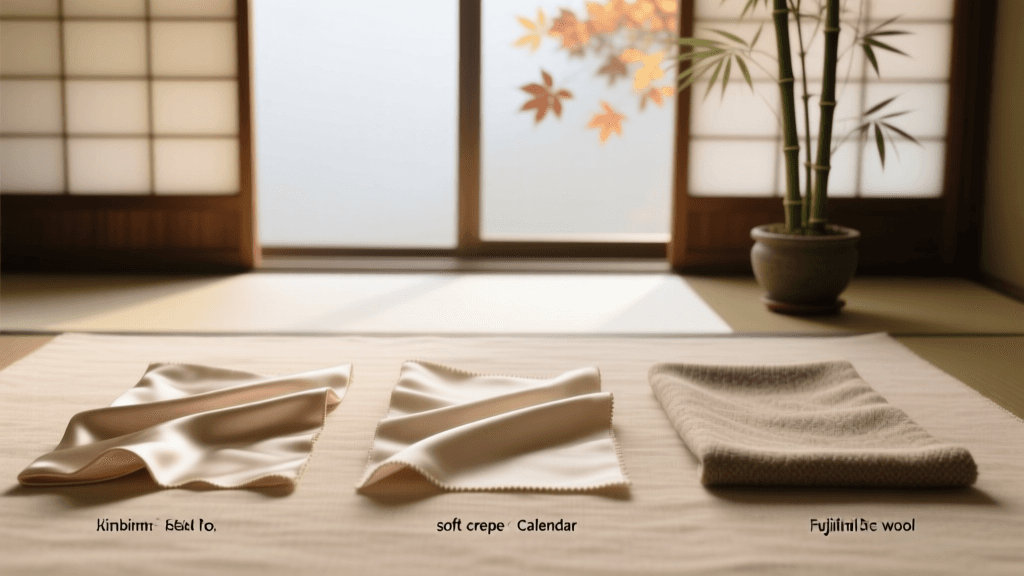
The Philosophy of Kisetsukan and Textile Weight
In the realm of traditional Japanese dress, the concept of kisetsukan (seasonal feeling) extends far beyond the mere selection of embroidered motifs or dyed patterns. It is deeply embedded in the physical architecture of the garment itself, dictating the precise textile weights, weaves, and lining structures worn throughout the year. As noted by the Metropolitan Museum of Art, the kimono is not merely a garment but a canvas reflecting the natural world and the precise turning of the seasons. However, this profound connection to nature demands a rigorous, year-round fabric care calendar to preserve the structural integrity of these delicate textiles.
Managing a traditional Japanese wardrobe requires an understanding of fiber behavior, environmental humidity, and the historical transition from unlined summer sheers to heavy, padded winter wools. Failure to rotate, air, and store these garments according to their specific textile weights can lead to irreversible damage, including silk shattering, permanent crease setting, and catastrophic moth infestations. This comprehensive guide outlines the definitive textile weight seasonality and fabric care calendar for collectors, practitioners, and cultural preservationists.
The Kimono Seasonality and Textile Weight Matrix
The Japanese kimono calendar is strictly divided by lining and weave density. The transition between these weights is not merely a matter of comfort, but of strict sartorial etiquette. Below is the foundational matrix for textile weight and seasonal rotation.
| Season / Months | Garment Type | Textile Weight & Weave | Care & Storage Focus |
|---|---|---|---|
| Winter (Nov - Apr) |
Awase (Lined) Do-gi (Padded) |
Heavy Chirimen (crepe silk), Tsumugi (pongee), Wool. High GSM, dense weaves. | Moth prevention, deep cleaning before storage, paulownia chest humidity control. |
| Spring/Autumn (May, Oct) |
Hitoe (Unlined) | Medium-weight silks, unlined crepe, lightweight wools. Moderate GSM. | Mushiboshi (airing out), inspection for creases, transition storage. |
| Early Summer (Jun - Mid Jul) |
Usugomo (Sheer) Yukata |
Lightweight plain weave silks, indigo-dyed cottons. Breathable, low GSM. | Sweat removal, collar cleaning, cotton washing, silk dry-cleaning. |
| Peak Summer (Mid Jul - Aug) |
Ro / Sha Katabira |
Leno weave silks (ro/sha), ramie, hemp. Ultra-sheer, structural drape. | Strict moisture control, specialized folding to prevent leno-weave snagging. |
Spring and Autumn: The Mushiboshi (Airing Out) Protocol
The transition months of late April to early May, and late October to early November, are dedicated to mushiboshi—the traditional practice of airing out garments. Because heavy winter awase (lined kimonos) and chirimen (crepe silk) absorb ambient moisture and body oils over the wearing season, they must be aired before being sealed away for the summer.
Actionable Protocol:
- Timing: Choose a dry, breezy day with low humidity (ideally between 45% and 55% Relative Humidity). Avoid direct sunlight, which causes rapid photodegradation and fading of natural dyes, particularly reds and purples derived from safflower and gromwell.
- Duration: Hang garments on specialized wide kimono hangers (emono-kake) in a shaded, well-ventilated room for 2 to 4 hours. Do not exceed 6 hours, as prolonged tension on the bias-cut silk can distort the grain.
- Inspection: While aired, inspect the hakkake (bottom hem) and eri (collar) for microscopic stains. Invisible amino acid stains from sweat will oxidize and turn yellow if stored for six months without professional spot-cleaning.
Summer Care: Managing Sheer Silks (Ro and Sha) and Yukata
Summer textiles present a unique conservation challenge. Ro and sha are woven using a leno (crossed-warp) technique that creates intentional gaps in the fabric for breathability. While beautiful, this open structure makes the silk highly susceptible to snagging and structural shifting if folded improperly while damp.
Moisture and Sweat Management: Summer wear requires immediate post-wear care. The inner collar (han-eri) absorbs the majority of sebum and sweat. For cotton yukata, home laundering is acceptable using cold water and a pH-neutral detergent specifically formulated for delicate fibers (such as Eucalan). However, summer silks must never be washed at home. Water causes chirimen and leno-weave silks to shrink unevenly, destroying the garment's precise dimensions.
If a summer silk kimono requires cleaning, utilize a specialized Japanese dry cleaner offering maru-arai (whole garment cleaning). This process uses gentle solvents that do not strip the silk of its natural sericin proteins. For vintage or heavily soiled garments, the traditional arai-hari method is required. This involves completely unpicking the kimono into its original flat fabric bolts (tanmono), washing them on wooden boards, drying them stretched on bamboo frames (shinshi), and re-sewing them. While maru-arai typically costs between $40 and $80 USD, arai-hari is a master artisan service costing $200 to $400 USD, but it effectively resets the textile's lifespan.
Winter Storage: Heavy Chirimen and Lined Awase
As autumn deepens, the wardrobe transitions to awase (lined kimonos). These garments consist of an outer layer of silk and an inner lining, often with a layer of silk floss wadding (kinu-wata) in the back and hem for insulation. The density of these layered textiles makes them prime targets for clothes moths (Tinea pellionella) and carpet beetles, which feed on keratin and protein fibers.
Conservation Storage Standards:
- The Tansu Chest: Ideally, heavy winter kimonos should be stored in a tansu (chest of drawers) made from solid Paulownia wood (kiri). Paulownia is naturally hygroscopic; it swells in high humidity to seal the drawers against moisture and shrinks in dry conditions to allow the wood to breathe. It also contains natural tannins that deter insects.
- Tatou-shi (Wrapping Paper): Never store silk directly against wood or plastic. Each folded kimono must be wrapped in tatou-shi, a specialized, acid-free, anti-moisture paper. According to conservation guidelines from the Victoria and Albert Museum, protein fibers like silk require strict climate control and should never be stored in sealed plastic bags, which trap off-gassing acids and promote mold growth.
- Moth Deterrents: Traditional shou-nou (natural camphor) is highly effective but possesses a strong odor that permeates the silk. Modern alternatives include pyrethrin-based, odorless kimono moth papers placed in the corners of the drawers. Never allow chemical mothballs to directly touch the fabric, as they can cause localized melting or chemical burns on delicate dyes.
Museum-Grade Storage and the Art of Folding
The way a kimono is folded dictates its survival. Unlike Western garments that are hung, kimonos are designed to be folded along straight, geometric seams. Hanging a heavy, lined winter kimono for extended periods will cause the shoulder seams to bear the entire weight of the garment, leading to irreversible silk shattering and warp-thread breakage.
The traditional folding method, hon-datami, aligns the seams perfectly, distributing the weight evenly and ensuring that no fold ever cuts across an embroidered or dyed motif. For extremely fragile, antique textiles (such as Edo-period kosode), museum conservators recommend rolling the garment around acid-free cardboard tubes padded with unbuffered, acid-free tissue paper, rather than folding. Rolling eliminates hard creases, which are the primary sites for fiber stress and eventual tearing.
Annual Maintenance Budget and Action Checklist
Maintaining a traditional kimono wardrobe is an ongoing financial and temporal investment. Below is a practical annual checklist and estimated budget for a collector maintaining a moderate rotation of 10 to 15 garments.
- April/May (Spring Transition):
- Perform mushiboshi on all winter awase.
- Spot clean collars and hems.
- Estimated Cost: $0 (DIY) to $150 (Professional spot cleaning for 3 garments).
- July/August (Peak Summer):
- Launder cotton yukata and washable synthetic summer washables.
- Send sheer ro and sha silks for maru-arai immediately after the season ends to prevent sweat oxidation.
- Estimated Cost: $50 (Home wash) to $200 (Dry cleaning 3-4 silks).
- October/November (Autumn Transition):
- Air out summer garments before long-term storage.
- Replace tatou-shi wrapping paper (should be replaced every 2-3 years).
- Restock odorless moth deterrents in the tansu.
- Estimated Cost: $40 for archival paper and deterrents.
- Bi-Annual Deep Restoration:
- Send one or two heirloom or heavily worn garments for arai-hari (complete disassembly and bolt-washing) to reset the fabric grain and remove decades of embedded soil.
- Estimated Cost: $300 - $500.
Conclusion: Preserving the Garment Atlas
The survival of traditional Japanese textiles relies entirely on the diligence of their caretakers. By respecting the inherent properties of the fibers—from the gossamer threads of summer ro to the dense, insulating weaves of winter tsumugi—collectors ensure that these garments remain vibrant, structurally sound, and historically accurate. Adhering to a strict textile weight seasonality and fabric care calendar is not merely a chore; it is an act of cultural preservation, safeguarding the intricate artistry of the Asian garment atlas for future generations.