Miao Batik and Pleated Skirts: A Sourcing and Styling Guide
The Wearable Archives of the Miao People
The Miao people, widely known in international contexts as the Hmong, represent one of China's most culturally vibrant and diverse ethnic minority groups. Concentrated primarily in the mountainous regions of Guizhou, Yunnan, and Hunan provinces, the Miao are globally celebrated for their extraordinary textile traditions. Historically lacking a widely adopted written script, the Miao transformed their garments into wearable archives. Every stitch, dye pattern, and silver motif encodes clan lineage, migration histories, and mythological epics. For collectors, fashion historians, and conscious consumers, acquiring and wearing authentic Miao clothing is not merely a fashion choice; it is an act of cultural preservation. This guide explores the intricate craftsmanship of Miao batik jackets and hundred-pleat skirts, providing actionable advice on sourcing, measuring, caring for, and styling these magnificent garments in the modern era.
Anatomy of the Traditional Miao Ensemble
A complete traditional Miao festival ensemble is a masterclass in layering, texture, and metallurgical artistry. While silver jewelry often captures the immediate attention of onlookers, the foundational textile garments are where the true generational knowledge resides.
The Indigo Batik Jacket (Ladv)
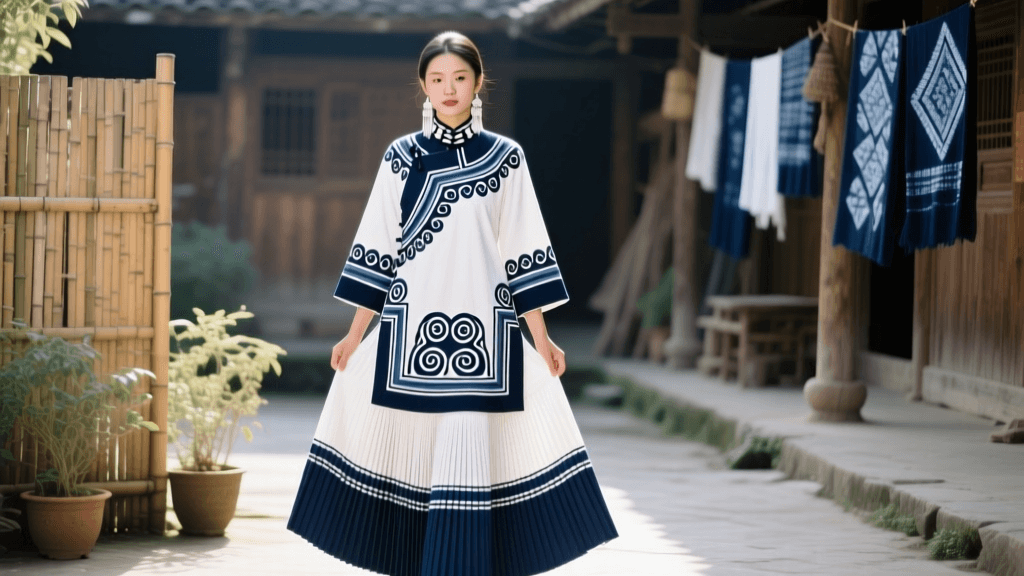
The Miao batik jacket, or ladv, is a marvel of resist-dyeing chemistry and artisanal patience. The process begins with spinning raw cotton or hemp into yarn, which is then woven on a traditional backstrap or floor loom. Artisans use a specialized brass-tipped tool called a ladao to apply melted beeswax directly onto the fabric, drawing intricate geometric patterns, stylized butterflies (the 'Butterfly Mother' of Miao mythology), and floral motifs. Once the wax sets, the fabric is submerged in a living indigo vat. This vat is a fermented mixture of indigo leaves, rice wine, and wood ash lye, requiring daily feeding and careful pH monitoring. The fabric is oxidized in the air, turning from yellow-green to a deep, rich navy blue. Finally, the wax is boiled off, revealing crisp, white patterns against the indigo background. The resulting jacket is typically cut in a boxy, cropped silhouette with wide, drop-shoulder sleeves, designed to sit perfectly above the heavily pleated skirt.
The Hundred-Pleat Skirt (Bai Zhe Qun)
The Bai Zhe Qun, or hundred-pleat skirt, is an engineering triumph of textile manipulation. A single skirt can require up to 4 to 6 meters of woven cotton or hemp, which is meticulously folded into hundreds of microscopic pleats, each measuring only 2 to 5 millimeters in depth. To ensure the pleats hold their shape permanently, artisans bind the skirt tightly with cotton thread and steam it for hours over a large cauldron. In some traditional villages, the pleats are further stiffened and sealed using a mixture of egg white, plant resins, or even ox blood, giving the skirt a distinct, structured bounce when the wearer dances. The skirts are usually knee-length or mid-calf, allowing freedom of movement while showcasing the elaborate cross-stitch and appliqué borders that often trim the hem.
Sourcing Authentic Garments: Costs, Measurements, and Timelines
Sourcing authentic Miao textiles requires navigating a market flooded with mass-produced, chemically dyed imitations. Whether you are a collector seeking a museum-grade antique or a fashion enthusiast looking for a modern artisan piece, understanding the pricing and production timelines is crucial.
| Category | Material & Dye | Price Range (USD) | Production Time | Best Use |
|---|---|---|---|---|
| Antique / Vintage (Pre-1980s) | Hand-spun hemp/cotton, natural fermented indigo, silk embroidery | $800 - $3,500+ | N/A (Sourced via dealers) | Archival collecting, framing, museum display |
| Modern Artisan (Commissioned) | Hand-woven cotton, natural indigo, traditional beeswax resist | $250 - $600 | 2 to 6 months | High-end fashion, cultural appreciation, ethical gifting |
| Commercial / Tourist Grade | Machine-woven cotton/poly blends, synthetic chemical indigo | $30 - $80 | Mass-produced (Days) | Casual costume, souvenir, fast fashion layering |
Measurement Guide for Custom Commissions
If you are commissioning a modern artisan in regions like Danzhai or Kaili to create a custom piece, precise measurements are vital, as traditional Miao cuts differ significantly from Western tailoring.
- Jacket Sizing: Miao jackets are inherently oversized and boxy. Measure your cross-shoulder width and add 5-8 cm for the traditional drop-shoulder effect. The sleeve length should be measured from the center back of the neck to the wrist, as the sleeves are cut in a single continuous piece with the bodice. The body length is typically cropped, ending 2-3 inches above the natural waistline.
- Skirt Sizing: You must provide your exact waist circumference and the desired drop length (traditional lengths are 45 cm to 60 cm). More importantly, specify the pleat depth. A 3mm pleat offers a fluid, heavy drape, while a 10mm pleat creates a stiffer, more structural bell shape.
Practical Guide: Caring for Indigo, Hemp, and Silver
Natural indigo and hand-woven hemp require specialized care to maintain their structural integrity and color depth. Furthermore, the heavy silver jewelry that accompanies these garments requires specific anti-tarnish protocols.
- Washing Indigo Batik: Natural indigo is prone to 'crocking' (color transfer). Always hand-wash batik garments in cold water using a pH-neutral, delicate detergent. Never use bleach or enzymatic cleaners, as they will strip the indigo and yellow the beeswax-resist cotton. Add a half-cup of distilled white vinegar to the final rinse to help set the dye and restore the fabric's pH balance.
- Drying and Storage: Never wring out a pleated skirt or batik jacket. Gently press the water out between two clean towels. Dry flat in a shaded, well-ventilated area. Direct UV sunlight will rapidly degrade natural indigo, turning it a dusty, faded grey. Store the pleated skirt rolled around a padded tube rather than folded, to prevent permanent creasing across the pleats.
- Silver Maintenance: Miao silver headdresses and necklaces can weigh up to 5 kilograms and are highly susceptible to sulfur-induced tarnishing. To clean intricate repoussé silverwork without abrasive polishing, line a glass basin with aluminum foil, add boiling water, a tablespoon of baking soda, and a pinch of salt. Submerge the silver for 3-5 minutes. The electrochemical reaction will lift the tarnish safely. Store silver in anti-tarnish flannel bags with silica gel packets to control humidity.
Modern Styling and Ethical Sourcing
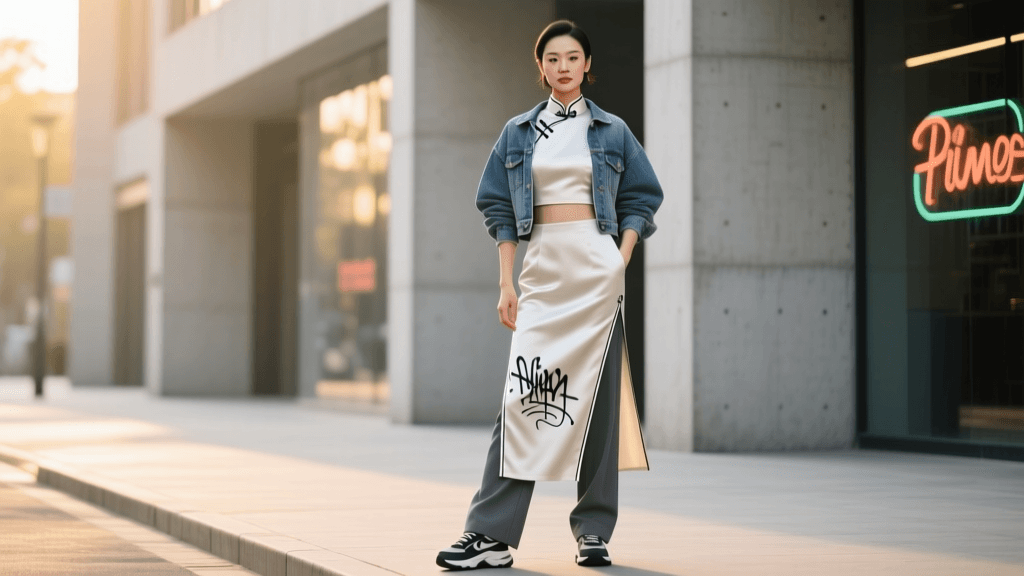
Integrating Miao garments into a contemporary wardrobe requires a respectful balance between honoring the garment's cultural weight and expressing personal style. A hand-dyed indigo batik jacket pairs beautifully with high-waisted, wide-leg linen trousers or a minimalist white silk slip dress, allowing the intricate geometric patterns to serve as the focal point of the outfit. For the pleated skirt, consider wearing it over opaque black tights with structured leather boots during the autumn months, bridging traditional ethnic craftsmanship with modern avant-garde silhouettes.
'The Miao do not have a traditional written script; instead, they write their history, mythology, and clan lineage directly onto their garments through the language of thread and indigo. To wear these textiles is to read the history of a resilient people.'
— Cultural Textile Historian
Ethical sourcing is paramount. The commercialization of ethnic minority crafts has historically led to the exploitation of rural artisans. When purchasing Miao textiles, seek out fair-trade cooperatives or NGOs that work directly with village artisans, ensuring that the profits support the continuation of the craft and the local economy. Organizations like the World Monuments Fund have actively worked to preserve the cultural landscapes and traditional architecture of Guizhou's Miao villages, recognizing that the survival of the textile arts is inextricably linked to the survival of the communities that produce them. Similarly, the broader context of Miao cultural expression, including the Miao Epic Songs recognized by UNESCO, highlights how deeply intertwined their textiles, music, and oral histories truly are. For those interested in the technical preservation of these fibers, the Metropolitan Museum of Art's resources on Chinese textiles offer invaluable insights into the conservation of historical Asian garments.
By choosing ethically sourced, authentically crafted Miao garments, collectors and fashion enthusiasts do more than acquire beautiful clothing; they become active participants in the safeguarding of one of Asia's most profound and enduring textile traditions.