The Kimono Legacy of Japan's Historical Fashion Icons

The Living Canvas of Japanese History
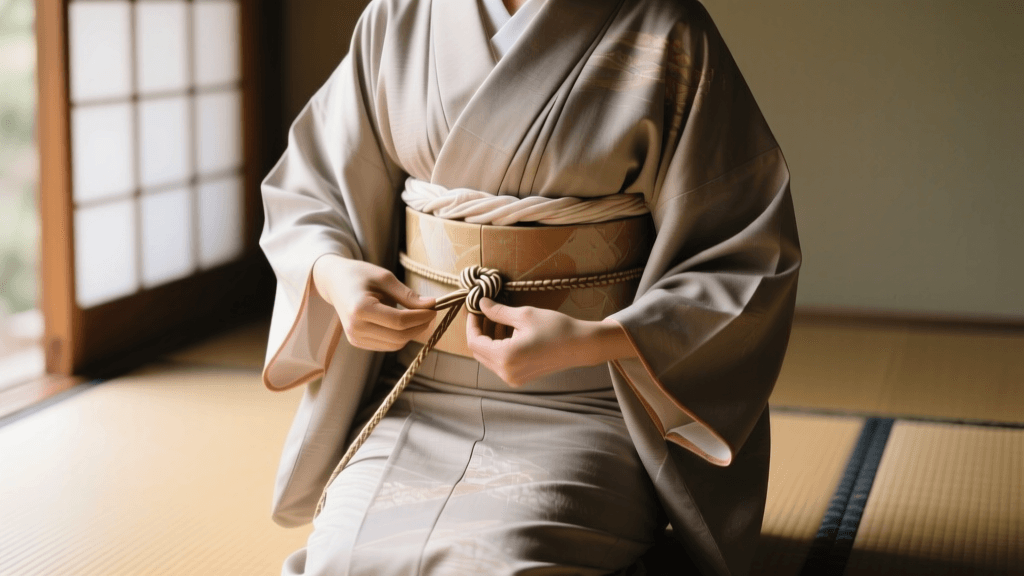
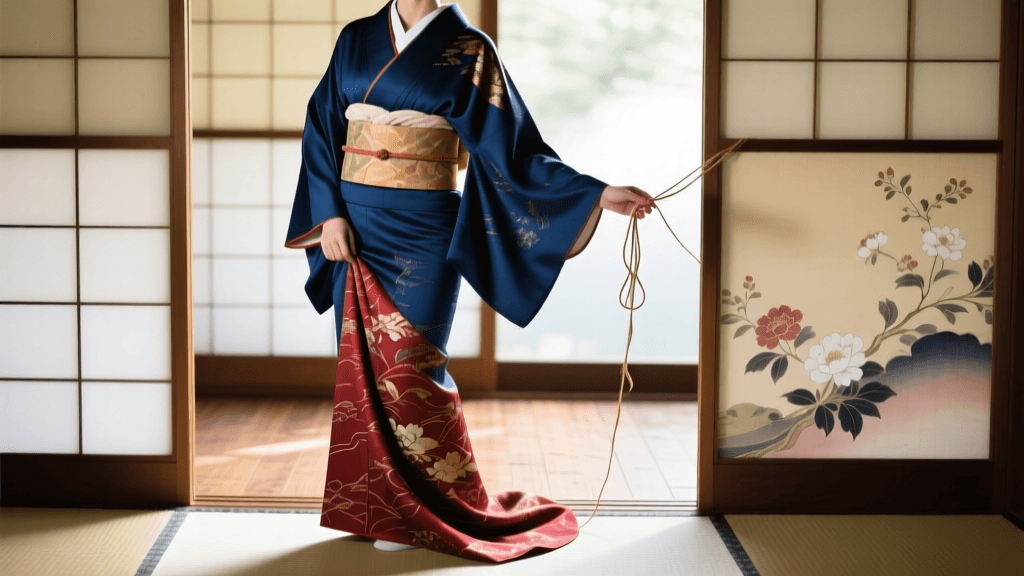
Japanese traditional clothing is not merely a static artifact of the past; it is a living, breathing canvas that has been continuously reshaped by the visionaries, rebels, and aesthetes of Japanese history. While the foundational structure of the kimono (and its predecessor, the kosode) has remained relatively consistent since the Edo period, the ways in which it is styled, layered, and dyed owe everything to specific historical icons. From the poetic courtiers of the Heian period to the rebellious performers of the Edo period, these figures established fashion legacies that modern kimono wearers still reference today. According to the Metropolitan Museum of Art, the evolution of Japanese dress is deeply intertwined with the social and cultural shifts driven by these prominent personalities. In this guide, we explore the sartorial legacies of three monumental figures and provide actionable, practical advice on how to integrate their historical aesthetics into a modern traditional wardrobe.
Murasaki Shikibu and the Heian Art of Layering
Murasaki Shikibu, the legendary author of The Tale of Genji (written in the early 11th century), was not only a literary genius but also an arbiter of Heian-period court fashion. The aristocratic women of her time wore the junihitoe, a complex, multi-layered ensemble that could weigh up to 20 kilograms. The true artistry, however, lay in kasane no irome—the poetic layering of colors. The visible edges of the sleeves and hems were meticulously coordinated to reflect the changing seasons, such as pairing a pale cherry-blossom pink over a crisp white to signify early spring.
Actionable Advice: Modern Kasane no Irome
While modern wearers rarely don the heavy junihitoe, the aesthetic of layered colors remains a cornerstone of formal kimono dressing. You can recreate Murasaki’s Heian elegance using a kasane-eri (layered false collar) or by carefully selecting your han-eri (decorative collar) and obijime (obi cord).
- Product: Purchase a silk-blend kasane-eri set. These feature two pre-attached collars designed to mimic the Heian layering effect without the bulk.
- Measurements: When adjusting the collar at the nape (eri-nuki), ensure exactly 1.5cm to 2cm of the underlying color is visible. This precise measurement mimics the subtle peek of the under-robe (kosode) seen in historical court paintings.
- Timing & Colors: For autumn, use a deep crimson outer collar with a golden-yellow under-layer (koyo or maple leaf theme). For spring, use a wisteria purple over a pale green.
- Cost: Authentic silk kasane-eri sets typically range from $40 to $75, while high-quality polyester alternatives (which are easier to clean) cost between $15 and $25.
Izumo no Okuni and the Birth of Kabuki Boldness
In the early 17th century, a shrine maiden named Izumo no Okuni revolutionized Japanese performance art and fashion by founding Kabuki theater. Okuni was a sartorial rebel. She famously cross-dressed, wearing bold, masculine kosode paired with eccentric, asymmetrical sashes and exotic imported textiles. Her style broke the rigid sumptuary laws of the early Edo period, introducing a vibrant, unapologetic aesthetic that celebrated high contrast, mixed patterns, and theatrical flair. Her legacy is the foundation of the bold, expressive kimono styles seen in modern komon (everyday patterned kimono) and yukata.
Actionable Advice: Edo-Period Rebellion in Modern Wear
To channel Okuni’s rebellious spirit, modern wearers can experiment with asymmetrical obi tying, high-contrast color blocking, and the mixing of traditionally gendered textiles.
- Product: Look for vintage Meisen kimono from the Taisho and early Showa eras. These garments feature bold, graphic, and sometimes asymmetrical patterns that directly descend from Okuni’s theatrical costumes. Alternatively, source modern Tango chirimen (silk crepe) yukata with oversized, abstract motifs.
- Measurements & Styling: Instead of the traditional, perfectly centered taiko musubi (drum knot) for the obi, opt for a bunko musubi (bow knot) tied slightly off-center to the left or right. Use an obijime cord that sharply contrasts with the obi—such as a bright vermilion cord over a deep indigo obi.
- Cost: Vintage Meisen kimono can be found at Japanese recycling shops or online exporters for $120 to $250. A modern, bold Tango chirimen yukata set will cost around $150.
Sen no Rikyu and the Wabi-Sabi Textile Aesthetic
Sen no Rikyu (1522–1591) is the historical figure most responsible for codifying the Japanese tea ceremony (chanoyu). Rikyu stripped away the ostentatious gold and heavy brocades favored by the warlord class, championing instead the philosophy of wabi-sabi—finding profound beauty in simplicity, imperfection, and natural materials. His fashion legacy is defined by subdued, earthy tones (specifically Rikyu-cha, a muted greyish-brown) and the elevation of humble, rustic textiles like Tsumugi (pongee silk) and Asa (hemp or linen) to the height of elegance.
Actionable Advice: Sourcing Tea Ceremony Textiles
Adopting Rikyu’s aesthetic requires a shift away from shiny, heavily embroidered silks toward matte, textured, and naturally dyed fabrics. This is the preferred aesthetic for attending tea ceremonies or visiting Zen gardens.
- Product: Invest in an Iromuji (solid color kimono) or a subtle Edo Komon dyed in Rikyu-cha (Rikyu brown) or Rikyu-nezumi (Rikyu grey). For summer, a high-grade Ojiya-chijimi (crepe linen) kimono is the ultimate expression of Rikyu’s cool, rustic elegance.
- Measurements: Tea ceremony kimono are often tailored with a slightly shorter sleeve drop (sode-take) of around 49cm (compared to the standard 55cm) to prevent the sleeves from dipping into the tea bowl or touching the tatami mats during the rigorous kneeling movements.
- Cost: Authentic Oshima Tsumugi or high-grade linen kimono are investments, typically ranging from $300 to $800. However, the cost-per-wear is exceptionally low due to their timeless, seasonless versatility.
Comparison Chart: Historical Aesthetics for Modern Wardrobes
The following table summarizes how to translate these three distinct historical legacies into a practical, modern kimono wardrobe.
| Historical Icon | Aesthetic Philosophy | Recommended Modern Garment | Key Accessory & Measurement | Estimated Budget |
|---|---|---|---|---|
| Murasaki Shikibu (Heian Court) | Kasane no Irome (Poetic Color Layering) | Formal Tsukesage or Houmongi | Kasane-eri (1.5cm - 2cm visible edge at nape) | $25 - $75 (Accessories) |
| Izumo no Okuni (Edo Rebel) | Bold Contrast & Theatrical Asymmetry | Vintage Meisen or Bold Komon | Off-center Bunko Obi (30cm width, contrasting cord) | $120 - $250 (Garment) |
| Sen no Rikyu (Tea Master) | Wabi-Sabi (Rustic Simplicity & Matte Textures) | Tsumugi (Pongee) or Asa (Linen) | Shorter Sode-take (49cm sleeve drop) in Rikyu-cha | $300 - $800 (Garment) |
Conclusion: Wearing History
Understanding the historical figures behind Japanese fashion transforms the act of wearing a kimono from a simple exercise in tradition into a profound dialogue with the past. Whether you are channeling the poetic layering of Murasaki Shikibu, the bold rebellion of Izumo no Okuni, or the quiet rustic elegance of Sen no Rikyu, you are participating in a continuous sartorial evolution. As highlighted by the Victoria and Albert Museum in their extensive research on Japanese dress, the kimono has always been a dynamic garment, shaped by the individuals who dared to wear it differently. By applying these historical techniques, measurements, and textile choices to your modern wardrobe, you ensure that the legacies of Japan's greatest fashion icons continue to thrive in the contemporary world.