A Guide to Kimono Fabrics: Nishijin-ori and Yuzen Dyeing
The Soul of the Silk: Woven vs. Dyed Kimono Textiles
The Japanese kimono is far more than a simple garment; it is a wearable canvas that reflects centuries of regional craftsmanship, seasonal awareness, and social etiquette. For collectors, enthusiasts, and practitioners of traditional Japanese dress (kitsuke), understanding the distinction between woven and dyed textiles is paramount. The two most revered techniques in the kimono textile hierarchy are Nishijin-ori (woven brocade) and Yuzen (resist-dyeing). While both utilize premium silk, their creation processes, visual impacts, formality levels, and price points differ vastly. This guide provides an in-depth, actionable analysis of these two premier kimono fabrics, equipping you with the knowledge to authenticate, purchase, and preserve these masterpieces.
Nishijin-ori: The Pinnacle of Japanese Brocade Weaving
Originating in the Nishijin district of Kyoto, Nishijin-ori is a traditional woven textile renowned for its intricate, multi-layered patterns and heavy, luxurious drape. Unlike dyed fabrics where the pattern is applied to a finished cloth, Nishijin-ori patterns are woven directly into the silk using pre-dyed threads. According to the Kyoto City Tourism Association, the creation of a single Nishijin textile involves over twenty distinct, highly specialized steps, often requiring the collaboration of multiple master artisans.
Craftsmanship and Characteristics
Nishijin weavers frequently employ Jacquard looms, a technology introduced to Japan in the late 19th century that revolutionized the complexity of woven patterns. Artisans use incredibly fine silk threads, sometimes incorporating kinran (gold leaf threads) and ginran (silver leaf threads) to create a raised, embossed effect. The resulting fabric is thick, stiff, and highly structured, making it exceptionally durable but less pliable than dyed silks.
- Primary Uses: While Nishijin-ori is occasionally used for full kimono (particularly for highly formal uchikake wedding robes or winter garments), it is most famously utilized for obi (the kimono sash). A high-quality Nishijin fukuro obi is the gold standard for formal wear.
- Cost Expectations: Authentic, newly woven Nishijin obi range from $800 for machine-assisted basics to over $15,000 for fully hand-woven pieces with pure gold leaf integration. Full Nishijin kimono can easily exceed $20,000.
- Formality: High. Gold and silver heavy brocades are reserved for weddings, tea ceremonies, and formal state events.
Yuzen Dyeing: Painting with Resist and Pigment
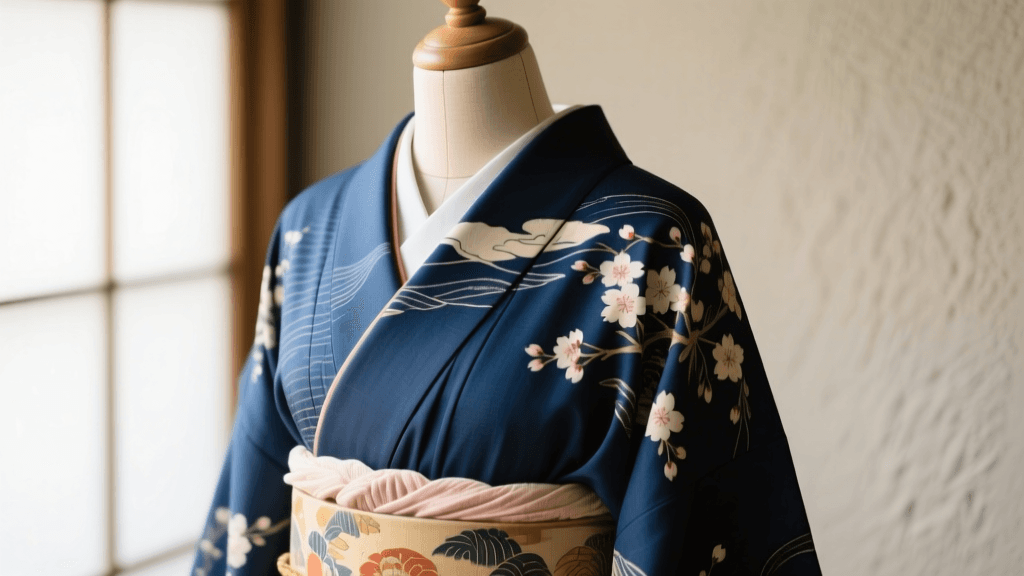
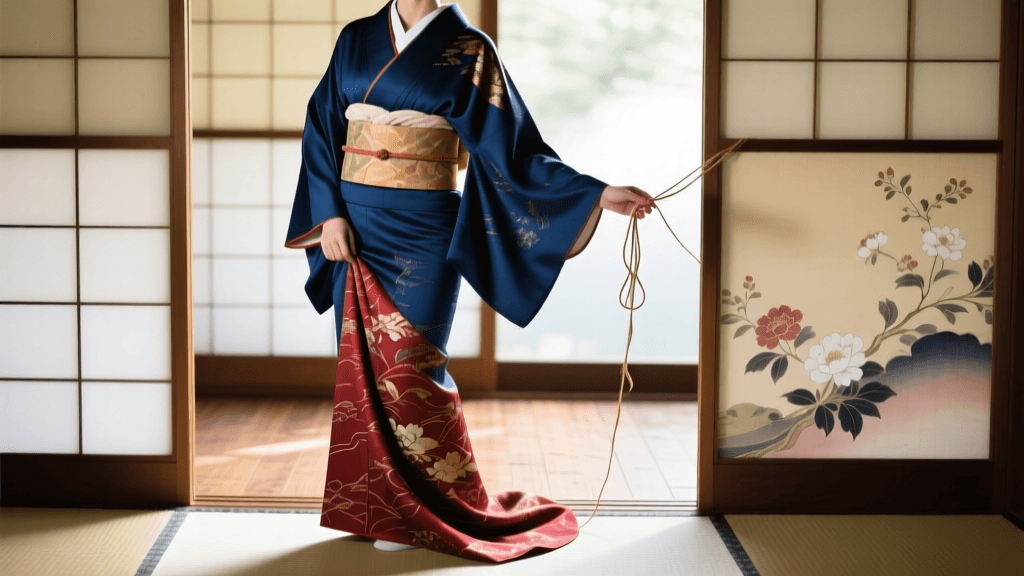
If Nishijin-ori is the architectural foundation of kimono textiles, Yuzen dyeing is its fine art gallery. Developed in the late 17th century by Miyazaki Yuzensai, this technique allows for the creation of sweeping, pictorial, and highly detailed designs that mimic traditional Japanese paintings. Yuzen relies on a rice-paste resist (itome-nori) applied to the silk to outline designs, preventing dyes from bleeding into one another when hand-painted.
Kyo-Yuzen vs. Kaga-Yuzen
There are two dominant regional styles of Yuzen dyeing, each with distinct aesthetic signatures:
- Kyo-Yuzen (Kyoto): Characterized by soft, elegant, and somewhat stylized motifs. It frequently employs pastel backgrounds, gold leaf accents (surihaku), and embroidery. The aesthetic is refined, aristocratic, and deeply tied to courtly traditions.
- Kaga-Yuzen (Kanazawa): As highlighted by the Kaga Yuzen Kimono Center, this style is famous for its kaga-gosai (five traditional colors: indigo, crimson, ochre, grass green, and deep purple). Kaga-Yuzen favors hyper-realistic botanical motifs, often featuring mushikui (insect-eaten leaves) to reflect the beauty of impermanence in nature. It rarely uses gold leaf or embroidery, relying entirely on the brushwork.
Collector's Tip: To authenticate hand-painted Yuzen, examine the reverse side of the fabric. The dye should penetrate deeply through the silk. Furthermore, look closely at the outline of the motifs; a genuine hand-applied rice-paste resist line will have slight, organic variations in thickness, unlike the uniform lines of modern stenciled or digital prints.
Comparative Analysis: Nishijin-ori vs. Yuzen
| Feature | Nishijin-ori (Woven) | Yuzen (Dyed) |
|---|---|---|
| Technique | Pre-dyed threads woven on Jacquard looms | Rice-paste resist and hand-painted pigments |
| Texture & Drape | Heavy, structured, stiff, embossed | Lightweight, fluid, soft, pliable |
| Primary Garment | Obi (sashes), Uchikake (wedding robes) | Kosode, Furisode, Houmongi (main kimono) |
| Average Cost (New) | $1,500 - $15,000+ (Obi) | $3,000 - $25,000+ (Kimono) |
| Seasonality | Best for Autumn/Winter (due to weight) | Year-round (adjusted by lining and motifs) |
Practical Guide: Sizing, Purchasing, and Costs
Acquiring a kimono requires precise measurements, as traditional garments are tailored to the individual's body and the way it will be folded and tied (o-hashori). When commissioning a bespoke Yuzen kimono or shopping for vintage pieces, use these formulas to ensure a proper fit.
Essential Measurements
- Mitake (Back Length): Calculated as (Height × 0.8) + 10cm. This allows for the standard fold at the waist.
- Yuki (Sleeve Length): Measured from the center of the back of the neck, over the shoulder, down to the wrist. Standard formula: (Arm span ÷ 2) + 2cm.
- Kuri-koshi (Shoulder Drop): A crucial measurement for women's kimono, dictating the drop from the neck to the shoulder seam to accommodate the nape of the neck. Usually ranges from 2cm to 3.5cm.
Navigating the Market
For those on a budget, the vintage market offers incredible value. A mid-20th-century Yuzen houmongi (visiting kimono) in excellent condition can be found for $150 to $500 at specialized recycle shops in Kyoto or Tokyo, or via verified online auction houses. However, always inspect the collar (eri) and hem (suso) for ground-in dirt and check for shimi (protein stains from sweat) which appear as yellowish-brown spots on aged silk.
Archival Care: Preserving Your Kimono Investment
Silk is a protein fiber highly susceptible to humidity, light, and acidic environments. As noted by the Victoria and Albert Museum, the preservation of historic silk garments requires strict environmental controls and specialized traditional maintenance techniques.
The Arai-Hari Process
Unlike Western garments, kimono are not dry-cleaned in the traditional sense. When a high-end Yuzen kimono requires deep cleaning, it undergoes arai-hari. The garment is entirely unstitched into its original flat fabric panels, washed gently in water with specialized mild detergents, stretched on bamboo frames (shinshi) to dry and realign the silk grain, and then re-sewn by a tailor. This process costs between $150 and $300 and should only be done every 10 to 15 years, or if severe staining occurs.
Proper Storage Solutions
Never store a silk kimono on wire hangers; the weight of the wet or heavy silk will distort the shoulders. Instead, fold the garment using acid-free tato paper. For long-term archival storage, invest in a kiribako (paulownia wood box). Paulownia is naturally fire-resistant, regulates internal humidity, and repels insects. A quality, unfinished Japanese kiribako costs between $100 and $400. Ensure the box is kept in a dark, climate-controlled room, and air out the kimono on a dry, breezy day twice a year (traditionally in the dry days of late autumn and early spring) to prevent mold and crease setting.
By understanding the profound differences between the structural majesty of Nishijin-ori and the pictorial elegance of Yuzen dyeing, collectors and wearers can make informed decisions that honor the legacy of Japanese textile artisans. Whether you are investing in a hand-woven brocade obi for a wedding or a delicate Kaga-Yuzen komon for a tea gathering, proper knowledge of craftsmanship, sizing, and care ensures these garments will survive for generations.