Neo-Qipao Fashion: Blending Cheongsam With Streetwear
The Rise of the Neo-Qipao in Modern Streetwear
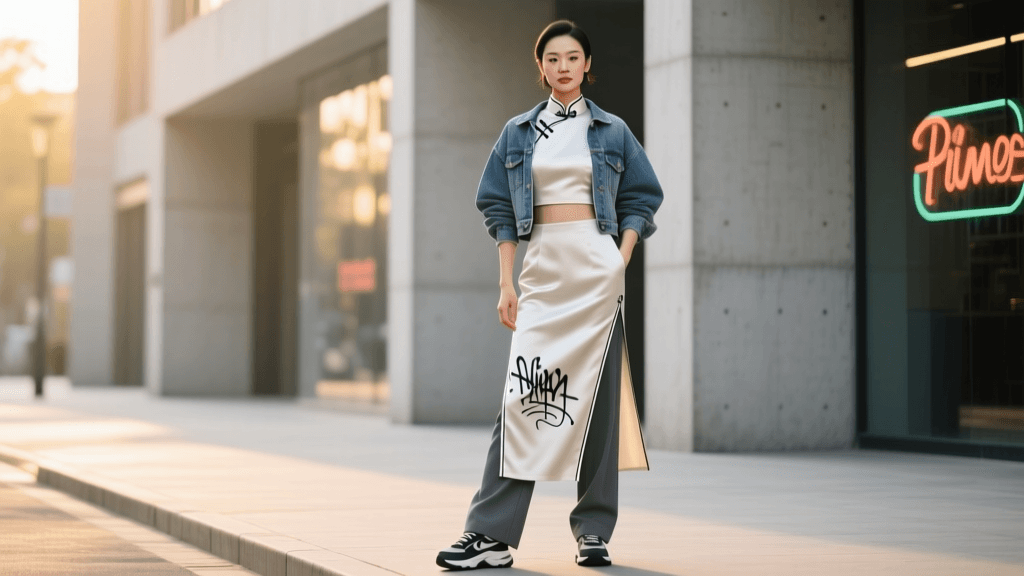
The traditional qipao (or cheongsam) has long been celebrated as the quintessential symbol of Chinese elegance, characterized by its form-fitting silhouette, high Mandarin collar, and intricate pankou (knotted button) closures. Originating in the cosmopolitan hub of 1920s Shanghai, the garment was historically a marker of modernity and femininity. However, as global fashion evolves, so too does this iconic piece of heritage clothing. Today, the neo-qipao has emerged as a dominant force in Asian streetwear, blending centuries-old tailoring techniques with the rebellious, utilitarian aesthetics of contemporary urban fashion.
This modern renaissance is heavily driven by the Guochao (national trend) movement, a cultural phenomenon where young Chinese consumers actively seek out domestic brands and traditional motifs reimagined through a modern lens. According to industry analysis by Vogue Business, the Guochao trend is fundamentally reshaping the fashion landscape, proving that heritage garments can be seamlessly integrated into everyday streetwear without losing their cultural gravity. The neo-qipao is no longer reserved for weddings or Lunar New Year banquets; it is being worn with chunky sneakers, oversized cargo pants, and techwear harnesses on the streets of Beijing, Tokyo, and New York.
Deconstructing the Neo-Qipao: Key Design Elements
To successfully fuse the cheongsam with streetwear, contemporary designers deconstruct the traditional garment, altering its proportions, fabrics, and hardware. The rigid, body-conforming silk of the mid-century qipao is replaced with structured denim, ripstop nylon, and heavy cotton canvas. Here is how the core elements are adapted for the streets:
- The Mandarin Collar (Yuanlingbao): While traditional collars are stiff and snug, neo-qipao collars are often lowered, softened, or entirely detached to allow for layering over turtlenecks or hoodies.
- The Pankou Knots: Hand-woven frog closures are swapped for industrial YKK zippers, snap buttons, or utilitarian carabiner clips, bridging the gap between heritage craftsmanship and techwear functionality.
- The Slit (Kaicha): The traditional thigh-high slit is modified for urban mobility. Streetwear adaptations often feature asymmetrical zippers along the slit, allowing the wearer to adjust the opening for layering over wide-leg trousers or bike shorts.
- The Silhouette: The restrictive hourglass shape is abandoned in favor of dropped shoulders, boxy crop-tops, and oversized A-line midi dresses that prioritize comfort and dynamic movement.
Traditional Cheongsam vs. Neo-Qipao Streetwear
Understanding the structural differences between the heritage garment and its modern iteration is crucial for styling and tailoring. The following comparison chart highlights these evolutionary shifts:
| Feature | Traditional Cheongsam | Neo-Qipao Streetwear |
|---|---|---|
| Fit & Silhouette | Form-fitting, tailored darts, hourglass | Boxy, oversized, dropped shoulders, cropped |
| Primary Fabrics | Silk brocade, satin, velvet, Xiangyunsha | Heavy denim, ripstop nylon, canvas, neoprene |
| Closures | Hand-made silk Pankou (frog knots) | Industrial zippers, snap buttons, velcro |
| Length & Slit | Calf or ankle-length; high thigh slits | Mini, asymmetrical midi; zipped or snap slits |
| Styling Context | Formal events, banquets, traditional ceremonies | Daily streetwear, festivals, clubbing, casual |
Practical Styling Guide: Fusing East and West
Integrating a neo-qipao into a modern wardrobe requires a balance of proportions. The goal is to let the heritage elements shine while grounding the outfit in contemporary streetwear staples. As noted by the South China Morning Post, Gen Z consumers are leading this charge, treating the qipao top as a versatile layering piece rather than a standalone dress. Here are three actionable styling formulas:
1. The Cyberpunk Techwear Look
Pair a black, water-resistant ripstop nylon neo-qipao mini-dress with high-waisted, multi-pocket cargo pants. Leave the lower snap buttons of the qipao open to reveal the trousers. Complete the look with a chest rig harness, chunky platform combat boots, and silver hardware accessories. This look thrives on the contrast between the sleek, high-collar neckline and the aggressive, utilitarian lower half.
2. The Vintage Skater Fusion
Opt for a cropped, heavyweight denim neo-qipao top with a relaxed, dropped-shoulder fit. Layer it over a sheer, long-sleeve mesh turtleneck. Pair with baggy, puddle-hem denim jeans and classic skate shoes like the Nike SB Dunk or Vans Knu-Skool. The rigid denim of the qipao echoes the durability of skate culture, while the pankou knots provide a striking visual focal point.
3. High-Fashion Minimalist
Choose an asymmetrical, A-line neo-qipao midi dress in a muted tone like slate grey or olive green, crafted from a structured cotton-linen blend. Belt the waist with a thick, Western-style leather corset belt to create a modern silhouette. Finish with sleek, pointed-toe ankle boots and an oversized, tailored wool blazer draped over the shoulders. This look is perfect for creative workspaces or evening gallery openings.
Tailoring Your Neo-Qipao: Measurements and Costs
While ready-to-wear (RTW) options are abundant on platforms like Taobao and Depop, commissioning a bespoke neo-qipao allows for precise fusion tailoring. If you are visiting a tailor in Shanghai’s South Bund Fabric Market or working with an independent Western-based Asian tailor, you must provide specific measurements that differ from traditional dressmaking.
Crucial Measurements for Streetwear Fits:
- Shoulder Drop: Specify a 2-4 inch drop from your natural shoulder line to achieve the relaxed, streetwear drape.
- Slit Placement: For streetwear, the slit should begin 15-20 cm above the knee (rather than the upper thigh) to accommodate layering over pants without overexposure.
- Bust and Waist Ease: Request 4-6 inches of positive ease in the bust and waist to ensure the garment does not cling to the body, maintaining the boxy, modern silhouette.
Cost and Timing Breakdown:
- Indie RTW Brands (Taobao/Etsy): $80 - $250 USD. Immediate shipping, but limited to standard sizing and pre-selected synthetic blends.
- Mid-Tier Independent Designers: $300 - $600 USD. Features premium fabrics like organic cotton or upcycled denim. Production time is typically 3-4 weeks.
- Full Bespoke Tailoring (Shanghai/Hong Kong): $400 - $1,200+ USD depending on fabric (e.g., imported Japanese selvedge denim or heritage Xiangyunsha silk). Requires 2-3 fittings and a 4-6 week turnaround time.
Sourcing Authentic Neo-Qipao Brands
For those looking to invest in designer pieces that masterfully bridge the gap between heritage and modernity, several contemporary labels are leading the charge. According to insights from The Business of Fashion, the rise of Chinese cultural pride has given birth to a new tier of luxury and streetwear brands that respect traditional craftsmanship while pushing avant-garde boundaries.
Samuel Guì Yang is a standout label that frequently incorporates the Mandarin collar and subtle qipao closures into sharp, Western-style suiting and utilitarian jackets. His 'Lee Jacket' often features the angular lines of a cheongsam but is cut like a modern workwear piece. Ms MIN offers a more romantic, high-fashion approach, blending traditional Chinese brocades with modern streetwear silhouettes like oversized bomber jackets and wide-leg trousers. For accessible streetwear, brands like RANDOMEVENT and ATTEMPT frequently drop seasonal collections featuring qipao-inspired tops crafted from technical, weather-resistant fabrics.
Caring for Fusion Fabrics
The intersection of traditional aesthetics and modern fabrics requires specific care routines to maintain the garment's structural integrity. If your neo-qipao is crafted from heavy denim or canvas, avoid frequent machine washing, which can degrade the stiff interfacing used in the Mandarin collar. Instead, spot clean with a damp cloth and a mild detergent, and hang dry in a shaded, well-ventilated area.
For neo-qipaos featuring hybrid materials—such as a silk-brocade bodice with cotton-linen sleeves—dry cleaning is highly recommended to prevent differential shrinkage. Always store the garment on a wide, padded hanger to maintain the dropped-shoulder silhouette, and never fold the collar, as this will permanently crease the stiffened inner lining. By treating your neo-qipao with the same respect as a heritage artifact and the same practicality as a streetwear staple, you ensure it remains a versatile cornerstone of your modern wardrobe for years to come.