Navigating Hanfu Conventions: A Guide to Community Meetups
The Rise of Offline Hanfu Communities
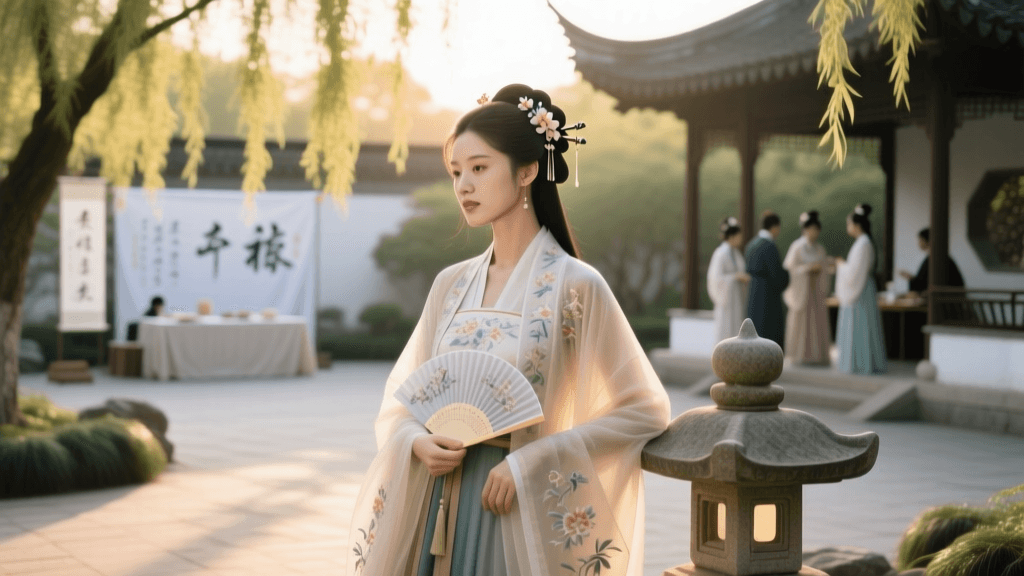
Over the past decade, the Hanfu movement has evolved from niche online forums and e-commerce hauls into a vibrant, real-world cultural phenomenon. What began as a digital revival of traditional Chinese clothing has blossomed into massive offline gatherings. The crown jewel of these events is the annual Xitang Hanfu Culture Week in Zhejiang Province, China, which draws hundreds of thousands of enthusiasts to its lantern-lit streets, traditional archery ranges, and historical parades. Meanwhile, diaspora communities worldwide—from the New York Hanfu Movement to the London Hanfu Society—regularly organize botanical garden meetups, museum tours, and tea ceremony workshops.
Attending a Hanfu convention or local meetup is an unforgettable way to immerse yourself in Asian traditions, but it requires careful preparation. Navigating crowds, managing complex garments, and understanding community etiquette can be daunting for first-timers. This comprehensive guide will help you select the right silhouette, pack an emergency kit, and engage respectfully with the global Hanfu community.
Choosing the Right Silhouette for the Venue
Not all Hanfu is created equal when it comes to mobility. While a sweeping Tang Dynasty gown looks spectacular in a studio portrait, it can become a tripping hazard during a crowded outdoor parade. When selecting your outfit for a convention, consider the venue, the weather, and the amount of walking involved. Below is a comparison of popular silhouettes and their practicality for community events.
| Silhouette | Historical Era | Mobility & Comfort | Best Event Type | Styling & Packing Tip |
|---|---|---|---|---|
| Mamianqun (Horse-face Skirt) | Ming Dynasty | High (A-line, easy to walk) | Outdoor parades, city meetups, travel | Use skirt pleat clips ($5-$10) for transit to preserve the knife pleats; pair with modern knitwear for a Hanyuansu look. |
| Qixiong Ruqun (Chest-high) | Tang Dynasty | Low (Prone to slipping) | Indoor banquets, static photo shoots | Bring double-sided fashion tape and a textured moixiong (strapless top) for grip. Avoid wearing in high winds. |
| Yuanlingpao (Round-collar Robe) | Tang / Ming | Medium (Requires belt/boa) | Formal ceremonies, stage performances | Steam heavily before wearing; requires a sturdy traditional leather or silk belt to hold the heavy fabric securely. |
| Beizi (Long Outer Jacket) | Song Dynasty | Very High (Lightweight, open front) | Summer meetups, casual park gatherings | Layer over a simple camisole and pleated skirt. Made of lightweight chiffon or linen, it is highly breathable. |
The Ultimate Hanfu Convention Packing List
A successful convention experience hinges on your emergency kit. Traditional garments often lack modern conveniences like zippers, pockets, and elastic waistbands. Here is an actionable packing list featuring specific essentials to keep your outfit flawless from morning until the final evening banquet.
Garment Care and Wardrobe Malfunctions
- Portable Handheld Steamer ($25-$40): Essential for Mamianqun pleats and Yuanlingpao collars. Hotel irons often burn delicate synthetic brocades or crush silk weaves. A compact travel steamer is a non-negotiable convention item.
- Silicone-Grip Moixiong ($15-$25): The strapless inner top is the foundation of many Tang and Song silhouettes. Ensure yours has a silicone grip lining to prevent the heavy outer skirts from dragging it down.
- Double-Sided Fashion Tape & Safety Pins: Crucial for securing overlapping collars (jiaoling) and keeping chest-high skirts anchored to your inner garments.
- Pleat Clips or Binder Clips: When traveling to the venue, clip the pleats of your Mamianqun together at the hem and the waist. Remove them only when you arrive to ensure the skirt looks freshly pressed.
Footwear and Weather Gear
- Cloud Shoes (Yunxie) or Hidden Wedges: Traditional embroidered shoes offer zero arch support. For a convention where you will easily exceed 15,000 steps, invest in modern cloud shoes with memory foam insoles, or wear traditional uppers attached to hidden wedge sneakers ($40-$60 online).
- Oilpaper Umbrella ($20-$35): Not only does this serve as a stunning photography prop, but a genuine tung-oil coated paper umbrella provides excellent protection against sudden rain showers and harsh UV rays during outdoor parades.
- Anti-Chafe Balm and Blister Patches: The friction from heavy skirt waistbands and stiff collars can cause irritation over a 10-hour event day.
Etiquette, Photography, and Historical Accuracy
The Hanfu community is incredibly welcoming, but as the movement has grown, so have discussions surrounding historical accuracy and event etiquette. Understanding the nuances of community culture will ensure you have a respectful and enjoyable experience.
Navigating the 'Hanfu Police' and Historical Accuracy
In the early days of the revival, strict adherence to historical accuracy was heavily policed by veteran enthusiasts. Today, the community is much more inclusive, broadly categorizing attire into three buckets: strict historical reproduction, Hanfu-inspired daily wear (Hanyuansu), and fantasy/Xianxia wear. If you are attending a formal cultural week or a museum meetup, lean towards historically accurate silhouettes. For casual park gatherings, Hanyuansu is widely celebrated. To better understand the historical context of Chinese dress and avoid anachronisms, enthusiasts frequently consult resources like The Metropolitan Museum of Art's Heilbrunn Timeline of Art History, which provides authoritative breakdowns of dynastic silhouettes and textile evolution.
Photography and Consent
Hanfu conventions are a photographer's paradise, but it is vital to remember that attendees are not professional models. Always ask for explicit consent before taking close-up photographs of someone's outfit or makeup. If you see someone adjusting their hairpins or fixing a slipped collar, lower your camera. Furthermore, when complimenting an outfit, try to use specific terminology—praising the 'daji' (large sleeves) or the 'zhuanghua' (woven brocade) shows a deep appreciation for the craft. The intricate weaving techniques showcased at high-end meetups are meticulously preserved and documented by global institutions, such as the Victoria and Albert Museum's Chinese Collections, which highlight the mastery of traditional silk and metallic thread weaving.
Making the Most of Your First Meetup
Once you are dressed and packed, the final step is to actively participate. Hanfu conventions are not just fashion shows; they are immersive cultural festivals. Seek out the workshop tents where master artisans teach traditional intangible cultural heritage skills. You might find yourself learning the basics of Chinese knotting, trying your hand at woodblock printing, or participating in a traditional 'Touhu' (pitch-pot) game.
If you are attending a local diaspora meetup, volunteer to help with group choreography or offer to hold reflectors for amateur photographers. The Hanfu community thrives on mutual support and a shared passion for reviving Asian traditions. By preparing your garments thoughtfully, respecting the historical roots of the clothing, and engaging warmly with fellow enthusiasts, your first Hanfu convention will be the beginning of a lifelong cultural journey.