How To Style Traditional Kimono For Anime Cosplay Events
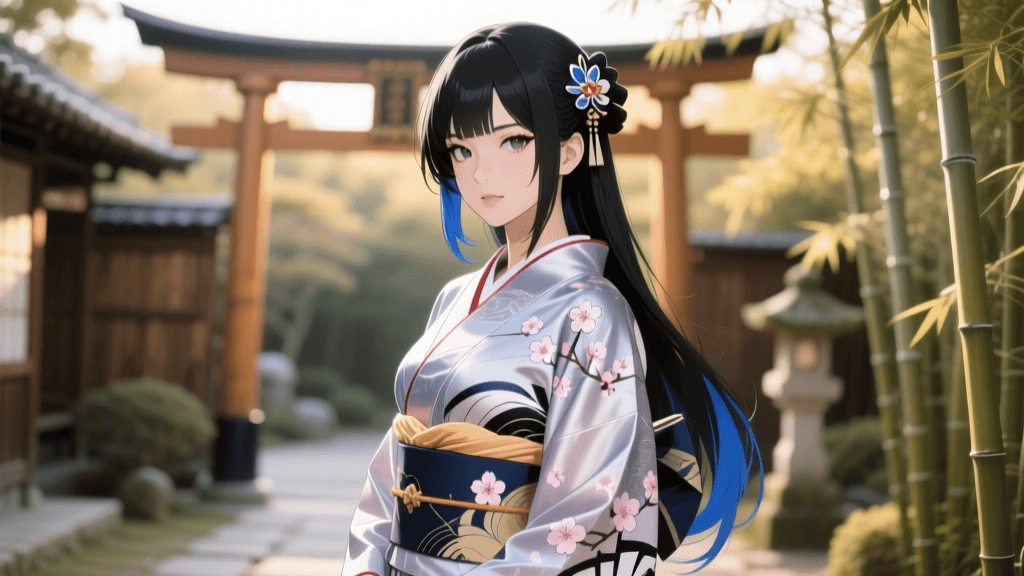
The Intersection of Otaku Culture and Traditional Garments
The global explosion of Japanese anime and manga has fundamentally transformed the landscape of cosplay. What began as a hobby relying on mass-produced, polyester costumes has evolved into a sophisticated pursuit of authenticity and craftsmanship. Today, dedicated cosplayers and fashion enthusiasts are increasingly turning to genuine, traditional Japanese garments—such as kimono, yukata, and hakama—to bring their favorite 2D characters to life in the 3D world. According to the Association of Japanese Animations (AJA), the overseas anime market has seen exponential growth, driving a parallel surge in interest regarding authentic Japanese cultural practices, including traditional textile arts and garment construction.
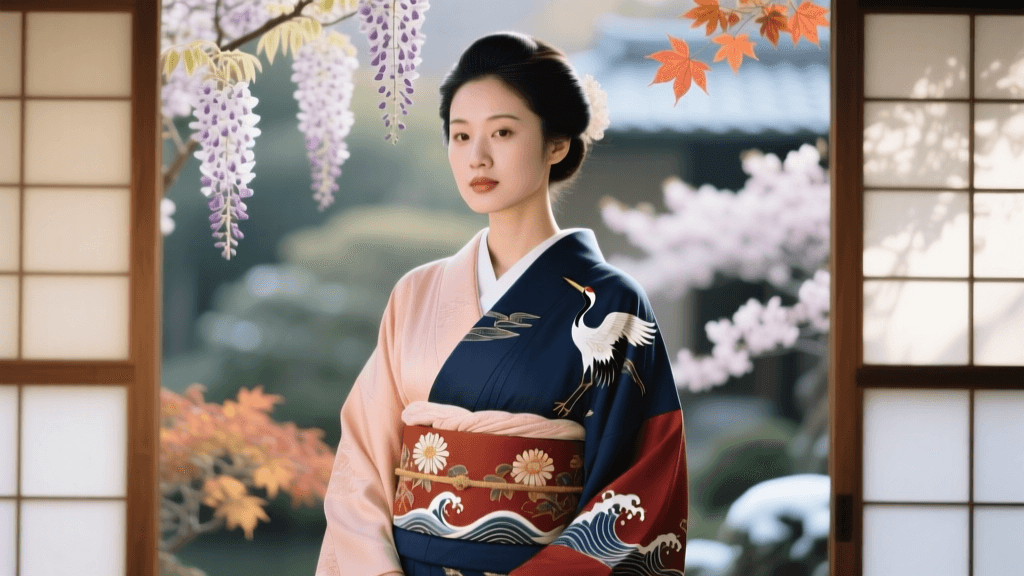
Blending traditional Japanese fashion with anime cosplay is not merely about wearing a costume; it is about understanding the silhouette, the drape of the silk, and the historical context that character designers draw upon. Whether you are recreating the Taisho-era schoolgirls of Demon Slayer, the battle-worn samurai of Rurouni Kenshin, or the elegant shrine maidens of Jujutsu Kaisen, utilizing real traditional garments elevates your cosplay from a simple imitation to a wearable piece of cultural art.
Decoding Anime Archetypes Through Traditional Silhouettes
To accurately cosplay anime characters using traditional garments, one must first understand the specific historical silhouettes that character designers reference. Anime frequently borrows from distinct eras of Japanese history, each with its own sartorial rules.
The Taisho Roman Aesthetic
The 'Taisho Roman' style, popularized in anime like Taisho Otome Fairy Tale and Demon Slayer, blends traditional Japanese garments with Western influences from the 1910s and 1920s. The cornerstone of this look is the meisen kimono. Meisen is a type of silk woven with pre-dyed threads, resulting in bold, modernist, and slightly blurry patterns that were highly fashionable among progressive women of the era. To achieve this look, pair a meisen kimono with an andon-bakama (a lantern-shaped, pleated skirt-like garment) and lace-up leather boots instead of traditional zori sandals. Add a velvet hakama belt and a lace collar peeking out from the kimono's neckline to perfectly capture the 2.5D aesthetic.
The Shrine Maiden (Miko) and Battle Garb
The Miko archetype is ubiquitous in supernatural anime. A traditional Miko ensemble consists of a white kosode (a kimono with small sleeve openings) and a vibrant red hibakama. While anime often exaggerates the sleeves or adds modern pleats, an authentic Miko cosplay requires sourcing a proper white silk or high-quality cotton kosode and tying the hibakama with a traditional bow at the front. For action-oriented characters like Kenshin Himura or Gintoki Sakata, the base layer is often a hitatare or a simplified kosode paired with tattsuke (ninja-style tapered pants) and kyahan (calf wrappings). Using authentic indigo-dyed cotton (aizen) for these garments provides a rugged, realistic texture that synthetic cosplay fabrics simply cannot replicate.
Sourcing Authentic Garments: A Cosplayer’s Buyer Guide
One of the most common misconceptions is that authentic kimono are prohibitively expensive. In reality, the secondhand market in Japan is flooded with high-quality, vintage garments that are often cheaper than brand-new, mass-produced cosplay costumes. Online proxy services like Buyee or ZenMarket allow international buyers to access Japanese auction sites and thrift stores directly.
| Feature | Fast Fashion Cosplay Brands | Authentic Recycled Kimono (via Proxy/Thrift) |
|---|---|---|
| Material | Polyester, cheap satin, spandex | Silk (rinzu, chirimen), linen, high-grade cotton |
| Average Cost (USD) | $60 - $150 | $30 - $120 (plus shipping/proxy fees) |
| Drape & Silhouette | Stiff, lacks the iconic straight-line drape | Heavy, elegant, creates the authentic cylindrical silhouette |
| Durability | Prone to tearing at seams, degrades quickly | Decades-old garments that are highly durable if cared for |
| Convention Comfort | Traps heat, poor breathability | Natural fibers breathe well; summer weaves (ro/sha) are cooling |
Convention Survival: Practical Adaptations for All-Day Wear
Wearing a traditional kimono to an anime convention presents unique logistical challenges. Conventions involve miles of walking, crowded convention centers, and fluctuating temperatures. Traditional kimono dressing (kitsuke) requires multiple ties (koshihimo) and precise folding, which can be restrictive and uncomfortable over a 10-hour day. Fortunately, modern cosplayers have developed several practical adaptations.
Modern Undergarments and Closures
Instead of using traditional cotton koshihimo ties, which can dig into the ribs and restrict breathing, many cosplayers utilize date-jime belts equipped with Velcro or plastic buckles. These provide the necessary tension to keep the kimono closed without the discomfort of knotted cords. Additionally, replacing the traditional nagajuban (under-kimono) with a modern, moisture-wicking 'hadajuban' and a slip skirt helps manage body temperature and prevents sweat from damaging the vintage silk.
Managing the Ohashori and Hemline
The ohashori is the horizontal tuck at the waist used to adjust the length of a women's kimono. In anime, characters are often drawn with exaggerated proportions that ignore the ohashori. For a realistic cosplay, it is vital to maintain this tuck, as it is a hallmark of proper kitsuke. However, to prevent the hem from dragging on dirty convention center floors, cosplayers can use safety pins hidden within the tuck to raise the hemline slightly, mimicking the practical 'karakorin' (shortened hem) style worn by working women in historical Japan.
Footwork and Zori Hacks
Traditional zori and geta sandals require tabi socks and can cause severe blisters during a multi-day convention. A popular hack among veteran cosplayers is to apply gel insoles to the top of the zori platform to cushion the ball of the foot, and to use silicone toe separators inside the tabi to prevent friction between the toes and the hanao (sandal straps).
Hair, Makeup, and Accessory Crossovers
The silhouette of a kimono demands specific attention to the head and neck. In traditional Japanese aesthetics, the nape of the neck (eriashi) is considered highly alluring and is left exposed by pulling the kimono collar down in the back. When pairing this with anime cosplay, the hair must complement the garment.
- Kanzashi and Kushi: Instead of relying solely on modern hair clips, incorporate authentic kanzashi (seasonal hairpins) and kushi (combs). For example, a character associated with winter or ice can be styled with camellia (tsubaki) kanzashi, while summer characters pair well with wisteria or fan motifs.
- Wig Integration: Anime wigs are often voluminous and synthetic, which can clash with the refined nature of silk kimono. To bridge this gap, use a wig grip cap to flatten the wig's base, and integrate traditional braided hairpieces (shimada or katsuyama) made from kanekalon fiber that mimics the sheen of real human hair.
- The Obi Knot: The obi (sash) is the focal point of the kimono. While anime characters often feature stylized, gravity-defying bows, cosplayers should learn foundational knots like the taiko musubi (drum knot) for mature characters, or the bunko musubi (library/bow knot) for younger, more energetic characters.
Cultural Respect and the Future of 2.5D Fashion
As the line between anime cosplay and traditional fashion continues to blur, the conversation around cultural appreciation becomes paramount. The Kyoto Costume Institute and the Agency for Cultural Affairs in Japan have long emphasized the importance of preserving textile arts not just as museum artifacts, but as living, breathing elements of culture. When cosplayers take the time to learn proper kitsuke, understand the seasonal motifs of their garments, and treat vintage silk with respect, they participate in this preservation.
'Wearing a kimono for cosplay is not merely playing dress-up; when done with research and respect, it is an act of cross-cultural dialogue that honors the artisans who wove the silk and the history that shaped the silhouette.'
By choosing authentic garments over fast-fashion costumes, cosplayers not only achieve a vastly superior aesthetic but also support the circular economy of vintage textiles. Whether you are stepping onto the convention floor or attending a traditional tea ceremony, the fusion of anime inspiration and traditional Japanese fashion offers a profound, beautiful way to wear your fandom on your sleeve—and across your shoulders, waist, and hem.