The Ultimate Guide To Kimono Photoshoot Locations In Japan
The Intersection of Traditional Garments and Modern Photography
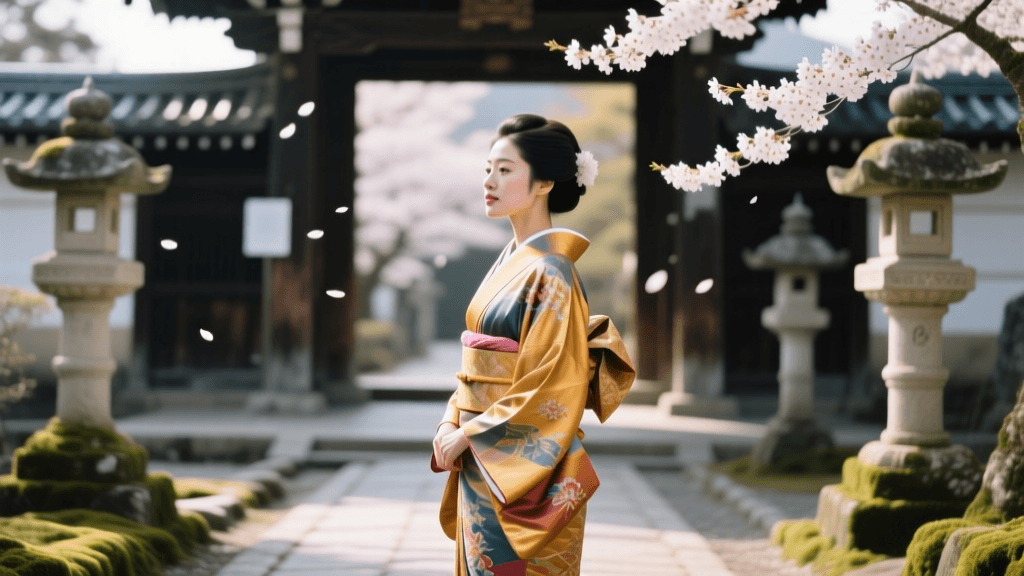
The intersection of traditional Japanese garment culture and modern portrait photography has created a thriving niche for both travelers and professional photographers. Capturing the elegance of a kimono against the backdrop of Japan’s historic architecture and natural landscapes is more than just a visual trend; it is a way to document and celebrate living textile arts. From the intricate yuzen resist-dyeing techniques to the structural beauty of the obi sash, every element of the kimono tells a story. However, achieving the perfect kimono portrait requires careful planning, an understanding of seasonal aesthetics, and technical photography skills tailored to traditional Japanese silhouettes.
Whether you are a traveling enthusiast renting your first yukata or a professional photographer hired for a destination wedding, this comprehensive guide covers the best locations, logistical details, and photography techniques to elevate your kimono photoshoots.
Top Kimono Photoshoot Locations in Japan
Choosing the right backdrop is essential for complementing the colors and patterns of the kimono. While Kyoto is the undisputed capital of kimono tourism, other regions offer unique textures and fewer crowds.
1. Fushimi Inari Taisha, Kyoto
Famous for its thousands of vermilion torii gates winding up Mount Inari, this Shinto shrine provides a striking color contrast to traditional garments. As noted by the Japan Guide, Fushimi Inari is open 24 hours and is free to enter. For photographers, this is a massive advantage. Arriving at dawn (around 5:30 AM in summer) allows you to capture the deep red gates bathed in soft, directional morning light without the thousands of daytime tourists. A dark blue or black silk kimono with silver or gold motifs creates a breathtaking contrast against the bright vermilion wood.
2. Arashiyama Bamboo Grove, Kyoto
The towering green stalks of the Arashiyama Bamboo Grove offer a masterclass in textural contrast. The linear, vertical lines of the bamboo perfectly frame the T-shaped silhouette of the kimono. Because the grove is heavily shaded, it acts as a natural softbox, eliminating harsh shadows on the face and allowing the subtle gradients of shibori tie-dyed fabrics to pop. Shoot with a wide aperture (f/2.8 or wider) to blur the dense bamboo stalks into a smooth, green bokeh that isolates the subject.
3. Kenrokuen Garden, Kanazawa
For those looking to escape the dense crowds of Kyoto, Kanazawa’s Kenrokuen Garden is a premier alternative. Recognized as one of Japan's three great landscape gardens, it offers meticulously maintained pine trees, moss carpets, and water features. According to the Japan National Tourism Organization, exploring regional hubs like Kanazawa provides a deeper, more serene cultural experience. In winter, the garden's iconic yukitsuri (snow protectors) create geometric, rope-based structures that pair beautifully with heavy winter kimono and velvet haori jackets.
Seasonal Timing and Lighting Strategies
Japanese aesthetics are deeply tied to the seasons, and your photoshoot should reflect this harmony between the garment and nature.
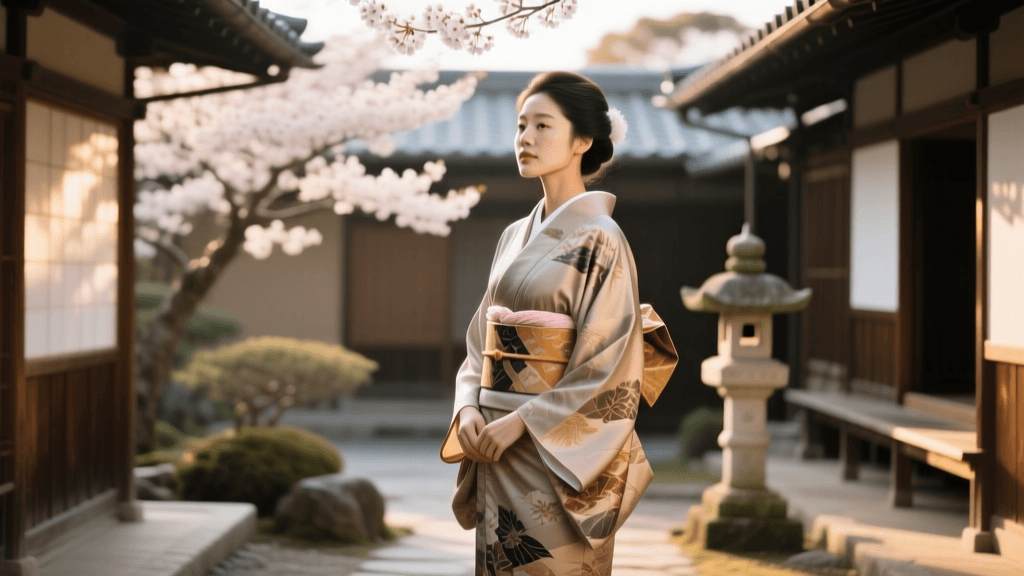
- Spring (March - April): The cherry blossom (sakura) season calls for pastel-colored kimono, often featuring floral motifs. Shoot during the 'golden hour' just after sunrise to capture the translucent quality of the petals and the soft silk fabrics.
- Autumn (November - Early December): The fiery reds and burnt oranges of the maple leaves (momiji) pair best with rich, deep-toned kimono in shades of plum, emerald, or navy. Use a polarizing filter to cut through the glare on the leaves and saturate the autumn colors.
- Winter (January - February): Snow provides a high-key, minimalist backdrop. Expose slightly to the right (+1.0 EV) to prevent the camera from underexposing the bright snow, ensuring the crisp white collars (han-eri) of the kimono remain pristine.
Practical Guide: Rentals, Costs, and Logistics
Renting a kimono in Japan is a highly streamlined process, particularly in cities like Kyoto, Kanazawa, and Tokyo. Below is a comparison chart of standard rental packages available at most established shops in the Gion and Higashiyama districts.
| Package Tier | Garment Type | Inclusions | Avg. Cost (JPY) | Avg. Cost (USD) | Time Limit |
|---|---|---|---|---|---|
| Casual Summer | Cotton Yukata | Basic obi, geta sandals, kinchaku bag | ¥3,000 - ¥4,000 | $20 - $27 | Full Day |
| Standard Silk | Komon or Tsumugi Silk | Choice of obi, hair styling, tabi socks | ¥5,500 - ¥7,500 | $37 - $50 | Full Day |
| Premium Formal | Furisode or Houmongi | Elaborate obi knot, full makeup, premium accessories | ¥12,000 - ¥18,000 | $80 - $120 | 4 - 6 Hours |
| Men's Traditional | Silk Kimono + Hakama | Kaku obi, setta sandals, fan | ¥5,000 - ¥8,000 | $33 - $53 | Full Day |
Note: Prices fluctuate based on peak tourist seasons (cherry blossom and autumn foliage). Always book premium packages at least two weeks in advance.
Photography Tips for Capturing the Silhouette and Textiles
Photographing a kimono requires a departure from standard Western portrait techniques. The garment is designed to create a specific silhouette and showcase flat panels of art.
Understanding the T-Shape Silhouette
According to the Victoria and Albert Museum, the kimono is fundamentally a T-shaped, linear garment constructed from straight bolts of fabric. Unlike Western tailoring, which cuts fabric to hug the curves of the body, the kimono wraps the body in a cylindrical form. Photographers should avoid poses that break this vertical, columnar line. Have the subject stand with feet together or slightly staggered, keeping the arms gently at the sides or holding a traditional wagasa (paper umbrella) to maintain the clean, structural lines of the sleeves.
Highlighting Textile Arts: Yuzen and Shibori
When photographing yuzen dyed silks, which feature elaborate, hand-painted pictorial motifs, use a slightly narrower aperture (f/4 to f/5.6) to ensure the intricate patterns remain sharp across the folds of the garment. Conversely, shibori tie-dyed cottons or silks rely heavily on physical texture. Side-lighting or shooting during the late afternoon golden hour will cast micro-shadows within the physical crimps of the fabric, highlighting the three-dimensional nature of the tie-dye process.
Managing the Obi and Metallic Threads
The obi (sash) is often the most expensive and visually complex part of the ensemble. A formal fukuro obi woven with metallic gold and silver threads requires careful exposure management. Spot metering or exposure compensation (+0.3 to +0.7 EV) may be necessary to prevent the camera's sensor from underexposing the shot due to the bright reflections of the metallic threads. Use a circular polarizer to manage specular highlights on the silk and metallic surfaces.
Lens Selection
- 85mm Prime Lens: The gold standard for kimono portraits. It compresses the background, isolates the subject, and renders the intricate hair ornaments (kanzashi) with beautiful sharpness while melting the background into soft bokeh.
- 35mm or 50mm Prime Lens: Ideal for environmental portraits where the architecture (like the wooden machiya townhouses of Kyoto) is just as important as the garment.
Respecting the Garment and Cultural Etiquette
A successful photoshoot must be grounded in respect for the culture and the fragile nature of antique or high-end rental garments.
Photographing a kimono is not just about capturing a person; it is about documenting the living history of Japanese textile arts, from the weave of the silk to the symbolism of the dyed motifs.
When directing your subject, remind them to take small, measured steps. The kimono restricts the stride, and taking large steps can cause the fabric to pull awkwardly at the waist, ruining the smooth line of the ohashori (the fold at the waist). Furthermore, avoid having the subject sit directly on stone steps or damp grass, especially in rental silk, as the hem can easily stain or snag. Always ask for permission before photographing geiko or maiko in the Gion district, and never block public pathways or shrine entrances to set up a tripod.
Conclusion
A kimono photoshoot in Japan is a deeply rewarding endeavor that merges fashion history, cultural immersion, and photographic artistry. By selecting locations that complement the garment's seasonal motifs, understanding the unique structural geometry of the T-shaped silhouette, and mastering the lighting required for delicate silk textiles, you can create timeless portraits that honor the profound legacy of Asian traditional garments.