Celebrity Kimono Trends: Modern Styling & Influencer Fashion Guide
The Intersection of Heritage and High Fashion
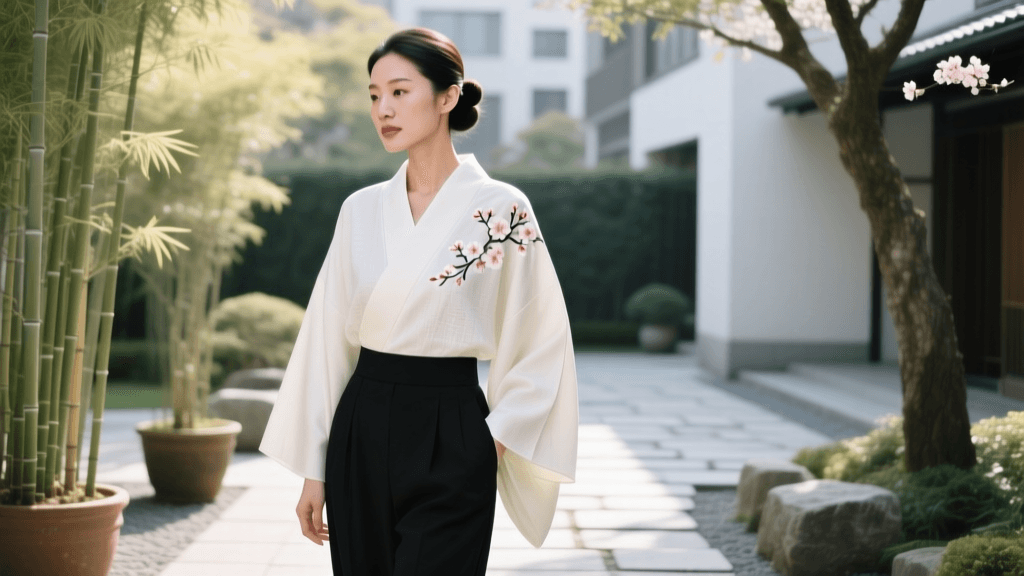
The traditional Japanese kimono has long been revered as a masterpiece of textile art, deeply rooted in centuries of cultural heritage. However, in recent years, the garment has transcended its ceremonial boundaries to become a global fashion phenomenon. Driven by celebrities, high-fashion runways, and a new wave of digital influencers, the kimono is experiencing a vibrant renaissance. Today, fashion enthusiasts are no longer confined to strict, traditional rules of wear; instead, they are blending Edo-period silhouettes with contemporary streetwear, creating a dynamic cross-cultural sartorial movement.
This guide explores the celebrity and influencer trends driving the modern kimono revival, offering actionable advice, styling tutorials, and sourcing guides for those looking to incorporate these timeless garments into their modern wardrobes.
From Kyoto to the Catwalk: The Celebrity Endorsement
The integration of the kimono into Western high fashion and celebrity wardrobes is not entirely new, but the way it is being worn has shifted dramatically. Historically, Western celebrities donned kimono-inspired robes as exoticized costumes. Today, the narrative has shifted toward authentic appreciation and structural homage. The landmark exhibition Kimono: Kyoto to Catwalk at the Victoria and Albert Museum played a pivotal role in this shift, highlighting how the garment's T-shaped structure has influenced global designers from Alexander McQueen to Comme des Garçons.
Celebrities like Harry Styles, Zendaya, and Cardi B have been spotted wearing both authentic vintage haori jackets and kimono-inspired haute couture on red carpets and in music videos. This mainstream visibility has trickled down to social media, where influencers are demystifying the garment, proving that you do not need to be a certified kitsuke (kimono dressing) master to appreciate and wear Japanese silk in everyday life.
The Influencer Playbook: Streetwear Meets Silk
On platforms like Instagram and TikTok, Tokyo-based and global fashion influencers are rewriting the rules of kimono styling. The most prominent trend is the juxtaposition of delicate, hand-dyed yuzen silk with rugged, utilitarian streetwear.
- The Sneaker & Tabi Fusion: Influencers are pairing traditional split-toe tabi socks with chunky sneakers or high-end designer boots, bridging the gap between Edo-era footwear and modern hypebeast culture.
- The Corset & Obi Cinch: Rather than tying the obi in a traditional back knot, fashion bloggers are using vintage hanhaba obi (half-width sashes) as dramatic corset belts over Western slip dresses, oversized blazers, and even denim jackets.
- The Hakama Utility Look: The hakama (pleated trousers) is being styled with cropped leather jackets and combat boots, emphasizing the garment's architectural pleats while giving it a gritty, cyberpunk edge.
3 Actionable Influencer-Approved Kimono Looks
Ready to replicate these trends? Here are three actionable, influencer-approved styling guides complete with measurements, costs, and product specifics.
Look 1: The Haori & Denim Crossover
The haori is a lightweight, hip- or thigh-length jacket worn open over a kimono. It is the most accessible entry point for beginners because it requires no complex tying or dressing tools.
- The Styling: Layer a vintage silk haori over a crisp white graphic tee, wide-leg selvedge denim, and leather loafers.
- Measurements: Look for a haori with a shoulder span (yuki) of 60-65cm for an oversized, modern drape. The sleeve drop should end just above the wrist for a casual feel.
- Cost: $40 - $120 USD for a vintage, unlined silk haori.
Look 2: The Obi Belt Cinch
Formal obi sashes can cost thousands of dollars and require padding and ties. Influencers bypass this by using the hanhaba obi or upcycled nagoya obi.
- The Styling: Wrap a patterned silk obi tightly around the natural waist over a monochromatic trench coat or a flowing maxi dress. Secure it with a simple front knot or a hidden safety pin, letting the frayed vintage edges show for a deconstructed aesthetic.
- Measurements: A standard hanhaba obi is 15cm wide and 3 to 4 meters long, providing enough length to wrap and tie without the bulk of a formal 30cm obi.
- Cost: $20 - $60 USD.
Look 3: Hakama & Combat Boots
The hakama's deep pleats offer a striking silhouette that mimics high-end avant-garde trousers.
- The Styling: Pair a solid black or navy cotton hakama with a fitted turtleneck and chunky platform combat boots. Tuck the front ties neatly into the waistband or let them hang asymmetrically.
- Measurements: Measure from your back waist to your ankle bone. A standard women's hakama length is around 85-95cm. Ensure the hem rests just above the boot shaft to avoid dragging in the mud.
- Cost: $50 - $150 USD for cotton or polyester blends (silk is not recommended for this rugged look).
Where to Source: A Buyer’s Comparison Chart
Finding authentic garments is crucial for both quality and cultural respect. Avoid fast-fashion 'kimono cardigans' made of sheer polyester. Instead, source authentic vintage pieces from reputable dealers who support the circular fashion economy.
| Retailer | Best For | Price Range (USD) | Shipping Time |
|---|---|---|---|
| Ichiroya | Authentic Vintage & Premium Silk | $80 - $500+ | 7-14 Days |
| Chicago Kimono | Beginners & Casual Sets | $40 - $150 | 3-5 Days (US) |
| Yamatoku | Bargain Hunting & Haori | $15 - $75 | 10-21 Days |
| Etsy (Curated) | Upcycled Obi & Accessories | $30 - $200 | Varies |
Navigating Cultural Appreciation in the Digital Age
As the kimono becomes a staple in global influencer wardrobes, the conversation around cultural appropriation versus appreciation is more important than ever. The key to respectful styling lies in education and context. According to the Metropolitan Museum of Art's Heilbrunn Timeline of Art History, the kimono is not merely a piece of clothing but a canvas that reflects the wearer's age, status, and the specific season.
Modern influencers who successfully navigate this space take the time to credit Japanese artisans, use correct terminology (e.g., calling it a haori rather than a 'floral robe'), and avoid wearing highly formal garments like the uchikake (wedding kimono) or furisode as casual clubwear. Furthermore, as noted in BBC Travel's report on the modern kimono revival, much of this contemporary styling is being led by young Japanese designers and stylists who are actively reclaiming and modernizing their own cultural dress to save the domestic silk industry. By supporting authentic vintage dealers and Japanese-owned businesses, global fashion enthusiasts can participate in this revival respectfully.
Care and Maintenance for Modern Wearers
Wearing vintage silk in active, modern environments requires careful maintenance. Unlike modern washable fabrics, traditional rinzu (satin-weave silk) and chirimen (crepe silk) are highly susceptible to water spots and UV fading.
Pro-Tip: Never attempt to machine wash a vintage silk kimono or haori. Instead, invest in a specialized kimono slip (juban) or wear a cotton undershirt to protect the silk collar from skin oils. After wearing, air the garment out in a shaded, well-ventilated room for 24 hours before folding it back into its traditional tatou paper storage.
Conclusion
The intersection of celebrity influence and digital streetwear has breathed new life into the traditional Japanese kimono. By understanding the garment's rich history, sourcing authentic vintage pieces, and applying modern styling techniques, fashion lovers can celebrate this iconic textile art form. Whether you are cinching a silk obi over a blazer or throwing a vintage haori over your favorite denim, the modern kimono trend is a testament to the enduring power of cross-cultural fashion.