The Ultimate Guide to Obi, Zori, and Kimono Accessories
The Art of Kitsuke: Beyond the Kimono
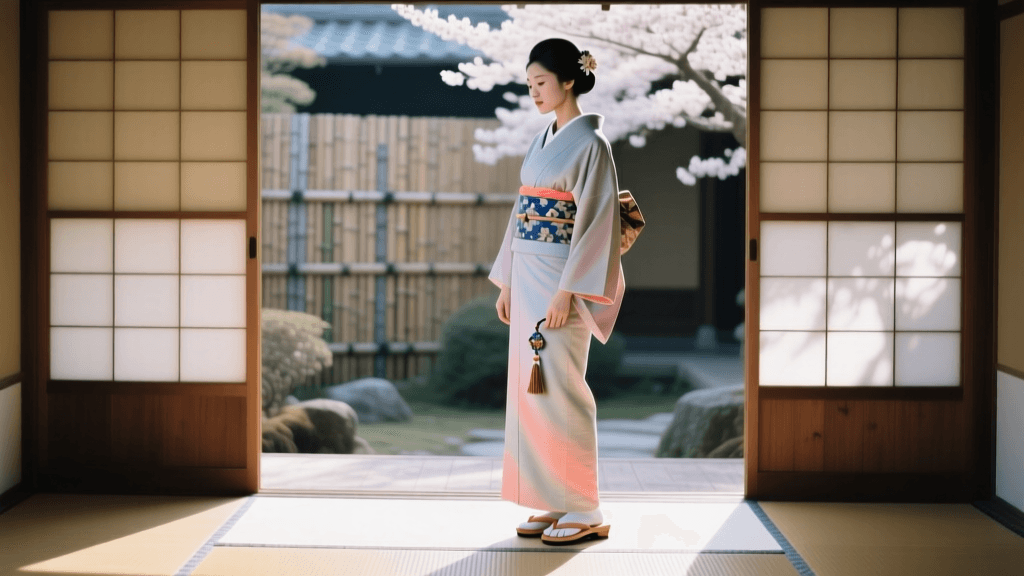
When most people think of traditional Japanese clothing, the vibrant silk of the kimono immediately comes to mind. However, in the meticulous art of kitsuke (kimono dressing), the kimono itself is merely the canvas. It is the intricate ensemble of the obi, zori, and accompanying accessories that truly dictates the outfit's formality, seasonal appropriateness, and the wearer's personal expression. According to cultural historians, the evolution of these accessories transformed the kimono from a simple wrapped garment into a complex system of social signaling and aesthetic beauty, as detailed by the Metropolitan Museum of Art.
Whether you are a vintage collector, a martial arts practitioner, or someone preparing for a traditional tea ceremony, understanding how to properly match and wear these accessories is essential. This comprehensive guide will walk you through the precise measurements, materials, and styling rules for obi, zori, and kimono accessories, ensuring you are dressed appropriately for any occasion.
The Obi: The Centerpiece of Japanese Formality
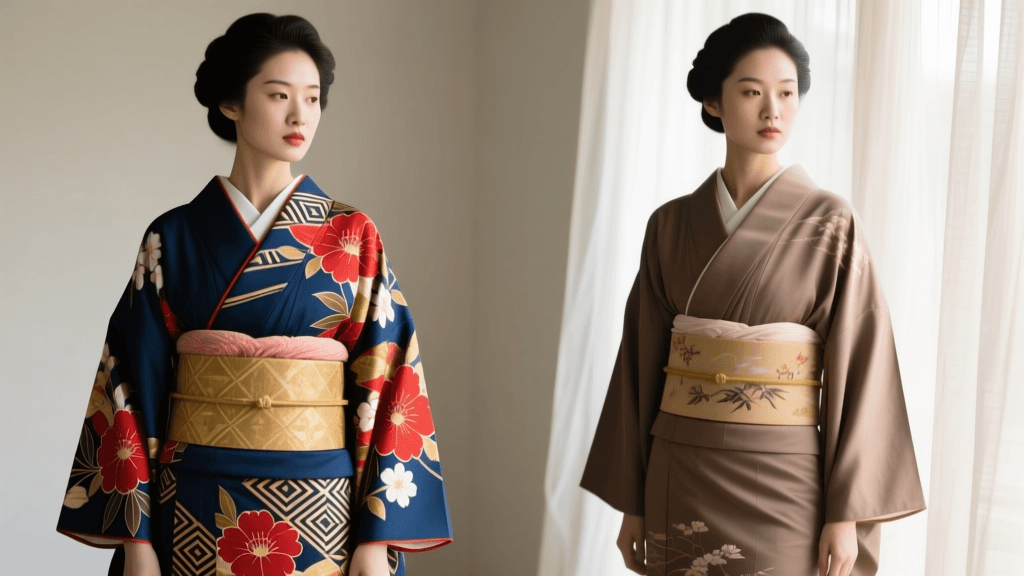
The obi is the wide sash used to secure the kimono. Far from being a simple belt, the obi is often the most expensive and visually striking element of the ensemble. The type of obi you choose must perfectly align with the formality of the kimono and the event you are attending.
Fukuro Obi (The Formal Sash)
The fukuro obi is the most formal type of obi worn by women today. It is typically woven with luxurious silk, often incorporating gold and silver metallic threads in elaborate brocade patterns.
- Measurements: Approximately 16.5 feet (500 cm) long and 12 inches (30 cm) wide.
- Construction: It is fully patterned on the front but usually features a lighter, unpatterned silk lining on the back to reduce bulk and cost.
- Best For: Furisode (unmarried women's formal wear), Kurotomesode (married women's formal wear), and Houmongi (visiting wear).
- Knots: Ideal for complex, show-stopping knots like the Otaiko (drum knot) or the elaborate Fukura-suzume (puffed sparrow) worn by maiko and geisha.
Nagoya Obi (The Versatile Semi-Formal Sash)
Invented in the 1920s in the city of Nagoya, this obi was designed to make dressing easier for modern women. As noted in the Encyclopædia Britannica, the modernization of Japanese dress in the 20th century led to practical innovations like the Nagoya obi, which remains a staple in contemporary wardrobes.
- Measurements: About 10.5 feet (320 cm) long. It is unique because it is pre-folded and stitched; the section that wraps around the waist is half-width (6 inches), while the section used for the knot remains full-width (12 inches).
- Best For: Tsukesage, Komon, and high-quality Tsumugi (woven silk). It bridges the gap between semi-formal and casual wear.
- Knots: Primarily used for the standard Otaiko knot.
Hanhaba Obi (The Casual Half-Width Sash)
The hanhaba obi is the casual, everyday sash. It requires no special pillows or pads to tie, making it perfect for beginners.
- Measurements: 10 to 13 feet long and exactly half the standard width (6 inches or 15 cm).
- Best For: Yukata (summer cotton kimono) and casual wool or polyester komon.
- Knots: Simple, playful knots like the Bunko (bow knot) or Katakuri.
Obiage and Obijime: The Essential Finishing Touches
No kimono ensemble is complete without the obiage and obijime. These two accessories serve both structural and aesthetic purposes, acting as the "jewelry" of the kimono.
Obiage (The Silk Scarf): The obiage is a rectangular piece of silk crepe (chirimen) used to cover and hide the obimakura (the small pillow used to give the obi knot its shape). For formal events, the obiage is usually white or pale pastel silk, often featuring subtle gold or silver embroidery. For casual wear, vibrant colors and bold Shibori (tie-dye) patterns are preferred. The rule of thumb is to let only a sliver (about half an inch) of the obiage peek out above the obi.
Obijime (The Braided Cord): The obijime is a thick, braided silk cord tied directly over the center of the obi to secure the knot. Formal obijime are thick, round, and woven with metallic threads, usually in white, gold, or silver. Casual obijime can be flat, brightly colored, or even feature decorative toggles (obidome). When styling, the obijime should ideally pick up a secondary or tertiary color from the kimono's pattern to create visual harmony.
Footwear: Zori, Geta, and Tabi
Footwear in Japanese traditional dress is strictly categorized by material, height, and the formality of the event. The preservation of these traditional crafting techniques, from weaving to lacquerwork, remains a vital part of Japan's cultural heritage, as supported by the Japan National Tourism Organization.
Zori (Formal and Semi-Formal Sandals)
Zori are flat, thonged sandals. The formality is determined by the material of the sole and the hanao (the thong straps).
- Brocade Zori: Covered in the same gold/silver brocade as the fukuro obi. These are strictly for high-formal events like weddings.
- Vinyl/Enamel Zori: Shiny and easy to clean, these are the workhorses of the semi-formal wardrobe, perfect for tea ceremonies and parties.
- Leather Zori: A modern, practical choice for everyday casual kimono wear.
- Heel Height: Formal zori often have a thicker, elevated heel (up to 2 inches) to prevent the kimono hem from dragging on the ground.
Geta (Casual Wooden Clogs)
Geta are made of wood and feature "teeth" on the bottom. They are inherently casual and are almost exclusively worn with yukata during summer festivals, or with casual wool/cotton kimono in the winter. The sound of geta clicking on the pavement is a nostalgic hallmark of Japanese summers.
Tabi (Split-Toe Socks)
Tabi are essential for wearing zori and geta.
- White Cotton Tabi: Mandatory for all formal and semi-formal occasions. They should be crisp, clean, and fastened with traditional metal kohaze (hooks).
- Colored/Patterned Tabi: Worn only with casual kimono or yukata. Stretchy, modern versions are available for comfort, though traditional woven cotton is preferred by purists.
Kimono Accessories Formality Chart
Use this quick-reference table to ensure your accessories match your kimono and the occasion.
| Formality Level | Kimono Type | Obi Choice | Obijime / Obiage | Footwear & Tabi | Typical Occasion |
|---|---|---|---|---|---|
| High Formal | Kurotomesode / Furisode | Fukuro Obi (Gold/Silver Brocade) | White / Metallic Silk | Brocade Zori, White Tabi | Weddings, Coming of Age Day |
| Semi-Formal | Houmongi / Tsukesage | Fukuro or Formal Nagoya | Pastel Silk, Subtle Metallic | Vinyl/Leather Zori, White Tabi | Tea Ceremonies, Graduations |
| Casual | Komon / Tsumugi | Nagoya or Hanhaba Obi | Colored Silk, Shibori, Toggles | Casual Zori/Geta, Colored Tabi | Dining Out, Theater, Daily Wear |
| Summer / Informal | Yukata | Hanhaba Obi | Not worn (or very casual cords) | Wooden Geta, Barefoot | Summer Festivals, Fireworks |
Practical Guide: Sizing, Costs, and Sourcing
Building a kimono accessory wardrobe requires an understanding of vintage markets, modern sizing, and budgeting.
Sizing Footwear
Unlike Western shoes, zori and geta are sized in centimeters, and the fit is meant to be slightly small. Your heel should hang just slightly off the back edge of the sandal (about 0.5 cm).
- Standard Women's Sizes: Range from 22.0 cm to 25.0 cm.
- Standard Men's Sizes: Range from 25.0 cm to 28.0 cm.
- Tip: If you are buying vintage zori, be aware that older sizing ran smaller. Always ask for the exact centimeter measurement of the sole rather than relying on the stamped size.
Cost Expectations
The price of kimono accessories varies wildly depending on whether you buy new from a specialized artisan or source vintage pieces.
- Vintage Hanhaba Obi: $15 – $40. Excellent for beginners and yukata.
- Vintage Fukuro Obi: $50 – $150. Look out for spots or weakened metallic threads.
- New Artisan Nagoya Obi: $200 – $600. Often woven in Kyoto's famous Nishijin district.
- New Formal Zori: $80 – $250. Custom hanao (straps) can add an extra $50 to the cost.
- White Cotton Tabi: $15 – $30. Always buy these new; vintage tabi are rarely in pristine condition.
Sourcing Tips
For vintage collectors, online auction sites and specialized Japanese proxy services are goldmines for high-quality, mid-century obi and zori. When inspecting vintage obi, always check the "te" (the unpatterned part of the obi that wraps around the waist) for sweat stains, and ensure the metallic threads have not tarnished to a dull black. For new, custom-fitted zori, specialized online kimono boutiques that ship internationally offer the best selection of modern vinyl and leather options that withstand rain and snow much better than traditional brocade.
Conclusion
Mastering the art of kimono accessories is a rewarding journey into the heart of Japanese aesthetics. The interplay between the rigid formality of a brocade fukuro obi and the playful elegance of a shibori obiage allows for endless personalization within the bounds of tradition. By understanding the precise measurements, material rules, and formality charts outlined in this guide, you can confidently assemble a kitsuke ensemble that respects the rich history of the garment while showcasing your unique personal style. Whether you are stepping into a tea room in Kyoto or attending a cultural event abroad, the right obi and zori will ensure you do so with grace and authenticity.