Okinawan Bingata vs. Mainland Kimono: A Regional Guide
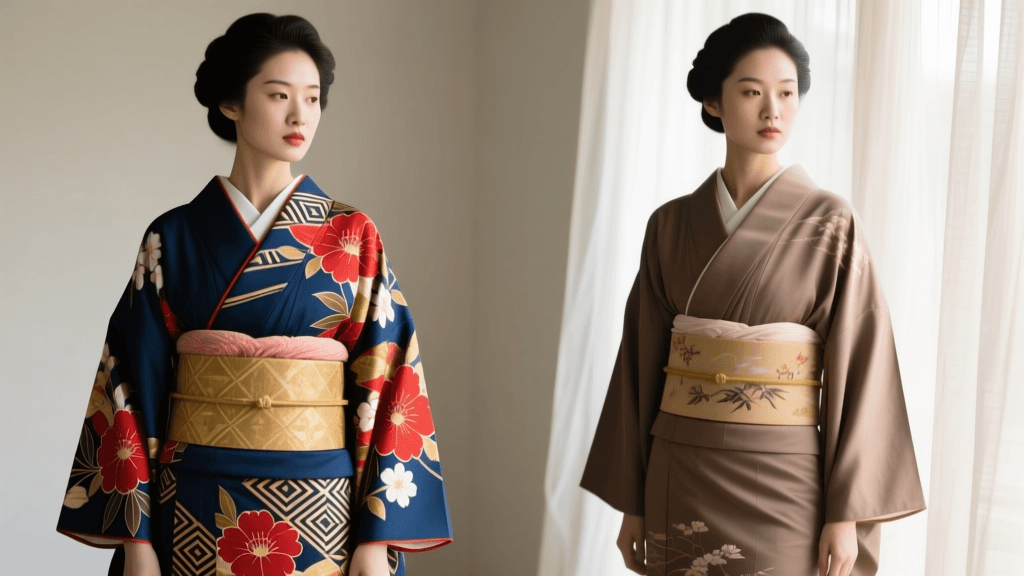
When the world envisions traditional Japanese clothing, the image that almost universally comes to mind is the mainland silk kimono—structured, elegant, and bound by strict seasonal rules. However, Japan is an archipelago of diverse climates and distinct historical kingdoms, and nowhere is this regional divergence more visually striking than in the contrast between mainland Japanese garments and the traditional dress of Okinawa. The Ryukyuan ryuso and its iconic bingata dyeing technique represent a vibrant, tropical rebellion against the mainland's sartorial norms.
For textile collectors, cultural enthusiasts, and travelers, understanding these regional and prefecture-level variations is essential. This guide explores the deep historical, material, and structural differences between mainland kimono and Okinawan garments, providing actionable advice on sizing, costs, and acquisition.
The Mainland Monolith: Silk, Subtlety, and Structure
The mainland Japanese kimono, particularly those originating from historic textile hubs like Kyoto and Kanazawa, is defined by its structured silhouette and intricate, often subtle, surface designs. The most prestigious dyeing techniques, such as Kyo Yuzen and Kaga Yuzen, utilize a meticulous paste-resist method to create highly detailed, painterly motifs. According to the Kyoto Museum of Traditional Crafts, these techniques were developed to cater to the aristocratic and samurai classes, emphasizing refined aesthetics, seasonal awareness, and the luxurious drape of heavy silk crepe (chirimen).
The mainland kimono is an architectural garment. It relies heavily on the obi (sash) to create a cylindrical, column-like silhouette that obscures the natural curves of the body. The layering of garments, such as the hiyoku (under-robe), and the strict rules of kitsuke (the art of dressing) demand precision, making mainland formal wear a highly regulated, time-intensive endeavor.
The Ryukyuan Rebellion: Bingata, Bashofu, and Tropical Textiles
Travel 1,500 kilometers south to the subtropical islands of Okinawa, and the textile landscape shifts dramatically. Before its annexation by Japan, the Ryukyu Kingdom was an independent maritime trading hub connecting China, Southeast Asia, and Japan. This cosmopolitan history birthed bingata, a vivid resist-dyeing technique characterized by bold, saturated colors—turmeric yellows, indigo blues, and madder reds—and motifs featuring tropical flora, fauna, and Chinese-inspired dragons.
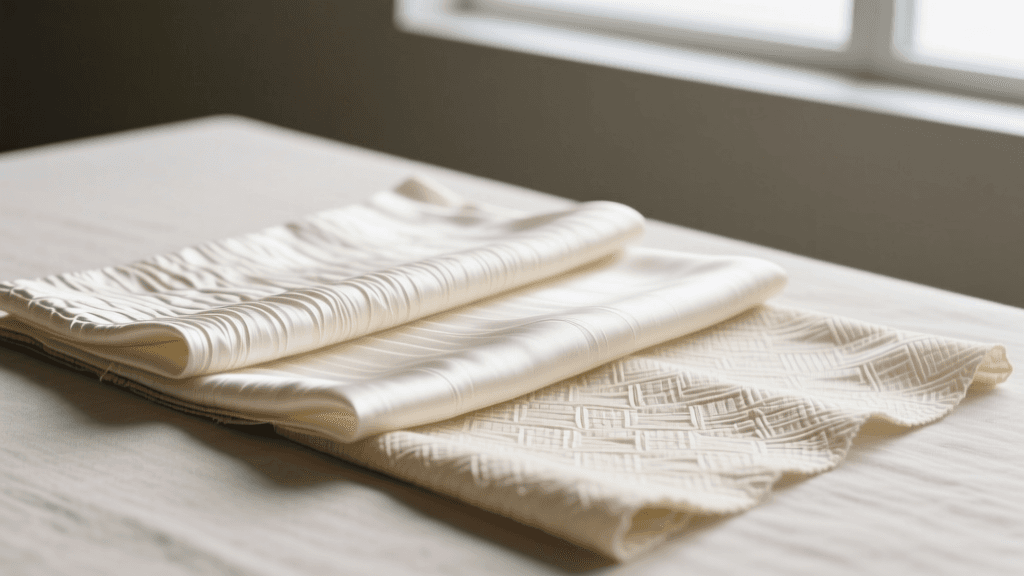
The Okinawa Prefectural Government designates Bingata as a paramount intangible cultural property, noting its origins in the royal courts of Shuri. Unlike the mainland kimono, the traditional Okinawan garment, known as the ryuso, is designed for a humid, subtropical climate. It is typically crafted from bashofu (a breathable cloth woven from the fibers of the Japanese banana plant) or lightweight ramie. The ryuso features wider sleeves, a looser fit, and is secured with a simple, slender sash rather than a restrictive, heavily padded obi, allowing for vital air circulation.
Comparative Analysis: Mainland Kimono vs. Okinawan Ryuso
To understand the functional and aesthetic divergence between these two regional garments, consider the following comparison:
| Feature | Mainland Kimono (e.g., Kyo Yuzen) | Okinawan Ryuso (e.g., Bingata / Bashofu) |
|---|---|---|
| Primary Climate | Temperate (Four distinct seasons) | Subtropical (Hot, highly humid summers) |
| Core Materials | Silk (Chirimen, Rinzu), Hemp (for summer) | Bashofu (banana fiber), Ramie, Cotton, Silk |
| Dyeing Technique | Paste-resist (Yuzen), Shibori, Embroidery | Stencil paste-resist (Bingata), Ikat (Kasuri) |
| Silhouette & Fit | Cylindrical, structured, tightly bound | Loose, flowing, breathable, A-line drape |
| Fastening | Wide, heavily padded Obi (e.g., Fukuro) | Slender, lightweight sash or simple tie |
| Motifs | Seasonal flora, cranes, geometric patterns | Tropical plants, hibiscus, dragons, waves |
Practical Guide for Collectors and Travelers
Whether you are sourcing vintage pieces for a private collection or commissioning a modern garment, navigating the regional textile markets requires specific knowledge regarding measurements, costs, and timing.
Sizing and Measurements
Mainland kimonos are tailored to the individual using a specific formula. The standard body length (mi-take) is calculated by subtracting roughly 10 cm from the wearer's total height. Because the mainland kimono is wrapped and folded at the waist (ohashori), precise measurements are critical; a garment tailored for someone 155 cm tall will not drape correctly on someone 170 cm tall. Altering a vintage silk kimono is notoriously difficult and expensive due to the hand-stitched seams and delicate Yuzen patterns.
Conversely, the Okinawan ryuso and bingata wrap skirts are far more forgiving. Because they lack the rigid ohashori fold and are meant to drape loosely, vintage and ready-to-wear Okinawan garments often fit a wider range of body types. When purchasing modern bashofu yardage, buyers typically purchase bolts measuring 12 to 14 meters in length and roughly 38 cm in width, which can be custom-draped or tailored into contemporary resort wear or traditional tunics.
Costs and Investment
The financial investment varies wildly based on the region, material, and artisan pedigree:
- Vintage Mainland Silk Kimono: High-quality vintage Kaga Yuzen or Kyo Yuzen kimono can range from ¥50,000 to ¥300,000 ($350 - $2,000 USD) depending on the condition and the presence of metallic embroidery.
- Contemporary Bingata: Authentic, hand-stenciled Bingata silk obi or kimono commissioned from a certified Shuri artisan will start around ¥150,000 and can exceed ¥500,000 ($3,500+ USD). The Japan Traditional Crafts Association certifies master artisans whose work commands premium investment value.
- Bashofu Textiles: True Kijoka no Bashofu (the highest grade of banana cloth, recognized by UNESCO) is exceptionally rare. A single summer kimono bolt can cost upwards of ¥1,000,000 ($7,000 USD) due to the thousands of hours required to extract, spin, and weave the fibers by hand.
Timing Your Purchase
Timing is everything when seeking regional garments. For mainland textiles, the best time to visit Kyoto is during the Gion Matsuri in July, where the Nishijin textile district opens its doors for exhibitions and sales of premium silk weaves. Alternatively, January is the month for Hatsu-ichi (first markets), where vintage dealers liquidate estate kimono at steep discounts.
For Okinawan textiles, plan your trip around the Shuri Castle Bingata Festival, typically held in November. During this time, local dye houses in the Tsuboya and Shuri districts of Naha open their studios, allowing collectors to purchase directly from artisans and observe the intricate stencil-carving and soybean milk resist processes firsthand.
Fabric Care and Maintenance
Maintaining these regional garments requires vastly different approaches:
- Mainland Silk (Yuzen/Shibori): Never wash with water. Moisture can cause the water-soluble resist dyes to bleed or the silk crepe to shrink irreparably. Rely on professional Japanese kimono cleaners who specialize in maruarai (a traditional whole-garment dry cleaning and re-stretching process).
- Okinawan Bashofu & Cotton: Bashofu and Ryukyuan cottons are remarkably resilient and actually soften with age. They can be gently hand-washed in cool water using a neutral, phosphate-free detergent. Avoid harsh alkalis and direct sunlight when drying, as UV rays will rapidly degrade the natural botanical dyes like turmeric and fukugi (yellowwood).
'The mainland kimono is a reflection of a society that values endurance, formality, and the quiet passage of seasons. The Okinawan ryuso, with its brilliant bingata and breathable bashofu, is a celebration of survival, tropical vitality, and the open sea.' — Textile Historian, Ryukyu University Archives
Preserving Regional Identity in Modern Fashion
Today, the strict boundaries between mainland and regional dress are blurring in the realm of contemporary fashion. Modern Japanese designers are increasingly incorporating Okinawan bingata motifs into mainland silk kimono cuts, while mainland yuzen techniques are occasionally applied to Okinawan ramie. However, for the purist collector and the cultural historian, the distinction remains vital.
Understanding the regional and prefecture-level variations of Japanese traditional clothing is not merely an exercise in fashion history; it is an acknowledgment of Japan's diverse cultural tapestry. Whether you are investing in the structured elegance of a Kyoto silk kimono or the vibrant, breezy resilience of an Okinawan ryuso, you are preserving a unique, geographically bound narrative of human ingenuity and artistic expression.