Kimono Dress Codes For Japanese Tea Ceremony And Ikebana
The Intersection of Garment and Philosophy
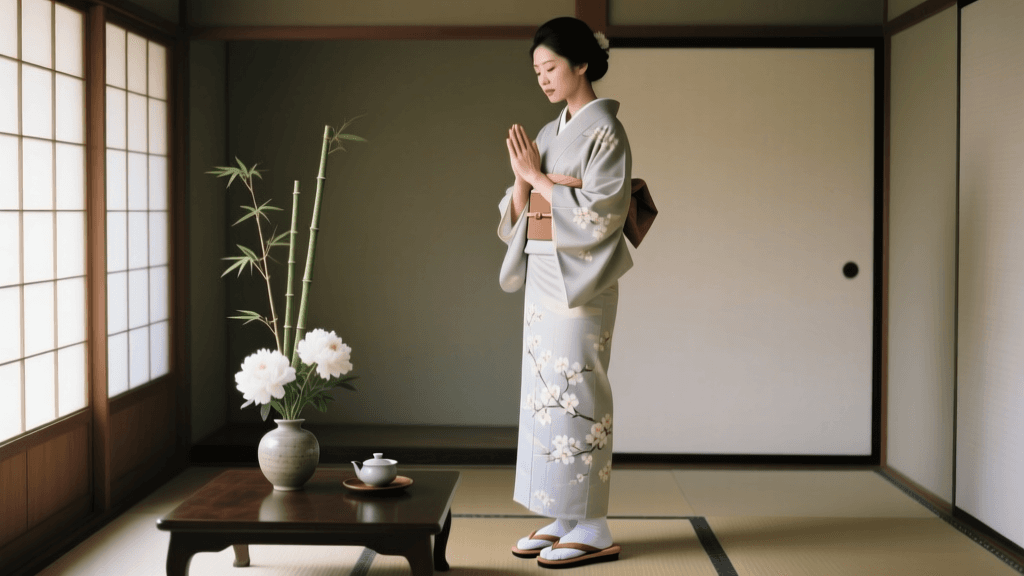
The Japanese tea ceremony, known as Chado or Sado, and the art of flower arranging, Ikebana, are two of the most revered traditional arts in Japan. Both disciplines are deeply rooted in Zen Buddhism and emphasize mindfulness, respect, and harmony with nature. When participating in these cultural activities, your attire is not merely a fashion choice; it is a fundamental component of the etiquette. Dressing appropriately shows respect for the host, the space, and the centuries-old traditions. According to the Urasenke Foundation, one of the largest tea schools in Japan, the harmony between the guest, the host, and the environment begins the moment you step into the tearoom, making proper garment selection absolutely critical.
Selecting the Appropriate Kimono
The type of kimono you wear depends entirely on the formality of the event, your role (host vs. guest), and the season. The overarching rule is modesty and subtlety; you should never outshine the host or distract from the tea and floral arrangements.
Komon and Tsumugi for Daily Practice
For daily lessons (keiko) or casual practice sessions, a Komon (kimono with small, repeating patterns) or Tsumugi (woven silk with a rustic, textured feel) is highly appropriate. These garments are comfortable for sitting in seiza (kneeling position) for extended periods. Tsumugi, being a pongee silk, is durable and less slippery, making it a favorite for beginners learning the precise movements of whisking matcha or trimming floral stems.
Edo Komon and Iromuji for Gatherings
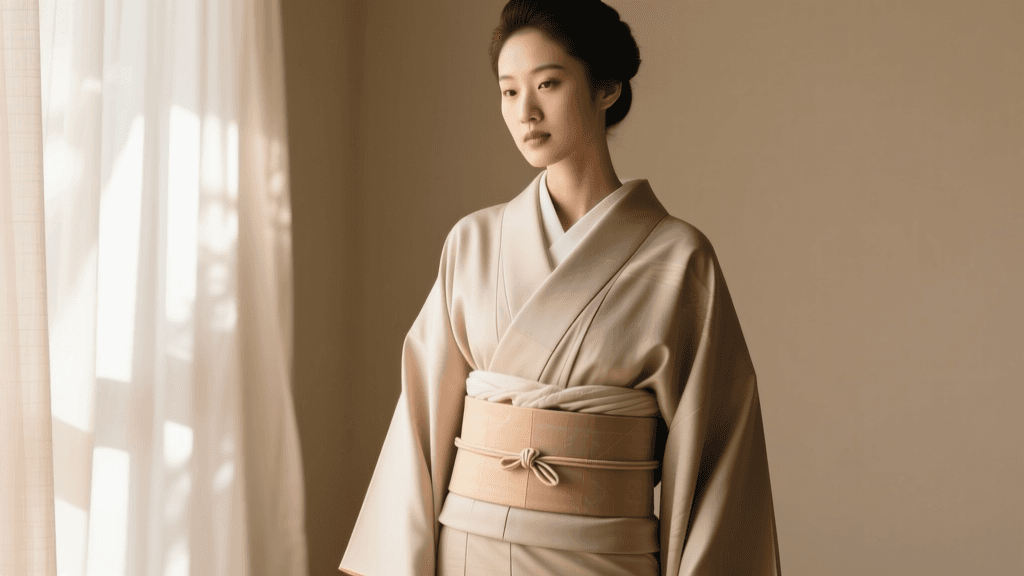
When attending a Chakai (a semi-formal tea gathering) or a group Ikebana exhibition, step up to an Edo Komon or an Iromuji (a solid-colored dyed kimono). Edo Komon features micro-patterns that appear solid from a distance, offering a sophisticated yet understated look. Iromuji kimonos are elegant and versatile; if they bear a single family crest (kamon) on the back, they elevate to a more formal status. Pastel and muted tones are preferred to reflect the seasonal themes of the tearoom's alcove (tokonoma).
Tsukesage and Homongi for Formal Ceremonies
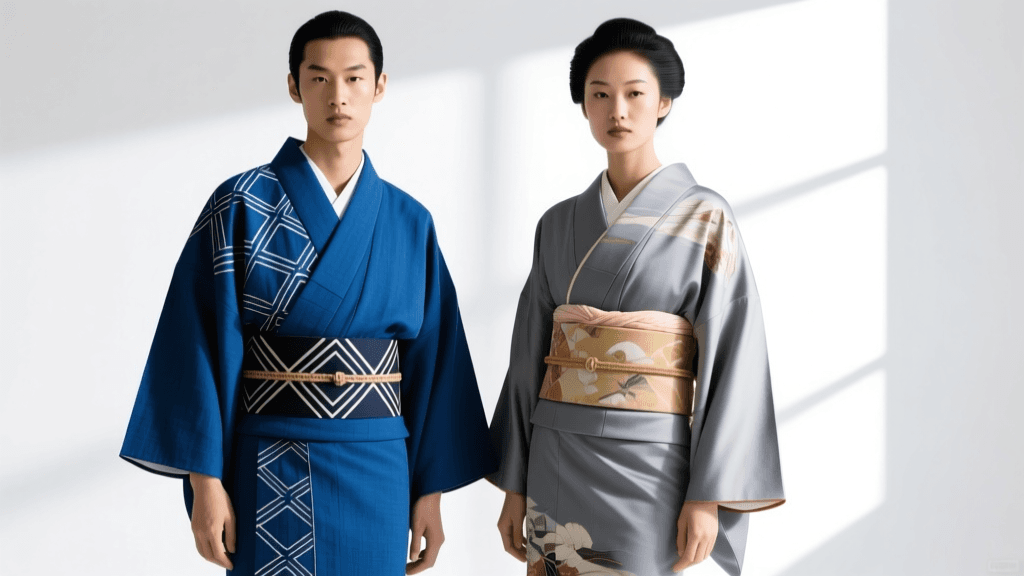
For a Chaji (a highly formal, full-length tea ceremony that includes a meal), guests may wear a Tsukesage or Homongi. These are formal visiting kimonos with patterns that flow across the seams. However, guests must be careful not to wear overly flashy gold or silver embroidery, as this can be seen as ostentatious and disrespectful to the host's carefully curated, wabi-sabi aesthetic. As noted by Japan Guide's comprehensive overview of the Tea Ceremony, the essence of the gathering is tranquility, and loud garments disrupt the visual harmony of the tatami room.
The Crucial Role of the Obi
The obi (sash) must be chosen with the same level of scrutiny as the kimono. For practice and casual gatherings, a Nagoya obi is the standard. It is pre-folded and stitched at the ends, making it easier to tie into the otaiko (drum bow) style, which sits neatly and flat against the back. This flat profile is essential because guests must lean against the wall or slide through narrow tearoom doors without knocking over hanging scrolls or floral arrangements.
For formal ceremonies, a Fukuro obi is worn, tied in more elaborate knots. Crucially, avoid obi with sharp metallic threads, large decorative brooches (obi-dome), or excessive beading. When leaning forward to pick up a tea bowl or adjust an Ikebana vase, dangling or sharp accessories can easily scratch the chawan (tea bowl) or the lacquerware, which are often priceless, irreplaceable antiques.
Footwear: Tabi and Zori Specifications
Footwear in Japanese traditional arts is strictly regulated. You must never enter a tatami room wearing outdoor shoes or bare feet.
- Tabi: Split-toe white cotton socks are mandatory. They must be pristine, freshly washed, and free of any stains or yellowing. Tabi are sized in centimeters (e.g., 23cm, 24cm) and fastened at the back with metal hooks called kohaze. A standard tabi has 4 or 5 kohaze; 4 is standard for women, 5 for men or formal occasions.
- Zori: Flat, woven sandals are worn outdoors and removed at the entrance. For tea ceremonies, tatami-omote (woven rush) zori or subtle leather zori with a low heel (3 to 5 cm for women) are appropriate. Avoid geta (wooden clogs) as they are too casual and noisy.
Ikebana Specifics: Managing Sleeves and Movement
While the tea ceremony requires stillness and precise, contained movements, Ikebana involves reaching, cutting, and manipulating water and heavy branches. Wearing a long-sleeved kimono (furisode or standard tomesode) while arranging flowers is highly impractical and risks ruining the silk with water or sap.
To solve this, Ikebana practitioners utilize a tasuki—a specialized cord used to tie back the kimono sleeves in a figure-eight pattern across the back. This keeps the sleeves elevated and out of the way while maintaining a beautiful, traditional silhouette. Alternatively, for intensive physical arranging or outdoor pruning, practitioners often wear samue, a traditional two-piece Japanese work garment made of cotton or hemp, which offers complete freedom of movement while respecting the traditional aesthetic. Ikebana International emphasizes that the physical engagement with nature in Ikebana requires garments that allow the practitioner to move fluidly without compromising the dignity of the art form.
Grooming, Jewelry, and Strict Prohibitions
The rules regarding personal grooming are just as strict as the garment rules. Before entering the tearoom or approaching the Ikebana altar, you must adhere to the following:
- Jewelry: All rings, bracelets, necklaces, and wristwatches must be removed. This prevents accidental scratches to the tea bowls, bamboo scoops (chashaku), and ceramic vases.
- Nails: Fingernails must be cut short and completely free of nail polish. Chipped polish or long acrylic nails are considered unhygienic and a severe breach of tea ceremony etiquette, as you will be handling the matcha bowl and sweets directly.
- Perfume and Scent: Do not wear perfume, scented lotions, or strongly scented hair products. The tea ceremony involves the appreciation of kodo (incense) and the natural, grassy aroma of the matcha. Artificial scents overpower these subtle olfactory experiences.
- Makeup: Makeup should be natural and modest. Avoid bright, glossy lipsticks that might leave a heavy, visible stain on the rim of the shared tea bowl, which is difficult for the host to clean during the ceremony.
Dress Code Matrix by Formality
Use the following structured guide to ensure your attire perfectly matches the occasion.
| Occasion | Kimono Type | Obi Style | Footwear | Accessories |
|---|---|---|---|---|
| Daily Practice (Keiko) | Komon or Tsumugi | Nagoya Obi (Otaiiko) | White Tabi, Tatami Zori | Cotton Sensu (Fan) |
| Casual Gathering (Chakai) | Edo Komon, Iromuji | Nagoya Obi (Fukura-suzume) | White Tabi, Leather Zori | Silk Sensu, Kaishi (Paper) |
| Formal Ceremony (Chaji) | Tsukesage, Homongi | Fukuro Obi | White Tabi, Brocade Zori | Silk Sensu, Kaishi, Toothpick |
| Ikebana Practice | Samue or Komon with Tasuki | Hanhaba or Nagoya | White Tabi or Barefoot (Indoor) | Apron, Tasuki cord |
Practical Tips for Tourists and Beginners
If you are a tourist participating in a one-time tea ceremony experience in Kyoto or Tokyo, you are not expected to own a full kimono wardrobe. Most cultural centers and rental shops will provide a simplified kimono or yukata (in summer). However, you should still bring a pair of clean, white split-toe socks or standard white ankle socks to wear over your bare feet before stepping onto the tatami. Avoid wearing short skirts, low-cut tops, or overly casual denim, as these violate the modesty required in traditional Japanese spaces. Always bring a clean, white handkerchief and a small folding fan, which are placed in front of your knees when bowing to the host.
Conclusion
Participating in the Japanese tea ceremony and Ikebana is a profound cultural experience that extends far beyond the physical acts of drinking tea or arranging flowers. The garments you wear, the way you tie your obi, and the meticulous attention to your grooming all contribute to the shared atmosphere of respect and tranquility. By understanding and adhering to these traditional dress codes, you honor the deep philosophical roots of these arts and ensure a harmonious experience for yourself, your host, and your fellow guests.