Okinawan Ryusou vs Japanese Kimono: Regional Guide
Introduction to Japan’s Regional Textile Diversity
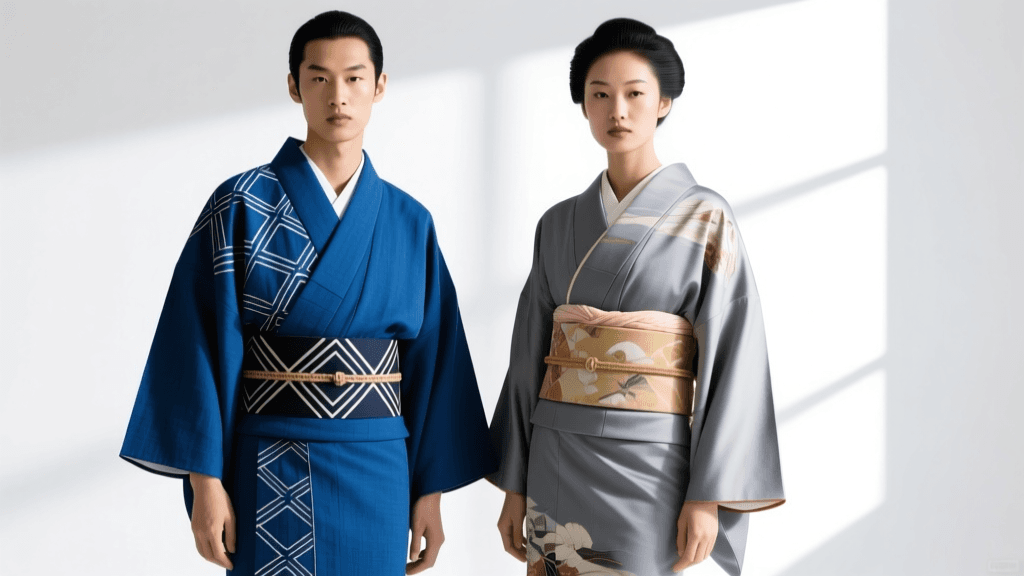
When the world envisions traditional Japanese clothing, the image of the mainland kimono—structured, silk-woven, and bound by a wide obi—almost universally comes to mind. However, Japan’s vast archipelago spans multiple climate zones, from the subarctic north to the subtropical south. This geographic diversity has birthed profound regional variations in traditional garments. According to the Victoria and Albert Museum's comprehensive guide on Japanese dress, while the mainland kimono evolved to suit the temperate, four-season climate of Honshu, the indigenous and regional populations of Japan’s outer prefectures developed entirely distinct sartorial systems. Nowhere is this more evident than in Okinawa, the southernmost prefecture and the heart of the former Ryukyu Kingdom.
The Ryusou: Okinawa’s Subtropical Garment
The traditional garment of Okinawa is known as the Ryusou (琉装). Born from the Ryukyu Kingdom’s extensive maritime trade with China, Southeast Asia, and mainland Japan, the Ryusou is a masterclass in climate-adaptive fashion. Unlike the mainland kimono, which is typically lined and heavily layered to retain heat during cold winters, the Ryusou is designed for high humidity and intense subtropical heat.
Cut from lightweight, breathable fabrics like ramie and bashofu (banana fiber cloth), the Ryusou features a looser, more forgiving silhouette. The sleeves are exceptionally wide and open, allowing for maximum air circulation. Furthermore, the collar is worn much softer and more open than the stiff, tightly wrapped collars of mainland kimono, creating a relaxed V-neckline that prevents overheating.
Mainland Kimono vs. Okinawan Ryusou: A Comparison
To understand the stark contrast between these two regional garments, we must look at their structural and material differences. The following table outlines the primary distinctions between the mainland Japanese kimono and the Okinawan Ryusou.
| Feature | Mainland Japanese Kimono | Okinawan Ryusou |
|---|---|---|
| Primary Fabrics | Silk, Wool, Cotton, Polyester | Ramie, Cotton, Bashofu (Banana Fiber) |
| Sleeve Shape | Rectangular, often with deep pockets (tamoto) | Wide, open, flowing (no sleeve pockets) |
| Collar Style | Stiff, layered, tightly closed at the nape | Soft, unlined, open breathable V-neck |
| Sash (Obi) | Wide (up to 30cm), heavily padded, tied in back | Narrow (10-15cm), soft, tied in front or side |
| Footwear | Tabi (split-toe socks) with Zori or Geta sandals | Barefoot or simple leather/straw sandals |
| Climate Focus | Heat retention, layering for four seasons | Heat dissipation, UV protection, humidity management |
Bingata and Bashofu: The Textiles of the Ryukyus
The soul of the Ryusou lies in its textiles. Okinawa is globally renowned for Bingata, a vibrant resist-dyeing technique that utilizes stencils and natural pigments derived from Ryukyu limestone, cochineal insects, and indigo. Historically, the motifs and colors of Bingata were strictly regulated by the Ryukyuan royal court; yellow was reserved for royalty, while the nobility wore deep blues and reds. Today, Japan's Agency for Cultural Affairs recognizes Bingata as a vital intangible cultural property, protecting the artisanal methods passed down through generations of Okinawan dyers.
Equally important is Bashofu, a textile woven from the fibers of the Japanese fiber banana (Musa basjoo). Producing Bashofu is staggeringly labor-intensive. It takes approximately 200 banana trees to yield enough fiber for a single adult's garment. The resulting fabric is stiff, crisp, and incredibly durable, yet it feels cool against the skin, making it the ultimate luxury summer textile in Okinawa.
"In Okinawa, the textile is not merely a covering; it is a direct dialogue with the subtropical environment. The fabric must breathe as the island breathes." — Traditional Ryukyuan Weaver Proverb
Actionable Guide: Sourcing, Sizing, and Wearing Ryusou
For collectors, cultural enthusiasts, and travelers looking to experience or purchase Okinawan traditional garments, understanding the practicalities of sourcing and wearing the Ryusou is essential. Here is a detailed, actionable guide to navigating the market.
1. Costs and Sourcing Authentic Pieces
- Rentals (Short-Term Experience): If you are visiting Okinawa for a cultural experience, renting a Ryusou and Bingata outfit is highly accessible. Expect to pay between ¥8,000 and ¥15,000 for a 3-to-4-hour rental, which usually includes hair styling and a photoshoot in historical areas like Shuri Castle or the Ryukyu Mura.
- Authentic Bingata Kimono (Purchase): A genuine, hand-stenciled Bingata kimono crafted by a certified artisan is a major investment. Prices start around ¥300,000 for simpler cotton pieces and can easily exceed ¥1,500,000 for intricate, multi-colored silk masterpieces.
- Bashofu Textiles: Due to its endangered status and extreme labor requirements, authentic Oogimi Village Bashofu is rare. Small accessories like table runners or clutch bags start at ¥50,000, while full bolts of fabric for tailoring can cost upwards of ¥2,000,000.
2. Measurements and Tailoring Differences
Mainland kimonos are typically cut from a standard bolt of fabric called a tanmono, measuring roughly 36 cm in width and 12 meters in length. The Ryusou, however, often requires wider looms to accommodate its expansive, open sleeves. When commissioning a custom Ryusou, tailors will measure the yuki (center of the back to the wrist) but will intentionally add 5 to 10 cm of extra width to the sleeve drop compared to mainland standards to ensure the fabric catches the coastal breeze. The eri (collar) is also cut 2 cm narrower than a mainland kimono to promote the signature relaxed, open neckline.
3. Timing: When to Buy and Wear
Timing your visit to Okinawa is crucial for textile shopping. Avoid September and October, which are peak typhoon seasons and can disrupt artisan workshops and shipping. The optimal window is November through May. During these months, the humidity drops, making it comfortable to try on layered garments, and many regional craft festivals (such as the Naha Haari and various Bingata exhibitions) are in full swing. Furthermore, as noted by the Japan National Tourism Organization (JNTO), winter and early spring are the premier seasons for experiencing Okinawa's cultural heritage sites without the overwhelming summer heat.
Beyond Okinawa: Northern Contrasts and the Ainu Attus
To fully appreciate Japan's regional garment variations, one must look to the opposite end of the archipelago. In the northern prefecture of Hokkaido, the indigenous Ainu people developed the Attus, a garment woven from the inner bark of the Manchurian elm tree. Unlike the delicate silks of Honshu or the breathable banana fibers of Okinawa, the Attus is remarkably tough, water-resistant, and designed to withstand the harsh, snowy winters and rugged foraging lifestyles of the Ainu. The contrast between the subtropical Ryusou and the subarctic Attus perfectly encapsulates the sheer breadth of Japan's regional textile heritage.
Conclusion
The Okinawan Ryusou is far more than a regional variant of the Japanese kimono; it is a distinct cultural artifact that tells the story of the Ryukyu Kingdom’s maritime trade, subtropical environment, and artistic ingenuity. Whether you are admiring the vivid, stencil-dyed patterns of Bingata or feeling the crisp, cool texture of Bashofu, engaging with Okinawa’s traditional garments offers a profound, tactile connection to a unique facet of Asian heritage. By understanding the specific measurements, costs, and historical contexts of these garments, collectors and cultural enthusiasts can approach the world of Japanese regional textiles with the respect and knowledge it deserves.