Japanese Children's Kimono and Coming-of-Age Traditions Guide
Introduction to Japanese Milestone Celebrations
In Japan, the transition from childhood to adulthood is not marked by a single event, but rather a series of deeply rooted cultural milestones. Traditional garments play a pivotal role in these rites of passage, serving as visual markers of growth, societal expectation, and familial pride. For parents and young adults navigating these traditions, understanding the nuances of children's kimono and coming-of-age attire is essential. From the vibrant, padded vests of toddlers to the sweeping, elegant sleeves of young women, each garment carries centuries of history and specific sartorial rules. This comprehensive guide explores the foundational traditions of Shichi-Go-San (Seven-Five-Three) and Seijin no Hi (Coming-of-Age Day), providing actionable advice on sizing, budgeting, and etiquette for these monumental life events.
Shichi-Go-San: The Seven-Five-Three Festival
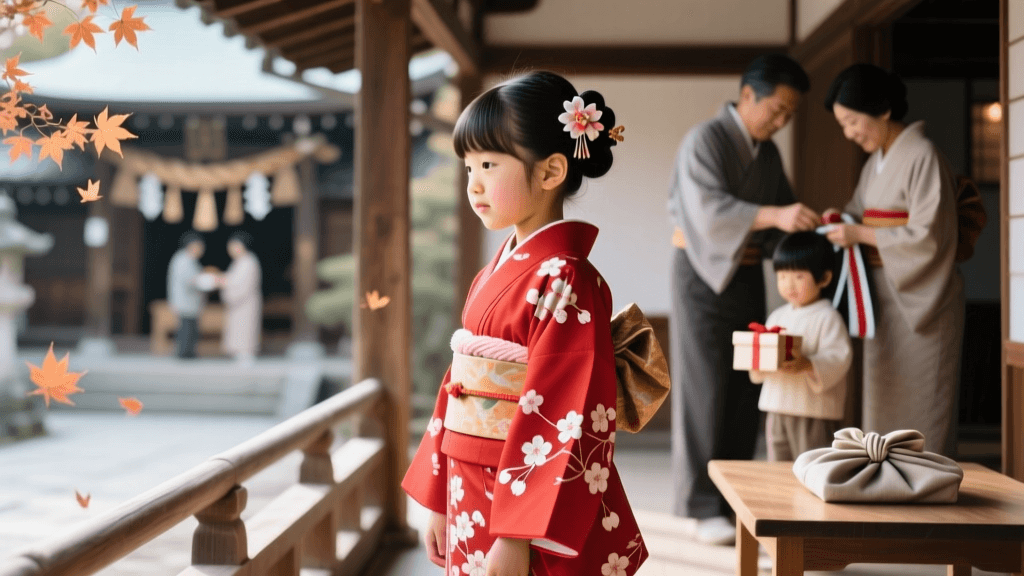
Held annually on November 15th, Shichi-Go-San is a traditional rite of passage for three- and seven-year-old girls, and three- and five-year-old boys. The festival originated in the Heian period (794–1185) among court nobles and later spread to the samurai and commoner classes during the Edo period. Historically, childhood mortality rates were high, and these specific ages were considered critical milestones where children were believed to have survived the most vulnerable years of infancy. As noted in Tofugu's cultural deep-dive into the festival's history, children were not even considered official members of society or registered in local ledgers until the age of three. Today, families dress their children in exquisite traditional attire and visit Shinto shrines to pray for their continued health, longevity, and prosperity.
Age Significance and Garment Types
The garments worn during Shichi-Go-San are highly specific to the child's age and gender, reflecting historical coming-of-age rituals that have since been folded into this single festival.
- Three-Year-Old Girls and Boys (Kamioki): Historically, this age marked the time when children were first allowed to grow their hair. Today, three-year-old girls typically wear a bright, colorful kimono paired with a hifu—a padded, sleeveless silk vest worn over the obi sash. The hifu is designed to hide the complex knotting of the obi, making it comfortable for toddlers. Three-year-old boys traditionally wear a simple kimono with a haori (jacket), though many modern families opt for the hifu as well for ease of wear.
- Five-Year-Old Boys (Hakamagi): This milestone celebrates a boy's first time wearing a hakama (pleated trousers). The outfit consists of a formal kimono, a hakama with a stiff front panel, a haori jacket adorned with the family crest (kamon), and white tabi socks with straw or silk zori sandals. A traditional fan (ogi) and a protective amulet sword are often tucked into the hakama's waistband.
- Seven-Year-Old Girls (Obitoki): At age seven, girls transition from the simple hifu to wearing a formal kimono tied with a real, structured obi sash, much like adult women. However, to accommodate their smaller frames, a bright red or pink silk cord called a shigoki is tied around the waist to gather the excess fabric, and the sleeves are tucked to create the ohashori (the fold at the waist). The look is completed with elaborate kanzashi (hair ornaments) and a decorative purse.
Practical Guide: Sizing, Costs, and Rentals
Acquiring Shichi-Go-San attire requires careful planning. While purchasing a silk set can be a beautiful heirloom investment, the vast majority of modern Japanese families opt for rental services due to the rapid growth of children and the high cost of silk maintenance. According to Japan Guide's comprehensive overview of Shichi-Go-San, shrine visits peak in mid-November, meaning early booking is critical.
| Milestone | Target Age | Primary Garment | Avg. Rental Cost (JPY) | Purchase Cost (JPY) | Booking Lead Time |
|---|---|---|---|---|---|
| Shichi-Go-San | 3 (Girls/Boys) | Hifu vest over kimono | ¥5,000 - ¥12,000 | ¥30,000 - ¥60,000 | 2-3 Months |
| Shichi-Go-San | 5 (Boys) | Hakama, Haori, Kimono | ¥7,000 - ¥15,000 | ¥40,000 - ¥80,000 | 2-3 Months |
| Shichi-Go-San | 7 (Girls) | Full Kimono with Obi | ¥10,000 - ¥20,000 | ¥50,000 - ¥150,000 | 3-4 Months |
| Seijin no Hi | 20 (Women) | Furisode (Long Sleeves) | ¥50,000 - ¥150,000 | ¥250,000 - ¥1,000,000+ | 6-12 Months |
| Seijin no Hi | 20 (Men) | Hakama / Western Suit | ¥15,000 - ¥40,000 | ¥80,000 - ¥300,000 | 3-6 Months |
Note: Rental packages almost always include professional dressing (kitsuke), hair styling, and commemorative studio photography. Purchasing requires separate budgeting for accessories and dressing services.
Seijin no Hi: Coming-of-Age Day Traditions
Held on the second Monday of January, Seijin no Hi celebrates young adults who have reached the age of majority. Historically set at 20 years old, this is the age when Japanese citizens are legally permitted to drink alcohol, smoke, and gamble. Although Japan officially lowered the legal age of adulthood to 18 in April 2022, the vast majority of municipalities and families continue to celebrate the coming-of-age ceremony at 20. This is largely because 18-year-olds are typically in the midst of rigorous university entrance examinations, and the traditional attire is deeply tied to the age of 20. Consequently, many local governments have rebranded the event as the "Twenty-Year-Old Gathering" (Hatachi no Tsudoi) to avoid legal confusion while preserving the cultural heritage, as detailed in Japan Guide's notes on Seijin no Hi.
Furisode vs. Hakama: Young Adult Choices
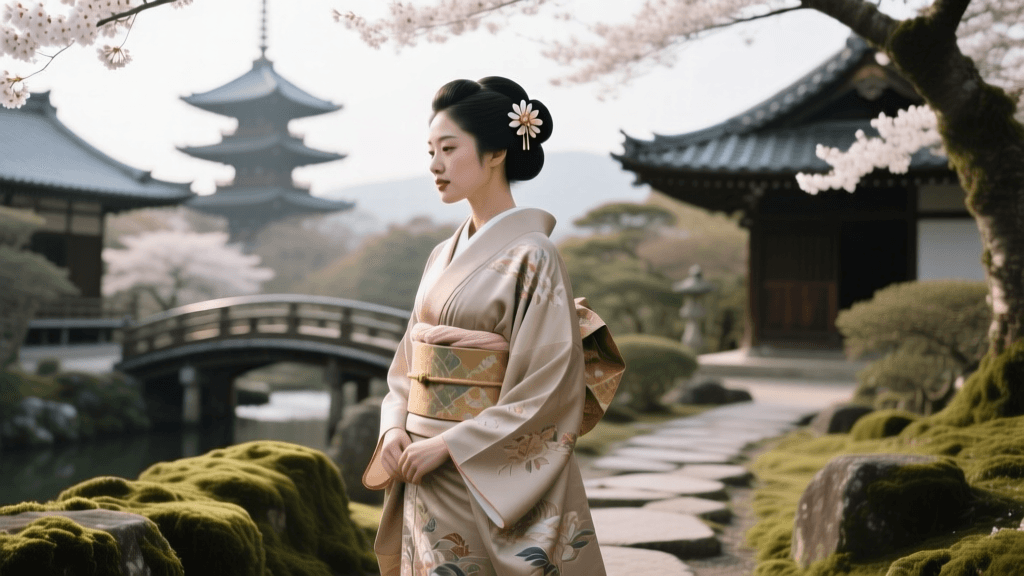
The undisputed star of Seijin no Hi is the furisode, the most formal kimono worn by unmarried young women. The defining feature of the furisode is its dramatically long, swinging sleeves, which historically served to ward off evil spirits and express romantic interest through subtle movements.
There are three distinct classifications of furisode based on sleeve length (sode-take):
- Ofurisode (Large Furisode): Sleeves measure approximately 114 cm (45 inches). This is the most formal and dramatic style, often seen at coming-of-age ceremonies and weddings.
- Chufurisode (Medium Furisode): Sleeves measure around 100 cm (39 inches). This is the most common and practical choice for Seijin no Hi, offering a balance of elegance and mobility.
- Kofurisode (Small Furisode): Sleeves measure about 85 cm (33 inches). Rarely seen today, this style is sometimes worn for graduation ceremonies (sotsugyoshiki) paired with a hakama.
For young men, the traditional choice is a dark, formal montsuki haori hakama ensemble featuring the family's five crests. However, in contemporary Japan, it is estimated that over 80% of young men opt for Western business suits for their coming-of-age ceremonies, reserving the hakama for university graduations or martial arts demonstrations.
Preparation Timeline and Budgeting
Securing a furisode is a major logistical and financial undertaking. Because the most popular patterns and colors are snatched up quickly, young women often begin selecting their furisode up to a year in advance. Rental packages for Seijin no Hi are comprehensive but expensive, typically ranging from ¥50,000 to ¥150,000. These packages include the furisode, undergarments (nagajuban), obi, obi-jime (cord), zori sandals, a small handbag, professional hair and makeup, dressing assistance, and a photoshoot. If purchasing a bespoke or high-end retail furisode set, costs can easily exceed ¥500,000, with luxury silk weaves like Nishijin-ori or Yuzen-dyed masterpieces reaching into the millions of yen.
Dressing Etiquette and Care Instructions
Wearing a kimono requires specialized knowledge, known as kitsuke. For children's kimono, the primary concern is comfort and safety; the hifu vest is specifically designed to prevent the toddler from tripping over a heavy obi knot. For young women in furisode, posture and movement are key. The long sleeves must be managed carefully to avoid knocking over tea cups or dragging on the ground. When sitting, the sleeves are gracefully gathered and draped over the thighs.
Cultural Insight: The act of swinging the furisode sleeves was traditionally a non-verbal form of communication. Swinging the sleeves toward a suitor indicated affection, while swinging them away signaled rejection. Today, the long sleeves remain a symbol of youth, vitality, and the unwed status of the wearer.
Sizing and Measurement Guide
Unlike Western clothing, kimono are largely one-size-fits-all, adjusted during the dressing process. However, two critical measurements must be taken to ensure a proper fit, especially for rentals:
- Yuki (Sleeve Length): Measured from the center of the back of the neck, over the shoulder, and down to the wrist bone. For a standard adult woman, this is usually between 62 cm and 68 cm. If the yuki is too short, the wrists will show; if too long, the fabric will bunch awkwardly.
- Mitake (Body Length): Measured from the base of the neck down to the desired hemline (typically the ankle bone). The kimono's actual length is longer than the mitake to allow for the ohashori fold at the waist, which is mandatory for women's formal wear.
Silk Care and Maintenance
Traditional kimono are crafted from silk, a delicate protein fiber that requires meticulous care. After wearing, the garment must be aired out to remove moisture and odors. It should never be stored in plastic, which traps humidity and promotes mold growth. Instead, kimono are wrapped in breathable tatoushi (specialized washi paper) and stored in drawers made of paulownia wood (kiri), which naturally regulates humidity and repels insects. Twice a year, typically in the dry, breezy days of late autumn, families perform mushiboshi—the ritual of airing out the kimono in the shade to prevent mold and inspect the fabric for stains. For modern families who rent or rarely wear their purchased silk garments, professional kimono cleaning services (arai-hari) are utilized to safely dismantle, wash, and re-stretch the fabric bolts.
Conclusion
The traditions of Shichi-Go-San and Seijin no Hi represent much more than an excuse to wear beautiful clothing; they are profound cultural anchors that connect modern Japanese families to their ancestral past. Whether navigating the vibrant, padded vests of a three-year-old or investing in the sweeping elegance of a twenty-year-old's furisode, understanding the historical context, financial commitments, and practical logistics of these garments ensures that these milestones are celebrated with grace, respect, and enduring beauty.