Kyoto Destination Weddings: A Complete Kimono Guide
Why Choose a Kimono for Your Kyoto Destination Wedding?
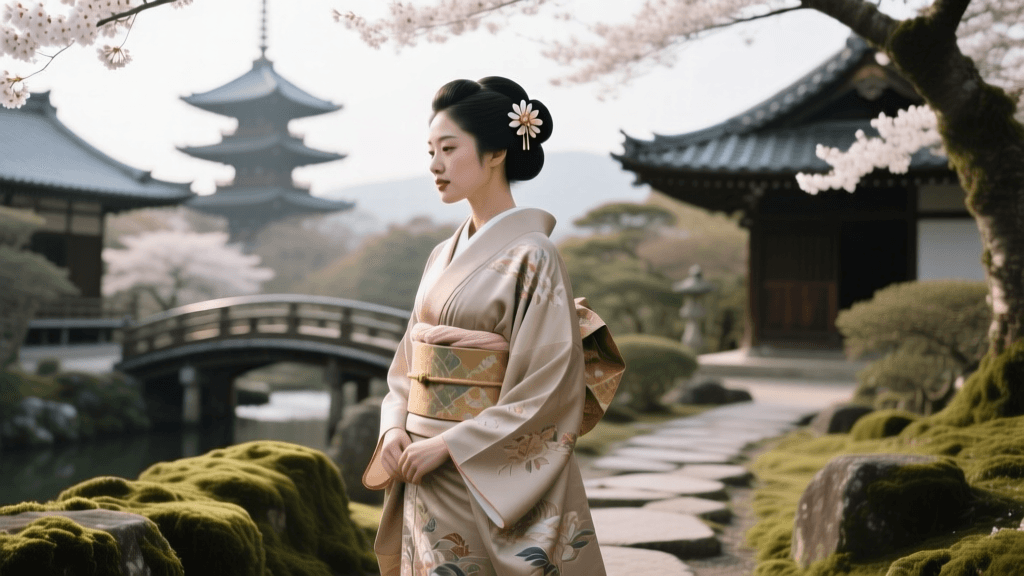
Kyoto, with its misty bamboo groves, ancient Shinto shrines, and meticulously preserved machiya townhouses, offers an unparalleled backdrop for a destination wedding. For couples seeking to immerse themselves in Japanese heritage, donning a traditional bridal kimono is a profound way to honor the culture while celebrating their union. However, navigating the complexities of bridal kimono rentals, dressing logistics, and shrine etiquette requires careful planning. This comprehensive guide provides actionable advice for integrating authentic Japanese garments into your Kyoto destination wedding, ensuring your special day is as seamless as it is beautiful.
Shiromuku vs. Iro-Uchikake: Choosing Your Bridal Kimono
The Japanese bridal trousseau is a marvel of textile artistry. According to the Victoria and Albert Museum, the kimono is not merely a garment but a canvas of cultural symbolism, reflecting centuries of weaving and dyeing traditions. For weddings, brides typically choose between the shiromuku and the iro-uchikake.
The shiromuku is an entirely white ensemble, symbolizing purity and the bride's willingness to be "dyed" in the colors of her new family. It consists of multiple layers, including the kakeshita (the main kimono) and the uchikake (the padded outer robe). The white silk is often woven with subtle, auspicious patterns that only reveal themselves in direct sunlight.
Conversely, the iro-uchikake features vibrant colors—often deep reds, golds, or blacks—adorned with elaborate motifs like cranes (tsuru) for longevity, pine trees (matsu) for endurance, and plum blossoms (ume) for perseverance. Many modern brides opt to wear a shiromuku for the formal Shinto ceremony and change into an iro-uchikake for the reception and photography sessions.
Comparison Table: Bridal Kimono Styles
| Garment Type | Primary Color | Symbolism | Best Used For | Approx. Weight |
|---|---|---|---|---|
| Shiromuku | Pure White | Purity, new beginnings, maidenhood | Shrine Ceremonies, Rituals | 15 - 20 kg |
| Iro-Uchikake | Vibrant Colors | Joy, prosperity, celebration | Receptions, Photography | 12 - 18 kg |
| Hikifurisode | Black / Deep Tones | Formal elegance, maturity | Receptions, Modern Weddings | 10 - 15 kg |
The Art of Kitsuke: Dressing on the Big Day
The process of dressing, known as kitsuke, is an intricate ritual that takes between 1.5 to 2.5 hours. A professional kitsuke-shi (kimono dresser) will use numerous small towels to pad the body, creating the traditional cylindrical silhouette that prevents the kimono from clinging to the body's natural curves. This silhouette is essential for the garment to drape correctly and maintain its structural integrity throughout the day.
The layering begins with the hadajuban (under-kimono) and susoyoke (half-slip), followed by the nagajuban (robe) and finally the heavy outer layers. The obi (sash) used for brides is typically a maru-obi or fukuro-obi, woven with metallic threads and tied in elaborate knots like the bunko (butterfly) or otaiko (drum) style. Because the complete ensemble can weigh up to 20 kilograms (44 pounds), brides must prepare for limited mobility. It is highly recommended to practice walking in zori (traditional sandals) beforehand and to eat a light, high-protein breakfast, as eating a large meal before dressing will make the obi uncomfortably tight.
Essential Bridal Accessories
Brides must also carefully select their headwear and accessories to complete the ensemble:
- Wataboshi: A white silk hood that acts as a veil, hiding the bride's face from everyone except the groom until the ceremony concludes.
- Tsunokakushi: Literally translating to "horn-hiding," this is a white band worn over the traditional bunkin-takashimada bridal wig, symbolizing the bride's resolve to hide any "horns" of jealousy or selfishness.
- Kanzashi: Ornate hairpins often made of tortoiseshell, gold, or lacquer, meticulously placed into the bridal wig or natural updo.
- Hakoseko & Sensu: A decorative mirror case and a folding fan, respectively, both tucked elegantly into the obi.
Groom's Attire: The Montsuki Hakama
The groom traditionally wears a montsuki hakama, a formal ensemble consisting of a black silk kimono adorned with five family crests (mon) and a pleated, skirt-like hakama. The haori (jacket) is worn over the kimono, secured with a braided haori-himo cord. This attire is much lighter and easier to move in than the bride's ensemble, but still requires a professional dresser to ensure the hakama's pleats are perfectly aligned and the obi is tied securely in the kai-no-kuchi knot. Grooms should ensure their tabi (split-toe socks) are pristine white and that their zori are properly fitted to their foot size.
Budgeting for Your Bridal Kimono Experience
Renting a bridal kimono in Kyoto is significantly more cost-effective than purchasing one, which can easily cost upwards of ¥3,000,000 ($20,000 USD) for authentic, hand-woven silk. Rental packages at established Kyoto salons typically range from ¥150,000 to ¥450,000 ($1,000 to $3,000 USD). These packages often include the garment rental, dressing fee, hair and makeup, and basic accessories.
Estimated Cost Breakdown (in JPY and USD)
| Service / Item | Low End (JPY) | High End (JPY) | Approx. USD Equivalent |
|---|---|---|---|
| Kimono Rental (Shiromuku or Iro-Uchikake) | ¥80,000 | ¥200,000 | $550 - $1,350 |
| Kitsuke (Dressing) & Hair/Makeup | ¥40,000 | ¥80,000 | $270 - $540 |
| Bilingual Wedding Coordinator (Day Rate) | ¥50,000 | ¥100,000 | $340 - $680 |
| Shrine Ceremony Fee (Hatsuho-ryo) | ¥50,000 | ¥150,000 | $340 - $1,000 |
Venue Etiquette and Practical Tips
Kyoto is home to thousands of shrines and temples, but not all permit foreign or non-local weddings. Venues like Heian Jingu, Kamigamo Shrine, and Shiramine Jingu are accustomed to hosting international couples and offer breathtaking architecture. The Metropolitan Museum of Art notes that the architectural and textile harmony in Japanese ceremonial spaces is deeply tied to Shinto beliefs of purity and nature, making these locations profoundly meaningful for a wedding.
When walking the sando (approach path) to the shrine, it is crucial to walk on the outer edges, as the center is reserved for the kami (deities). Furthermore, brides must master the suriashi (sliding step) to navigate the uneven gravel paths without tripping in their floor-length uchikake or losing their zori. Keep your steps small, slide your feet forward without lifting your heels too high, and rely on your partner or an attendant for balance on stairs.
Planning Timeline and Logistics
To ensure a stress-free experience, book your kimono salon 9 to 12 months in advance. Peak seasons for Kyoto weddings and tourism are spring (cherry blossoms in April) and autumn (maple leaves in November), meaning top-tier salons and popular shrines book out over a year in advance. Ensure your salon offers bilingual support or hire an independent bilingual wedding planner to bridge the communication gap regarding specific fitting requests, timeline management, and weather contingencies. For more information on navigating Kyoto's cultural sites and seasonal events, the Kyoto City Tourism Association provides excellent resources for international visitors planning extended stays around their ceremonies.