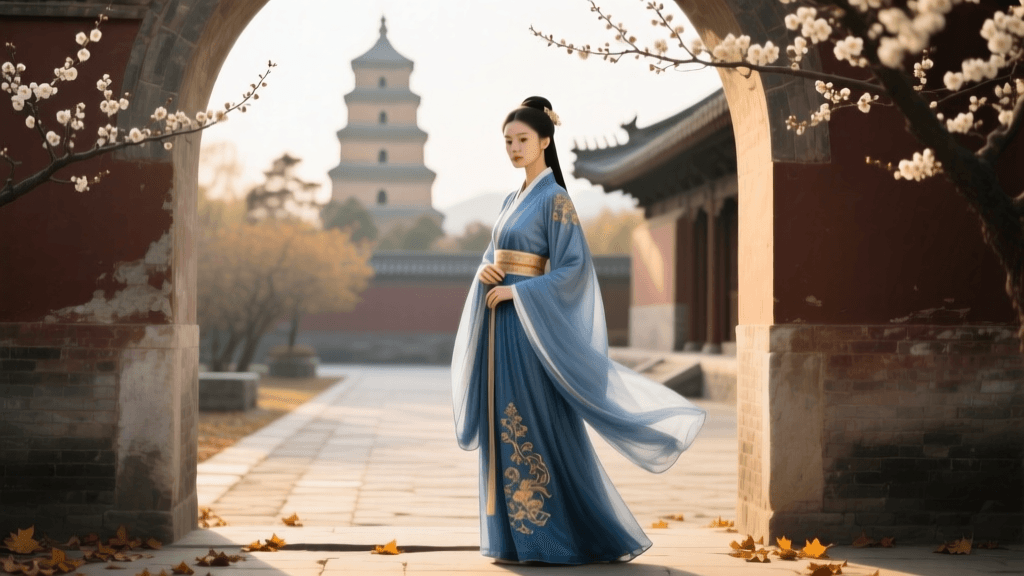
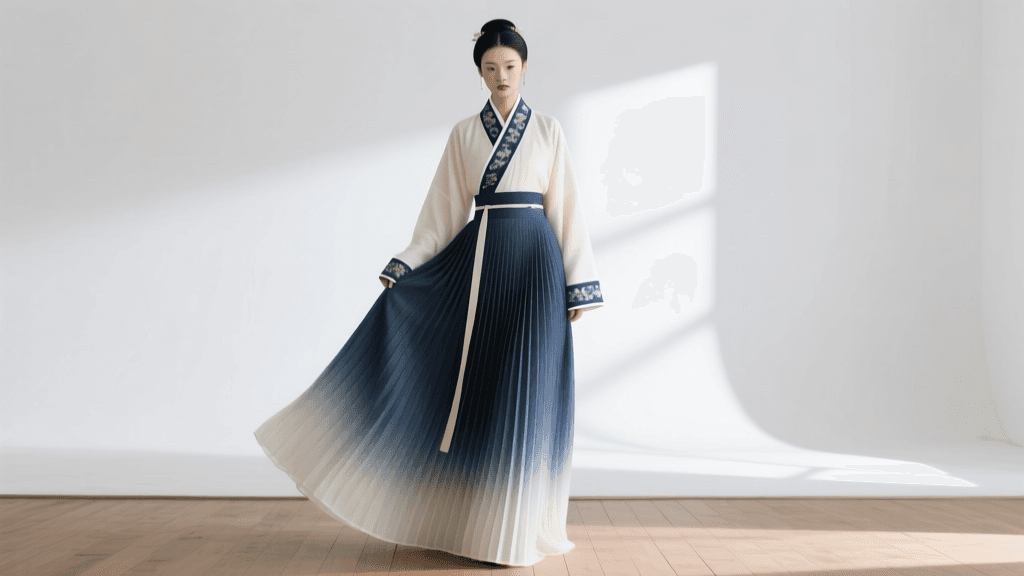
Hanfu Travel Photography in Jiangnan: Styling & Posing Guide
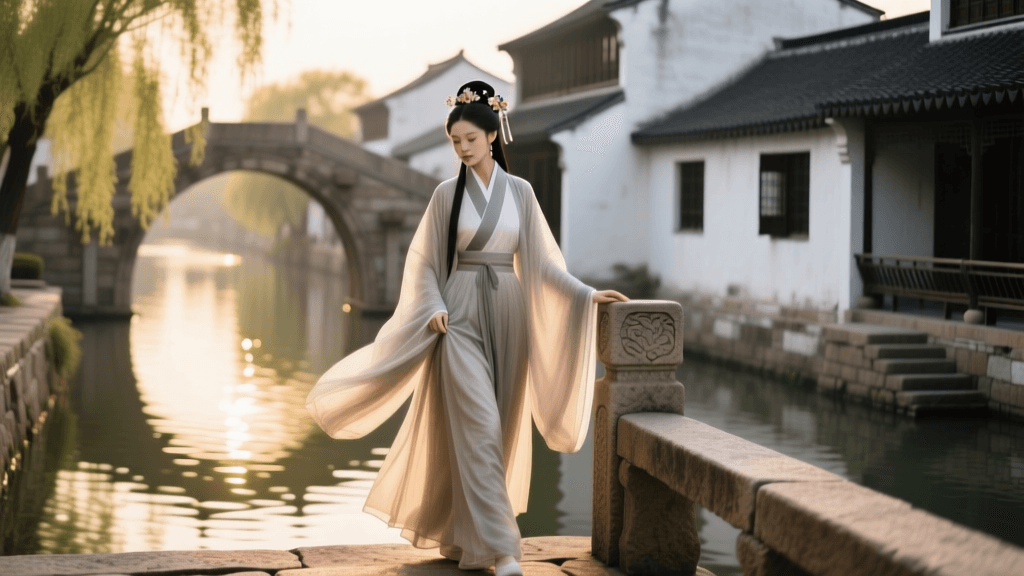
The Renaissance of Hanfu Travel Photography
The resurgence of traditional Chinese clothing has transformed the way travelers experience and document Asia's historical landscapes. What began as a niche internet subculture has blossomed into a massive cultural and economic movement. According to BBC Travel, the Hanfu movement has evolved into a mainstream tourism driver, with millions of young people donning historical garments to reconnect with their heritage. Furthermore, Reuters notes that the Hanfu market has exploded, turning ancient water towns and imperial gardens into vibrant, living runways.
For travel photographers and styling enthusiasts, the Jiangnan region—encompassing the famed water towns of Wuzhen, Xitang, and the classical gardens of Suzhou—offers the ultimate backdrop. The monochromatic palette of white-washed walls, dark grey roof tiles, and winding canals provides a striking contrast to the rich silks and intricate embroideries of traditional garments. This comprehensive guide will walk you through the practical, technical, and artistic elements of mastering Hanfu travel photography in Jiangnan.
Color Theory: Dressing for the Jiangnan Palette
The architecture of Jiangnan is famously restrained. To make your subject pop against the misty, grey-toned backdrops, color selection is paramount. Avoid stark whites or greys, which will cause the subject to blend into the walls and fog. Instead, opt for:
- Celadon and Jade Greens: These colors harmonize with the weeping willows and mossy stone bridges, creating a serene, scholarly aesthetic.
- Deep Crimson and Maroon: Highly effective for Ming Dynasty garments, providing a dramatic, royal contrast against the pale architecture.
- Soft Pastels (Lotus Pink, Pale Yellow): Ideal for spring travel photography, echoing the blooming flora of the classical gardens.
Choosing Your Dynasty: Song vs. Ming
Hanfu is not a monolith; it spans thousands of years of evolving silhouettes. For Jiangnan travel photography, the Song and Ming dynasties are the most historically resonant and visually striking choices. Below is a comparison to help you select the right wardrobe for your shoot.
| Feature | Song Dynasty Hanfu | Ming Dynasty Hanfu |
|---|---|---|
| Silhouette | Slender, minimalist, layered, and flowing | Structured, voluminous, majestic, and grounded |
| Key Garments | Beizi (open-front jacket), Songku (trousers), Moxiong (tube top) | Mamianqun (horse-face skirt), Ao (lined jacket), Pibo (silk ribbon) |
| Best Vibe | Ethereal, scholarly, poetic, understated elegance | Royal, wealthy, dramatic, highly ornate |
| Ideal Locations | Bamboo forests, quiet tea houses, narrow alleyways | Grand pavilions, wide stone bridges, main canals |
| Fabric Focus | Lightweight silks, gauze, linen blends | Heavy jacquard weaves, brocade, velvet trims |
Styling Note for the Mamianqun
The Ming Dynasty Mamianqun (horse-face skirt) is currently the most viral garment in Chinese fashion. Its structured, knife-pleated sides and flat front/back panels create a stunning visual when in motion. However, because these skirts are often long and heavy, ensure your subject wears hidden platform shoes to prevent the hem from dragging through the damp, muddy streets of the water towns.
Essential Styling, Hair, and Authentic Props
A beautiful garment can be undermined by anachronistic styling. Modern makeup and loose, unstyled hair will instantly break the historical illusion.
Hair and Headpieces
For Song Dynasty styles, hair should be swept up in elegant, minimalist buns adorned with pearl hairpins or delicate jade Diancai (enamel inlay) pieces. For the Ming Dynasty, opt for taller, more elaborate updos featuring gold filigree and dangling Buyao (step-shake) hairpins that catch the light and add kinetic energy to your photos.
Makeup Aesthetics
Skip modern contouring and heavy eyeliner. Instead, embrace the traditional Huadian (forehead floral appliques) and pearl makeup, which was highly popular among Song dynasty nobility. A soft, diffused blush applied across the cheeks and the bridge of the nose creates a youthful, romantic look that translates beautifully on camera.
Props for Storytelling
Props give the subject something to do with their hands and add historical context. Essential props include:
- Yuzhisan (Oil-Paper Umbrella): Perfect for rainy or overcast days, which are common in Jiangnan. The translucency of the paper diffuses light beautifully.
- Tuanshan (Round Silk Fan): Ideal for framing the face, hiding the lower half of the face for a coy expression, or capturing dynamic motion.
- Guqin or Pipa (Traditional Instruments): Even if the subject cannot play, resting hands on a traditional instrument in a garden pavilion adds immense narrative depth.
Camera Gear and Lighting Techniques
Shooting in the narrow alleys and dense gardens of Jiangnan requires a specific approach to gear and light.
Lens Selection
- 35mm f/1.4: The ultimate environmental portrait lens. It allows you to capture the sweeping architecture of the white walls and black tiles while keeping the subject sharp. It is also wide enough to shoot inside cramped tea houses.
- 85mm f/1.8: Essential for compressing the background and isolating the intricate embroidery of a Ming Dynasty Ao jacket. The shallow depth of field will turn the distant lanterns or willow leaves into creamy bokeh.
Mastering the Jiangnan Light
Jiangnan is famous for its misty, overcast weather. Do not let a cloudy sky ruin your shoot; treat it as a giant natural softbox. Overcast light is perfect for capturing the subtle, tonal jacquard weaves of Ming dynasty skirts without harsh shadows washing out the details. If the sky is completely grey, use a reflector to bounce soft light into the subject's eyes. For dramatic shots, aim for the 'Golden Hour' just after sunrise (around 6:00 AM in summer) when the mist is still clinging to the canals and the tourist crowds have not yet arrived.
Posing Dynamics: Moving in Historical Garments
Posing in Hanfu requires an understanding of the garment's physics and historical etiquette. Stiff, modern fashion poses will look entirely out of place.
The 'Lotus Step' and Skirt Management
When walking in a Mamianqun, the subject should practice the 'Lotus Step'—taking small, measured strides where the feet barely leave the ground. This prevents the heavy pleats from tangling and creates a gliding, ethereal motion. To capture the pleats in action, have the subject walk toward the camera, then suddenly stop and turn slightly. The momentum will cause the side pleats to fan out spectacularly.
Utilizing the Pibo (Silk Ribbon)
The Pibo is a long silk scarf draped over the arms. To create dynamic, sweeping lines, have the subject hold the ends of the Pibo and gently toss them upward just before you press the shutter. Use a fast shutter speed (1/500s or higher) to freeze the silk in mid-air, creating a halo-like effect that emphasizes the heavenly aesthetic of the Tang and Ming silhouettes.
Hand Placement and Posture
Historical posture emphasizes a straight back, slightly lowered shoulders, and a tucked chin. Hands should never hang limply at the sides. Instruct your subject to gently clasp their hands in front of their waist (a traditional greeting posture), lightly touch a hairpin, or hold a fan with the fingertips gracefully extended, resembling orchid petals.
Location Scouting: Wuzhen and Suzhou
Knowing exactly where to stand is half the battle in travel photography.
Wuzhen (West Scenic Zone / Xizha)
Wuzhen is meticulously preserved and highly photogenic. Fengqiao Bridge offers a high vantage point to shoot down at a subject standing on a wooden rowboat. The Wuzhen Post Office area provides beautiful, textured wooden doors and vintage brass elements that complement the earthy tones of Song dynasty linen garments. Pro Tip: Stay overnight inside the West Scenic Zone. This grants you exclusive access to the streets at dawn, allowing you to shoot without thousands of tourists in your background.
Suzhou (Humble Administrator's Garden)
Classical Chinese gardens are masterclasses in 'borrowed scenery' and framing. Use the circular Moon Gates as natural frames for your subject. Position your subject deep within the garden's zig-zag corridors, using the 85mm lens to compress the layers of lattice windows, rocks, and bamboo behind them. Pro Tip: Arrive exactly at 7:30 AM when the gates open. The light filtering through the ancient ginkgo trees at this hour is magical, and you will have the pavilions entirely to yourself.
Practical Logistics: Renting, Weather, and Timing
If you are traveling to China specifically for this shoot, you do not need to pack heavy garments. Towns like Wuzhen and Xitang are saturated with Hanfu rental and styling studios. A full package—including a high-quality, historically accurate garment, professional hair styling, traditional makeup, and props—typically costs between 399 RMB and 899 RMB ($55 to $125 USD). Always inspect the hems and collars of rental garments for stains before leaving the shop.
Finally, respect the weather. Jiangnan's plum rain season (Meiyu) occurs in June and July. While the rain creates stunning reflections on the cobblestones and canal surfaces, humidity can cause historical makeup to melt and hair to frizz. Bring blotting papers, a high-quality setting spray, and an anti-frizz serum. Embrace the rain, use your oil-paper umbrella, and capture the melancholic, poetic beauty that has inspired Chinese artists for over a thousand years.