Hanfu Travel Guide: Styling For Chinese Heritage Sites
The Rise of Hanfu Tourism and the Guochao Movement
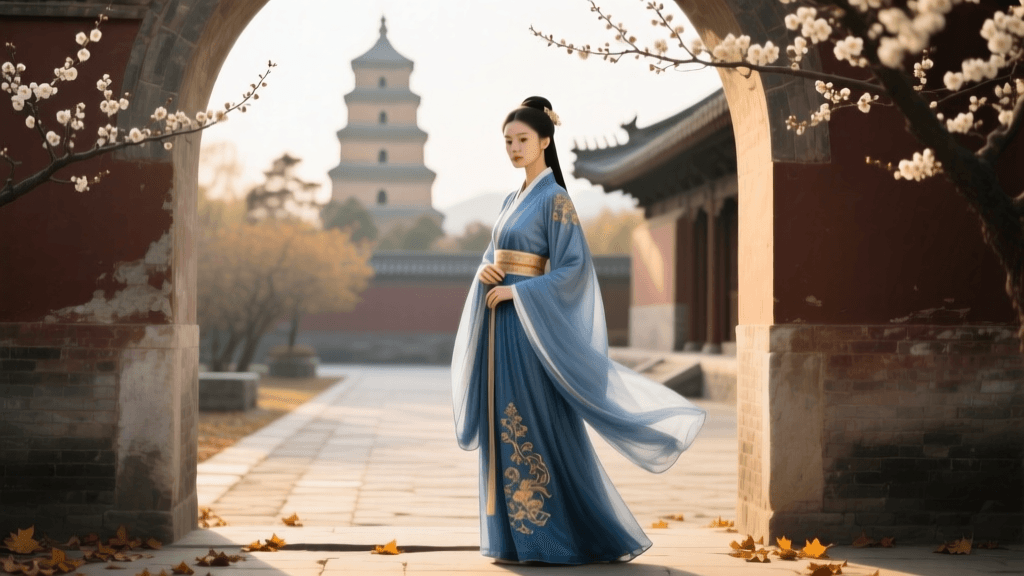
Over the past decade, China has witnessed a monumental cultural revival known as the Guochao (national trend) movement. At the heart of this phenomenon is the resurgence of Hanfu, the traditional clothing of the Han Chinese. No longer confined to niche hobbyist circles or museum exhibits, Hanfu has transformed into a vibrant lifestyle choice and a massive driver of domestic and international tourism. Today, iconic heritage sites across China are not just historical landmarks; they are sprawling, open-air runways where travelers immerse themselves in living history.
For content creators, travel enthusiasts, and cultural historians alike, styling Hanfu for destination tourism offers a unique opportunity to connect with the past while creating stunning visual narratives for platforms like Xiaohongshu (Little Red Book), Douyin, and Instagram. However, achieving historical harmony between your garment and your destination requires careful planning. This comprehensive guide will walk you through matching specific Hanfu styles to China’s most iconic heritage sites, navigating the economics of renting versus buying, and mastering social media photography.
Matching Hanfu Styles to Heritage Destinations
China’s dynastic history is vast, and the architectural styles of different regions naturally align with the clothing of the eras that shaped them. Wearing a garment that matches the historical context of your destination elevates your photography from a simple costume shoot to a cohesive piece of cultural storytelling.
Xi’an: The Tang Dynasty Aesthetic
Xi’an, the ancient capital of Chang’an, is synonymous with the opulent, cosmopolitan Tang Dynasty (618–907 AD). The city’s Datang Everbright City and the ancient City Wall are the ultimate backdrops for Tang-style Hanfu.
- The Garment: The Qixiong Ruqun (chest-high skirt) paired with a Daxiushan (large-sleeved robe). Tang fashion was characterized by bold, vibrant colors, intricate floral embroidery, and flowing silhouettes that reflected the era’s wealth and Silk Road influences.
- Styling & Makeup: Tang makeup is iconic. Incorporate Huadian (forehead decals) shaped like plum blossoms or gold leaf, and draw exaggerated, sweeping eyebrows. Hair should be styled in elaborate updos adorned with gold Buyao (dangling hairpins) and silk peonies.
- Best Locations: The Wild Goose Pagoda at dusk when the lanterns are lit, or the bustling pedestrian streets of Datang Everbright City.
Beijing: Ming Dynasty Elegance and Structure
Beijing’s imperial architecture, particularly the Forbidden City and the Temple of Heaven, perfectly complements the structured, dignified silhouettes of the Ming Dynasty (1368–1644 AD).
- The Garment: The Aoqun (a lined jacket paired with a skirt). The undisputed star of Ming fashion is the Mamianqun (horse-face skirt), characterized by its flat front and back panels with heavily pleated sides. The Mamianqun often features elaborate woven gold or silver threads (zhuanghua) along the hems.
- Styling & Makeup: Ming aesthetics favor elegance and restraint. Opt for a sleek, low bun secured with a jade or pearl-encrusted Dizan (hair stick). Makeup should feature a matte base, subtle blush, and deep red lip tints.
- Best Locations: The red walls and golden glazed roof tiles of the Forbidden City, or the ancient cypress trees surrounding the Temple of Heaven. Autumn is the best season, as the golden ginkgo leaves contrast beautifully with deep red and navy Ming garments.
Hangzhou: Song Dynasty Minimalism
Hangzhou, famous for the poetic West Lake, was the capital of the Southern Song Dynasty (1127–1279 AD). The aesthetic here is intellectual, slender, and deeply connected to nature.
- The Garment: The Beizi (a long, open-front coat with side slits) worn over a slender skirt and a delicate inner top. Song Dynasty colors lean heavily into pastels, celadon greens, soft pinks, and muted earth tones, reflecting the influence of Song landscape painting and ceramics.
- Styling & Makeup: Keep hair relatively simple, perhaps half-up with a wooden or tortoiseshell hairpin. Song dynasty makeup often featured subtle pearl accents on the cheeks and temples, known as zhenzhuang.
- Best Locations: The stone bridges of West Lake, the bamboo forests of Lingyin Temple, or traditional tea houses surrounded by lotus ponds.
Practical Guide: Renting vs. Buying Hanfu for Travel
When planning a Hanfu-focused trip, travelers must decide whether to rent locally or purchase their own garments. The Hanfu market has matured significantly, offering options for every budget and commitment level. For those interested in the textiles themselves, it is worth noting the rich heritage of Chinese sericulture, recognized globally for its intricate craftsmanship and historical importance in creating these beautiful garments Sericulture and silk craftsmanship of China.
| Factor | Renting Locally (e.g., Xi'an / Beijing) | Buying Online (e.g., Taobao / Tmall) |
|---|---|---|
| Average Cost | 199 – 399 RMB ($28 – $55 USD) for a full package (outfit, hair, makeup). | 150 – 800+ RMB ($20 – $110+ USD) per garment, excluding accessories and makeup. |
| Convenience | High. Shops are clustered near tourist sites; staff handle dressing and complex hairstyling. | Low to Medium. Requires research, sizing checks, and shipping times (usually 7-15 days for pre-orders). |
| Quality & Fit | Variable. Garments are mass-produced for durability; sizing is usually one-size-fits-most with tie closures. | High. You can select specific historical accuracies, premium fabrics (like real silk or jacquard), and tailored fits. |
| Best For | First-time travelers, short trips, and those wanting a hassle-free, all-inclusive makeup and hair experience. | Dedicated enthusiasts, multi-city tours, and content creators needing specific, high-quality visual details. |
Pro-Tip for Renting: If you choose to rent in cities like Xi’an, book your appointment via local mini-programs or Dianping at least 24 hours in advance. Arrive early in the morning (around 9:00 AM) to secure the best-condition garments and avoid the midday rush of makeup artists.
Mastering Social Media Photography in Hanfu
Capturing the perfect Hanfu travel photo for Xiaohongshu or Instagram requires more than just a beautiful outfit; it requires an understanding of light, movement, and cultural props. The modern Hanfu movement, deeply rooted in historical accuracy and cultural pride, has seen exponential growth over the last decade Hanfu, and the visual standards on social media are incredibly high.
Timing, Lighting, and Lenses
Heritage sites in China are notoriously crowded. To capture pristine, crowd-free images, timing is everything.
- The Golden Hours: Arrive at sites like the Forbidden City or West Lake right at opening time (usually 8:00 AM or 8:30 AM) or stay until the last hour before closing. The soft, directional light during these windows adds a cinematic, historical depth to your photos.
- Lens Selection: For environmental portraits that showcase the architecture alongside the flowing sleeves of a Daxiushan, a 35mm or 50mm prime lens is ideal. For intimate, detail-oriented shots highlighting the embroidery on a Mamianqun or the texture of jade hairpins, an 85mm lens provides beautiful subject separation and background compression.
Essential Props for Authenticity
Empty hands can make poses feel stiff and unnatural. Incorporating historically appropriate props not only solves the "what do I do with my hands" problem but also adds narrative depth to your content.
- Oil-Paper Umbrellas (Youzhisan): Perfect for Song and Ming dynasty aesthetics, especially in rainy or overcast weather (which is common in Hangzhou).
- Round Silk Fans (Tuanshan): Essential for Tang and Song styles. Look for fans painted with traditional plum blossoms, cranes, or mountain landscapes.
- Lanterns and Candles: Crucial for night photography in places like Datang Everbright City. A warm-toned LED lantern safely mimics candlelight and beautifully illuminates the face and the upper chest embroidery.
- Bamboo Flutes or Guqin: Ideal for creating a scholarly, intellectual vibe associated with the literati class of the Song and Ming dynasties.
Posing and Movement for Video and Photo
Static posing often fails to capture the engineering brilliance of traditional Chinese tailoring. Hanfu is designed to be experienced in motion.
- The Skirt Spin: The pleated sides of the Ming Mamianqun are designed to flare out spectacularly when spinning. Have your photographer shoot at a fast shutter speed (1/500 or higher) or use slow-motion video (60fps or 120fps) to capture the skirt blooming like a flower.
- Sleeve Tossing: For Tang and Wei-Jin styles with extended cuffs, practice the "sleeve toss." Flick your wrists outward and upward to create dramatic, sweeping arcs of fabric in the air.
- Architectural Framing: Use the circular moon gates, lattice windows, and sweeping eaves of traditional Chinese gardens to frame your subject. This technique, known as kuangjing (framing the scenery), is a staple in Chinese visual arts and performs exceptionally well on social media algorithms.
Conclusion: Traveling Through Time
Traveling in Hanfu is more than a photographic trend; it is a profound way to engage with Asian traditions and the architectural marvels of China. By thoughtfully matching your dynastic style to your destination, understanding the practicalities of the local rental markets, and applying culturally informed photography techniques, you can create a travel experience that is both visually breathtaking and deeply respectful of history. Whether you are twirling a Tang dynasty skirt under the lanterns of Xi’an or walking quietly in a Ming dynasty jacket through the shadows of the Forbidden City, your journey will contribute to the vibrant, living tapestry of the modern Hanfu revival.