Shibori, Yuzen, and Kasuri: A Guide to Japanese Resist Dyeing
Introduction to Japanese Resist Dyeing
The world of traditional Japanese garments is deeply intertwined with the mastery of textile dyeing. For centuries, artisans have utilized resist-dyeing techniques to create intricate, breathtaking patterns on silk, cotton, and hemp. Unlike surface printing, resist dyeing involves physically or chemically blocking specific areas of the fabric from absorbing dye, resulting in vibrant contrasts and organic textures. According to the Metropolitan Museum of Art, Japanese textile arts represent some of the most sophisticated dyeing and weaving traditions in global history, heavily influencing both historical kimono culture and modern global fashion.
For collectors, vintage enthusiasts, and cultural preservationists, understanding the nuances between the three primary Japanese resist-dyeing methods—Shibori, Yuzen, and Kasuri—is essential. Each technique requires distinct tools, timelines, and chemical processes. This comprehensive guide will help you identify, value, and properly care for these masterpieces of Asian textile heritage.
Shibori: The Art of Shaped Resist Dyeing
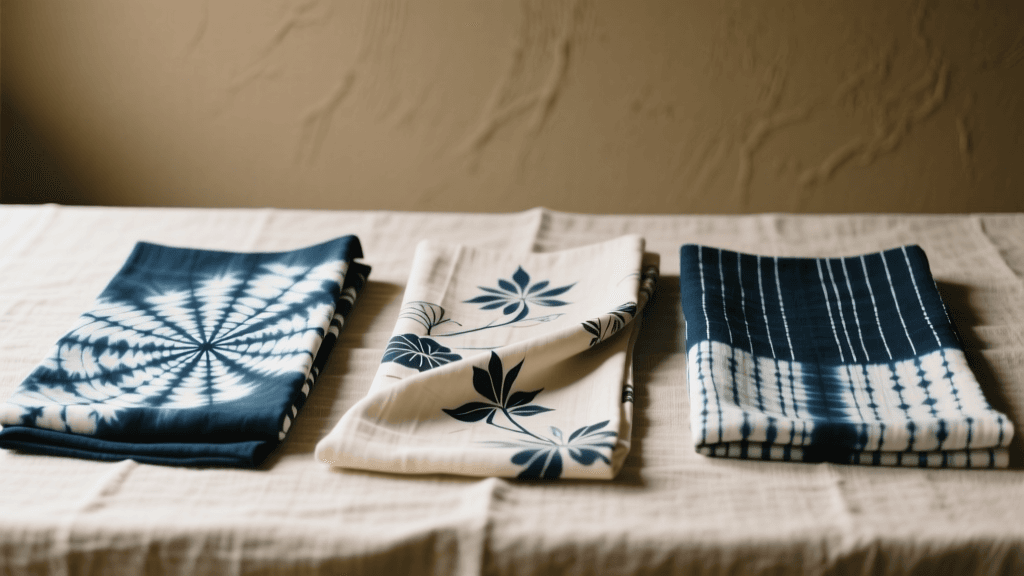
Shibori is arguably the most tactile of the Japanese dyeing arts. The word derives from the Japanese verb shiboru, meaning 'to wring, squeeze, or press.' Artisans manipulate the fabric through folding, twisting, binding, or clamping before submerging it in a dye vat, most traditionally natural indigo (ai).
Key Shibori Techniques
- Kanoko Shibori: Often compared to Western tie-dye, this involves binding small pinches of fabric with thread to create circular, dot-like patterns. A single kimono can require hundreds of thousands of individual ties, taking months to complete.
- Arashi Shibori: Translating to 'storm,' the fabric is wrapped diagonally around a PVC or wooden pole, tightly bound with thread, and then compressed. This creates striking, rain-like diagonal lines.
- Itajime Shibori: A shape-resist method where the fabric is folded and clamped between two pieces of carved wood or acrylic, preventing the dye from penetrating the clamped areas.
Identification and Sourcing
Authentic Shibori is highly dimensional. If you run your fingers over the fabric, you should feel the physical texture of the gathers and binds. If a garment features a Shibori pattern but the fabric is completely flat, it is a modern printed imitation. Vintage Shibori silk haori jackets typically range from $120 to $350, while highly complex, modern artisan pieces can exceed $2,000 due to the intense labor involved.
Yuzen: The Painterly Resist Technique
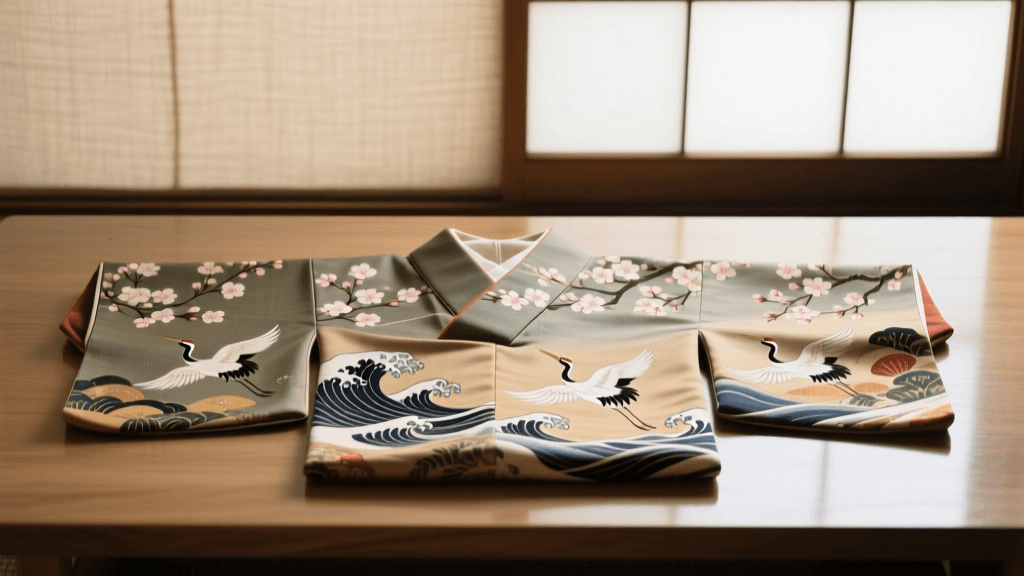
While Shibori relies on physical manipulation, Yuzen relies on chemical resist. Developed in the late 17th century by Miyazaki Yuzensai, this technique allows for incredibly detailed, painterly motifs that are impossible to achieve through binding. Yuzen is the premier dyeing method for formal silk kimono, featuring elaborate scenes of nature, cranes, and seasonal flora.
The Yuzen Process
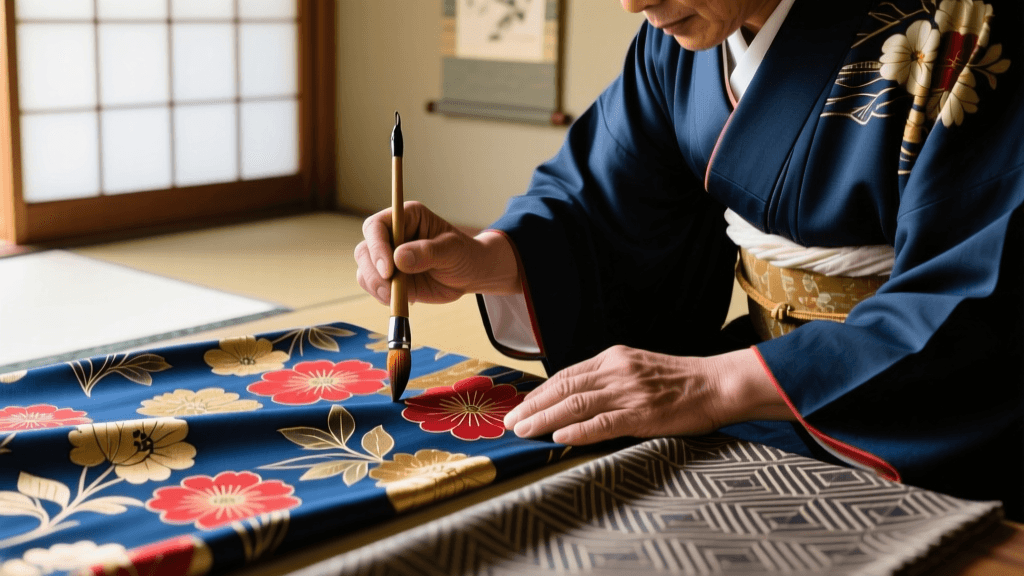
The traditional Yuzen process is painstakingly precise. First, a design is sketched onto the silk using dayflower juice (aobana), which washes out later. Next, artisans apply itome-nori, a thick rice-paste resist, along the outlines of the design. This paste acts as a dam, preventing colors from bleeding into one another. The fabric is then hand-painted with brushes, steamed at 100°C for up to 40 minutes to set the dyes, and finally washed in cold, running water—a poetic process historically known as yuzen-nagashi.
Regional Variations
Collectors should note the two primary styles of Yuzen. Kyo-Yuzen (from Kyoto) is known for its lavish use of gold leaf, embroidery, and a vast, vibrant color palette. Kaga-Yuzen (from Kanazawa) is more subdued and realistic, strictly utilizing the kaga gosai (five colors): indigo, crimson, ochre, grass green, and deep purple. Authentic hand-painted Yuzen kimono are significant investments, with vintage pieces starting around $800 and contemporary masterworks reaching $15,000 to $30,000.
Kasuri: The Woven Resist Masterpiece
Kasuri is Japan's answer to the global Ikat tradition. Unlike Shibori and Yuzen, where the resist is applied to the woven cloth, Kasuri involves resist-dyeing the actual threads before they are woven on the loom. Bundles of cotton or silk yarn are tightly bound with hemp or synthetic thread in precise mathematical patterns, dyed (usually in indigo), and then woven. The slight misalignment of the dyed threads during weaving creates a signature blurred or 'hazy' edge, which is where the term Kasuri originates.
Kurume Kasuri and Practicality
The most famous iteration is Kurume Kasuri, originating in Fukuoka Prefecture. Recognized by the Ministry of Economy, Trade and Industry as a Traditional Craft of Japan, Kurume Kasuri is renowned for its durable cotton base and intricate geometric or pictorial patterns. Because the dye penetrates the core of the yarn, Kasuri fabrics are incredibly colorfast and become softer and more beautiful with age and washing. Vintage Kasuri samue (workwear) or noragi (farming jackets) are highly sought after by menswear and workwear collectors, typically priced between $150 and $500 depending on the complexity of the weave.
Comparative Analysis: Shibori vs. Yuzen vs. Kasuri
To assist collectors and curators in properly categorizing and valuing these textiles, refer to the comparison chart below:
| Feature | Shibori | Yuzen | Kasuri |
|---|---|---|---|
| Resist Method | Physical (binding, folding, clamping) | Chemical (rice paste resist) | Physical (binding individual yarns pre-weave) |
| Visual Hallmarks | 3D texture, organic bleeds, geometric or dot patterns | Pictorial motifs, crisp outlines, vibrant multi-colors | Blurred/hazy edges on woven threads, geometric repeats |
| Primary Base Fabric | Silk, Cotton, Hemp | Silk (Crepe, Rinzu, Chirimen) | Cotton, occasionally Silk or Hemp |
| Collector Price Range | $120 - $2,500+ | $800 - $30,000+ | $150 - $1,500 |
| Care Level | Moderate (can lose texture if pressed) | High (dry clean only, avoid water spots) | Low (machine washable for cotton workwear) |
Practical Care and Maintenance for Collectors
Preserving the integrity of traditional Japanese dyed textiles requires specific environmental controls and handling practices. The Victoria and Albert Museum emphasizes that light, humidity, and pests are the primary enemies of historical textiles.
Washing and Cleaning
Never machine wash authentic silk Shibori or Yuzen. The physical manipulation of a washing machine will permanently crush the 3D texture of Shibori and cause water-spotting on Yuzen silk. For spot cleaning, use a pH-neutral detergent (such as Eucalan) in water no warmer than 30°C (86°F). For valuable Yuzen kimono, seek a dry cleaner who specializes in traditional Japanese garments and understands the delicate nature of gold leaf and rice-paste outlines.
Cotton Kasuri, however, is remarkably resilient. Vintage Kasuri workwear can be gently machine washed on a delicate cycle using cold water and a mild, bleach-free detergent. Hang dry out of direct sunlight to prevent the indigo from fading prematurely.
Storage Solutions
Store your garments in a cool, dark place with a relative humidity strictly maintained between 45% and 55%. High humidity invites mold, while low humidity makes silk brittle. For long-term storage, invest in a kiribako (paulownia wood box). Paulownia wood naturally regulates internal moisture and contains tannins that repel insects. Always wrap silk garments in unbleached, acid-free muslin or cotton cloth; never use plastic bags, which trap moisture and off-gas chemicals that degrade natural dyes.
"A true collector does not merely acquire a garment; they become the temporary custodian of the artisan's time, chemistry, and cultural heritage."
Conclusion
Whether you are drawn to the tactile, sculptural beauty of Shibori, the breathtaking, painterly elegance of Yuzen, or the durable, mathematical precision of Kasuri, understanding these resist-dyeing techniques enriches the experience of collecting Asian traditional garments. By learning to identify the hallmarks of authentic craftsmanship and adhering to strict preservation standards, you ensure that these remarkable textiles survive to tell their stories for generations to come.