Decoding Kimono Motifs in Ukiyo-e Woodblock Prints
The Floating World Woven in Silk and Ink
Ukiyo-e, translating to 'pictures of the floating world,' offers a vibrant, meticulously detailed window into Japan's Edo period (1603–1867). While modern collectors and art enthusiasts often gravitate toward the crashing waves of Katsushika Hokusai or the dramatic actor portraits of Toshusai Sharaku, the intricate depictions of traditional garments provide an equally profound masterclass in historical fashion, social hierarchy, and seasonal awareness. For historians, textile artists, and antique collectors, learning to 'read' the kimono in ukiyo-e woodblock prints transforms these artworks from beautiful images into rich, decipherable historical documents.
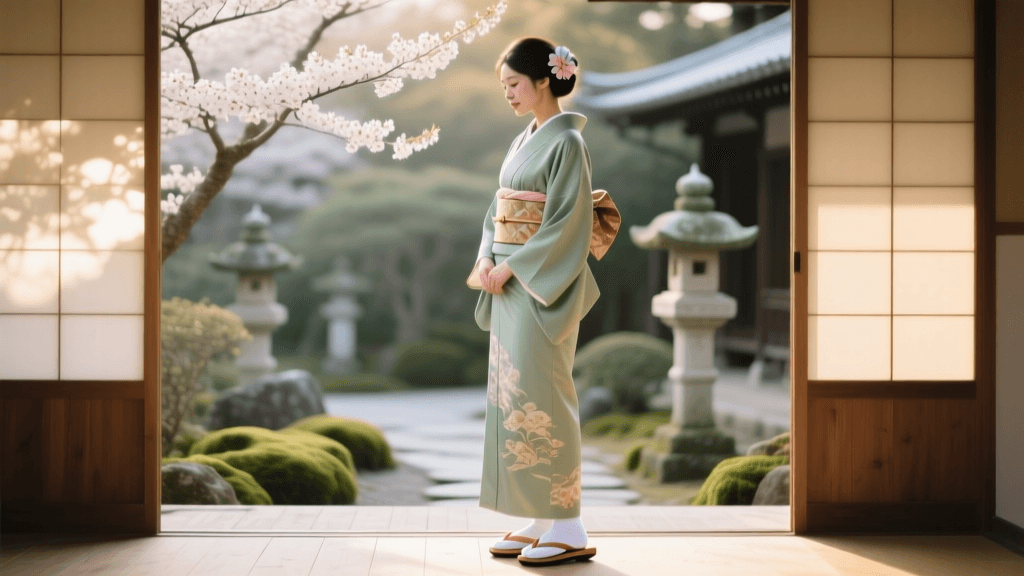
It is vital to note that the garments depicted in Edo-period ukiyo-e are technically kosode (meaning 'small sleeve'), the direct predecessor to the modern kimono. According to the Metropolitan Museum of Art's Heilbrunn Timeline of Art History, the kosode evolved from an undergarment worn by the aristocracy into the primary outer garment for all classes during the Edo period. In the floating world of pleasure quarters, kabuki theaters, and bustling merchant streets, the kosode was rarely just clothing; it was a billboard of the wearer's identity, wealth, and aesthetic sensibilities.
Decoding the Kosode: Garments as Social Billboards
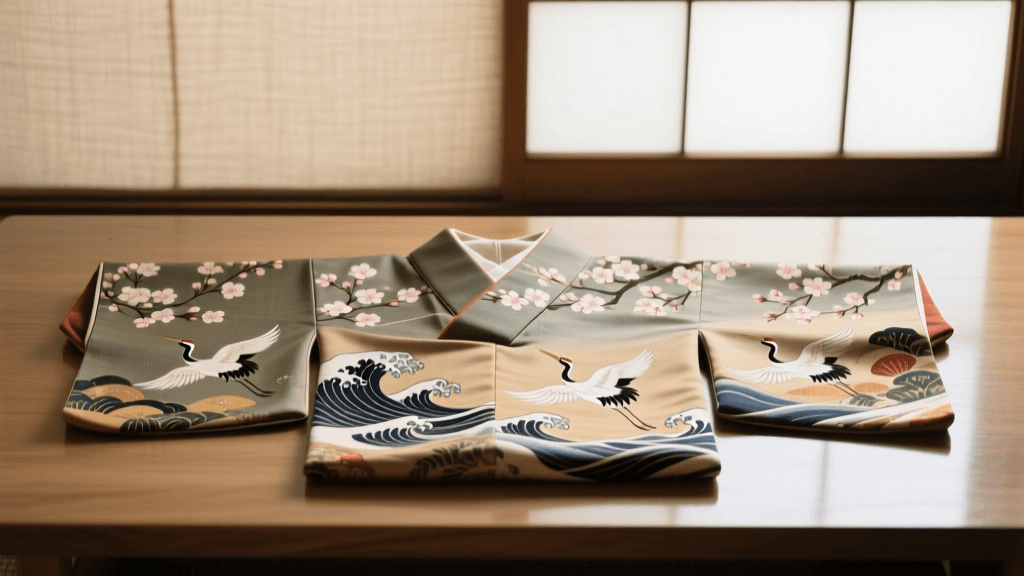
In ukiyo-e prints, particularly those by masters like Kitagawa Utamaro and Suzuki Harunobu, the textile patterns are rendered with astonishing precision. Carvers and printers worked tirelessly to replicate the effects of yuzen (resist dyeing), shibori (tie-dyeing), and intricate silk embroidery. By analyzing these patterns, modern viewers can determine the exact season a scene is meant to depict, the social rank of the subject, and even their profession.
'To understand the Edo period, one must look not only at the faces in ukiyo-e but at the sleeves. The kosode was the ultimate canvas of the floating world, where a single embroidered crest could whisper a scandal or declare a fortune.'
— Textile Historian's Note on Edo Fashion
Seasonal and Social Motifs: A Decoder's Chart
Seasonality (kisetsukan) is the heartbeat of Japanese traditional arts. Wearing a motif out of season was considered a severe faux pas, a rule strictly observed by the fashion-forward women of the Yoshiwara pleasure district and the wives of wealthy merchants. Below is a structured guide to decoding the most common motifs found in ukiyo-e fashion prints.
| Motif | Seasonality | Wearer Status & Meaning |
|---|---|---|
| Sakura (Cherry Blossom) | Spring | Fleeting beauty and mono no aware; heavily favored by courtesans and young unmarried women to signify youth. |
| Kiku (Chrysanthemum) | Autumn | Longevity, rejuvenation, and imperial favor; often worn by high-ranking samurai wives and wealthy patrons. |
| Sho-Chiku-Bai (Pine, Bamboo, Plum) | Winter / New Year | Resilience and auspiciousness; the standard, non-negotiable pattern for bridal uchikake (overcoats) and formal winter wear. |
| Seigaiha (Ocean Waves) | Summer (Cooling motif) | Travel, resilience, and the cooling of the mind; favored by merchants, travelers, and Kabuki actors. |
| Tsubaki (Camellia) | Winter / Early Spring | Noble beauty and divine protection; popular among samurai classes, though sometimes avoided by the superstitious as the flower drops whole, resembling a falling head. |
The Economics of Color: Reading Dyes in Woodblock Prints
Color in ukiyo-e is not merely decorative; it is deeply tied to the economics and chemistry of the Edo period. Understanding the dyes used in the original garments helps collectors authenticate and date the prints themselves.
Beni (Safflower Red)
True Edo-period red was derived from the safflower plant (beni). It was incredibly expensive and notoriously fugitive, meaning it fades rapidly when exposed to light. When examining an antique ukiyo-e print today, a garment that was once a vibrant, fiery red will often appear as a soft orange, mustard, or even brownish hue. If you are evaluating a print for purchase and the red is unnaturally bright and uniform, you may be looking at a later Meiji-era (1868–1912) reproduction that utilized cheap, synthetic aniline dyes imported from Europe.
Ai (Indigo Blue)
Indigo, conversely, is remarkably stable. The deep, rich blues seen in the garments of merchants and commoners in prints by Hiroshige remain vibrant centuries later. Indigo was the color of the working class, as sumptuary laws frequently restricted the lower classes from wearing bright silks, forcing them to find aesthetic mastery in the subtle variations of indigo-dyed cotton and hemp.
The Architecture of the Obi: Tying Status Together
The obi (sash) in ukiyo-e prints provides critical clues about the wearer's lifestyle. In modern kimono dressing, the obi is tied at the back. However, in early to mid-Edo ukiyo-e, you will frequently observe women with elaborately tied obi at the front. While popular myth suggests this was exclusively for oiran (high-ranking courtesans) to allow for easy removal, historical textile evidence shows that front-tying was also a widespread fashion trend among young, unmarried women across various social classes before the late 18th century. As the obi grew wider and more heavily brocaded—eventually reaching widths of 30 centimeters or more—tying it at the back became a physical necessity, a transition clearly documented in the chronological progression of ukiyo-e fashion.
Actionable Guide: Collecting and Preserving Ukiyo-e
For enthusiasts looking to acquire ukiyo-e prints featuring traditional garments, proper knowledge of sizing, authentication, and preservation is essential. The Victoria and Albert Museum's Asian collections emphasize that the physical condition of the washi (Japanese mulberry paper) is just as important as the visual subject matter.
Standard Measurements and Formats
- Oban: The most common and desirable size for collector-grade prints, measuring approximately 25 x 37 cm (10 x 14.5 inches). Oban prints offer the most expansive canvas for intricate kimono patterns.
- Chuban: A smaller, more intimate format, measuring approximately 19 x 25 cm (7.5 x 10 inches). Often used for actor portraits or smaller fashion studies.
- Hashira-e: Narrow 'pillar prints' (approx. 12 x 33 cm) designed to be hung on the wooden pillars of traditional Japanese homes. These feature elongated, vertical kimono silhouettes.
Preservation and Framing Costs
Never frame an Edo-period woodblock print using standard materials. The acidic environment of cheap matting will cause the washi paper to yellow and become brittle. When budgeting for a collection, allocate funds for professional conservation framing.
- Matting: Demand 100% cotton rag, acid-free, and lignin-free museum mats. Cost: $40–$80 per print.
- Glazing: Use UV-filtering acrylic or museum glass (such as Tru Vue Optium) to block 99% of UV rays, preventing the fugitive beni dyes from fading further. Cost: $100–$250 per sheet.
- Storage: If storing prints flat, interleave them with unbuffered, acid-free glassine or traditional washi paper. Store in a climate-controlled environment at 45-55% relative humidity.
Market Pricing and Authentication
Entry-level Edo-period fashion prints (often with minor restorations, trimmed margins, or faded reds) can be acquired from reputable dealers for $300 to $800. Museum-quality Oban prints by masters like Utamaro, featuring pristine margins, sharp woodblock key-lines, and vibrant, unfaded organic dyes, routinely command $5,000 to $25,000+ at auction. Always request a condition report detailing any urabari (backing paper) or hoshu (repairs).
Where to Study Authentic Ukiyo-e Fashion
To train your eye in the nuances of historical Japanese garments, studying high-resolution archives is mandatory. The Tokyo National Museum offers extensive digital archives where the intersection of textile artifacts and their ukiyo-e representations can be studied side-by-side. Additionally, the Art Institute of Chicago and the British Museum maintain massive, freely accessible online databases of ukiyo-e, allowing researchers to zoom in on the microscopic carving lines that define the weave of a silk crepe or the gradient of an indigo dip-dye.
By learning to decode the language of the kosode, the chemistry of Edo dyes, and the architecture of the obi, collectors and historians do more than appreciate art; they resurrect the vibrant, fashion-obsessed society of the floating world, one woodblock impression at a time.