The Ultimate Guide to Kimono Accessories: Obi, Zori, and Tabi
The Art of Kitsuke: Beyond the Kimono
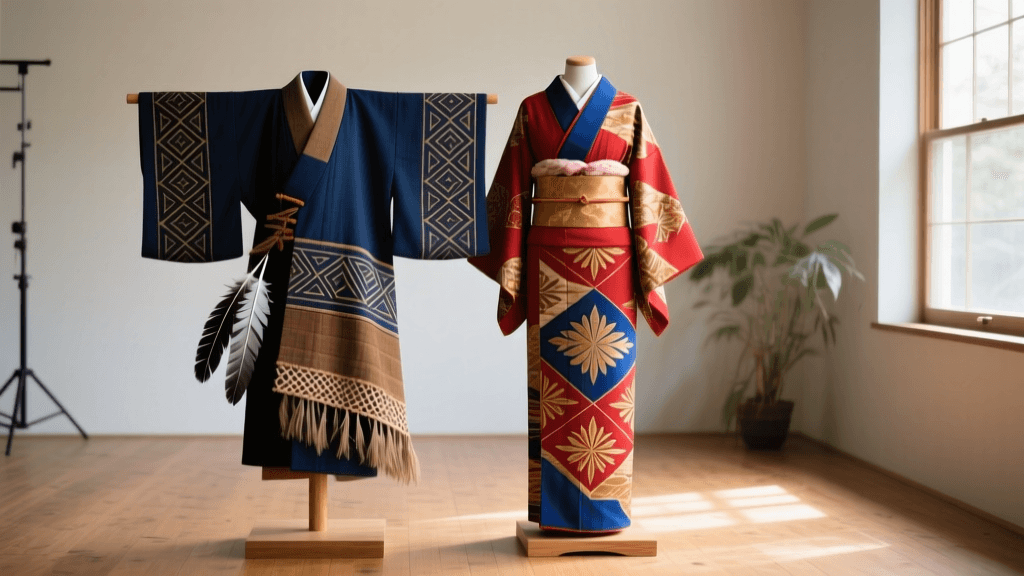
When most people think of traditional Japanese garments, the mind immediately conjures the sweeping, elegant silhouettes of the kimono. However, in the traditional art of dressing, known as 'kitsuke', the kimono itself is often considered merely the canvas. It is the intricate world of kimono accessories—the obi, the zori, the tabi, and the kanzashi—that truly defines the formality, seasonality, and personal expression of the wearer. Mastering the coordination of these elements is essential for anyone looking to wear traditional Japanese clothing with authenticity and grace.
The kimono is merely the canvas; it is the obi, the zori, and the kanzashi that provide the soul and context of the wearer's ensemble.
This comprehensive guide will walk you through the essential kimono accessories, detailing their functions, formality levels, and the strict sartorial rules that govern their use. Whether you are attending a formal tea ceremony, a summer festival, or a traditional wedding, understanding these components is the first step toward mastering Japanese traditional fashion.
The Obi: The Focal Point of the Ensemble
The obi is the wide sash used to secure the kimono. Far from being a simple belt, the obi is often the most expensive and visually striking element of the entire outfit. According to the Victoria and Albert Museum's comprehensive guide to kimono history, the obi evolved from a simple, narrow cord in the early Edo period to a wide, heavily brocaded sash that became a primary indicator of social status, wealth, and aesthetic refinement.
Types of Obi and Their Formality
- Maru Obi: The most formal and heaviest of all obi types. It is fully brocaded on both sides and often woven with real gold and silver metallic threads. Due to its weight and stiffness, it is now primarily reserved for brides and geisha.
- Fukuro Obi: The modern standard for formal wear. It is brocaded only on the front side, making it lighter and easier to tie than the Maru obi. It is the required choice for wearing with formal kimono such as the Kurotomesode or Furisode.
- Nagoya Obi: Invented in the 1920s for ease of use, the Nagoya obi is pre-folded and stitched along part of its length. It is the most versatile obi, suitable for everything from semi-formal events to casual daily wear, depending on the fabric and pattern.
- Hanhaba Obi: A 'half-width' obi used exclusively for casual wear, specifically with yukata (summer cotton kimono) or children's kimono. It is soft, easy to tie, and does not require additional padding or stiffeners.
Obiage and Obijime: The Supporting Cast
Beneath and around the obi sit two crucial accessories that provide both structural support and aesthetic contrast.
Obiage (Obi Scarf)
The obiage is a rectangular piece of silk crepe cloth used to cover and hide the 'obi-makura' (the small pillow used to give the obi knot its volume and shape). For formal occasions, the obiage is typically made of white or pale pastel silk with subtle shibori (tie-dye) patterns. For casual wear, bolder colors and prominent patterns are encouraged. Only a small sliver of the obiage should be visible above the top edge of the obi.
Obijime (Obi Cord)
The obijime is a braided silk cord tied over the center of the obi knot to secure it in place. The rules for obijime are strict: flat, matte cords are used for somber or mourning occasions, while thick, round cords woven with metallic gold or silver threads are reserved for joyous celebrations like weddings and coming-of-age ceremonies.
Footwear: Zori, Geta, and Tabi
Footwear in traditional Japanese dress is highly specialized, designed to accommodate the specific hem lengths and fabrics of the kimono. The intricate weaving techniques used in formal textiles, as documented in the Metropolitan Museum of Art's Japanese textile archives, often extend to the brocade covers of high-end zori and the braided silk of obijime cords, creating a cohesive visual harmony from head to toe.
Tabi (Split-Toe Socks)
Tabi are traditional socks with a separation between the big toe and the other four toes, allowing the wearer to grip the thong of the sandal. White cotton tabi are mandatory for all formal occasions. Colored or patterned tabi are strictly for casual wear and are often paired with yukata or modern fashion interpretations.
Zori (Formal Sandals)
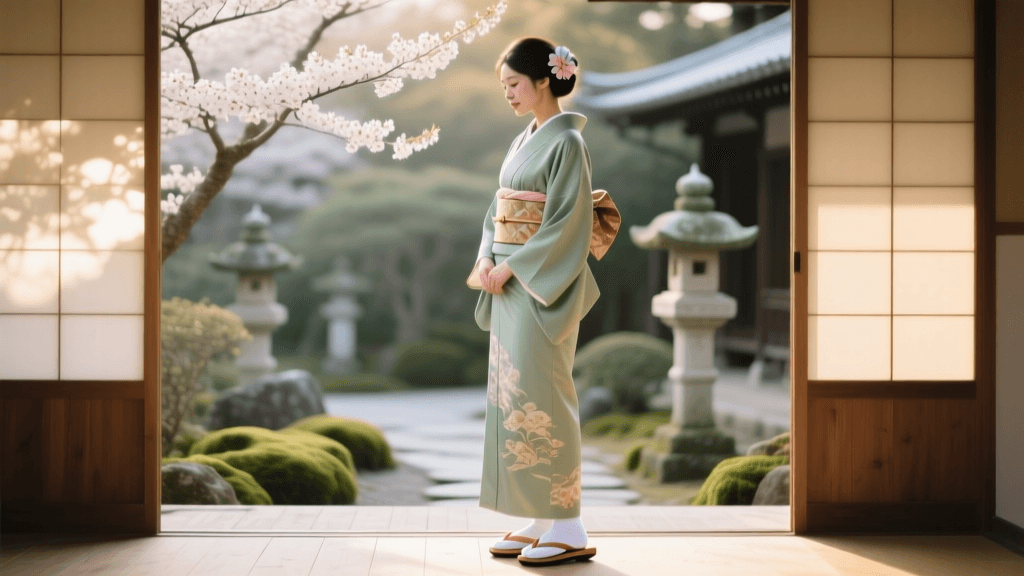
Zori are flat or elevated sandals made of straw, vinyl, leather, or brocade. For formal kimono, zori are covered in brocade or vinyl to match the obi, and they often feature a higher heel (up to 5-8 cm) to keep the kimono hem from dragging on the ground. The 'hanao' (thongs) should coordinate with the color of the kimono or obi.
Geta (Wooden Clogs)
Geta are elevated wooden clogs that produce a distinct 'clack-clack' sound when walking. They are almost exclusively worn with casual cotton yukata during summer festivals. Wearing geta with a formal silk kimono is considered a major sartorial faux pas.
Hair Ornaments: Kanzashi
For women wearing their hair in traditional updos, 'kanzashi' (hair ornaments) are the finishing touch. These can be made of lacquered wood, gold, silver, tortoiseshell, or silk. The most famous are 'tsumami kanzashi', which are intricate flowers crafted from folded squares of silk. Kanzashi are deeply tied to the seasons; wearing cherry blossom motifs in April, wisteria in May, and maple leaves in November is a vital aspect of traditional Japanese aesthetics.
Formality Matching Chart
Coordinating these elements can be daunting. Use the following table as a quick-reference guide to ensure your ensemble is appropriate for the occasion.
| Occasion | Kimono Type | Obi Type | Footwear | Obijime & Obiage |
|---|---|---|---|---|
| Wedding (Bride) | Shiromuku / Uchikake | Maru Obi | Brocade Zori, White Tabi | Heavy Gold/Silver, White |
| Formal Party | Furisode / Kurotomesode | Fukuro Obi | High-heel Brocade Zori, White Tabi | Metallic threads, Pastel Silk |
| Tea Ceremony | Tsukesage / Iromuji | Nagoya Obi | Low-heel Leather/Zori, White Tabi | Matte silk, Subdued colors |
| Summer Festival | Yukata | Hanhaba Obi | Geta or Straw Zori, Barefoot/Colored Tabi | Cotton cords, Bright colors |
Sourcing, Costs, and Care
Building a collection of kimono accessories can range from highly affordable to exceptionally expensive. A brand new, hand-woven Fukuro obi from a master weaver in Kyoto can cost upwards of $2,000 to $5,000. However, the thriving vintage market offers incredible alternatives.
Where to Buy
- Antique Markets: The Oedo Antique Market in Tokyo and the Toji Temple flea market in Kyoto are treasure troves for vintage obi, zori, and kanzashi.
- Online Recyclers: Japanese websites like Rakuten and specialized 'kimono recycle' shops sell authenticated vintage pieces for a fraction of the retail price, often starting as low as $30 for a beautiful Nagoya obi.
Care and Storage
Silk accessories must be protected from humidity and direct sunlight to prevent the metallic threads from tarnishing and the silk from yellowing. Store your obi and obijime flat in 'tatou' (special acid-free paper wrappers) inside a wooden drawer or breathable storage box. Never hang a heavy obi on a hanger, as the weight will distort the weave over time. Zori should be kept in their original boxes with silica gel packets to prevent the vinyl or straw from cracking in dry climates.
Conclusion
The world of kimono accessories is vast, governed by centuries of tradition, yet deeply personal. By understanding the distinct roles of the obi, zori, tabi, and kanzashi, you not only ensure that you are dressed appropriately for any occasion but also participate in the preservation of a profound cultural art form. Whether you are tying a casual hanhaba obi for a summer stroll or securing a formal fukuro obi for a wedding, the right accessories transform a simple garment into a masterpiece of wearable art.