Evolution of the Mamianqun: Ming Court to Modern Hanfu
The Mamianqun: A Masterpiece of Chinese Sartorial Engineering
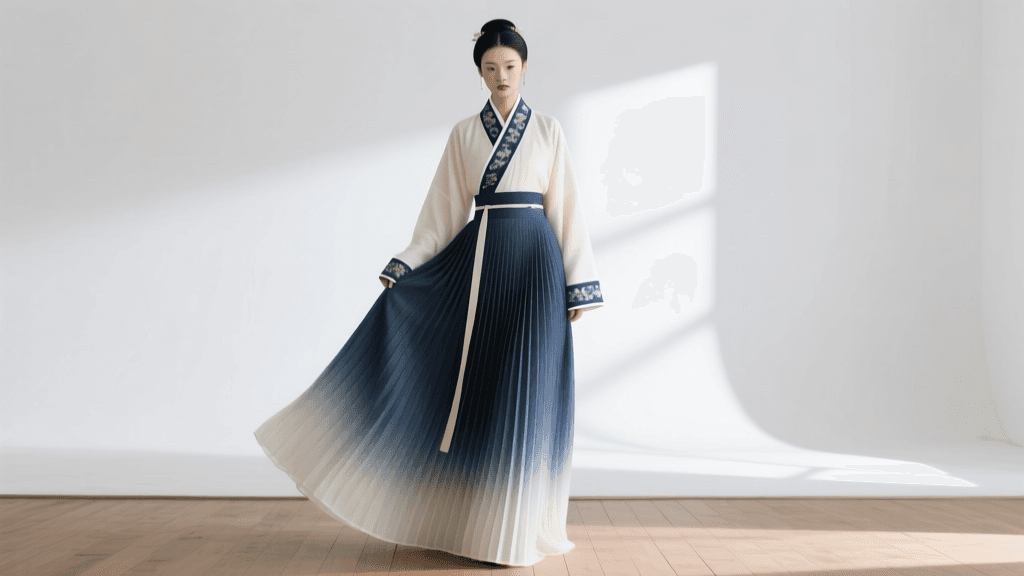
The Mamianqun, literally translating to 'horse-face skirt,' is one of the most iconic and enduring garments in the history of Chinese fashion. Characterized by its flat, overlapping front and back panels (known as guangmian or 'smooth faces') flanked by intricate, symmetrical pleats, this skirt represents a pinnacle of traditional Chinese sartorial engineering. While its roots trace back to the Song Dynasty for practical equestrian purposes, it was during the Ming Dynasty (1368–1644) that the Mamianqun ascended to the zenith of court fashion and elite wardrobes. In 2022, the Mamianqun made international headlines when a major French luxury house released a mid-length pleated skirt bearing an uncanny, uncredited resemblance to the traditional Ming silhouette. This controversy not only sparked global debates on cultural appropriation and intellectual property but also catalyzed a massive surge in interest among young Chinese diaspora and global fashion enthusiasts, propelling the Hanfu movement onto the world stage. Today, driven by this global revival, the Mamianqun has transcended its historical boundaries to become a versatile staple in modern fashion. This comprehensive guide explores the dynasty evolution of the Mamianqun, its structural anatomy, and provides actionable advice for measuring, purchasing, and styling this magnificent garment today.
Dynasty Evolution: From Equestrian Utility to Ming Court Zenith
The origins of the pleated wrap skirt can be traced to the Song Dynasty (960–1279), where overlapping panels were designed to facilitate horseback riding—hence the 'horse-face' moniker, referring to the flat front panel resembling a horse's face. However, it was the Ming Dynasty that codified the Mamianqun as an essential element of Han Chinese women's formal and court attire. According to the Metropolitan Museum of Art's Heilbrunn Timeline of Art History, the Ming era was marked by a resurgence of Han cultural identity and strict sumptuary laws that dictated clothing based on social rank.
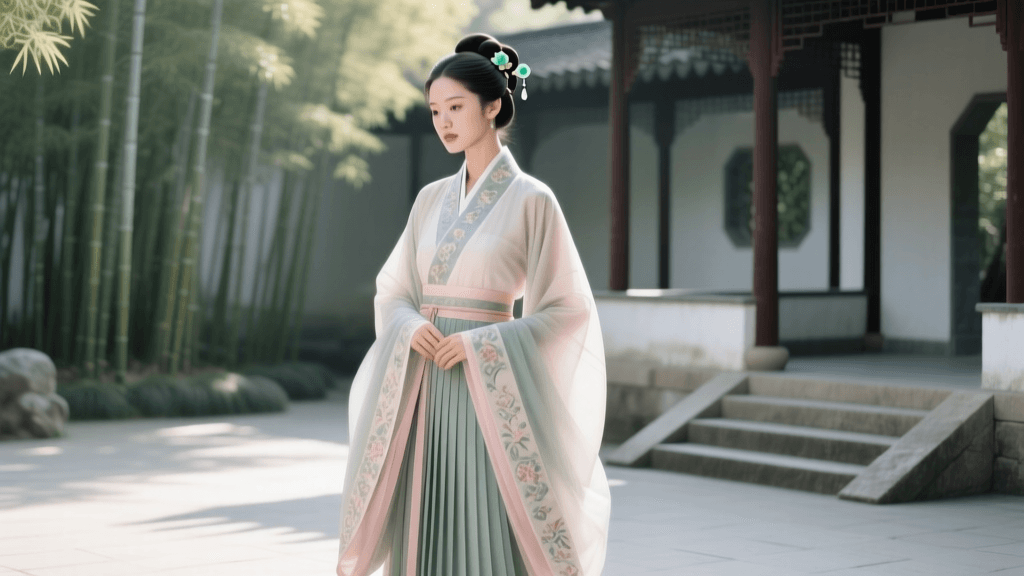
In the Ming court, the Mamianqun was heavily regulated. Elite women and nobility wore skirts crafted from luxurious silks, brocades, and satins, adorned with elaborate zhuanghua (woven or embroidered motifs). Dragons, phoenixes, peonies, and lotus flowers were not merely decorative; they were visual indicators of the wearer's rank, marital status, and the specific ceremonial occasion. The pleats during the Ming era were relatively wide and few in number, typically ranging from 6 to 12 pleats per side, prioritizing structural elegance and the display of continuous, unbroken textile patterns across the flat panels.
The Qing Dynasty Transition and Han Survival
When the Manchu-led Qing Dynasty (1644–1912) conquered China, they enforced the infamous Tifa Yifu (shave the hair and change the clothes) edict, mandating Manchu dress for Han men. However, a cultural exemption known as 'ten men follow, ten women do not' allowed Han women to retain their traditional Ming-style clothing. Consequently, the Mamianqun survived and evolved. As documented by the Victoria and Albert Museum, Qing-era Han women's skirts became increasingly ornate. The pleats multiplied dramatically—sometimes exceeding 100 micro-pleats—and were often embellished with ribbons, metallic threads, and intricate appliqués. The waistband, previously made of matching silk, transitioned to plain white or un-dyed cotton, a pragmatic choice as the upper torso was covered by long jackets (ao), and a silk waistband would cause unnecessary friction and bulk.
Anatomy of the Mamianqun: A Structural Comparison
Understanding the evolution of the Mamianqun requires examining its structural shifts across dynasties. The table below compares the defining characteristics of the skirt across three major eras, highlighting how court fashion adapted to changing cultural and political landscapes.
| Feature | Ming Dynasty (1368–1644) | Qing Dynasty (1644–1912) | Modern Hanfu Revival (2010s–Present) |
|---|---|---|---|
| Pleat Count | 6 to 12 wide pleats per side | 20 to 100+ micro-pleats per side | 12 to 24 standard pleats (versatile) |
| Waistband Material | Matching silk or brocade | Plain white cotton or linen | Cotton, polyester, or matching fabric |
| Primary Motifs | Woven brocades, large florals, beasts | Embroidered borders, ribbons, appliqué | Woven jacquard, digital prints, traditional weaves |
| Skirt Length | Floor-sweeping, hiding the feet | Ankle-length, revealing bound feet or trousers | Mid-calf to ankle-length (practical for daily wear) |
Practical Guide: Buying and Wearing a Modern Mamianqun
The modern Hanfu movement has brilliantly adapted the Mamianqun for contemporary life. Whether you are attending a formal cultural event, participating in a traditional tea ceremony, or simply looking to integrate historical silhouettes into your daily wardrobe, purchasing the right skirt requires attention to specific measurements, fabric choices, and brand reputations.
Sizing, Measurements, and Pleat Setting
Unlike Western skirts that rely on zippers and elastic, the traditional Mamianqun is a wrap skirt secured entirely by ties. Therefore, precise waist measurement is critical.
- Waist Measurement: Measure your natural waist (the narrowest part of your torso) or where you prefer the skirt to sit (often slightly higher for a traditional silhouette). Add 2 to 4 centimeters to this measurement for overlap and comfort. Most modern retailers offer skirts in waist sizes ranging from 64cm (25 inches) to 84cm (33 inches).
- The 'Qun Men' (Skirt Door) Width: The flat front panel, known as the qun men, should be proportionate to your body. For a waist of 70cm, a skirt door width of 22cm to 24cm is ideal. If the panel is too narrow, the pleats will pull apart; if too wide, the overlapping fabric will create unsightly bulk at the hips.
- Length Selection: For a wearer who is 160cm (5'3") tall, a skirt length of 95cm to 100cm will hit right at the ankle, providing the traditional floor-grazing look without tripping hazards. Petites (under 155cm) should seek custom lengths around 85cm to 90cm.
- The 'Ding Zhe' (Pleat Setting) Process: When buying, ensure the manufacturer uses high-temperature heat-setting or traditional stitching to lock the pleats. Cheaper skirts lose their pleats after one wash. Look for product descriptions that mention 'high-temperature pleat setting' or reinforced top-stitching near the waistband.
Cost Tiers and Recommended Brands
The market for modern Hanfu is vast, with prices varying wildly based on fabric authenticity and weaving techniques. Here is a breakdown of what to expect:
- Budget Tier ($30 - $60 USD): Brands like Shisan Yu (Thirteen) offer excellent entry-level Mamianqun made from high-quality polyester jacquard. These are machine-washable, hold pleats exceptionally well, and feature beautiful digital or woven prints. Ideal for daily wear and travel.
- Mid-Tier ($80 - $150 USD): Brands such as Zhongling and Luo Han Gu utilize premium synthetic blends, viscose, and basic silk-cotton weaves. You will find more intricate woven patterns (like traditional Zhuanghua motifs) and better hardware on the ties.
- Luxury and Museum-Grade ($250 - $600+ USD): Minghuatang is widely considered the gold standard for historically accurate Ming Dynasty Hanfu. Their Mamianqun are crafted from genuine silk brocades, real gold-leaf threads, and employ traditional loom techniques. These are investment pieces meant for formal ceremonies and collectors.
How to Tie and Style the Mamianqun
Tying a Mamianqun can be intimidating for beginners, but it relies on a simple, secure overlapping mechanism.
- Positioning: Hold the skirt behind your back, ensuring the flat panel is centered. Bring the two ends around to your front.
- Overlapping: Cross the left side over the right side (or vice versa, though left-over-right is standard in Han Chinese clothing). Ensure the flat 'horse-face' panel is perfectly centered on your front.
- Securing the Ties: Take the inner tie and pull it through the small slit or loop located on the opposite side of the waistband. Tie it securely. Then, take the outer ties and wrap them around your back, bringing them to the front to tie in a neat bow or knot.
- Modern Styling: While traditionally paired with a crossed-collar Ao (jacket) or Shan (shirt), the Mamianqun is incredibly versatile. For a modern fusion look, pair a solid-colored Mamianqun with a crisp white button-down blouse, a tailored blazer, or a fitted turtleneck sweater. Finish the look with leather ankle boots or traditional embroidered Gongxie.
Conclusion
The Mamianqun is far more than a relic of Ming Dynasty court fashion; it is a living, breathing garment that has survived dynastic collapses, cultural edicts, and the test of time. By understanding its historical evolution and mastering the practical aspects of modern sizing and styling, anyone can incorporate this masterpiece of Asian tradition into their contemporary wardrobe, honoring centuries of sartorial excellence.