The Ultimate Guide to Kimono Care, Cleaning, and Storage
Introduction to Kimono Preservation
Owning a traditional Japanese kimono is akin to possessing a wearable piece of art. Whether it is a vibrant silk furisode adorned with hand-painted yuzen motifs, a subtle woven tsumugi, or a casual cotton yukata, these garments represent centuries of textile mastery. However, the very materials that make kimono so exquisite—natural silk threads, delicate metallic leafing, and organic dyes—also make them highly susceptible to environmental damage, body oils, and improper handling. Preserving a kimono requires a departure from standard Western laundry habits. You cannot simply toss a silk kimono into a washing machine or hang it on a wire hanger in a damp closet. This comprehensive guide will walk you through the meticulous, time-tested methods of kimono care, cleaning, and storage, ensuring your garments remain pristine for generations to come.
Understanding Your Kimono's Fabric
Before attempting any cleaning or storage protocol, you must identify the fabric of your kimono. The care regimen varies drastically depending on the material. Silk (Chirimen, Rinzu, Tsumugi) is the most common and delicate material for formal kimono. It is highly sensitive to water, which can cause shrinkage, water spotting, and loss of sheen. Cotton is primarily used for yukata (summer kimono) and is much more forgiving, often tolerating gentle hand washing. Wool is frequently used for winter haori (jackets) and everyday kimono, requiring protection from moths. Polyester and Synthetics are modern alternatives that are machine washable and highly resistant to staining, making them ideal for beginners or practice garments. Always check the lining (the 'ura' or 'hakkake') as well; a silk kimono with a silk lining must be treated entirely as a delicate silk garment.
Post-Wear Maintenance: The First 24 Hours
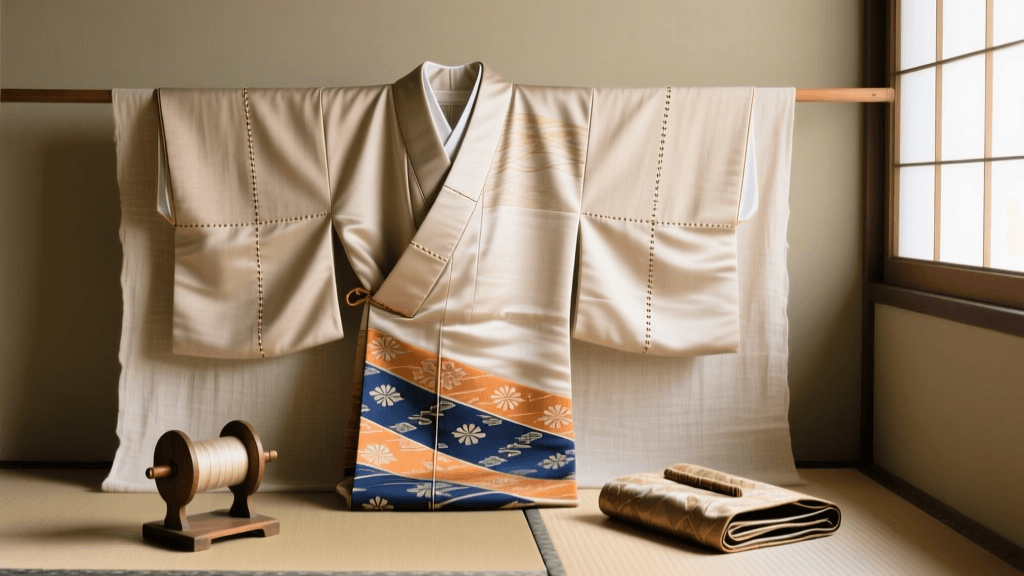
The care of a kimono begins the moment you take it off. Human sweat, body oils, and environmental dust are the primary enemies of silk. After wearing your kimono, never fold it immediately. Instead, hang it on a specialized, extra-wide bamboo or plastic kimono hanger known as an emono-kake. Standard Western hangers will create permanent shoulder bumps and distort the straight-line geometry of the garment. Leave the kimono hanging in a well-ventilated, shaded room for 12 to 24 hours. This allows trapped moisture from perspiration to evaporate and gives the fabric time to release wrinkles naturally. While it is hanging, take a clean, dry, soft cotton cloth and gently wipe the inner collar area and the back of the neck, where skin oils and makeup transfer most heavily. If you wore a han-eri (detachable collar cover), remove it and hand wash it separately with a mild, neutral-pH detergent.
Dealing with Stains and Yellowing
Accidents happen, but aggressive rubbing will destroy silk fibers and smear traditional dyes. If you spill liquid on a silk kimono, immediately blot—do not rub—the area with a clean, dry, absorbent cloth. For oil-based stains, a light dusting of talcum powder or cornstarch left overnight can help draw out the lipid. However, water-based stains on silk can leave permanent 'water rings' as they dry. If a stain persists, do not attempt to use commercial stain removers, bleach, or even water. The chemical interaction with the mordants used in traditional Japanese dyeing can cause irreversible color bleeding. Yellowing, particularly around the collar, underarms, and folds, is usually caused by oxidized body oils or prolonged exposure to fluorescent lighting. Once a silk kimono has yellowed, it requires professional intervention, often involving a specialized chemical bath or complete re-dyeing by a master artisan.
Professional Cleaning: Maruarai vs. Dry Cleaning
When a kimono requires a deep clean, you have two primary professional options: traditional dry cleaning or Maruarai. Maruarai is a specialized Japanese technique where the kimono is entirely unstitched into its original flat fabric panels, washed in water using specialized mild soaps, stretched on a frame (shinshi) to dry and remove wrinkles, and then meticulously re-sewn. This process removes deep-seated sweat and restores the silk's natural luster. Below is a comparison of professional cleaning methods to help you decide which is best for your garment.
| Cleaning Method | Process Overview | Estimated Cost (USD) | Turnaround Time | Best Used For |
|---|---|---|---|---|
| Standard Dry Cleaning | Chemical solvent cleaning without unstitching. | $20 - $40 | 1 - 2 Weeks | Light soil, wool haori, synthetic blends, and routine maintenance. |
| Maruarai (Water Wash) | Unstitched, hand-washed in water, stretched, and resewn. | $150 - $300+ | 1 - 3 Months | Heavy sweat stains, severe yellowing, vintage restoration, and high-end silk. |
| Spot Treatment (Shimi-nuki) | Targeted chemical or water treatment for specific stains. | $30 - $80 per stain | 2 - 4 Weeks | Localized spills, makeup smudges, or mud splatters on otherwise clean garments. |
It is crucial to seek out cleaners who specialize in Asian textiles. Standard Western dry cleaners may use harsh perc (perchloroethylene) solvents or high-heat pressing that can melt metallic threads (surihaku) and crack delicate embroidery.
The Art of Folding: Hon-Datami
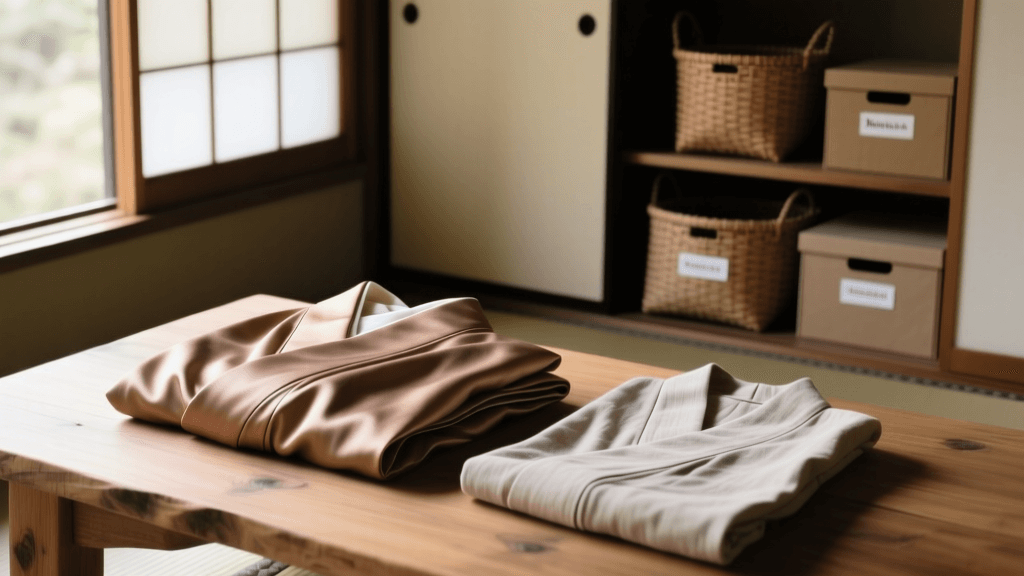
Proper folding is critical to preventing permanent creases and protecting the structural integrity of the kimono. The traditional folding method is called Hon-Datami. Unlike Western clothing, a kimono is constructed from straight, rectangular bolts of fabric (tanmono), meaning it is designed to fold into a perfect, flat rectangle without crossing over seams awkwardly. To perform Hon-Datami, lay the kimono face down on a clean, flat surface. Fold the left side panel inward along its natural seam. Next, fold the right side panel over the left, aligning the seams perfectly. Fold the sleeves back so they do not extend beyond the body's width. Finally, fold the garment in half lengthwise, and then fold it into thirds or quarters depending on its length. Never press down hard on the folds; silk fibers can break under sharp, heavy pressure. Always wrap the folded kimono in a breathable, acid-free paper called tatoushi (tatou paper). This paper absorbs excess moisture and prevents the fabric from rubbing against itself.
Long-Term Storage: Tansu, Tatou, and Climate Control
How and where you store your kimono is just as important as how you clean it. In Japan, the gold standard for kimono storage is the kiri-tansu, a chest of drawers made from Paulownia wood. Paulownia is lightweight, naturally fire-resistant, and uniquely capable of expanding and contracting with humidity changes, effectively creating a micro-climate that seals out moisture when it is humid and releases it when it is dry. If a Paulownia chest is out of your budget, acid-free cardboard storage boxes (kiribako) or plastic bins with desiccants are acceptable alternatives, provided the plastic is not completely airtight, which can trap condensation. According to conservation guidelines provided by the Victoria and Albert Museum, storing delicate silk textiles in direct contact with untreated wood, standard cardboard, or plastic can lead to irreversible acid migration and yellowing. Always ensure an acid-free barrier, like tatou paper or unbleached cotton muslin, sits between the garment and the storage container. Furthermore, conservation experts at the National Trust emphasize the importance of stable humidity levels—ideally between 45% and 55%—and temperatures around 65°F (18°C) to prevent mold growth and fiber embrittlement. Avoid storing kimono in attics, basements, or exterior-facing closets where temperature fluctuations are extreme.
Seasonal Airing (Mushiboshi)
Even in perfect storage, kimono need to 'breathe.' In Japan, the tradition of Mushiboshi (literally 'insect airing') is practiced to prevent mold and deter pests. This involves taking your kimono out of storage, unfolding them, and hanging them on emono-kake in a shaded, well-ventilated room for a few hours. Mushiboshi is traditionally performed twice a year: once in late July or August (during the dry, hot period following the rainy season) and again in October or November (before the winter humidity sets in). Choose a crisp, dry, sunny day, but never hang silk kimono in direct sunlight, as UV rays will rapidly fade traditional organic dyes and weaken the silk proteins. While the garments are airing, wipe down the inside of your storage chests or boxes with a dry cloth and replace any desiccant packets or pest deterrents.
Pest Control and Deterrents
Silk and wool are prime targets for clothes moths and carpet beetles. While traditional Japanese storage relied on the natural pest-repelling properties of Paulownia wood and camphor, modern storage requires proactive measures. You can use natural deterrents like cedar blocks, dried lavender, or specialized kimono mothballs (shounou). However, never allow these deterrents to touch the fabric directly, as the essential oils and chemicals can cause severe localized staining. Place them in small cotton sachets and tuck them into the corners of your storage drawers or boxes. If you discover an active infestation, isolate the affected garments immediately and consult a textile conservator; freezing is sometimes used to kill larvae, but doing this at home without proper moisture-barrier packaging can result in catastrophic condensation damage to the silk.
Conclusion
Caring for a kimono is a practice of patience, respect, and attention to detail. By understanding the unique properties of your garment's fabric, adhering to the Hon-Datami folding method, utilizing breathable tatou paper, and maintaining a stable storage environment, you protect not just a piece of clothing, but a vital thread of Asian cultural heritage. Whether you are preserving a family heirloom or a newly acquired vintage piece, these meticulous care routines will ensure your kimono remains a vibrant, wearable masterpiece for decades to come.