Edo Period Kosode: History, Evolution, and Modern Sourcing Guide
The Evolution of the Japanese Silhouette: From Heian Layers to Edo Kosode
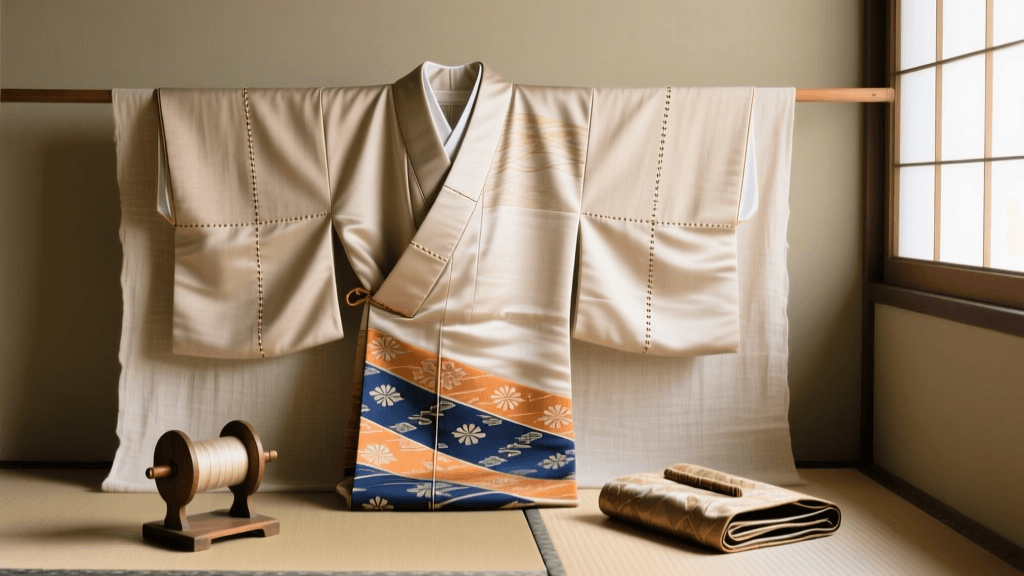
The history of Japanese traditional clothing is a fascinating study in socio-political shifts, aesthetic evolution, and textile innovation. While the Heian period (794–1185) is globally renowned for the jūnihitoe—an extravagant, twelve-layered robe worn by aristocratic women to display wealth and mastery of color theory (kasane no irome)—the true ancestor of the modern kimono emerged centuries later. By the Edo period (1603–1867), under the strict but stable rule of the Tokugawa shogunate, the socio-economic landscape had shifted dramatically. The merchant class (chōnin) accumulated vast wealth, and the kosode, which originally served as a humble undergarment for Heian nobility, evolved into the primary outer garment for both men and women across all social strata.
According to The Metropolitan Museum of Art's Heilbrunn Timeline of Art History, the kosode's transformation from an under-robe to a primary canvas for exquisite textile art represents one of the most significant shifts in global fashion history. The Edo period solidified the kosode's T-shaped silhouette, establishing the foundational tailoring techniques that are still utilized by kimono artisans in Kyoto and Kanazawa today.
Anatomy of the Edo Period Kosode
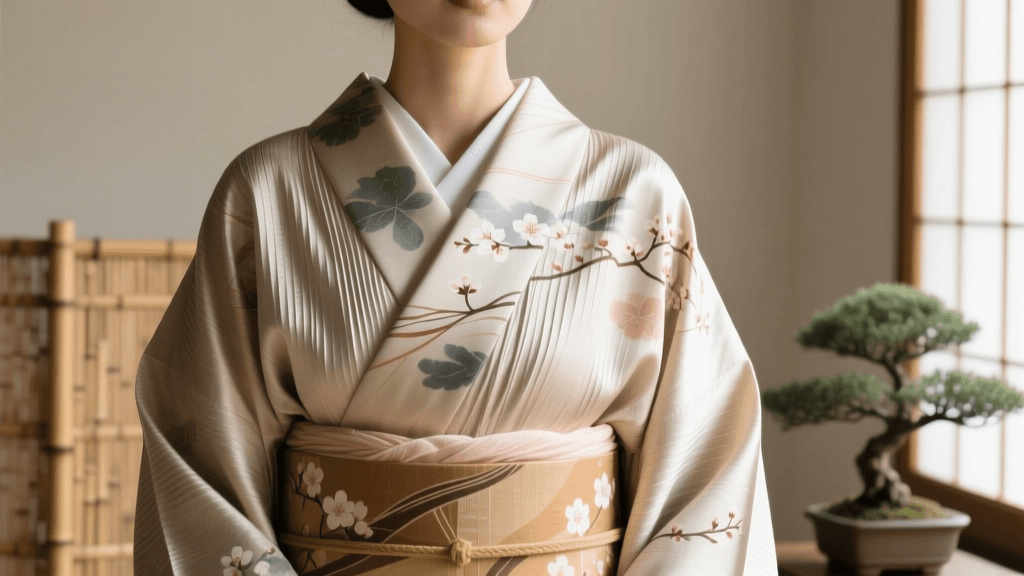
The term kosode translates literally to "small sleeve." This refers to the narrow sleeve opening (sodeguchi) compared to the sweeping, wide sleeves (ōsode) of the Heian aristocracy. However, when comparing an Edo-period kosode to a modern kimono, several distinct structural differences become apparent. The Edo kosode was generally cut with a straighter, narrower body and featured a softer, less structured collar.
| Garment Feature | Heian Jūnihitoe (Outer Layer) | Edo Period Kosode | Modern Kimono |
|---|---|---|---|
| Sleeve Opening | Very wide (Ōsode) | Narrow (approx. 20-25 cm) | Varies (Narrow to 105cm for Furisode) |
| Body Width | Extremely wide, dragged on floor | Straight cut, approx. 60-64 cm | Standardized, approx. 64-68 cm |
| Collar Structure | Thick, heavily layered | Narrow, soft, worn slightly back | Stiffened with core, precise half-collar |
| Obi (Sash) | Not used (tied with cords) | Narrow (approx. 15 cm), tied in front | Wide (Maru/Fukuro, 30+ cm), tied in back |
Mastering Edo Textile Techniques: Yūzen, Shibori, and Surihaku
The Edo period was a golden age for textile dyeing, driven by the merchant class's desire to circumvent sumptuary laws that restricted overt displays of wealth. This led to the development of highly sophisticated, subtle dyeing techniques.
- Yūzen-zome: Invented in the late 17th century by Miyazaki Yūzen, this resist-dyeing technique uses a rice-paste outline to separate colors, allowing for highly detailed, painterly motifs directly on the silk. A hand-painted Yūzen kosode remains one of the most expensive and sought-after garments in Japanese textile history.
- Kanoko Shibori: A meticulous tie-dye technique where thousands of tiny knots are bound by hand before dyeing. During the Edo period, the shogunate occasionally banned Kanoko Shibori due to the immense labor hours required, leading to the invention of painted imitation shibori (suribitta).
- Surihaku: A technique involving the application of gold or silver leaf directly onto the silk using lacquer adhesives. Often used for Noh theater costumes and high-ranking courtesan garments in the Yoshiwara pleasure district.
Practical Guide: Sourcing Authentic Edo Kosode and Replicas
For collectors, historical dress enthusiasts, and textile conservators, acquiring an Edo-period kosode requires navigating a complex antique market. True Edo-period (1603-1867) garments are exceedingly rare, highly fragile, and mostly confined to museum archives. However, Meiji (1868-1912) and Taisho (1912-1926) era kosode-style garments are accessible and offer a nearly identical silhouette and construction method.
Where to Buy: Reputable online platforms like Ichiroya Antique Kimono specialize in exporting verified historical Japanese garments. Expect to pay between $150 and $800 for a wearable, late-Meiji-era kosode-style silk robe. Museum-grade, authenticated Edo fragments or heavily damaged pieces for study can range from $1,500 to over $5,000.
Commissioning Replicas: For theatrical productions, daily wear, or historical reenactment, commissioning a modern replica is vastly superior to risking an antique. Seek out artisans in Kyoto specializing in traditional Yūzen-zome. A custom, hand-painted silk replica costs between $1,200 and $3,500. Be prepared for a production timeline of 4 to 8 months, as the silk must be woven, dyed, steamed, and hand-sewn using traditional hon-nui (main sewing) techniques.
Crucial Measurements for Historical Fit
Unlike Western tailoring, which cuts fabric to fit the individual's curves, kosode are constructed from standard bolt widths (tanmono). The garment is then folded and wrapped to fit the wearer.
- Standard Bolt Width: 36 cm to 38 cm. The body width of the garment is strictly fixed by this bolt width. Historical kosode were narrower than modern kimono.
- Sleeve Length (Sodetake): For strict Edo accuracy, request a sleeve length of 45 cm to 49 cm. Modern kimono sleeves often measure 50 cm to 55 cm, and formal furisode sleeves can exceed 100 cm.
- Shoulder to Hem (Mitake): Measure from the nape of your neck to your ankle bone. Standard historical mitake is roughly 120 cm to 125 cm. If you are taller than 165 cm (5'5"), the garment will ride above the ankle. While acceptable for men's historical dress, this is historically inaccurate for women, who wore kosode that pooled slightly or touched the floor.
Styling the Kosode: Achieving Edo Period Accuracy
The way a kosode is worn fundamentally differs from modern kimono kitsuke (dressing). As highlighted in the Victoria and Albert Museum's "Kimono: Kyoto to Catwalk" exhibition archives, the Edo period saw the obi transition from a functional, narrow cord to a decorative element, though it remained tied in the front for much of the 17th and early 18th centuries.
The Obi: Discard the modern, wide fukuro obi. Instead, use a shigoki obi or a narrow hoso-obi (approximately 15 cm wide). Tie it in a simple bunko (box) knot at the front or slightly to the side. The modern, large otaiko (drum) knot tied in the back did not become the standard for married women until the late 18th and 19th centuries.
Layering and Collar: Wear a plain white or pale silk juban (undergarment) with a visible han-eri (half-collar). The collar should be pulled slightly looser at the nape of the neck than modern, rigid standards dictate, creating a softer, more relaxed, and naturally draped silhouette.
Footwear: Pair the kosode with woven zōri sandals featuring flat, un-padded soles, and white cotton tabi socks. Avoid modern, thick-soled okobo (wooden clogs) unless you are specifically recreating an Oiran (high-ranking courtesan) look from the Yoshiwara district.
Preservation and Care of Antique Silk
If you are fortunate enough to acquire an authentic 18th or 19th-century kosode, proper archival care is paramount. Edo and Meiji silks were dyed with organic, plant-based pigments—such as safflower (benibana) for reds and indigo (ai) for blues—which are highly sensitive to UV light and pH fluctuations.
- Storage: Never hang an antique kosode on a standard wooden or velvet hanger; the sheer weight of the silk and metallic threads will tear the fragile shoulder seams over time. Store it flat, folded along its original tailor's creases.
- Wrapping: Wrap the garment in acid-free tatōshi paper or unbleached cotton muslin. Never use plastic garment bags, which trap moisture and promote mold—a devastating and common issue in Japan's humid summers.
- Pest Control: Use natural Japanese camphor (shōnō) or untreated cedar blocks. Avoid chemical mothballs, as the naphthalene can react with metallic gold threads (surihaku) and cause irreversible black tarnishing.
- Cleaning: Do not attempt to wash or spot-clean antique silk with water. Seek a professional shiro-washi (traditional Japanese dry cleaning) specialist. In the US or Europe, look for textile conservators affiliated with the American Institute for Conservation (AIC). Expect to pay $150 to $350 for professional stabilization, spot-cleaning, and re-lining.
Conclusion
The Edo period kosode is far more than a historical artifact; it is the blueprint for Japanese sartorial elegance. By understanding its structural nuances, mastering the historical methods of wear, and committing to the rigorous preservation of antique silks, modern enthusiasts can keep the legacy of Japan's ancestral kimono alive. Whether you are sourcing a fragile Meiji-era antique or commissioning a bespoke Yūzen-dyed replica, the kosode offers a profound, wearable connection to the artisans and merchants who shaped Japan's rich textile heritage.