Kimono Fabric Guide: Silk Weaves, Dyes, and Craftsmanship
The Foundation: Understanding Kimono Silk Weaves
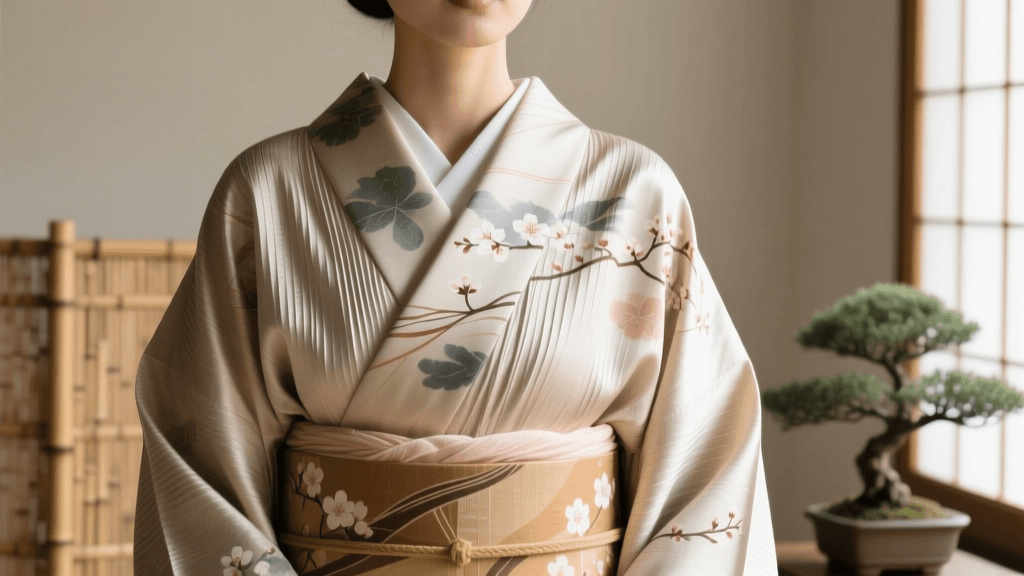
The kimono is far more than a simple garment; it is a canvas that reflects centuries of Japanese aesthetic philosophy, seasonal awareness, and unparalleled textile engineering. While the T-shaped silhouette of the kimono has remained largely unchanged since the Edo period, the true artistry lies in the kimono craftsmanship and fabric types utilized by master artisans. From the subtle slubs of rural pongee silk to the breathtaking, hand-painted landscapes of Kyo-Yuzen, the textile dictates the garment's formality, drape, and seasonal appropriateness. For collectors, practitioners, and enthusiasts, understanding these fabrics is essential to appreciating the kimono's enduring legacy.
The foundation of any high-quality kimono is its weave. Traditional Japanese silk weaving, or orimono, encompasses a vast array of techniques that alter the texture, weight, and light-reflective qualities of the fabric.
Chirimen (Crepe Silk)
Chirimen, or Japanese crepe, is one of the most widely used silk fabrics for kimono. It is created by tightly twisting the weft threads during the weaving process, which, when boiled and degummed, shrink and create a distinct, pebbled texture on the surface. This texture not only gives chirimen a beautiful, matte drape but also makes it highly resistant to wrinkling. It is the standard fabric for komon (fine pattern) and tsukesage kimono, offering a versatile balance of elegance and durability.
Rinzu (Satin Damask)
Rinzu is a silk satin damask characterized by its glossy surface and intricate, woven geometric or floral patterns. Because the pattern is woven into the fabric rather than dyed on top, rinzu possesses a subtle, elegant depth. It is heavily favored for formal garments, particularly wedding uchikake and high-ranking furisode, as the lustrous sheen catches the light beautifully in indoor settings and ceremonial halls.
Tsumugi (Pongee Silk)
Tsumugi, or pongee silk, offers a rustic, understated charm. It is woven from silk noil (the short fibers left over from spinning) or pre-dyed threads, resulting in a fabric with a nubby, textured surface reminiscent of linen or cotton. Despite being made of 100% silk, tsumugi is considered casual or semi-formal due to its historical roots as a fabric woven by peasants from leftover silk scraps. Today, premium varieties like Oshima Tsumugi and Yuki Tsumugi are highly prized and can cost thousands of dollars due to the meticulous hand-weaving process.
Ro and Sha (Summer Gauze)
For the sweltering Japanese summer, artisans weave ro and sha, lightweight silk gauzes. These fabrics feature intentional gaps or holes in the weave, allowing for maximum breathability and a cooling visual effect. Worn exclusively from late June through August, summer kimono (natsumono) made from ro and sha represent the pinnacle of seasonal awareness (kisetsukan) in Japanese dress.
| Fabric Type | Weave / Texture | Formality | Best Season |
|---|---|---|---|
| Chirimen | Crepe, pebbled matte surface | Semi-formal to Formal | Spring, Autumn, Winter |
| Rinzu | Satin damask, glossy with woven patterns | Formal | Year-round (Awase/Hitoe) |
| Tsumugi | Pongee, nubby and rustic | Casual to Semi-formal | Spring, Autumn, Winter |
| Ro / Sha | Gauze, open-weave with holes | Varies by pattern | Summer (July - August) |
The Art of Color: Yuzen and Shibori Dyeing Techniques
Beyond the weave, the application of color and pattern is where kimono craftsmanship truly shines. The most revered of these techniques is Yuzen dyeing, which originated in the late 17th century and forever changed the landscape of Japanese fashion.
Kyo-Yuzen and Kaga-Yuzen
Kyo-Yuzen, developed in Kyoto, is known for its vibrant, stylized, and highly decorative motifs, often utilizing gold and silver leaf (surihaku) and embroidery. In contrast, Kaga-Yuzen from the Kanazawa region favors realistic, nature-inspired designs and a specific palette of five colors (kaga gosai), employing a technique called bokasi (gradation) to create painterly depth. According to the Victoria and Albert Museum, Yuzen revolutionized Japanese fashion by allowing artisans to paint directly onto silk as if it were a canvas, bypassing the strict sumptuary laws of the Edo period that restricted woven brocades and elaborate tie-dyes among the merchant classes.
Shibori (Shaped-Resist Dyeing)
Shibori is the Japanese art of shaped-resist dyeing. By binding, stitching, folding, or clamping the fabric before submerging it in indigo or other dyes, artisans create intricate, organic patterns. Kanoko shibori (fawn-spot tie-dye) is incredibly labor-intensive; a single furisode covered in tiny, hand-tied dots can take over a year to complete and command prices upwards of $10,000. The three-dimensional texture of the tied silk adds a tactile luxury that printed fabrics simply cannot replicate.
Nishijin-ori: The Pinnacle of Brocade Craftsmanship
No discussion of kimono fabric types is complete without mentioning Nishijin-ori, the legendary brocade weaving tradition of Kyoto's Nishijin district. Nishijin-ori is primarily used for obi (the sash tied around the kimono) and highly formal outer garments. The craftsmanship involves up to twenty distinct, highly specialized steps, from designing the pattern on graph paper to dyeing the threads and operating the Jacquard or traditional draw looms. The Nishijin Textile Center notes that this collaborative process requires master weavers, dyers, and loom makers working in tandem. A single, hand-woven Nishijin Maru-obi (a formal, fully brocaded sash) can weigh over a kilogram and cost as much as a luxury vehicle, representing the absolute zenith of Japanese textile engineering.
Practical Guide: Selecting and Caring for Kimono Textiles
For those looking to purchase, wear, or collect traditional Japanese garments, understanding the practical implications of fabric types is crucial for both aesthetic and financial reasons.
Measurements and the Tanmono
Traditional kimono are not cut from wide bolts of fabric like Western clothing. They are constructed from a tanmono, a narrow bolt of fabric measuring approximately 36 centimeters (1 shaku) in width and 12 meters in length. The entire bolt is used to create one kimono, with the seams left straight and uncut. This means a kimono can be entirely disassembled, cleaned, and re-tailored to fit a different person, a testament to the sustainable foresight of traditional craftsmanship.
Formality and Cost Expectations
When building a kimono wardrobe, fabric dictates formality and budget. A machine-woven, stencil-dyed polyester or casual cotton yukata may cost between $30 and $100, making it ideal for summer festivals. A mid-range silk chirimen kimono with kata-yuzen (stencil) dyeing might range from $500 to $1,500, suitable for tea ceremonies or semi-formal gatherings. However, a hand-painted Kyo-Yuzen silk kimono paired with a genuine Nishijin-ori fukuro-obi will easily exceed $5,000, reserved for weddings and the most formal occasions.
Care and Maintenance
Silk kimono require specialized care. They must be professionally dry-cleaned by experts familiar with traditional garments, a process known as maru-arai, which costs around $80 to $150 per garment. Furthermore, silk is highly susceptible to humidity and light. Garments should be stored flat in acid-free tatoushi paper, folded along their original seam lines, and aired out in the shade at least twice a year to prevent mold and permanent crease damage.
Conclusion
The world of kimono craftsmanship and fabric types is a profound intersection of art, engineering, and cultural philosophy. Whether it is the rustic elegance of tsumugi, the breathable luxury of summer ro, or the breathtaking artistry of hand-painted Yuzen, each textile tells a story of the artisans who brought it to life. By understanding these fabrics, we do more than preserve a sartorial tradition; we keep the heartbeat of Japanese cultural heritage alive for future generations. For further reading on Japan's officially recognized textile heritage, the Ministry of Economy, Trade and Industry provides an extensive directory of traditional crafts that continue to shape the nation's identity.