Celebrity Kimono Trends: How to Style Streetwear Fusion

The Rise of Kimono Streetwear in Pop Culture
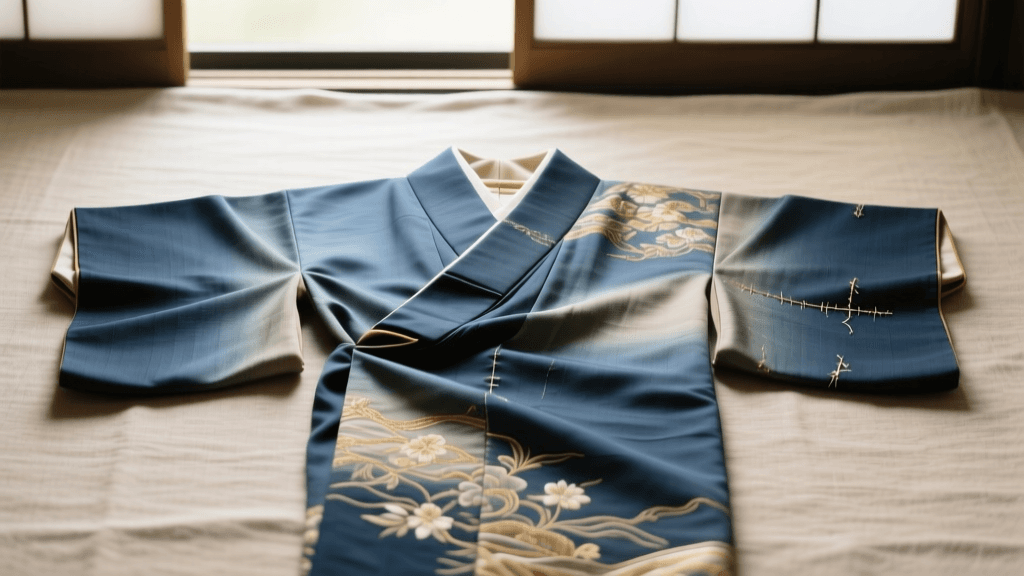
Over the past decade, the traditional Japanese kimono has transcended its strict ceremonial boundaries to become a staple in global streetwear and high fashion. Celebrities like Rihanna, Zendaya, and A$AP Rocky have incorporated Japanese textiles into their wardrobes, while Harajuku influencers and Kyoto-based stylists are actively rewriting the rules of kitsuke (the art of dressing). This fusion of East and West, antique and avant-garde, has birthed a vibrant subculture where vintage silk meets Supreme, and traditional silhouettes are paired with chunky sneakers.
For the modern enthusiast, navigating this trend requires more than just throwing on a floral robe. It demands an understanding of garment construction, fabric hierarchy, and cultural context. In this guide, we deconstruct the celebrity kimono streetwear trend and provide actionable advice on how to recreate these editorial looks respectfully and authentically.
Deconstructing the Influencer Kimono Look
The Silhouette: Relaxed vs. Traditional
Traditional kitsuke mandates the ohashori—a precise horizontal fold at the waist that adjusts the kimono's length and ensures the hem falls perfectly at the ankle. However, contemporary influencers frequently bypass the ohashori entirely. By wearing the kimono long, like a duster coat, or pairing a haori (a shorter, open-front jacket) over oversized denim and graphic tees, they create a relaxed, gender-fluid silhouette that aligns with modern streetwear aesthetics.
When shopping for this look, pay close attention to the yuki measurement (the arm span from the nape of the neck to the wrist). Standard vintage kimono typically feature a yuki of 63cm to 65cm. If you have a broader frame or prefer the dropped-shoulder look favored by influencers like Miki Fukagawa, seek out modern brands that offer extended sizing, or look for vintage pieces labeled hirogawa (wide-width panels).
Footwear: Tabi Sneakers and Platform Zori
The most defining element of the kimono streetwear crossover is footwear. While traditionalists pair kimono with zori (flat sandals) and white tabi socks, the streetwear set has embraced the split-toe revolution. Maison Margiela's iconic Tabi boots remain a high-fashion favorite, but for a more accessible and culturally grounded option, influencers turn to modern jika-tabi (split-toe boots with rubber soles) or specialized sneakers like the Nike ISPA line.
- Traditional Geta/Zori: $30 - $80 (Best for authentic summer festivals and yukata)
- SOU-SOU Jika-Tabi: $80 - $120 (Best for everyday walking and casual kimono styling)
- Maison Margiela Tabi Boots: $800+ (Best for high-fashion editorial and avant-garde layering)
Recreating the Look: A Practical Buying Guide
To build a streetwear-ready kimono wardrobe, you must understand fabric hierarchy. Influencers heavily favor Tsumugi (raw, slubby silk) and Komon (casual silk with small, repeating dyed patterns). These fabrics possess a matte, rustic finish that blends seamlessly with cotton hoodies, denim, and leather accessories. Conversely, avoid Tomesode or Furisode—highly formal, glossy silks adorned with family crests or sweeping paintings. Pairing formal wear with sneakers is widely considered a fashion faux pas and culturally jarring.
During transitional autumn months, avant-garde influencers often layer sheer ro (gauze weave) kimono over thick, ribbed turtlenecks or tailored blazers. This juxtaposition of transparent, delicate silk against heavy, opaque winter fabrics creates a striking visual depth that dominates Tokyo Fashion Week street snaps.
| Category | Price Range (USD) | Key Brands / Sources | Best For |
|---|---|---|---|
| Vintage Silk (Tansu) | $40 - $150 | Tokyo Flea Market, Etsy, Local Thrifts | Authentic textures, sustainable fashion, unique patterns |
| Modern Cotton / Washable | $120 - $350 | SOU-SOU, Y. & SONS, Wataru | Everyday wear, easy maintenance, travel |
| Designer Streetwear Fusion | $800 - $3,000+ | Kapital, Comme des Garçons, Issey Miyake | High-fashion statements, collector pieces, runway trends |
Accessorizing: The Tech-Wear Edge
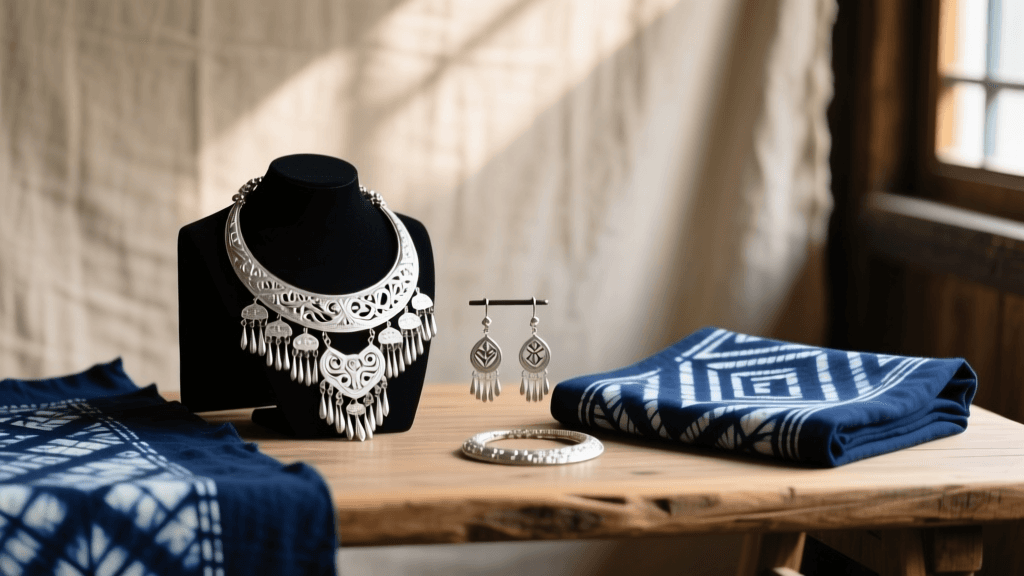
Accessories are where the streetwear influence truly shines. The obijime (a decorative cord tied over the obi) and obidome (a brooch threaded onto the cord) are prime real estate for personalization. While traditionalists use braided silk cords and jade carvings, modern stylists utilize climbing carabiners, vintage watch chains, or chunky silver hardware as obijime to inject a tech-wear or punk edge into the ensemble.
Step-by-Step: The Modern "Bunko" Obi Knot
For casual streetwear styling, the heavy, formal fukuro obi is impractical. Instead, influencers rely on the hanhaba obi (half-width obi). Measuring roughly 15cm in width and 3.5 meters in length, it is affordable ($20-$50), easy to manipulate, and perfect for the bunko (butterfly) knot.
- Preparation: Fold the first 40cm of the obi in half lengthwise. This folded section is your tesaki (the decorative end).
- Wrapping: Hold the tesaki at your front hip and wrap the obi around your waist twice. Ensure the tension is snug but allows for comfortable breathing.
- Creating the Bow: Take the remaining long end and fold it into two or three accordion-like loops to form the wings of the butterfly.
- Tying: Cross the tesaki over the loops at your back, pull it tightly through the center gap, and secure it with a simple knot.
- Positioning: Rotate the entire obi so the bow sits slightly off-center at the back, a hallmark of relaxed, modern styling.
Cultural Respect and the Modern Evolution
As the kimono enters the global fashion lexicon, the boundary between cultural appreciation and appropriation requires careful navigation. The Victoria and Albert Museum's landmark exhibition, Kimono: Kyoto to Catwalk, highlighted how the garment has always been a dynamic, evolving fashion item rather than a static relic. Historically, the kimono was heavily influenced by global trade, incorporating Dutch wool and Indian cottons as early as the Edo period.
However, context matters. Japanese domestic media, such as The Japan Times, frequently celebrate international interest in the kimono, provided it is worn with an understanding of its inherent rules and structural integrity. Brands like SOU-SOU have successfully bridged this gap by producing modern, ethically sourced garments that honor traditional Japanese tailoring while catering to contemporary, global lifestyles.
"The kimono is not a costume frozen in time; it is a living garment. When styled with intention and respect for its construction, it becomes a powerful medium for cross-cultural fashion expression." — Curatorial insights from the V&A Kimono Exhibition.
Whether you are sourcing a pre-loved tsumugi piece from a Kyoto flea market or investing in a contemporary cut from a modern atelier, the key to mastering this trend lies in the details. Pay attention to the drape of the sleeve, the contrast of the collar, and the story your accessories tell. By blending historical reverence with modern rebellion, you participate in the ongoing, vibrant evolution of one of the world's most iconic garments.