Sourcing and Authenticating Antique Meiji Era Kimono
The Allure of Antique Japanese Textiles
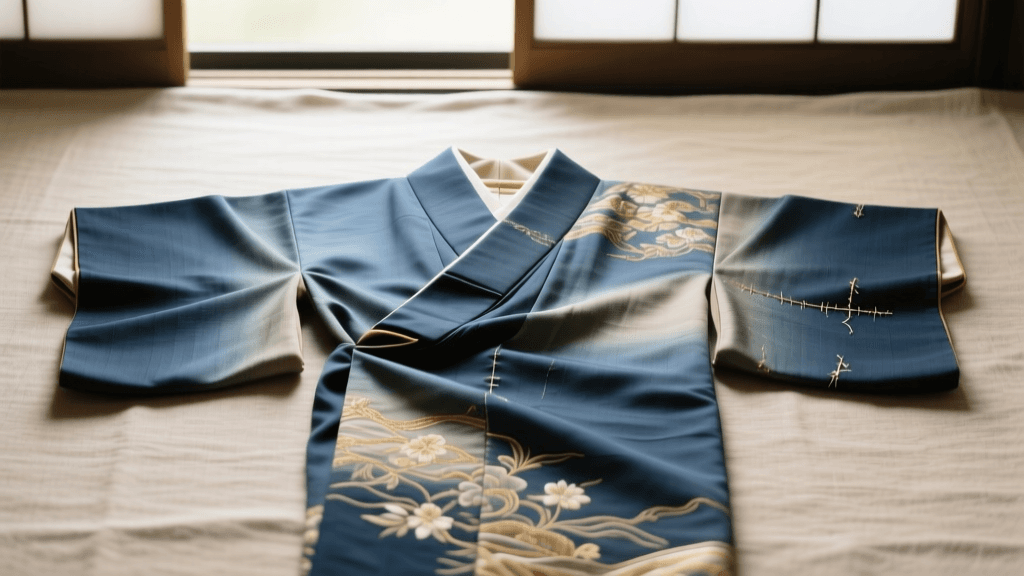
Collecting vintage and antique kimono is a pursuit that blends historical preservation with an appreciation for exquisite textile arts. For serious collectors, the true prize lies in garments crafted before the mid-20th century. These pieces are not merely clothing; they are woven canvases that reflect the socio-economic shifts, artistic movements, and technological advancements of their respective eras. As highlighted by the Victoria and Albert Museum in their comprehensive exploration of the garment's evolution, the kimono serves as a profound indicator of Japanese cultural identity, shifting dramatically from the isolationist Edo period through the rapid modernization of the Meiji and Taisho eras.
However, navigating the secondary market for antique Japanese textiles requires a discerning eye. Distinguishing between a genuine Meiji-era silk crepe (chirimen) and a mass-produced Showa-era reproduction, or identifying the subtle signs of structural fatigue, is essential for building a valuable and historically significant collection. This guide provides actionable, expert-level advice on sourcing, authenticating, and preserving antique kimono.
Decoding the Eras: Meiji, Taisho, and Early Showa
To collect intelligently, one must understand the distinct aesthetic and material hallmarks of Japan's modernizing periods. The transition from natural dyes to synthetic aniline dyes, and the introduction of Western artistic influences, created a timeline that collectors use to date unlabelled garments.
Era Comparison Chart
| Era | Years | Defining Characteristics & Motifs | Dominant Materials & Dyes | Average Collector Value (USD) |
|---|---|---|---|---|
| Meiji | 1868–1912 | Rich, naturalistic motifs (cranes, pine, flowing water), heavy use of gold and silver foil (surihaku). | Silk crepe (chirimen), hand-painted yuzen, natural indigo and safflower dyes. | $300 – $2,500+ |
| Taisho | 1912–1926 | 'Taisho Roman' aesthetic, geometric art-deco motifs, bold asymmetry, vibrant and sometimes clashing colors. | Imported aniline dyes, lightweight silk, early meisen (ikat) experimentation. | $150 – $1,200 |
| Early Showa | 1926–1945 | Pre-war opulence followed by wartime restriction motifs (omoshiro-gara), subdued palettes, propaganda themes. | Mass-produced meisen silk, rayon blends introduced late in the era. | $80 – $600 |
Practical Authentication Techniques
When evaluating a potential acquisition at a flea market or via online auction, you must verify the fiber content, construction methods, and condition. Modern reproductions often use polyester blends that mimic the drape of silk but lack the historical integrity and breathability of antique textiles.
The Collector's Authentication Checklist
- The Crush Test: Gently squeeze a small, inconspicuous section of the fabric (such as the inner hem) in your fist for five seconds. Genuine antique silk will crease softly and release the wrinkles relatively quickly. Polyester or synthetic blends will hold sharp, stubborn creases.
- The Sound of Silk (Kinu-zure): Rub the fabric layers together. Authentic, high-quality vintage silk produces a distinct, crisp rustling sound known as kinu-zure. Synthetics tend to glide silently or produce a dull squeak.
- Seam Construction (Kise): Examine the interior seams. Traditional Japanese tailoring (wasai) utilizes a specific seam allowance called kise, where the raw edges are folded inward and hidden, allowing the garment to be completely taken apart, washed, and re-tailored. Machine stitching is a strong indicator of a post-1950s garment or a modern reproduction.
- Dye Bleeding and Fading (Yake): Inspect the shoulders and the back of the collar. Antique natural dyes are highly susceptible to UV fading. A slight, even fade on the shoulders that contrasts with the vibrant interior folds is a hallmark of an authentic, aged garment. Conversely, check the armpits and collar for yellowing or dark spots, which indicate sweat damage and protein degradation that is nearly impossible to reverse.
Sourcing Vintage Kimono: Where, When, and How Much
While online proxy services for Yahoo! Auctions Japan have globalized the market, the most rewarding (and cost-effective) sourcing happens in person. According to the Japan National Tourism Organization, Japan's regional flea markets are vital cultural hubs where generational estates are liquidated.
Top Sourcing Destinations
- Oedo Antique Market (Tokyo): Held on the 1st and 3rd Sundays of the month at the Tokyo International Forum. Arrive by 5:30 AM. The early morning 'dealer hours' offer access to pristine Meiji uchikake (wedding overcoats) and Taisho haori before tourist crowds arrive. Budget $50–$150 for high-quality haori and $500+ for museum-grade formal kimono.
- Toji Temple Kobo-san (Kyoto): Held on the 21st of every month. This market is renowned for antique textiles, Buddhist vestments, and raw silk bolts (tanmono). It is an excellent place to source early Showa meisen kasuri at bargain prices, often starting as low as $20 for unlined summer garments.
- Online Auctions (Buyee / ZenMarket): Ideal for targeting specific regional weaves like Oshima Tsumugi or Yuki Tsumugi. Always request additional photos of the sode (sleeve) edges and the hakkake (lower lining) to check for hidden mold or structural tearing.
Navigating Vintage Measurements and Sizing
One of the most common pitfalls for novice collectors is misunderstanding vintage Japanese sizing. Unlike Western tailoring, kimono are not sized by bust or waist, but by a combination of sleeve span and width. Furthermore, historical wearing styles dictated different proportions.
When measuring a vintage piece, focus on the Yuki (裄), which is measured from the center back seam of the neck, across the shoulder, and down to the wrist. Antique Meiji and Taisho kimono frequently feature a shorter yuki (typically 60cm to 63cm) compared to modern preferences (64cm to 68cm). This is because historical wearing involved a deeper ohashori (the waist tuck) and different postural norms. When purchasing for display or modern wear, a shorter yuki can sometimes be corrected by a skilled kimono tailor (oshiya) if the interior kise seam allowance contains enough hidden fabric. Always measure the Mihaba (width across the back) to ensure it will adequately wrap around the intended wearer or mannequin.
Archival Preservation and Storage
Acquiring an antique textile is only half the battle; preserving it requires strict environmental controls. Protein-based fibers like silk are highly vulnerable to humidity fluctuations, light exposure, and acidic materials.
Conservation experts at The Textile Museum emphasize that improper storage is the leading cause of textile degradation in private collections. To protect your investment, adhere to the following archival standards:
- Paulownia Wood (Kiri): Store your most valuable Meiji and Taisho pieces in traditional tansu (chests) made of paulownia wood. This wood naturally regulates humidity and repels insects without the need for chemical treatments.
- Acid-Free Wrapping: Never store silk directly against cardboard or in plastic bins, which trap moisture and off-gas harmful chemicals. Wrap each garment in unbuffered, acid-free tissue paper. Avoid colored tissue, as the dyes can transfer to the silk over time.
- Climate Control: Maintain a storage environment with a relative humidity of 45-55% and a stable temperature around 65°F (18°C). Include silica gel packets in your storage drawers, but ensure they do not touch the silk directly to prevent localized desiccation.
- Airing Out (Mushiboshi): Twice a year, typically during the dry, crisp days of late autumn, remove your collection from storage. Unfold the garments and let them breathe in a shaded, well-ventilated room for a few hours. This traditional practice prevents mold spores from taking root and allows you to inspect the collection for early signs of insect activity.
By mastering the nuances of historical dyes, understanding the geometry of traditional tailoring, and committing to rigorous archival care, collectors can ensure that these magnificent artifacts of Japanese history survive for generations to come.