Japanese Kimono Dress Codes: Formal Occasion Rules
Introduction to Kimono Formality and Etiquette
The traditional Japanese kimono is far more than a beautiful garment; it is a complex visual language that communicates the wearer's age, marital status, the season, and the formality of the occasion. Navigating the intricate dress codes of Japanese traditional clothing requires an understanding of deeply rooted cultural norms. For both locals and international enthusiasts, wearing a kimono correctly is a sign of respect for Japanese heritage and the host of any given event. According to the Victoria and Albert Museum, the evolution of the kimono from the Heian period to the modern era has been accompanied by strict codifications of dress, transforming the garment into a marker of social etiquette and seasonal awareness.
At the heart of kimono dress codes is the concept of TPO: Time, Place, and Occasion. A garment that is perfectly appropriate for a summer festival may be considered deeply offensive if worn to a formal wedding. This guide breaks down the hierarchy of kimono formality, outlines specific rules for major life events, and details the essential etiquette taboos you must avoid to wear traditional Japanese clothing with grace and respect.
The Hierarchy of Kimono Formality
Understanding the baseline hierarchy of kimono types is the first step in mastering Japanese dress codes. Formality is determined by several factors: the presence and number of family crests (kamon), the type of silk used, the complexity of the dyeing or weaving technique, and the length of the sleeves. Encyclopædia Britannica notes that the placement of family crests—ranging from one to five—is one of the most immediate visual indicators of a garment's formal rank.
| Kimono Type | Formality Level | Key Features | Best Occasions |
|---|---|---|---|
| Kurotomesode | Highest Formal | Black silk, 5 family crests, patterns only below the waist. | Weddings (worn by married female relatives of the bride/groom). |
| Irotomesode | High Formal | Colored base, 1 to 5 crests, patterns below the waist. | Weddings (worn by close relatives or distinguished guests). |
| Furisode | High Formal | Long swinging sleeves (up to 114cm), vibrant all-over patterns. | Coming of Age Day, weddings (unmarried female guests/bridesmaids). |
| Homongi | Semi-Formal | Continuous 'picture' patterns that flow across the seams. | Wedding receptions, formal tea ceremonies, gala parties. |
| Tsukesage | Semi-Formal | Patterns do not cross the seams; more subdued than Homongi. | Tea ceremonies, dining out, cultural events. |
| Komon | Casual | Repeating small patterns all over the fabric. | Everyday wear, casual outings, informal classes. |
| Yukata | Very Casual | Unlined cotton or hemp, worn without formal undergarments. | Summer festivals, fireworks displays, ryokan stays. |
Dress Codes for Specific Occasions
Weddings: Celebrating Without Overshadowing
Weddings are the most strictly regulated events in Japanese society. The golden rule for wedding guests is to never outshine the bride. The bride will typically wear a pure white shiromuku for the ceremony and a vibrant, heavily embroidered uchikake for the reception. Therefore, guests must avoid wearing white or ivory. Furthermore, wearing a Furisode with excessively long sleeves or overly flashy gold brocade can be seen as an attempt to draw attention away from the bride. For unmarried female guests, a tasteful Homongi or a modest Furisode is ideal. Married women should opt for an Irotomesode or Homongi. When it comes to the obi (sash), celebratory motifs like cranes, pine trees, or plum blossoms are highly encouraged, but the knot should be tied in the formal Nijuudaiko (double drum) style using a Fukuro obi.
Tea Ceremonies (Chakai): Subdued Elegance
The Japanese tea ceremony is an exercise in harmony, respect, purity, and tranquility. Kimono worn to a chakai should reflect these principles through understated elegance. Loud, flashy colors and large, bold patterns are considered disruptive to the serene atmosphere of the tea room. Instead, practitioners and guests favor Tsukesage or Edo Komon (extremely fine, micro-patterned silk). The color palette should align with the season but remain muted. Jewelry is strictly prohibited; rings, bracelets, and watches must be removed before entering the tatami room to prevent scratching the precious tea bowls and to avoid any distracting jingling sounds. As noted by cultural guides at Japan Experience, the subtle rustle of silk and the visual harmony of the garment with the tea room's alcove (tokonoma) are paramount.
Graduation Ceremonies: The Hakama Tradition
University graduation ceremonies in Japan feature a highly specific dress code: the hakama. Worn primarily by female graduates (and male students on formal occasions), the hakama is a pleated, divided skirt worn over a base kimono. For women, the base kimono is usually a Furisode or a high-quality Komon with a subtle pattern. The hakama itself is typically a solid, deep color like maroon, navy, or forest green, often featuring subtle embroidered crests. Footwear for this occasion shifts from the formal zori sandals to boots or traditional tatami-omote sandals, a tradition dating back to the Meiji era when female students adopted hakama as academic uniforms.
Essential Etiquette Rules and Taboos
Beyond selecting the correct garment, the physical act of wearing the kimono is governed by strict rules. Violating these rules can cause deep offense or signal profound ignorance of Japanese customs.
- The Left-Over-Right Rule: This is the most critical rule in kimono dressing. The left side of the kimono must always wrap over the right side. Wrapping right-over-left is strictly reserved for dressing the deceased for burial. Getting this wrong is considered a severe taboo.
- Collar Placement (Eri): The collar should be pulled tight at the back of the neck, exposing the nape. For women, a gap of about one to two fists between the collar and the neck is considered elegant and alluring. The front collar should cross neatly and tightly, without gaping.
- Obi Knot Placement: Formal obi knots are tied at the back. Tying an obi knot at the front is historically associated with courtesans (oiran) and is entirely inappropriate for modern formal wear.
- Footwear and Tabi: When wearing formal zori sandals, you must wear white split-toe tabi socks. Bare feet in zori are only acceptable when wearing a casual cotton yukata during the summer. Never wear black tabi with formal women's kimono; black tabi are generally reserved for men or specific martial arts uniforms.
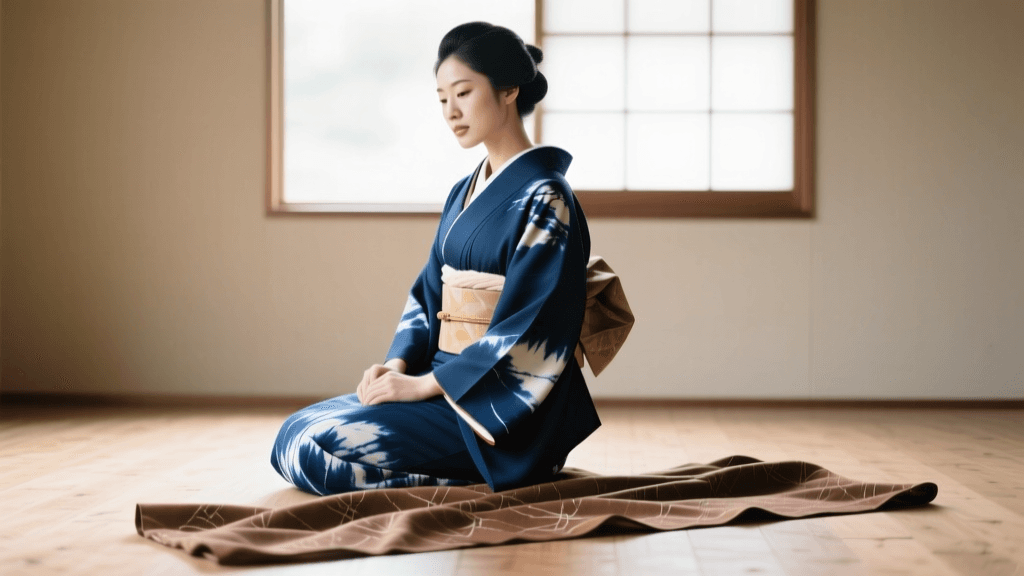
- Stepping and Sitting: Because the kimono restricts stride length, wearers must take small, deliberate steps. When sitting, one must smooth the back of the kimono and obi to prevent crushing the knot, and sit gracefully with knees together, never crossing the legs.
'The kimono is not merely clothing; it is an architectural structure of silk that dictates the posture, movement, and spatial awareness of the wearer, demanding a physical discipline that mirrors the mental discipline of Japanese etiquette.' — Traditional Arts Scholarship
Seasonal Rules and Fabric Choices
Japanese culture places a massive emphasis on the changing of the seasons, and kimono dress codes reflect this through strict fabric and motif regulations. Wearing a sheer summer kimono in November, or a heavy lined kimono in August, is a major faux pas.
- Awase (Lined Kimono): Worn from October through May. These garments have a silk lining for warmth and structure.
- Hitoe (Unlined Kimono): Worn during the transitional months of June and September. These are made of a single layer of silk, offering breathability as the weather shifts.
- Ro and Sha (Sheer Summer Kimono): Worn exclusively in July and August. These are woven from twisted threads to create a breathable, semi-transparent mesh effect. They are worn with a specialized, lightweight summer undergarment called a juban.
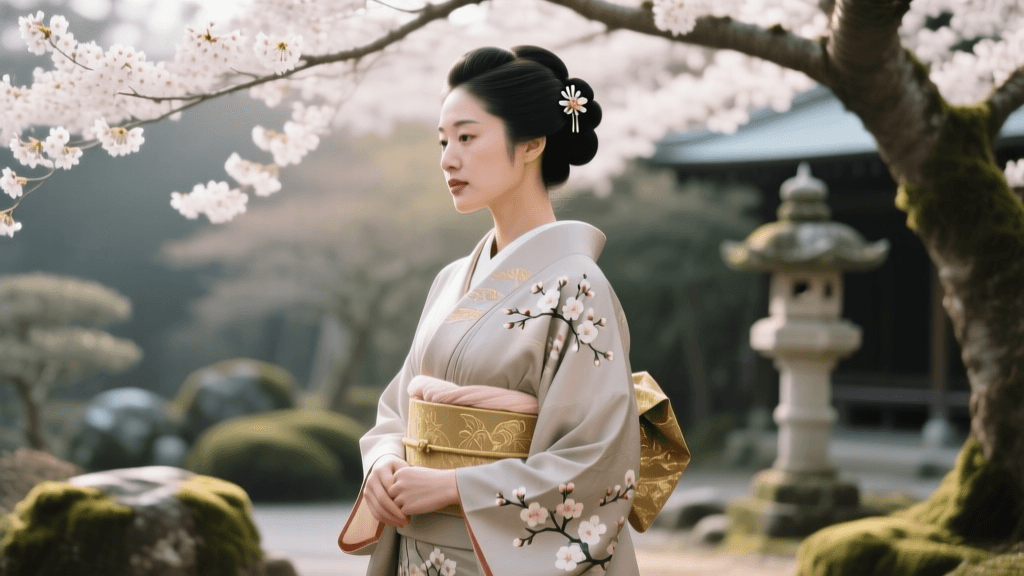
Motifs must also anticipate the season. Cherry blossoms (sakura) should only be worn in late March and early April, just before and during the bloom. Wearing sakura motifs in the autumn is considered out of touch with nature. Conversely, maple leaves and chrysanthemums are reserved for the autumn months, while pine, bamboo, and plum (shochikubai) are auspicious winter motifs often worn during the New Year holidays.
Conclusion
Mastering kimono dress codes and formal occasion rules is a lifelong pursuit, even for native Japanese citizens. However, by respecting the TPO principle, understanding the hierarchy of formality, and adhering to the fundamental etiquette of left-over-right wrapping, anyone can wear the kimono with dignity. Whether attending a solemn tea ceremony or celebrating a joyous wedding, the kimono remains a profound expression of Japanese aesthetic philosophy, binding the wearer to the rhythms of nature and the deep currents of historical tradition.