Kimono in Global Pop Culture: Styling Traditional Japanese Wear
The Cinematic and Musical Rise of Japanese Garments
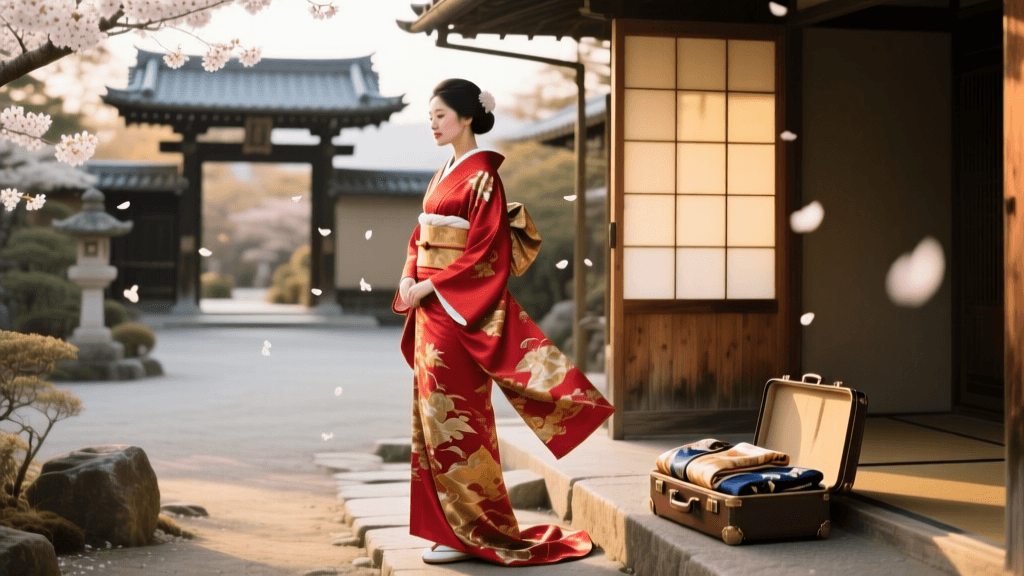
For decades, traditional Japanese clothing has captivated global audiences, transitioning from the silver screen to high-fashion runways and the streets of major metropolitan cities. In global pop culture, the visual language of the kimono, haori, and sukajan has been adopted by hip-hop artists, avant-garde musicians, and Hollywood costume designers. However, the journey of these garments from exoticized media tropes to respected elements of global streetwear and high fashion is complex. Today, fashion enthusiasts and collectors are looking beyond the surface-level aesthetics, seeking to understand the textile heritage, dyeing arts, and proper styling techniques that honor the origins of these pieces. Whether you are a vintage collector, a streetwear aficionado, or a stylist for media productions, integrating traditional Japanese garments into a modern wardrobe requires a blend of historical knowledge, precise measurements, and cultural respect.
From Exoticism to Artistry: The Museum Effect
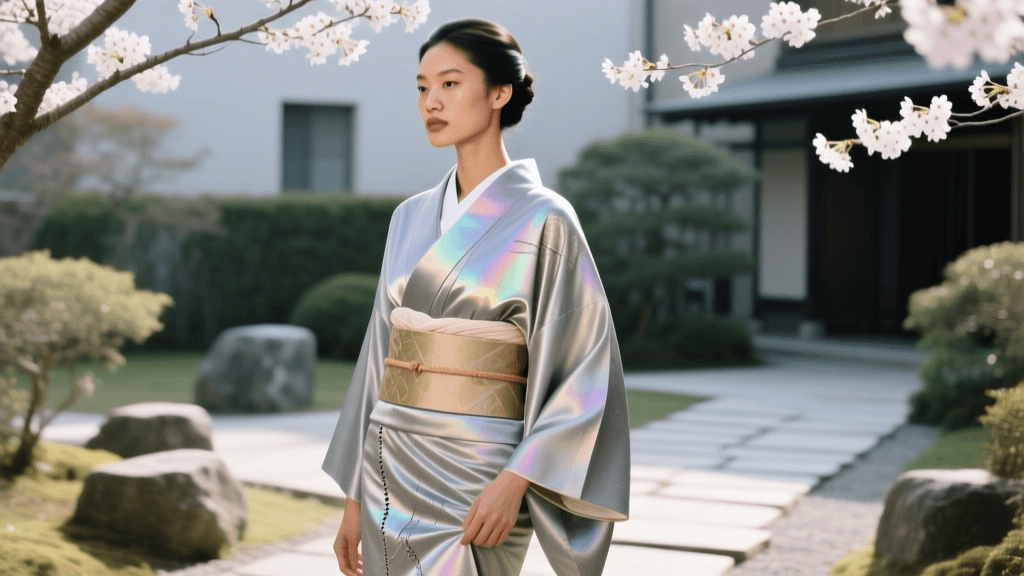
Historically, Western media often reduced the kimono to a mere costume, stripping it of its profound cultural and social significance. However, a significant shift occurred as major global institutions began to showcase Japanese textiles as masterpieces of art and engineering. According to the Victoria and Albert Museum, the global appreciation of the kimono has evolved significantly, highlighting its influence on Western fashion from the late 19th century to contemporary catwalks. The V&A's extensive archives and exhibitions demonstrate how the straight-line construction and T-shape silhouette of the kimono liberated Western designers from restrictive tailoring, paving the way for modern avant-garde fashion. This institutional validation has trickled down into pop culture, where musicians and actors now collaborate with authentic Japanese artisans and vintage dealers to source genuine silk, shibori, and yuzen-dyed garments for music videos and red-carpet events, moving away from cheap, mass-produced costume replicas.
The Haori and Sukajan: Streetwear’s Favorite Silhouettes
While the full kimono remains a formal and highly structured garment, the haori (a traditional hip- or thigh-length jacket) and the sukajan (souvenir jacket) have become staples in global streetwear. The Metropolitan Museum of Art notes in its Heilbrunn Timeline of Art History that the structural simplicity of Japanese garments allows for incredible versatility and layering, a principle that modern streetwear has fully embraced. The haori, originally worn over the kimono to protect it from the elements and display family crests (mon), is now frequently layered over plain t-shirts, turtlenecks, and denim. Its open front and wide sleeves provide a striking, effortless silhouette that appeals to contemporary gender-fluid fashion. Meanwhile, the sukajan, born in post-WWII Yokosuka as a souvenir for American soldiers, blends Western baseball jacket silhouettes with traditional Japanese embroidery (such as tigers, dragons, and cherry blossoms). High-end brands and vintage dealers now command premium prices for authentic, hand-embroidered sukajan, making them highly sought-after collector's items in the global streetwear market.
Comparison Chart: Integrating Japanese Garments into Modern Wardrobes
| Garment Type | Pop Culture Equivalent | Average Vintage Cost (USD) | Modern Styling Application |
|---|---|---|---|
| Haori (Silk) | Open Duster / Light Trench | $60 - $150 | Layered over monochrome turtlenecks and tailored trousers. |
| Sukajan (Embroidered) | Varsity / Bomber Jacket | $150 - $400+ | Statement outerwear paired with raw denim and minimal sneakers. |
| Hanhaba Obi | Wide Statement Belt | $20 - $45 | Wrapped over slip dresses or oversized blazers to cinch the waist. |
| Jinbei | Summer Lounge Set | $30 - $70 | Casual summer resort wear, paired with leather sandals. |
| Michiyuki (Coat) | Mod Shift Coat | $80 - $200 | Worn as a standalone mini-dress or light spring coat. |
Actionable Guide: Sourcing, Measuring, and Styling
If you are looking to incorporate authentic Japanese garments into your wardrobe or media styling projects, understanding measurements and sourcing is critical. Unlike Western clothing, traditional Japanese garments are constructed from straight bolts of fabric (tanmono), meaning they do not have tailored shoulders or darts. Instead, fit is determined by width and length, and the garments are wrapped and tied to the body.
Key Measurements for the Haori
- Body Width (Yuki): Measure from the center back of your neck, across your shoulder, and down to your wrist. A standard vintage haori has a yuki of around 60cm to 65cm. If you have a broader frame, look for modern reproductions or specifically search for "wide-sleeve" vintage pieces.
- Length (Mitake): The ideal haori should hit around the mid-thigh. For most adults, a mitake between 80cm and 90cm provides the best modern streetwear proportion.
- Sleeve Drop (Sode-take): Traditional sleeves are quite deep, often measuring 30cm to 40cm, creating a dramatic, draped effect when the arms are resting.
Sourcing Authentic Pieces
Avoid mass-market fast-fashion imitations. For authentic vintage silk haori and kimono, reputable online dealers such as Yamatoku, Kimono Yamato, and specialized Etsy sellers based in Kyoto or Osaka offer direct shipping. For authentic sukajan, look for heritage brands like Tailor Toyo or Kunio. A genuine, hand-embroidered reversible Tailor Toyo sukajan will typically cost between $300 and $500, but it features rayon satin and intricate chain-stitch embroidery that fast-fashion brands cannot replicate.
Styling the Obi as a Modern Belt
The obi is the sash used to tie a kimono, but in global pop culture styling, it is frequently repurposed as a statement belt. For modern styling, source a Hanhaba Obi (half-width obi), which measures approximately 15cm in width and 300cm to 400cm in length. These are typically made from cotton, polyester, or woven silk and are much easier to tie than formal Maru obi. Wrap the Hanhaba obi twice around the waist over a flowy midi-dress or an oversized linen blazer, securing it with a simple square knot at the back or a decorative rosette at the side. This technique instantly elevates a minimalist outfit, adding a pop of traditional Japanese textile art (such as kasuri or shibori patterns) to contemporary silhouettes.
Footwear and Accessories: The Tabi Evolution
No traditional Japanese outfit is complete without proper footwear, and the split-toe tabi has seen a massive resurgence in global fashion, largely popularized by luxury houses like Maison Margiela. However, for an authentic and affordable approach, look to traditional jika-tabi (split-toe shoes with rubber soles). Brands like MoonStar offer authentic jika-tabi for approximately $40 to $60. Originally designed for construction workers and farmers in Japan, these canvas shoes are incredibly durable, lightweight, and provide excellent ground feel. In modern streetwear styling, black canvas jika-tabi paired with cropped, wide-leg trousers or a flowing hakama-inspired skirt creates a striking, avant-garde silhouette that bridges the gap between traditional workwear and high fashion.
Navigating Cultural Appreciation vs. Appropriation in Media
As Japanese garments become more visible in global pop culture, the line between cultural appreciation and cultural appropriation has become a critical talking point. Media stylists, celebrities, and everyday fashion enthusiasts must approach these garments with respect. Appropriation often occurs when sacred or highly formal garments (like the uchikake wedding kimono or garments featuring specific religious motifs) are worn as casual costumes, altered destructively (such as cutting vintage silk kimono to make mini-skirts), or used in sexually suggestive media contexts without understanding their cultural weight.
To practice cultural appreciation:
- Educate Yourself: Learn the difference between casual wear (yukata, jinbei) and formal wear (tomesode, furisode). Never wear a garment featuring a family crest (mon) unless you have a deep understanding of its significance or have been gifted it by a Japanese host.
- Support Authentic Artisans: Purchase directly from Japanese artisans, vintage dealers, or heritage brands rather than corporations that mass-produce stolen patterns.
- Respect the Silhouette: Avoid altering vintage silk garments. The beauty of the kimono lies in its uncut, straight-line construction. If it does not fit, use it as interior decor or a wall hanging rather than cutting it into modern shapes.
- Context Matters: In media and photoshoots, ensure the styling respects the garment's dignity. Avoid pairing formal kimono with overly casual or disrespectful props, and consult with cultural experts when styling traditional wear for major public campaigns.
Conclusion
The integration of traditional Japanese garments into global pop culture and modern streetwear is a testament to the timelessness of Japanese textile arts. From the dramatic drape of a vintage silk haori to the intricate embroidery of a Yokosuka sukajan, these pieces offer unparalleled craftsmanship and silhouette diversity. By focusing on accurate measurements, ethical sourcing, and respectful styling, fashion enthusiasts and media professionals can celebrate the rich heritage of Japanese clothing. Whether you are tying a Hanhaba obi over a modern slip dress or stepping into a pair of MoonStar jika-tabi, you are participating in a global dialogue that honors centuries of artisanal tradition while pushing the boundaries of contemporary fashion.