Destination Kimono Weddings: Plan Your Traditional Japanese Event
The Allure of the Destination Kimono Wedding
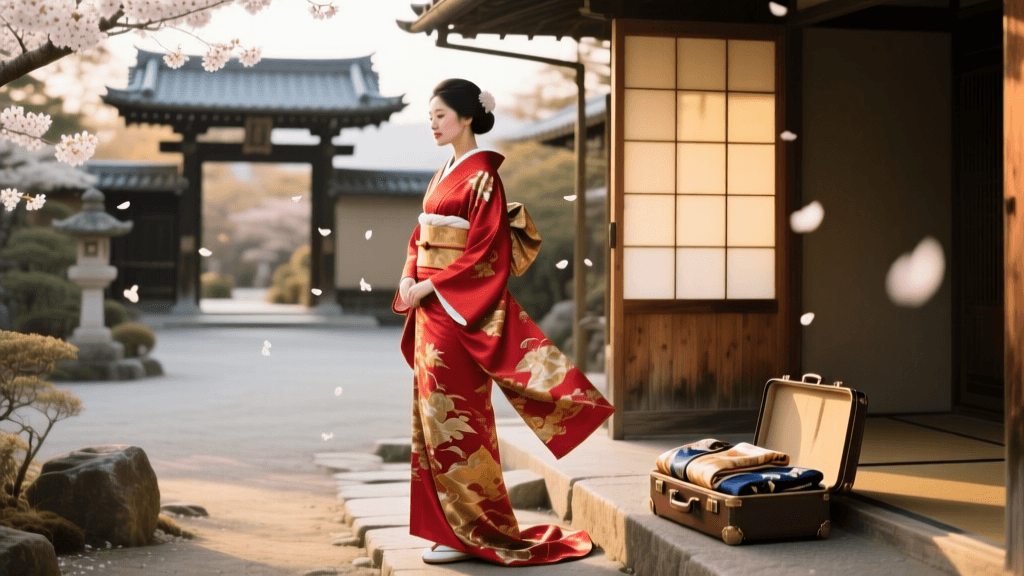
Combining the profound elegance of traditional Japanese garments with the breathtaking backdrops of global destinations is a rising trend in modern nuptials. From the lavender fields of Provence to the coastal cliffs of Hawaii, brides and grooms are increasingly choosing to honor their heritage or embrace Japanese aesthetics through formal kimono weddings. However, executing a traditional Japanese wedding abroad requires meticulous logistical planning, an understanding of textile care, and careful navigation of cultural protocols.
Unlike a standard Western wedding dress, a formal kimono ensemble involves multiple layers, specific undergarments, and intricate accessories. According to the Victoria and Albert Museum's extensive archives on Japanese dress, the formal wedding kimono is not merely a piece of clothing but a canvas of auspicious symbolism, woven with centuries of cultural meaning. This guide provides actionable, expert advice for couples planning a destination kimono wedding, covering garment selection, international packing logistics, and the complexities of overseas dressing services.
Selecting the Right Garment for Overseas Venues
When planning a destination wedding, the environment dictates the choice of garment. The three primary options for a traditional Japanese bride are the Shiromuku (pure white wedding kimono), the Iro-uchikake (colored outer robe), and the Hikifurisode (long-sleeved trailing kimono).
Why Iro-Uchikake is Ideal for Travel
While the Shiromuku is the pinnacle of traditional Shinto wedding attire—often seen in iconic ceremonies at venues like Meiji Jingu in Tokyo—it is notoriously difficult to maintain in outdoor, non-Japanese environments. The pristine white silk instantly absorbs dirt, moisture, and grass stains. For destination weddings held in gardens, on beaches, or in historic European castles, the Iro-uchikake is highly recommended.
The Iro-uchikake features vibrant base colors such as deep crimson, royal purple, or black, heavily embroidered with gold and silver threads (kinran and ginran). These darker or richer bases are far more forgiving of minor environmental stains. Furthermore, the heavy, padded hem (fukiginu) of the uchikake is designed to trail, meaning any dirt collected at the very bottom is less visually disruptive than it would be on a pure white garment.
Understanding Motifs and Seasonality
Japanese aesthetics are deeply tied to the seasons. When commissioning or renting an uchikake for a destination event, ensure the motifs align with your wedding month. For a spring wedding in a European botanical garden, look for sakura (cherry blossom) and botan (peony). For an autumn vineyard wedding, matsu (pine), takenoko (bamboo), and tsuru (crane) offer timeless, seasonless elegance while symbolizing longevity and resilience.
Sizing and Alterations for Western Heights
One of the most significant hurdles in sourcing a kimono for a destination wedding is sizing. Traditional antique and vintage kimono were tailored for the average Japanese woman of the early-to-mid 20th century, typically standing around 150cm to 155cm (4'11" to 5'1").
The critical measurement for a kimono is the mitake (back body length). A standard antique kimono has a mitake of roughly 120cm to 125cm. If a bride is taller than 160cm (5'3"), a standard antique will result in a dangerously short ohashori (the waist fold that allows for length adjustment). For brides over 165cm (5'5"), you must seek out modern, tailor-made pieces or specialized 'tall-size' rentals, which feature a mitake of 135cm to 140cm. Attempting to fake the ohashori with a too-short kimono will compromise the structural integrity of the kitsuke (dressing) and cause the garment to shift during the ceremony.
Logistics: Packing and Transporting Silk
Transporting thousands of dollars worth of delicate silk and metallic embroidery across the globe requires specialized packing techniques. Never use vacuum-sealed storage bags; the intense compression will permanently crush the silk fibers, shatter the metallic threads, and create deep, un-ironable creases.
The Art of Tatou and Yawa Folding
Kimonos must be folded using the traditional hon-datami method, which ensures that no sharp creases form over the embroidered crests (mon) or the primary motifs. Once folded, the garment should be wrapped in tatou-shi, a specialized acid-free, breathable tissue paper used by Japanese archivists. Place the wrapped kimono in a rigid, hard-shell suitcase. Soft-sided luggage allows the garment to be compressed by other bags in the airplane's cargo hold, leading to permanent textile damage.
Pro-Tip: Carry the most valuable accessories—such as antique kanzashi (hair ornaments), the kaiken (ceremonial dagger), and the sensu (folding fan)—in your carry-on luggage to prevent loss or temperature-related damage in the cargo hold.
The Kitsuke Dilemma: Dressing Options Abroad
The most complex logistical challenge of a destination kimono wedding is the kitsuke (the art of dressing). A formal wedding kimono requires a certified professional dresser to ensure the heavy layers are secured safely and aesthetically. When planning cultural events abroad, resources like the Japan National Tourism Organization (JNTO) recommend connecting with local cultural foundations, but for weddings, you need specialized bridal kitsuke.
Below is a comparison of your options for securing a dresser for an overseas event:
| Dressing Option | Estimated Cost (USD) | Lead Time | Pros | Cons |
|---|---|---|---|---|
| Bring a Dresser from Japan | $2,500 - $4,500+ | 6-9 Months | Guaranteed authentic technique; includes full accessory rental; flawless silhouette. | Extremely high cost (flights, hotels, visas); language barriers at foreign venues. |
| Hire Local Diaspora Dresser | $400 - $900 | 4-6 Months | Cost-effective; understands local venue logistics; no travel expenses required. | Skill levels vary wildly; may lack specialized bridal padding and accessories. |
| Pre-tied (Tsuke) Kimono | $150 - $350 | 1-3 Months | Very affordable; can be dressed by a local Western bridal stylist or DIY. | Lacks authentic drape; limited adjustability; not suitable for high-end photography. |
Note: If hiring a local diaspora dresser, always request a portfolio of their previous bridal work and schedule a 'toile' (mock-up) fitting at least two months before the wedding to test the padding and ohashori adjustments.
Venue Considerations: Footwear and Terrain
Traditional Japanese bridal footwear consists of zori (flat sandals) or geta (wooden clogs), paired with tabi (split-toe socks). Western wedding venues often feature terrain that is hostile to traditional footwear. Manicured lawns, cobblestone pathways, and sandy beaches can easily ruin lacquered zori or cause the bride to trip.
For outdoor destination weddings, invest in a pair of ame-zori (rain zori) or apply a transparent, non-slip rubber sole guard to the bottom of your formal bridal zori. If the venue involves walking on grass, the bride should practice walking in her zori and trailing uchikake beforehand, as the technique requires sliding the feet rather than lifting them, which can catch the heavy hem on uneven ground.
Timeline and Budgeting for Destination Kimono Weddings
A successful destination kimono wedding requires a longer lead time than a standard Western wedding. Follow this timeline to ensure a seamless experience:
- 12-18 Months Out: Secure your destination venue and verify that they allow traditional attire and have a private, climate-controlled dressing room (essential for managing the heat generated by multiple kimono layers).
- 9-12 Months Out: Source, purchase, or reserve your kimono. If commissioning a custom Iro-uchikake from a studio in Kyoto or Tokyo, production can take up to 6 months.
- 6-8 Months Out: Secure your kitsuke dresser and hair/makeup artist. Ensure the MUA understands that traditional Japanese bridal hair (nihongami or modern updos) requires specific structural support for heavy kanzashi ornaments.
- 3 Months Out: Purchase travel insurance that specifically covers high-value textiles and international transit. Ship non-essential accessories ahead of time if possible.
- 1 Month Out: Conduct a final fitting with your local dresser via video call or in-person mock-up to finalize the obi (sash) tying style, such as the voluminous fukura-suzume or the elegant bunko.
Conclusion
A destination kimono wedding is a breathtaking fusion of cultures, offering a visual and emotional depth that standard bridal wear rarely achieves. By understanding the nuances of garment selection, respecting the delicate nature of silk textiles during international travel, and carefully vetting your overseas dressing team, you can ensure that your traditional Japanese nuptials are executed with grace, authenticity, and timeless beauty.