Okinawan Ryusou vs Kimono: A Regional Garment Guide
Introduction to Japan's Southern Textile Heritage
When most people envision traditional Japanese clothing, the image that immediately comes to mind is the mainland kimono—a structured, T-shaped robe wrapped tightly and secured with an elaborate obi sash. However, Japan’s sartorial history is far from monolithic. The country's diverse prefectures, shaped by distinct microclimates, indigenous cultures, and historical trade routes, boast a rich tapestry of regional garments. Nowhere is this more evident than in the southernmost reaches of the Japanese archipelago.
Okinawa Prefecture, the heart of the former Ryukyu Kingdom, and the neighboring Kagoshima Prefecture, home to the Amami Islands, developed textile traditions that diverge sharply from the silk-weaving hubs of Kyoto and Tokyo. Influenced by maritime trade with China, Korea, and Southeast Asia, these regions birthed garments designed for subtropical humidity, utilizing indigenous plant fibers and complex resist-dyeing techniques. This guide explores the profound differences between the Okinawan Ryusou, the legendary Amami Oshima Tsumugi silk, and the mainstream mainland kimono, offering a comprehensive, actionable resource for collectors, textile enthusiasts, and cultural historians.
The Ryusou: Unpacking Okinawa’s Distinctive Silhouette
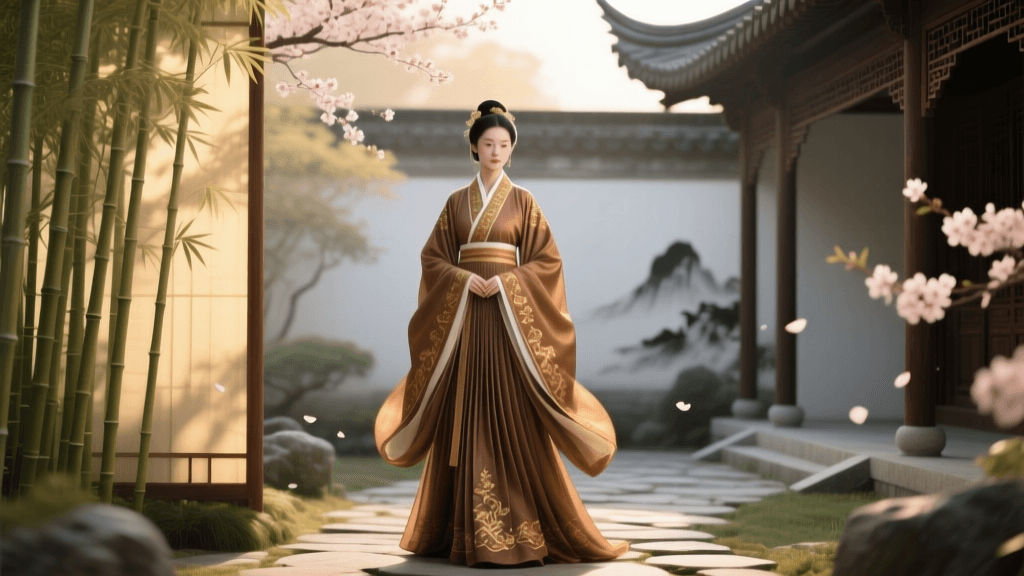
The Ryusou is the traditional dress of the Ryukyu Islands. Unlike the mainland kimono, which restricts movement and emphasizes a cylindrical silhouette, the Ryusou is designed for breathability, comfort, and ease of movement in a hot, humid, subtropical climate. The silhouette is notably looser, with wider sleeves and a more relaxed drape that allows ocean breezes to circulate against the skin.
Key Components of the Ryusou
- Dujin (Tunic): The primary garment, resembling a cross-collared robe. Unlike the mainland kimono, the dujin is often worn loosely and can be layered in sheer, lightweight fabrics.
- Kakan (Sash): The Ryukyuan equivalent of the obi. It is generally narrower, softer, and tied in a simple knot at the front or side, rather than the complex, rigid structures tied at the back of mainland kimono.
- Hachimachi (Headwear): A traditional headpiece worn by men and women during formal ceremonies, indicating social rank and age through its color and wrapping style.
- Kushati (Hairpin): Ornate hairpins made of silver, gold, or tortoiseshell, historically used by Ryukyuan nobility to secure elaborate updos.
Bingata and Bashofu: The Fabrics of the Ryukyu Islands
The soul of the Ryusou lies in its textiles. Okinawa is globally renowned for two distinct fabric traditions that reflect its royal history and agrarian roots.
Bingata is a vibrant, stencil-based resist-dyeing technique that flourished under the patronage of the Ryukyuan royal court. Using natural pigments—such as cochineal for reds, indigo for blues, and orpiment for yellows—artisans create bold, nature-inspired motifs featuring tropical flora, koi fish, and clouds. Historically, the Okinawa Prefectural Government notes that specific colors and patterns were strictly regulated by class, with bright yellow reserved exclusively for the king and royal family.
Conversely, Bashofu represents the humble, agrarian side of Okinawan textiles. Woven from the fibers of the basho (Japanese fiber banana) tree, this fabric is incredibly labor-intensive. It takes roughly 200 banana trees to produce enough fiber for a single adult's garment. The resulting cloth is lightweight, semi-translucent, and possesses a crisp, linen-like texture that is unparalleled in its ability to wick away moisture.
Amami Oshima Tsumugi: Kagoshima’s Mud-Dyed Masterpiece
Just north of Okinawa, the Amami Islands (part of Kagoshima Prefecture) are the birthplace of Amami Oshima Tsumugi, one of Japan's most prestigious and expensive silk textiles. While Okinawan textiles celebrate vibrant color, Oshima Tsumugi is revered for its deep, iridescent black and intricate, subtle patterns.
The magic of Oshima Tsumugi lies in its unique mud-dyeing process. Silk threads are first dyed in a rich, reddish-brown broth boiled from the bark of the sharinbai (Rhaphiolepis umbellata) tree. These threads are then repeatedly submerged in iron-rich mud harvested from the island's rice paddies. The chemical reaction between the tannins in the bark and the iron in the mud creates a profound, rust-black hue that is completely colorfast. According to the Traditional Craft Industries of Japan, the creation of a single bolt of authentic Amami Oshima Tsumugi involves over 40 distinct manual steps and can take up to a year to complete, featuring microscopic kasuri (ikat) patterns that are woven with millimeter precision.
Prefectural Comparison: Okinawa vs. Kagoshima vs. Mainland
To understand how these regional garments function and differ, it is helpful to compare their structural and material characteristics side-by-side.
| Feature | Okinawan Ryusou | Amami Oshima Tsumugi (Kagoshima) | Mainland Kimono (Kyoto/Tokyo) |
|---|---|---|---|
| Primary Fabric | Bashofu (Banana fiber), Cotton, Bingata-dyed Silk | Mud-dyed Kasuri Silk | Yuzen-dyed Silk, Tsumugi, Wool |
| Climate Design | Loose, breathable, sheer layers for subtropical heat | Lightweight but durable; suitable for year-round wear | Structured, heavily lined for distinct four seasons |
| Fastening Method | Soft Kakan sash tied at the front or side | Standard mainland Obi (when worn as a kimono) | Rigid, heavily padded Obi tied at the back |
| Silhouette | Flowing, relaxed, wide sleeves | Cylindrical, tailored to standard kimono dimensions | Strictly cylindrical, restricts stride and posture |
| Average New Cost | $800 - $3,500 (Bingata Dujin) | $4,000 - $25,000+ (Full silk bolt) | $1,500 - $10,000+ (Formal silk kimono) |
Actionable Buyer’s Guide: Sourcing Regional Japanese Garments
Purchasing regional Japanese garments requires a different approach than buying a standard kimono in Kyoto. Whether you are sourcing a vintage Bashofu piece or commissioning a modern Ryusou, precise knowledge of measurements, costs, and timing is essential.
Measurements and Sizing
Mainland kimonos are tailored based on specific metrics: mitake (back length) and yuki (sleeve-to-center-back length). However, the Ryusou is much more forgiving. When commissioning or buying a Ryusou dujin, focus on the shoulder width and the hem circumference. Because the garment is meant to drape loosely, a hem circumference of 110cm to 130cm (43-51 inches) is standard for adult women, allowing for a flowing walk. For men's Ryusou, the sleeves are often cut shorter than mainland kimono sleeves to prevent them from dragging during labor or dance.
Cost Breakdown and Investment
If you are looking to invest in these regional textiles, be prepared for significant price variations based on authenticity and age:
- Vintage Bashofu (Pre-WWII): Extremely rare due to the destruction of banana groves during the Battle of Okinawa. Expect to pay between $3,000 and $15,000 at specialized antique textile auctions in Naha or Tokyo.
- Modern Bingata Dujin: A newly hand-dyed, custom-tailored Bingata tunic from a certified Okinawan artisan will cost between $1,200 and $3,500, depending on the density of the pattern and the use of natural versus synthetic dyes.
- Amami Oshima Tsumugi: As highlighted by the Japan National Tourism Organization, the Amami Islands offer direct access to weaving cooperatives. A standard, unlined hitoe Oshima Tsumugi kimono starts around $4,500, while a fully lined, high-thread-count honba (authentic regional) set with a woven obi can easily exceed $20,000.
Timing Your Purchase
To experience these textiles in their cultural context and find the best selections, time your visit around regional festivals. In Okinawa, the Naha Hari Festival (held annually in early October) is a premier event where local weavers and dyers showcase new Bingata and Bashofu collections. In Kagoshima, the Amami no Matsuri (usually held in late summer) features parades where locals wear their finest Oshima Tsumugi, and nearby cooperatives open their doors for direct-to-consumer sales, bypassing mainland department store markups.
Cultural Significance and Contemporary Wear
Today, the Ryusou and Amami Oshima Tsumugi are not merely museum artifacts; they are living traditions. In Okinawa, the Ryusou is the mandatory formal wear for practitioners of traditional Ryukyuan court dances (Buyo), which are recognized by UNESCO. Furthermore, it is increasingly popular as alternative wedding attire for couples wishing to honor their Okinawan heritage, offering a colorful, comfortable alternative to the heavy, restrictive mainland shiromuku (white wedding kimono).
In Kagoshima, Oshima Tsumugi remains a status symbol among Japanese textile connoisseurs. Because the mud-dyeing process makes the silk remarkably resistant to wrinkles and water, it is highly prized by modern professionals who wear it as a sophisticated, everyday luxury garment, bridging the gap between historical craftsmanship and contemporary fashion.
Conclusion
Exploring Japan’s regional garments reveals a sartorial landscape that is vastly more diverse than the standard kimono. The Okinawan Ryusou, with its breathable bashofu and vibrant bingata, tells the story of a maritime kingdom that thrived on tropical trade and royal patronage. Meanwhile, the meticulous, earth-born beauty of Kagoshima’s Amami Oshima Tsumugi speaks to the profound patience and ingenuity of island artisans. By understanding the distinct measurements, costs, and cultural contexts of these prefectural masterpieces, collectors and enthusiasts can deeply appreciate the true, multifaceted atlas of Japanese traditional dress.