The Hanfu Revival: A Buyer's Guide to Ming Dynasty Styles
The Hanfu Revival Movement: More Than Just Fashion
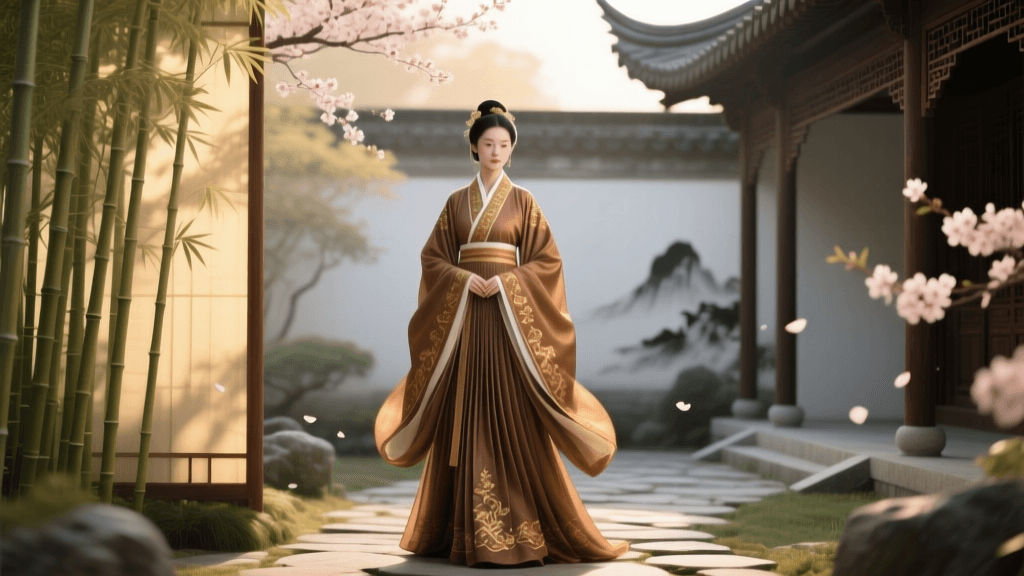
The Hanfu revival movement, known in Chinese as Hanfu Yundong, is not merely a fleeting fashion trend; it is a profound cultural renaissance that has swept across China and the global diaspora over the last two decades. What began in 2003 when a man named Wang Letian wore a traditional Han Chinese garment on the streets of Zhengzhou has blossomed into a multi-billion-dollar industry. According to a market report by China Daily, the number of Hanfu enthusiasts in China has surged into the millions, driven by social media platforms like Douyin and Xiaohongshu, which have transformed historical garments into everyday streetwear. For those looking to participate in this movement, navigating the vast array of historical periods, styles, and modern commercial brands can be overwhelming. This guide focuses on one of the most accessible, elegant, and historically rich entry points into the Hanfu wardrobe: the Ming Dynasty Aoqun, specifically highlighting the iconic Mamianqun (horse-face skirt).
Why Start with Ming Dynasty Hanfu?
The Ming Dynasty (1368–1644) represents a golden era of Chinese textile craftsmanship. Unlike earlier dynasties where surviving garments are largely relegated to fragile museum pieces or tomb excavations, Ming Dynasty clothing is exceptionally well-documented through extant artifacts, detailed portraiture, and historical texts. The silhouette of the Ming Aoqun—a structured, cross-collared or standing-collared jacket (Ao) paired with a voluminous, pleated skirt (Qun)—is remarkably forgiving, flattering on diverse body types, and highly adaptable to modern climates and lifestyles. Furthermore, the Mamianqun has transcended its historical roots to become a staple of modern "new Chinese style" (Xin Zhongshi) fashion. Its flat front and back panels, flanked by intricate, structured pleats, allow for ease of movement while maintaining a regal, structured drape. As noted by cultural commentators at BBC Culture, the blending of ancient aesthetics with modern daily life is the defining triumph of the contemporary Hanfu movement.
Practical Buying Guide: Sizing, Costs, and Brands
When purchasing your first Hanfu, understanding the market tiers is crucial. The industry is heavily concentrated on Chinese e-commerce platforms like Taobao and Tmall, though global shipping options and dedicated Western-facing sites are expanding. Below is a structured comparison of the market tiers to help you budget for your first Ming Dynasty set.
| Tier | Price Range (USD) | Notable Brands | Best For |
|---|---|---|---|
| Entry-Level | $40 - $80 | Qinghe Tang, Hanfu Era | Beginners, cosplay, casual streetwear |
| Mid-Tier | $80 - $200 | Shisanyu (13Yu), Zhongling, Tingyue | Enthusiasts, historical accuracy, quality fabrics |
| High-End / Custom | $300 - $1,500+ | Minghuatang, Xianhan | Collectors, formal events, museum-grade replication |
For your first purchase, the Mid-Tier is highly recommended. Brands like Shisanyu offer exceptional value, utilizing durable polyester blends or mid-weight cottons that are easy to wash and maintain, while still respecting historical patterns and weaving techniques. High-end brands like Minghuatang are revered for their use of genuine silk, real gold-leaf threading, and meticulous replication of museum artifacts, but they often require months of pre-order waiting and delicate dry-cleaning.
How to Measure Yourself for Hanfu
Western clothing relies on standardized S/M/L sizing or specific body contours. Hanfu, however, is cut from flat planes of fabric, meaning it relies on "Pingpu" (flat-lay) measurements. To ensure a proper fit, you will need a soft measuring tape and a friend to help you.
- Bust (Xiongwei): Measure around the fullest part of your chest. For the Ming Ao, add 4-6 inches to this measurement to allow for the traditional relaxed fit and layering.
- Waist (Yaowei): Measure your natural waist. For the Mamianqun, the skirt sits higher than modern trousers, usually just above the belly button. Ensure the skirt's waistband measurement matches this exact number, as the wrap-around design requires a precise overlap to prevent gaping.
- Skirt Length (Qunchang): Measure from your natural waist down to your ankle bone. A standard Ming skirt usually falls right above the ground when worn with traditional embroidered shoes.
- Sleeve Span (Tongxiu): This is the measurement from one wrist, across the back of the neck, to the other wrist. Ming Dynasty sleeves range from "Pipa" (lute-shaped, narrower) to "Guangxiu" (wide, formal). A daily-wear Pipa sleeve Tongxiu is usually around 140-150cm.
Step-by-Step Styling: Wearing the Mamianqun
Putting on a horse-face skirt for the first time can feel like solving a geometric puzzle. Unlike a zippered skirt, the Mamianqun consists of two overlapping panels of fabric with ties attached to the waistband.
- Positioning: Hold the skirt behind you, ensuring the flat, unpleated "horse face" panels are centered on your back and front.
- The First Wrap: Take the right-side tie and wrap it around your waist to the left side, securing it snugly. The fabric should overlap completely across your front to ensure modesty.
- The Second Wrap: Take the left-side tie and wrap it around your waist to the right side, tying it securely over the first knot.
- Adjusting the Pleats: Gently shake your hips and use your hands to fan out the side pleats so they sit symmetrically on your thighs. The flat front panel should lie perfectly smooth against your stomach.
Once the skirt is secured, the Ao (jacket) is slipped on and fastened using the inner and outer ties. Always remember the golden rule of Hanfu: "Jiao Ling You Ren" (cross the collar, right side over left). The left lapel must always cross over the right, a tradition deeply rooted in ancient Han Chinese cosmology and respect for the living.
Modern Integration and Accessories
The beauty of the Hanfu revival lies in its adaptability. You do not need to wear historically accurate makeup or elaborate updos to participate in the movement. Modern enthusiasts frequently pair Ming Dynasty skirts with contemporary knitwear, turtlenecks, or tailored blazers during the winter months. When styling the traditional Ao, consider adding a Yunjian (cloud shoulder) for formal events, which drapes over the shoulders and adds a layer of intricate embroidery. For footwear, while traditional cloud-toe shoes are beautiful, modern Mary Janes, loafers, or even clean white sneakers are widely accepted and celebrated within the community for daily wear.
"The Hanfu movement is not about retreating into the past; it is about reclaiming a visual identity that was severed by historical upheavals. When young people wear these garments on the subway or in the office, they are stitching together a new, confident cultural narrative." — Cultural Sociologists observing the Sixth Tone demographic shifts.
Final Thoughts on Joining the Movement
Entering the world of Hanfu is a journey into textile history, craftsmanship, and community. By starting with a mid-tier Ming Dynasty Aoqun, taking accurate flat-lay measurements, and understanding the mechanics of the Mamianqun, you are well-equipped to embrace this beautiful tradition. The Hanfu revival movement thrives on curiosity and respect. Whether you are wearing your first set to a local cultural festival, a tea ceremony, or simply on a weekend stroll through the city, you are becoming an active participant in a living, breathing cultural renaissance. Take your time, explore the rich history of Chinese weaving techniques, and let the garments tell their centuries-old stories through your modern life.