Guide to Japanese Matsuri Happi and Bon Odori Costumes
The Heartbeat of Summer: Japanese Festival Costumes
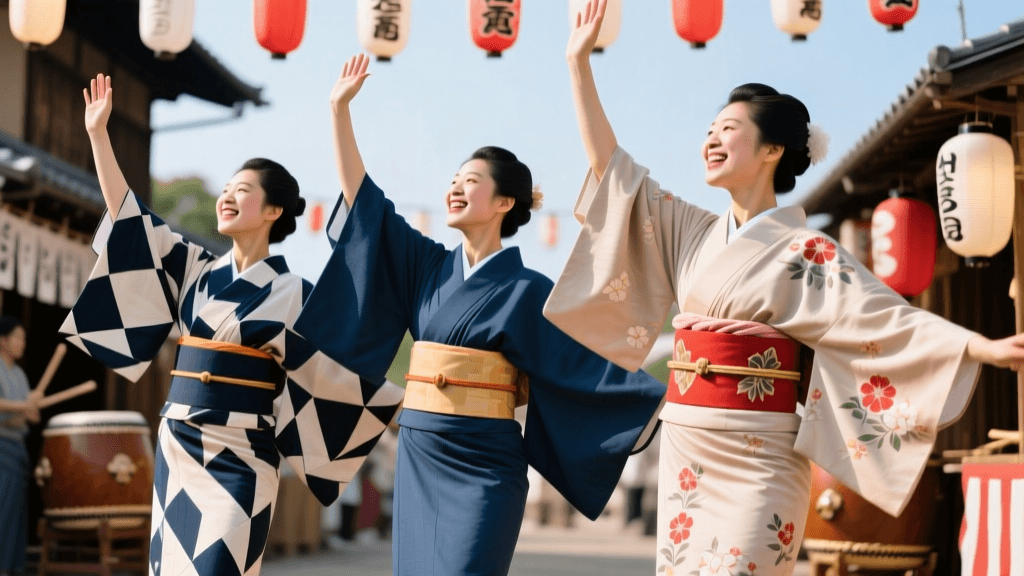
When the oppressive humidity of the Japanese summer sets in, the streets, shrines, and temples come alive with the vibrant energy of matsuri (festivals) and Bon Odori (ancestral dances). At the heart of these communal celebrations is the traditional festival attire. Unlike the highly structured and restrictive formal kimono, Japanese performance and festival garments are engineered for mobility, breathability, and communal identity. Whether you are preparing to carry a mikoshi (portable shrine), dance in a neighborhood Bon Odori circle, or simply attend a summer fireworks display, understanding the nuances of the happi coat and the yukata is essential for both cultural respect and physical comfort.
Matsuri Happi: The Uniform of Celebration
The happi coat is a lightweight, straight-sleeved jacket that serves as the quintessential uniform for Japanese festival participants. Historically, happi coats were worn by Edo-period firefighters and merchants, featuring the mon (crest) of their guild or district on the back. Today, they are the standard attire for shrine carriers, taiko drummers, and street vendors. For performers, the happi provides a broad canvas for group identity while allowing maximum upper-body mobility.
Sizing and Measurements for Active Performers
Unlike Western clothing, happi coats are sized primarily by length (mitake) and sleeve span (yuki). Because they are worn open or tied loosely with a sash, the chest and shoulder width are less critical than the overall drop and sleeve length. When ordering for a performance troupe, it is vital to standardize the hem length so the group looks cohesive during choreographed movements.
| Size Category | Mitake (Length) | Yuki (Sleeve Span) | Best For |
|---|---|---|---|
| Standard (M) | 75 - 80 cm (29.5 - 31.5 in) | 78 - 82 cm (30.7 - 32.2 in) | Adults 160-170cm; Standard Bon Odori |
| Large (L) | 80 - 85 cm (31.5 - 33.5 in) | 82 - 86 cm (32.2 - 33.8 in) | Adults 170-180cm; Mikoshi Carriers |
| Extra Large (XL) | 85 - 90 cm (33.5 - 35.4 in) | 86 - 90 cm (33.8 - 35.4 in) | Adults 180cm+; Taiko Drummers |
| Child (Kids) | 55 - 65 cm (21.6 - 25.5 in) | 55 - 65 cm (21.6 - 25.5 in) | Children ages 5-12; Youth Dance Troupes |
Fabric Selection: Cotton vs. Poly-Blends
For rigorous performances like carrying a two-ton mikoshi, traditional 100% heavy-weight cotton (often dyed using the tenugui or chusen method) is preferred for its durability and sweat absorption. However, for high-energy stage dances or hot outdoor parades, modern poly-cotton blends (typically 65% polyester, 35% cotton) are highly recommended. They dry significantly faster, resist wrinkling, and are much easier to launder after a long, sweaty festival weekend.
Bon Odori Yukata: Engineering for Dance and Heat
While the happi is often worn as an outer layer, the yukata is the primary garment for Bon Odori, the traditional summer dances held to welcome and honor the spirits of ancestors. As noted in Japan Guide's comprehensive overview of Bon Odori, these dances range from slow, graceful circles to highly synchronized, athletic routines. Therefore, a 'dance yukata' (odori yukata) must be dressed differently than a standard casual yukata.
Dressing for Mobility: The Hem and Obi
Standard yukata are worn with the hem resting just above the ankle. For Bon Odori, performers must execute wide stances, kicks, and pivots. To prevent tripping, dancers utilize a technique called ohashori adjustment, pulling the hem higher and securing it tightly with a koshi-himo (waist tie) before folding the excess fabric over the sash. Furthermore, while formal kimono require stiff, heavily padded obi, Bon Odori performers utilize the heko obi (a soft, flowing silk or cotton scarf-like sash) or a lightweight hanhaba obi. The heko obi is particularly popular for its dramatic, fluttering aesthetic during spins and its comfort during hours of continuous movement.
Footwear: Tabi and Jika-Tabi
Performing in traditional wooden geta sandals can lead to severe fatigue and blisters during multi-day festivals. Serious dancers and parade participants opt for jika-tabi—split-toe boots with flexible rubber soles. A standard pair of cotton jika-tabi costs between $25 and $40 USD and provides the necessary arch support and grip for dancing on asphalt or stone shrine grounds, while maintaining the traditional split-toe silhouette required for Japanese aesthetic sensibilities.
Regional Performance Variations
Japan's festival costumes vary wildly by region, reflecting local history, climate, and industry.
- Awa Odori (Tokushima): One of Japan's most famous and energetic dances. Male performers typically wear a lightweight, breathable happi coat left untied or tied high, paired with short tako pants or rolled-up momohiki trousers, and a woven amigasa (bamboo hat) tilted low over the face. Footwear strictly requires white tabi or jika-tabi.
- Gujo Odori (Gifu): An all-night summer dance festival. Performers wear lightweight, unlined cotton yukata. Because the dancing continues from dusk until dawn, the fabric must be exceptionally thin (often referred to as komon or fine-patterned cotton) to allow body heat to escape in the muggy mountain air. Dancers wear wooden geta, which create a percussive clacking sound that complements the shamisen music.
- Kanto Matsuri (Akita): Performers balancing massive bamboo poles adorned with lanterns wear tight-fitting tabi and happi coats with reinforced shoulders and backs to protect against the friction of the heavy bamboo poles.
Essential Performance Accessories
A festival costume is incomplete without its functional accessories, which serve both practical and performative purposes.
The Tenugui: More Than a Towel
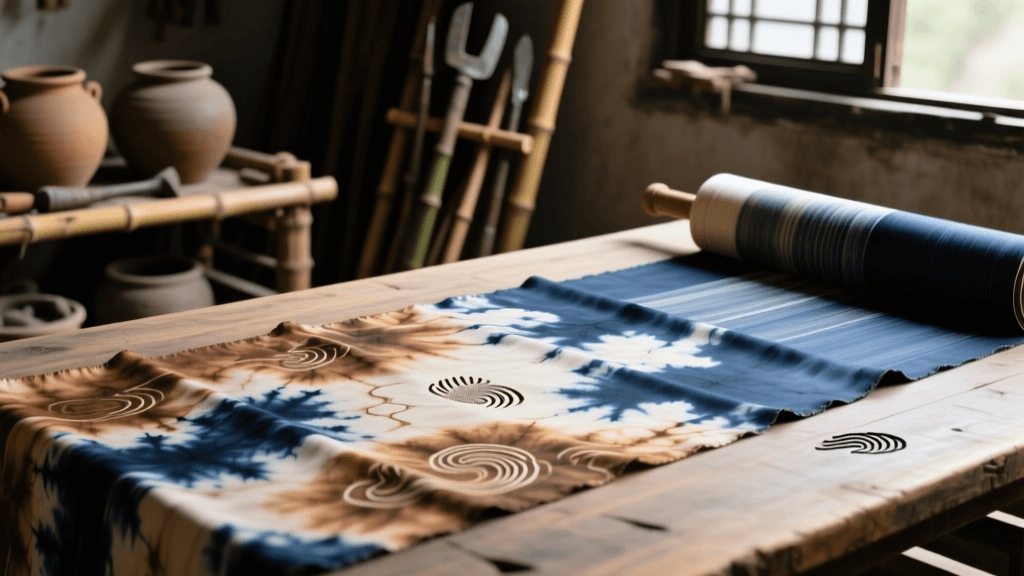
The tenugui is a rectangular, unhemmed cotton cloth measuring approximately 35cm by 90cm. As highlighted in Tofugu's cultural guide to the tenugui, the lack of hemming allows the cloth to dry rapidly and prevents bacterial buildup in humid conditions. For performers, the tenugui is wrapped tightly around the head (hachimaki style) to keep sweat out of the eyes and hair out of the face, or tucked into the back of the obi to absorb perspiration. High-quality, hand-dyed chusen tenugui cost around $20-$35 and are often given as gifts between festival guilds.
Sensu and Uchiwa: Fans as Props
In many Bon Odori routines, fans are used as extensions of the hands to emphasize choreography. The sensu (folding fan) is used for dramatic, snapping gestures and is typically made of bamboo and thick washi paper. The uchiwa (rigid circular fan) is often used in more relaxed, communal dances and serves the dual purpose of generating a breeze during breaks. Performers should invest in reinforced 'dance fans' which feature extra bamboo ribs to withstand the forceful snapping motions required in choreography.
Sourcing, Costs, and Timing for Performers
Acquiring authentic, performance-ready garments requires strategic planning, especially for international buyers or large troupes.
Budgeting for Authenticity
While cheap, mass-printed polyester happi coats can be found on general e-commerce sites for $15-$20, they lack the breathability required for actual summer performances. A genuine, Japanese-made cotton happi with a custom dyed crest will cost between $60 and $150 USD. A high-quality odori yukata set (including the garment, obi, and koshi-himo ties) will range from $80 to $200 USD. Investing in proper chusen dyed garments ensures the colors will not bleed when saturated with sweat or washed.
Timing Your Purchase
According to the Japan National Tourism Organization (JNTO), the peak festival season runs from July to August, featuring massive events like Kyoto's Gion Matsuri and Osaka's Tenjin Matsuri. If you are ordering custom happi coats for a troupe or sourcing specific sizes from Japanese artisans, you must place your orders by early April. Traditional dyeing processes, especially hand-poured chusen dyeing, can take 6 to 8 weeks, and international shipping from specialty retailers in Kyoto or Tokyo can add another 2 to 3 weeks.
'The festival garment is not merely clothing; it is a vessel for the community's spirit. When a troupe dons the same happi, individual egos dissolve, replaced by the unified heartbeat of the matsuri.'
— Master Artisan of Kyoto Dye Works
Conclusion
Whether you are stepping into a neighborhood Bon Odori circle or preparing for a rigorous stage performance, understanding the functional design of Japanese festival wear is paramount. By selecting the correct happi measurements, utilizing mobility-focused yukata dressing techniques, and equipping yourself with proper tabi footwear and tenugui accessories, you ensure that your focus remains entirely on the rhythm of the taiko and the joy of the summer celebration. Respect the craft, prepare for the heat, and embrace the vibrant legacy of Japanese festival traditions.