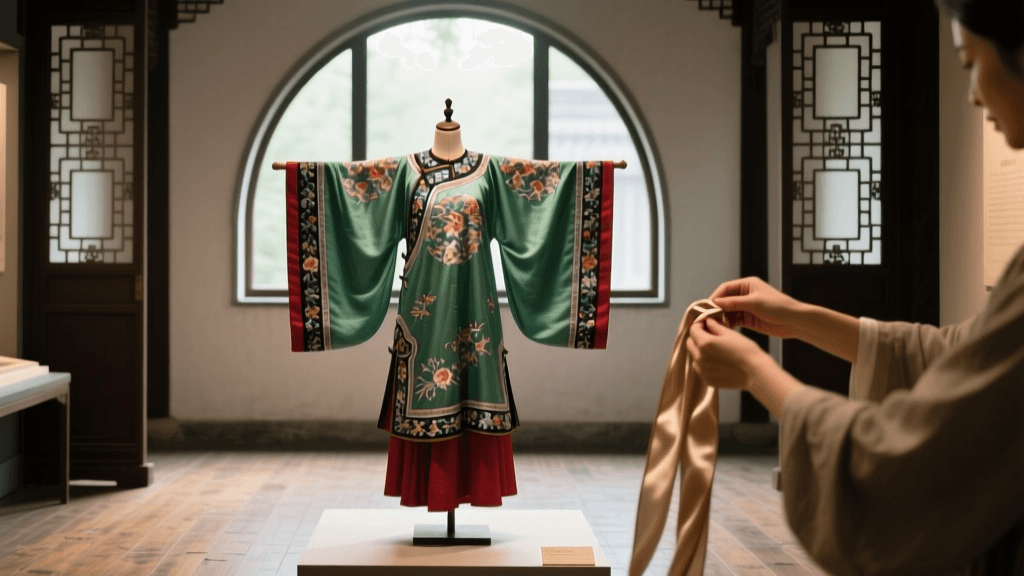
The Kimono Silhouette in Global Sci-Fi and Fantasy Media

The Intersection of Edo-Era Elegance and Futuristic Design
When we envision the future of fashion in global science fiction and fantasy media, the visual language is overwhelmingly shaped by the past. Specifically, the traditional Japanese kimono and its associated garments have become the foundational blueprint for alien royalty, futuristic warriors, and cyberpunk streetwear. The T-shaped silhouette, the zero-waste straight-line cutting method, and the structural brilliance of the obi sash offer a timeless aesthetic that translates seamlessly into speculative fiction. For cosplayers, costume designers, and traditional garment enthusiasts, understanding this intersection provides a unique opportunity to recreate iconic pop culture looks using authentic, historical pieces.
Historical Roots and Global Absorption
The global fascination with Japanese garments is not a modern phenomenon born solely from anime or Hollywood blockbusters; it is rooted in centuries of cross-cultural exchange. According to The Metropolitan Museum of Art, the structural elegance of the kimono, characterized by its straight seams and lack of darts, challenged Western tailoring norms and heavily influenced global fashion movements from the late 19th century onward. This structural departure from form-fitting Western clothing allows for a fluid, imposing silhouette that modern sci-fi costume designers frequently utilize to convey otherworldly grace or monastic discipline.
The absorption of these silhouettes into high fashion and, subsequently, media costuming was highlighted in the Victoria and Albert Museum's landmark exhibition. As noted in The Guardian's review of the 'Kimono: Kyoto to Catwalk' exhibition, the garment's ability to transcend its geographic origins and be reimagined by global designers paved the way for its ubiquitous presence in Hollywood wardrobe departments. Today, the kimono is less of a foreign artifact in media and more of a universal design language for world-building.
Iconic Pop Culture Influences and Their Traditional Roots
Star Wars: The Jedi and the Hakama
George Lucas famously drew heavy inspiration from Akira Kurosawa’s samurai films when creating the Star Wars universe. The iconic Jedi robes are essentially a direct adaptation of traditional Japanese layering. The inner tunic mimics the yukata or nagajuban (under-kimono), while the sweeping outer cloaks echo the voluminous drape of a formal kimono. More importantly, the lower-body mobility seen in Jedi combat stances is achieved through the use of hakama—traditional pleated trousers. A standard men's hakama features five or seven deep pleats, allowing for a wide range of motion while maintaining a structured, dignified profile.
Cyberpunk and Anime: Tech-Wear Meets Yukata
In franchises like Ghost in the Shell and Cyberpunk 2077, traditional garments are frequently juxtaposed with neon lighting and cybernetic enhancements. The jinbei and yukata are often reimagined in synthetic, waterproof materials, serving as the casual streetwear of a dystopian future. The haori (a short kimono jacket) is particularly popular in anime-inspired tech-wear, often modified with tactical webbing, hidden pockets, and high collars to bridge the gap between Edo-period aesthetics and futuristic utility.
Fantasy Epics: The Obi as a Utility Harness
In epic fantasy, from Marvel’s Wakanda to the Fremen of Dune, the traditional obi sash is frequently adapted into utility belts, armor harnesses, and ceremonial waist-cinches. A formal maru obi measures approximately 30 to 33 centimeters in width and up to 400 centimeters in length. This massive expanse of heavily brocaded silk provides the perfect structural base for attaching prop weapons, pouches, and sci-fi armor plating without the need for rigid leather belts.
Actionable Guide: Recreating Sci-Fi Looks with Authentic Garments
For cosplayers and independent filmmakers looking to elevate their costume design, sourcing authentic vintage Japanese garments offers unparalleled texture and drape compared to modern synthetic costume fabrics. Below is a comparison chart detailing how traditional pieces map to pop culture archetypes, complete with sourcing costs and key measurements.
| Traditional Garment | Pop Culture / Sci-Fi Equivalent | Avg. Vintage Cost (USD) | Key Measurements & Sourcing Tips |
|---|---|---|---|
| Haori (Silk Jacket) | Cyberpunk Tech-wear, Anime Protagonist Outerwear | $40 - $90 | Standard sleeve drop (sode) is ~49cm. Look for Taisho-era (1912-1926) pieces with bold, geometric linings that can be inverted for a futuristic look. |
| Hakama (Pleated Trousers) | Jedi/Sith Robes, Fantasy Warrior Lower Armor | $60 - $150 | Requires precise waist-to-ankle measurement. Modern polyester hakama ($35-$50) are recommended for stunt work due to washability and sharp pleat retention. |
| Maru Obi (Formal Sash) | Sci-Fi Utility Belt, Armor Harness Base | $80 - $200 | Width: ~31cm, Length: ~400cm. Heavy gold/silver brocade. Use the stiff core as a base to hot-glue or stitch EVA foam armor plates. |
| Yukata (Casual Cotton) | Dystopian Base Layers, Post-Apocalyptic Tunics | $30 - $60 | Standard panel width is 36cm. Easily distressed, dyed, or weathered with sandpaper and acrylic washes for a 'scavenged' sci-fi aesthetic. |
Sourcing, Measuring, and Alteration Tips for Cosplayers
Integrating authentic vintage garments into pop culture costuming requires an understanding of traditional construction. Unlike Western clothing, kimonos are constructed from a single bolt of fabric called a tanmono, cut into straight rectangles. This means that altering the width of a kimono is notoriously difficult, but adjusting the length and drape is highly achievable.
Where to Source Authentic Pieces
- Online Japanese Auctions: Utilizing proxy services like Buyee or ZenMarket to access Yahoo Auctions Japan is the most cost-effective way to acquire high-quality silk haori and obi. Search terms like 'vintage haori' or 'antique obi belt' yield hundreds of results in the $30 to $80 range.
- Specialty Exporters: Websites like Chicago Kimono or local Japanese thrift stores (such as those found in Los Angeles or Hawaii) offer curated, condition-checked garments. While slightly more expensive ($100+), they save time on filtering out damaged pieces.
- Upcycling Damaged Silk: Many vintage silk kimonos suffer from shattering (dry rot) along the fold lines. These can be purchased for under $20 and harvested for their stunning, hand-painted Yuzen dye panels, which can be applied as appliques to modern sci-fi armor or cloaks.
Styling the Obi for Futuristic Armor
The traditional method of tying an obi involves complex knots (musubi) that require specific accessories like the obi-jime (decorative cord) and obi-age (silk scarf). For sci-fi and fantasy costuming, you can bypass the traditional knots in favor of a 'bunko' style fold, securing the massive 400cm length with heavy-duty tactical clips or magnetic clasps hidden beneath the fabric. This allows the heavy brocade to act as a weight-bearing belt for prop lightsabers, blasters, or fantasy swords without slipping during convention wear.
"The straight-line cutting method of the kimono represents a zero-waste philosophy that modern futuristic design desperately seeks to emulate. By utilizing authentic vintage garments, cosplayers not only achieve a superior on-camera drape but also participate in a sustainable form of fashion upcycling."
Weathering and Dyeing: Adapting Silk for the Screen
If your pop culture reference requires a weathered, battle-worn look, caution is required when treating vintage silk. Traditional shibori (tie-dye) and yuzen (resist-dyeing) techniques utilize dyes that can bleed if exposed to modern chemical weathering agents. Instead of liquid washes, use dry-brushing techniques with chalk pastels or finely ground charcoal to simulate dust, ash, and sci-fi grime. For base layers, modern cotton-polyester blend yukata are highly recommended, as they can be repeatedly washed in tea or coffee baths to achieve an authentic, sun-baked Tatooine or Arrakis aesthetic without destroying valuable historical textiles.
The Future of Traditional Japanese Fashion in Media
As global media continues to blend cultural aesthetics into new, hybridized forms of world-building, the traditional Japanese kimono remains an inexhaustible well of inspiration. By understanding the precise measurements, historical contexts, and structural ingenuity of these garments, fans and designers can move beyond superficial appropriation. Instead, they can engage in a deep, respectful appreciation of Asian traditions, utilizing the kimono's silhouette to tell new, imaginative stories on screens and at conventions around the world.