Exploring China's Top Hanfu Museums and Heritage Exhibitions
The Intersection of Hanfu Revival and Museum Tourism
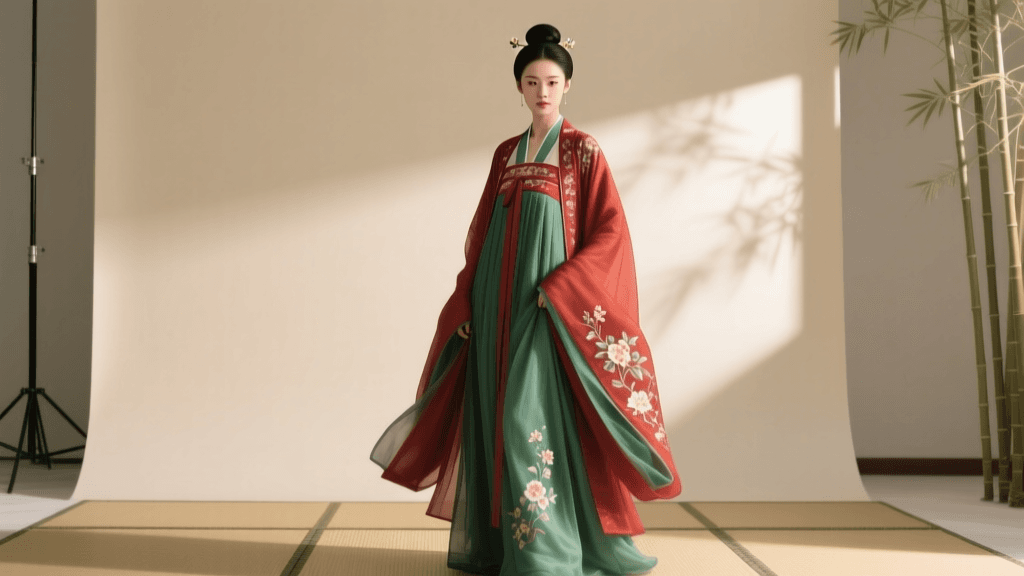
The global resurgence of Hanfu—traditional Han Chinese clothing—has transcended mere fashion, evolving into a profound cultural movement. For enthusiasts, historians, and cultural tourists, understanding the intricate construction, historical context, and textile artistry of these garments requires more than just browsing online forums or participating in street parades. It demands a pilgrimage to the physical archives of Chinese history: the nation's premier textile museums, heritage sites, and curated cultural exhibitions.
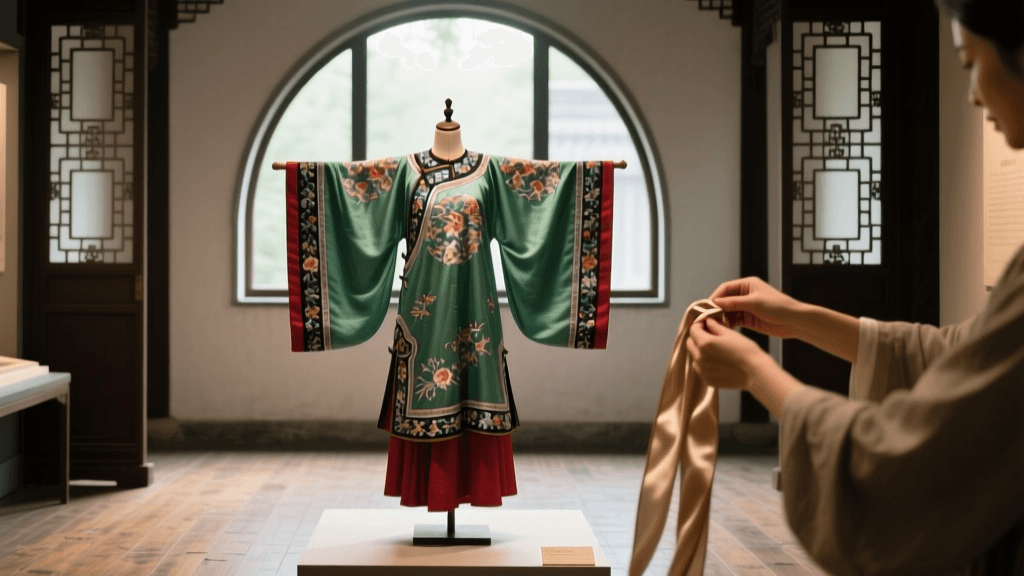
China boasts a network of world-class institutions dedicated to the preservation of sericulture, weaving techniques, and historical garments. These museums not only house fragile artifacts dating back thousands of years but also serve as educational hubs where the intangible cultural heritage of Chinese textile crafts is kept alive. Whether you are studying the drape of a Song dynasty beizi or marveling at the complex weave of Ming dynasty mamianqun (horse-face skirts), these institutions offer an unparalleled, tactile connection to the past.
Premier Hanfu and Textile Museums in China
China National Silk Museum (Hangzhou)
Located at the southern end of the West Lake, the China National Silk Museum is the largest silk-themed museum in the world and an absolute cornerstone for any Hanfu enthusiast. The museum's 'Hall of Silk' and 'Hall of Costume' provide a chronological journey through China's textile history. Here, visitors can view meticulously preserved garments excavated from the Mawangdui Han Dynasty tombs, alongside stunning replicas of Tang dynasty court dress. The museum also features state-of-the-art conservation laboratories where you can observe experts repairing centuries-old fragile silks.
Chengdu Shu Brocade Museum
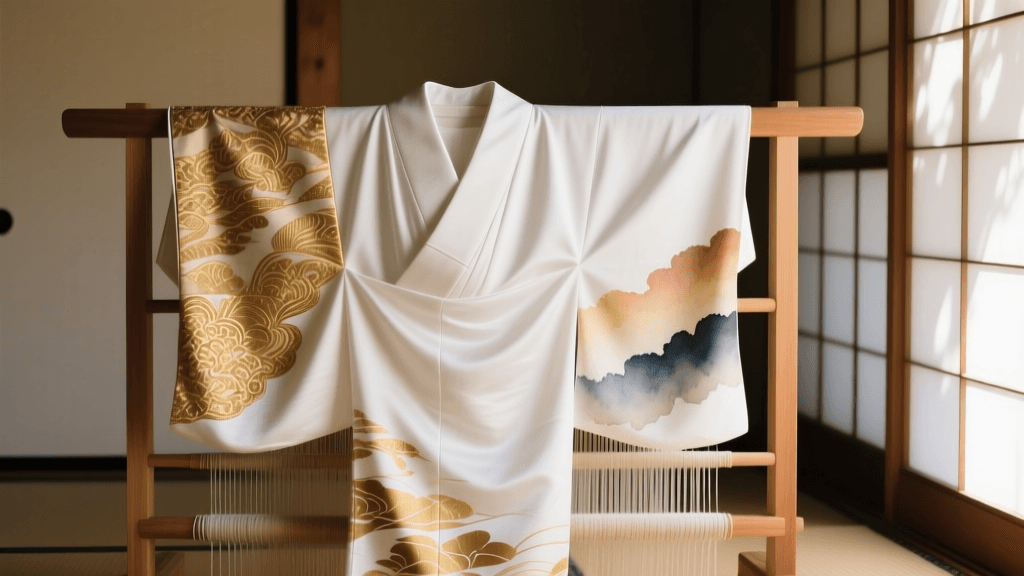
Shu brocade, originating from Sichuan province, is one of China's most celebrated traditional weaving techniques, recognized by UNESCO as an Intangible Cultural Heritage. The Chengdu Shu Brocade Museum offers a deep dive into the vibrant, pattern-heavy textiles that were highly prized during the Han and Tang dynasties. The museum features operational wooden draw-looms, allowing visitors to hear the rhythmic clacking of the shuttles and watch master weavers create the complex, cloud-like patterns that historically adorned high-status Hanfu garments.
Suzhou Silk Museum
Suzhou is synonymous with elegance, and its regional textiles—particularly Song brocade and kusi (silk tapestry)—reflect this refined aesthetic. The Suzhou Silk Museum focuses heavily on the Jiangnan region's contribution to Hanfu fashion, particularly the delicate, water-inspired motifs favored during the Song and Ming dynasties. The museum's garden-like architecture perfectly complements the soft, flowing nature of the garments on display.
Museum Comparison Chart for Cultural Tourists
| Museum / Site | Location | Primary Textile Focus | Approx. Entry Cost | Best Season to Visit |
|---|---|---|---|---|
| China National Silk Museum | Hangzhou, Zhejiang | Comprehensive Silk History, Mawangdui Artifacts | Free (Reservation required) | Spring (March-May) |
| Chengdu Shu Brocade Museum | Chengdu, Sichuan | Shu Brocade, Han/Tang Weaving Looms | ~30 RMB | Autumn (Sept-Nov) |
| Suzhou Silk Museum | Suzhou, Jiangsu | Song Brocade, Kesi Tapestry, Jiangnan Silk | Free (Reservation required) | Spring (April-June) |
| The Palace Museum (Textile Gallery) | Beijing | Ming/Qing Imperial Garments, Embroidery | 60 RMB (Peak) / 40 RMB (Off) | Autumn (Sept-Oct) |
Imperial Exhibitions and Living Heritage Sites
Beyond dedicated textile museums, temporary exhibitions at major historical sites offer rare glimpses into imperial wardrobes. The Palace Museum in Beijing (the Forbidden City) periodically opens its specialized textile and embroidery galleries. These exhibitions showcase the pinnacle of Ming and Qing dynasty court attire, featuring intricate gold-thread embroidery, dragon robes, and the structural underpinnings of formal court Hanfu. Because organic textiles are highly sensitive to light, these exhibitions are often rotated every few months to prevent fading, making timing your visit crucial.
For a more immersive experience, 'living' heritage sites like the water towns of Wuzhen and Xitang in Zhejiang province blend historical architecture with active Hanfu culture. During the annual Xitang Hanfu Culture Week, the ancient stone streets and Ming-era bridges transform into a living museum, where thousands of attendees wear historically accurate garments, turning the entire town into an open-air exhibition of traditional Chinese aesthetics.
Practical Guide: Planning Your Hanfu Heritage Tour
Visiting these cultural institutions requires some logistical planning, especially for international tourists and dedicated Hanfu practitioners looking to combine museum visits with traditional dress.
Ticketing, Timing, and Reservations
- Advance Booking: Most national and provincial museums in China, including the China National Silk Museum and the Palace Museum, require advance reservations. Bookings are typically made via WeChat Mini Programs (e.g., search for '中国丝绸博物馆' or '故宫博物院'). You will need a passport or Chinese ID number to secure a time slot.
- Beat the Crowds: Avoid Chinese National Holidays (Golden Week in October, Lunar New Year, and Labor Day in May). The best time for a serene, uninterrupted study of textile exhibits is on weekday mornings during the shoulder seasons of April or September.
Photography and Preservation Etiquette
Textile conservation is a battle against light and humidity. Respect the lux limits set by curators to ensure these fragile garments survive for future generations.
When viewing historical Hanfu and textile artifacts, strict photography rules apply. Never use flash photography. The intense burst of light can cause irreversible photochemical degradation to ancient silk dyes. Many museums prohibit tripods and selfie sticks to prevent accidental damage to display cases. When taking notes or sketching garment constructions, use a soft graphite pencil rather than an ink pen, which could leak and damage nearby artifacts or facilities.
Wearing Hanfu to Museums and Heritage Sites
Many enthusiasts wish to wear Hanfu while visiting these sites. While museums welcome traditional dress, there are practical considerations:
- Garment Choice: Opt for simpler, everyday Hanfu styles like the Song dynasty beizi and baimianqun or Ming dynasty aoqun. Avoid excessively long, trailing court garments or bulky ceremonial wear, as navigating crowded exhibition halls and narrow heritage site alleyways can lead to tripping hazards or fabric damage.
- Rental Options: If you are traveling light, heritage sites like Wuzhen and Xitang have dozens of Hanfu rental boutiques. Expect to pay between 150 to 400 RMB for a full-day rental, which typically includes the garment set, basic hair styling, and traditional accessories. Always inspect the garments for stains or tears before leaving the shop to avoid deposit disputes.
- Climate Control: Museums maintain strict climate control (usually around 20°C with 50-55% relative humidity) to preserve textiles. If visiting in the peak of summer, the transition from the sweltering outdoor heat to the cool, dehumidified museum interior can be jarring. Bring a light, modern shawl or wear a breathable linen under-layer (zhongyi) beneath your Hanfu to manage the temperature shift comfortably.
Conclusion
Exploring China's Hanfu museums and heritage sites is an essential endeavor for anyone serious about traditional Asian garments. These institutions do more than display old clothes; they safeguard the technological marvels of ancient looms, the artistic triumphs of natural dyeing, and the sociocultural narratives woven into every seam. By planning your visit thoughtfully, respecting conservation protocols, and engaging deeply with the exhibits, you contribute to the ongoing preservation and appreciation of one of the world's most magnificent sartorial traditions.