Kimono Craftsmanship: Nishijin Weaving vs Yuzen Silk Dyeing
The Dual Pillars of Japanese Silk Craftsmanship
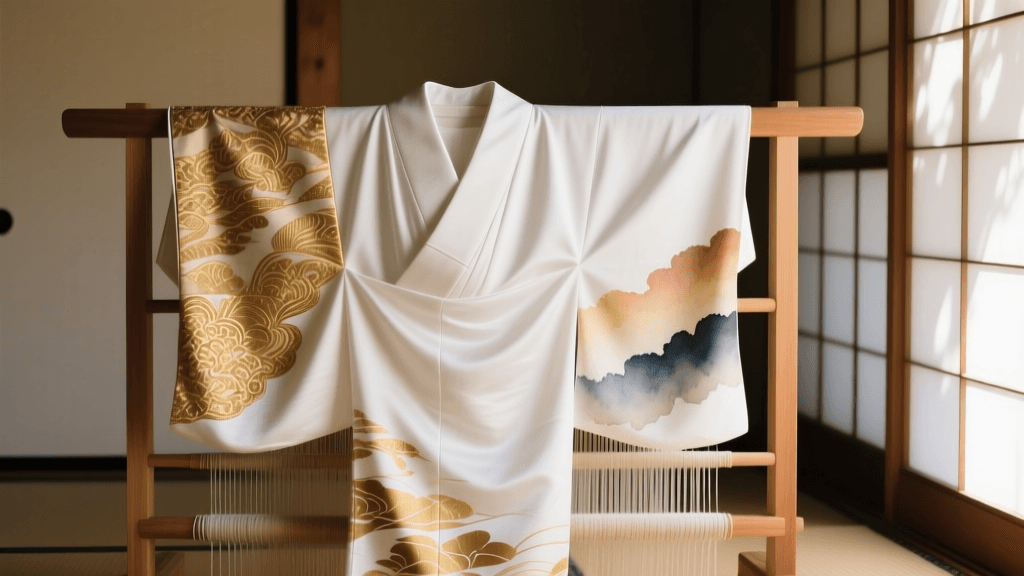
When exploring the rich tapestry of Asian traditional garments, few items command as much respect and fascination as the Japanese kimono. At the heart of this iconic garment lies a centuries-old dedication to textile mastery. For collectors, cultural enthusiasts, and prospective buyers, understanding the distinction between the two primary methods of high-end kimono creation—Nishijin-ori (weaving) and Yuzen (dyeing)—is essential. These techniques represent the pinnacle of Japanese silk craftsmanship, each requiring years of apprenticeship and a profound understanding of natural materials. According to the Association for the Promotion of Traditional Craft Industries, both techniques are officially designated as Traditional Crafts of Japan, safeguarding their heritage in the modern era.
Nishijin-ori: The Pinnacle of Japanese Weaving
Nishijin-ori is not a single fabric, but rather a collective term for the incredibly complex, multi-step weaving techniques originating from the Nishijin district of Kyoto. The production of a single Nishijin obi or kimono can involve over twenty distinct specialized steps, from design drafting and thread dyeing to the final weaving on a jacquard loom. The Nishijin Textile Industry Association notes that this division of labor has allowed artisans to perfect specific micro-techniques over generations.
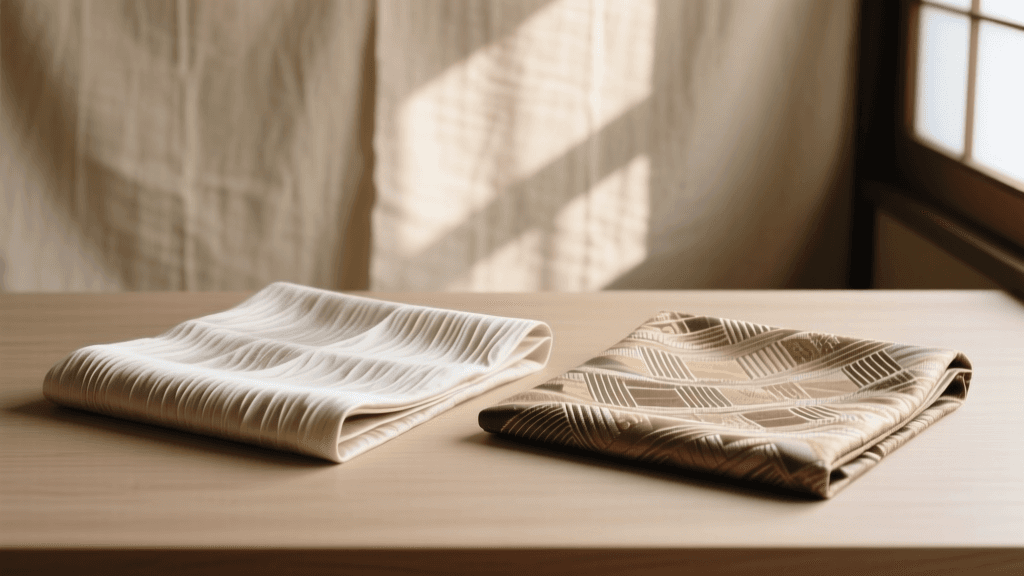
One of the most celebrated styles within this tradition is Tsuzure-ori (tapestry weave), which allows weavers to create intricate, painterly patterns using their fingernails to pack the weft threads tightly together. Another prominent style is Kara-ori, which incorporates floating weft threads to mimic the look of embroidery. Nishijin textiles are renowned for their use of kinran and ginran—threads wrapped in ultra-thin sheets of real gold and silver leaf. Because the patterns are woven directly into the fabric, Nishijin garments possess a distinct structural weight, a luxurious stiffness, and a reversible or deeply textured quality that dyed fabrics cannot replicate.
Yuzen Dyeing: Painting with Silk
If Nishijin-ori is the art of structural creation, Yuzen is the art of surface painting. Invented in the late 17th century by Miyazaki Yuzensai, this resist-dyeing technique revolutionized Japanese fashion by allowing for sweeping, pictorial designs that flowed across the seams of a kimono. The process begins with a meticulous shita-e (underdrawing) applied with dayflower juice, which washes away later. Artisans then trace the design lines with itome-nori, a specialized rice-paste resist that prevents dyes from bleeding.
There are two major regional variations of this craft. Kyo-Yuzen (from Kyoto) is characterized by its soft, pastel color palettes, extensive use of gold leaf, and elegant, stylized motifs. In contrast, Kaga-Yuzen (from Kanazawa) is famous for its strict realism, utilizing a signature five-color palette (kaga-gosai) and often depicting natural imperfections, such as insect-bitten leaves. The Kyoto Museum of Traditional Crafts frequently highlights how Yuzen dyeing transformed the kimono from a woven status symbol into a wearable canvas, capturing the ephemeral beauty of Japan's four seasons.
Comparative Analysis: Woven vs. Dyed Kimono Fabrics
Choosing between a woven Nishijin garment and a dyed Yuzen garment depends heavily on the intended occasion, budget, and aesthetic preference. Below is a structured comparison to guide collectors and buyers.
| Feature | Nishijin-ori (Woven) | Yuzen (Dyed) |
|---|---|---|
| Primary Technique | Jacquard and tapestry weaving with pre-dyed threads | Rice-paste resist dyeing on white silk crepe (chirimen) |
| Visual Texture | Textured, heavy, often metallic, structural stiffness | Smooth, fluid drape, pictorial, painterly softness |
| Best Garment Type | Fukuro Obi, Maru Obi, formal Haori | Houmongi, Tomesode, Furisode |
| Price Range (USD) | $800 - $15,000+ (Obi); $3,000 - $20,000+ (Kimono) | $1,500 - $25,000+ (Depending on hand-painted details) |
| Production Time | 2 to 6 months for complex obi | 3 to 8 months for bespoke hand-painted kimono |
Actionable Guide: Commissioning a Bespoke Kimono
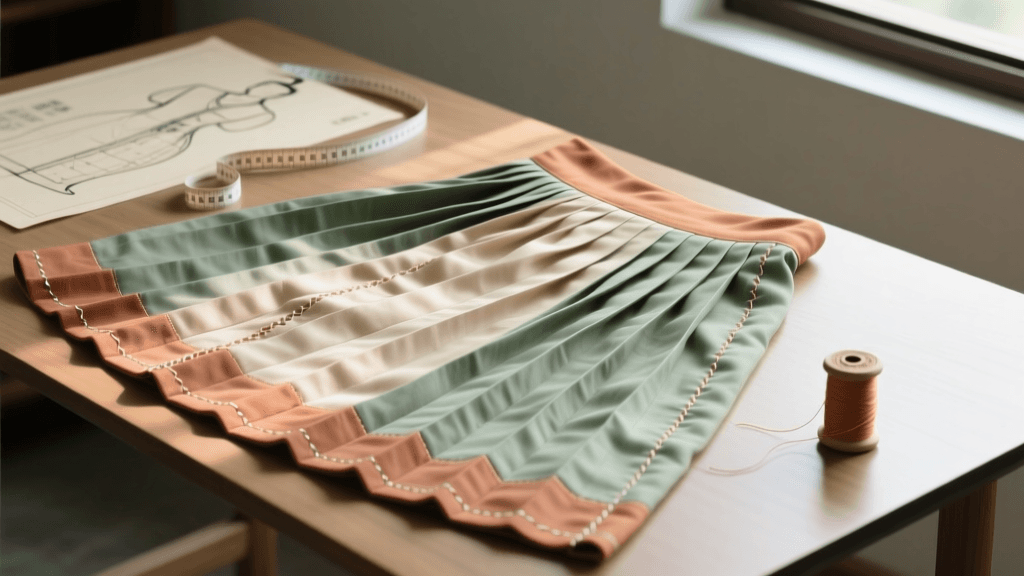
For those looking to invest in a bespoke kimono or high-end obi, the process requires patience and precise measurements. Unlike Western tailoring, which focuses on contouring to the body, kimono tailoring focuses on the relationship between the garment's geometric panels and the wearer's posture.
Essential Kimono Measurements
When commissioning a piece from a Kyoto atelier or a specialized dealer, you will need to provide the following metrics:
- Yuki (Sleeve Length): Measured from the center back of the neck, over the shoulder, and down to the wrist bone. This is the most critical measurement for ensuring the kimono's elegance.
- Mitake (Back Length): Measured from the base of the neck (the prominent vertebra) down to the ankle bone. A standard modern mitake is usually around 130cm to 140cm, but it must allow for the ohashori (the waist fold).
- Kurikoshi (Back Depth): The distance from the nape of the neck to the waist. This dictates how the collar sits and ensures the back seam aligns correctly with the wearer's spine.
- Sode-take (Sleeve Depth): The vertical length of the sleeve. For a mature woman's Houmongi, this is typically 49cm, whereas a young woman's Furisode can exceed 100cm.
Cost Breakdown and Investment Guide
Investing in traditional Japanese garments requires an understanding of the market tiers. Off-the-rack, machine-woven silk kimono can be found for $300 to $800, but true craftsmanship commands a premium. A hand-woven Nishijin Fukuro Obi (the standard formal obi) featuring real gold thread will generally start around $1,200 and can easily exceed $8,000 for master-weaver pieces.
For Yuzen, a custom-dyed Houmongi (visiting wear) featuring hand-painted kaga-yuzen motifs and finished with hand-embroidery (shishu) will typically cost between $3,500 and $10,000. Buyers should always look for the official certification labels—such as the gold seal for Nishijin-ori or the traditional craft stamp from METI—to verify authenticity and justify the investment.
Maintenance and Care for Silk Kimono
The longevity of these exquisite fabrics relies entirely on proper maintenance. Silk is a protein fiber that degrades when exposed to prolonged moisture, direct sunlight, or harsh chemicals.
- Maru-arai (Full Washing): Never attempt to wash a silk kimono or Nishijin obi at home. They must be taken to a specialized kimono cleaner for maru-arai, a process where the garment is entirely disassembled, washed in specialized solvents, stretched, and re-sewn. This service typically costs between $150 and $300 and should be done only when necessary (every 3-5 years for frequently worn items).
- Airing Out: After wearing, hang the kimono in a well-ventilated, shaded area for 24 hours to allow sweat and moisture to evaporate before folding.
- Storage: Store folded garments in tatou-shi (traditional Japanese paper wrappers) inside a paulownia wood chest (kiri-dansu). Paulownia wood naturally regulates humidity and repels insects. Avoid plastic bins, which trap moisture and cause yellowing or mold.
Conclusion
Whether you are drawn to the structural majesty and metallic gleam of a Nishijin-ori obi or the fluid, poetic landscapes painted across a Yuzen-dyed Tomesode, both techniques represent the zenith of Asian textile traditions. By understanding the distinct craftsmanship, costs, and care requirements of these fabrics, collectors and wearers can ensure these masterpieces of Japanese heritage continue to be cherished for generations to come.