Kimono Seasonal Wear: Layering Rules and Dressing Tips
The Philosophy of Koromogae (衣替え)
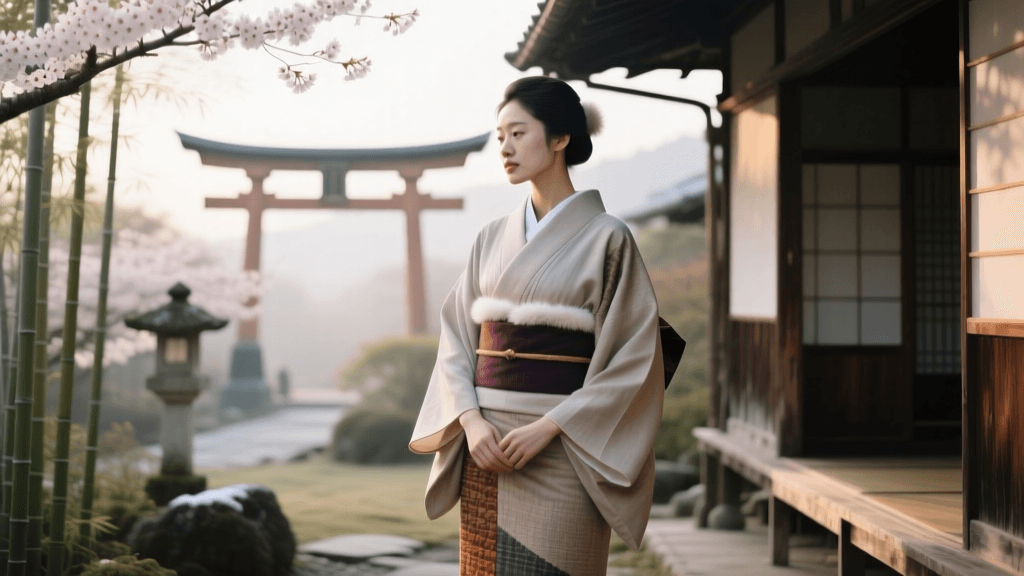
In Japanese culture, the transition of seasons is not merely a shift in weather; it is a profound aesthetic and cultural event. This reverence for the passing of time is most visibly expressed through koromogae (衣替え), the traditional practice of changing one's wardrobe to align with the seasons. According to the Victoria and Albert Museum, the kimono is inherently designed to act as a canvas for seasonal motifs, but the physical construction and layering of the garments are equally vital to this tradition. Dressing appropriately for the season—both in terms of textile weight and the techniques used to secure the layers—is a cornerstone of kitsuke (the art of kimono dressing).
Understanding seasonal wear requires mastering three main categories of kimono construction, alongside the specific undergarments and dressing techniques required to maintain comfort, silhouette, and cultural correctness throughout the year. As noted by the Japan Guide, wearing the correct seasonal garment is a sign of respect and cultural literacy, making it essential for both practitioners and enthusiasts of traditional Japanese dress.
The Three Pillars of Seasonal Kimono Wear
The Japanese kimono wardrobe is strictly divided by the calendar. While modern climate control has slightly relaxed these rules in casual settings, traditional etiquette dictates specific garments for specific months.
| Garment Type | Japanese Term | Months Worn | Construction & Fabric | Dressing Considerations |
|---|---|---|---|---|
| Lined Kimono | Awase (袷) | October – May | Fully lined with silk or synthetic crepe. Heavy fabrics like tsumugi (pongee) or chirimen (crepe). | Bulky layers require firm tying and careful waist folding to avoid a boxy silhouette. |
| Unlined Kimono | Hitoe (単衣) | June & September | Single layer of silk, cotton, or wool. No inner lining, allowing for breathability during transitional weather. | Slippery fabrics require anti-slip belts; motifs must reflect early summer or early autumn. |
| Sheer Summer Kimono | Natsumono / Ro-Sha | July & August | Woven with open-weave techniques like ro (gauze) or sha (leno). Highly transparent and lightweight. | Requires sheer undergarments; dressing must hide the ties (himo) beneath the obi to maintain a clean visual line. |
Awase (Lined Kimono): October to May
The awase is the most common kimono, worn for the majority of the year. Because it consists of an outer fabric and an inner lining, it traps heat effectively. During the peak of winter (January and February), wearers often add a han-juban (half-underrobe) or wear thermal inner layers beneath the traditional cotton hadajuban to combat the cold. The weight of the silk requires robust koshi-himo (tying cords) to secure the heavy folds at the waist.
Hitoe (Unlined Kimono): June and September
The hitoe serves as the bridge between the extremes of summer and winter. Worn during the humid onset of the rainy season in June and the lingering warmth of September, it lacks a lining. Dressing a hitoe requires a lighter touch; the fabric is often thinner and more prone to slipping than heavy winter crepe, necessitating the use of elastic date-jime belts to secure the o-hashori (waist fold) without adding unnecessary bulk.
Natsumono (Summer Sheer): July and August
Summer kimonos, woven from ro or sha, are engineering marvels designed to maximize airflow. Because the fabric is semi-transparent, the undergarments become part of the visual aesthetic. The Kyoto City Official Travel Guide emphasizes that summer dressing is an exercise in visual coolness (suzushisa). The nagajuban (under-robe) must also be made of sheer ro fabric, and the tying cords must be positioned precisely so they are hidden behind the opaque obi sash.
Essential Layering: The Foundation of Kitsuke
The outer kimono is only the final layer of a complex system of undergarments. Proper seasonal dressing begins at the skin.
- Hadajuban (Skin Barrier): A thin, short-sleeved undershirt worn directly against the skin to protect the expensive outer silk from sweat and oils. In summer, hemp (asa) or seersucker cotton is preferred for moisture-wicking. In winter, soft, napped cotton or thermal blends are used.
- Nagajuban (Under-Robe): The secondary layer that provides the kimono's shape and protects the collar area. Measurement Rule: The hem of the nagajuban must be exactly 1 to 2 centimeters shorter than the outer kimono. If it is too long, it will drag and soil; if it is too short, it will peek out awkwardly at the ankles.
- Han-eri (Decorative Collar): A detachable collar sewn onto the nagajuban. Seasonal rules apply heavily here. Winter calls for heavily embroidered silk or velvet collars. Summer demands sheer ro collars, often in pale blues or whites to evoke the feeling of water and ice.
Actionable Dressing Techniques for Seasonal Comfort
Dressing techniques (kitsuke) must adapt to the physical properties of seasonal fabrics. The most challenging aspect of kimono dressing is creating the o-hashori, the horizontal fold at the waist that allows a one-size-fits-all garment to be adjusted to the wearer's height.
Pro-Tip for Summer Dressing: When wearing sheer ro or sha kimonos, the traditional cotton koshi-himo cords will be visible through the transparent fabric. To maintain a flawless aesthetic, use a wide, sheer elastic belt (date-jime) to secure the waist fold, and ensure all traditional tying cords are routed strictly beneath where the opaque obi sash will sit.
Managing Winter Bulk: The awase kimono, combined with a lined nagajuban and winter under-layers, creates significant bulk at the waist. To prevent the o-hashori from looking thick and unflattering, use a koshi-himo made of thin, unbleached cotton, which grips silk tightly without adding volume. Furthermore, an obi-ita (obi board) with a felt backing should be inserted into the sash to smooth out the bulky layers underneath.
Sourcing and Costs: Building a Seasonal Wardrobe
Building a functional, year-round kimono wardrobe requires strategic sourcing. The secondary market in Japan (and specialized international dealers) offers incredible value for seasonal pieces, particularly for awase kimonos, which are produced in massive quantities.
| Garment / Accessory | Vintage / Secondhand (USD) | Modern / New (USD) | Seasonal Availability |
|---|---|---|---|
| Silk Awase Kimono | $40 - $150 | $400 - $1,500+ | Abundant year-round |
| Hitoe (Unlined) Kimono | $60 - $200 | $300 - $800 | Moderate; peak in Spring |
| Summer Ro / Sha Kimono | $80 - $250 | $350 - $1,200 | Rare; highly sought after |
| Lined Silk Nagajuban | $30 - $80 | $150 - $300 | Abundant year-round |
| Summer Hemp / Asa Juban | $40 - $100 | $120 - $250 | Seasonal; best in Spring |
| Sheer Ro Han-eri (Collar) | $10 - $25 | $30 - $60 | Available year-round |
For beginners, it is highly recommended to purchase a vintage awase kimono and a modern, washable synthetic nagajuban. Synthetic undergarments (often made from specialized polyester like Toyama silk-look fabrics) are invaluable because they can be machine-washed after sweating in the summer months, whereas traditional silk undergarments require expensive professional cleaning.
Conclusion
Mastering the seasonal wear and dressing techniques of the kimono is a lifelong pursuit that bridges the gap between historical preservation and living art. By understanding the strict calendar of koromogae, selecting the appropriate textiles like ro for summer and chirimen for winter, and adapting your kitsuke techniques to manage the varying weights and transparencies of the fabrics, you honor the deep cultural roots of Japanese dress. Whether you are navigating the humid streets of Kyoto in a sheer natsumono or attending a winter tea ceremony wrapped in a lined awase, the right layers and techniques ensure you do so with grace, comfort, and profound cultural respect.