Shiromuku vs Iro-Uchikake: Japanese Bridal Kimono Guide
Introduction to Japanese Bridal Sartorial Traditions
The Japanese traditional wedding is a masterclass in blending ancient Shinto rituals with meticulous sartorial elegance. At the heart of this ceremony is the bridal kimono, a garment that transcends mere clothing to become a profound symbol of purity, transition, and familial auspiciousness. For brides navigating the intricate world of Japanese wedding attire, understanding the distinctions between the primary ceremonial garments—the Shiromuku, the Iro-Uchikake, and the Hiki-Furisode—is essential. According to cultural historians and institutions like the Metropolitan Museum of Art, the evolution of these garments reflects centuries of shifting aesthetics, textile innovations, and deeply rooted spiritual beliefs. This comprehensive guide explores the unique characteristics of Japanese bridal kimono, offering practical, actionable advice on costs, fitting timelines, and the physical realities of wearing these magnificent ensembles.
The Shiromuku: A Canvas of Purity and Rebirth
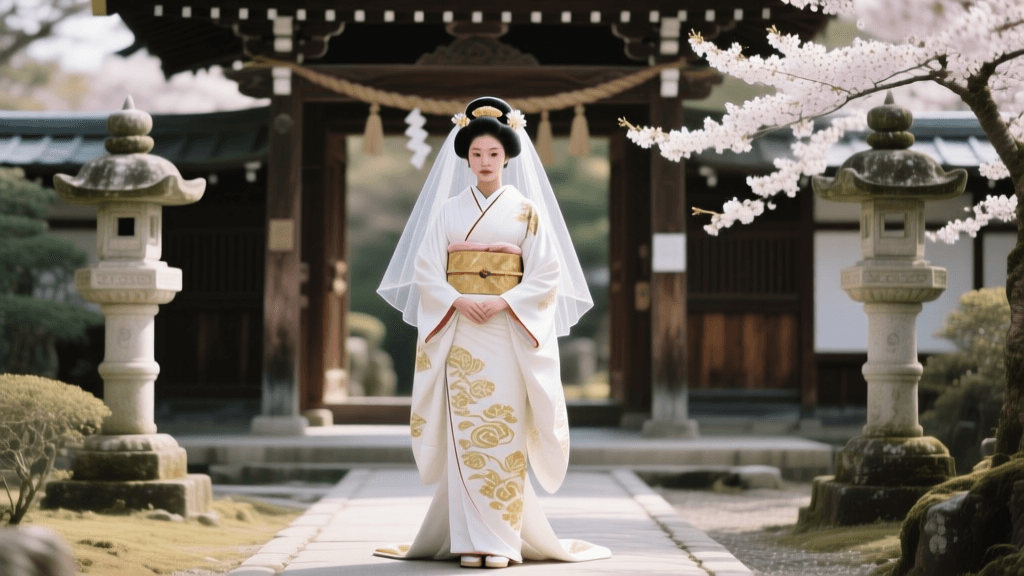
The Shiromuku (白無垢) is the most formal and traditional wedding kimono, worn exclusively during the Shinto wedding ceremony. Translating literally to 'pure white,' this ensemble consists of a white under-kimono (kakeshita), a white outer robe (uchikake), and a white obi sash. In Shinto belief, white represents purity, cleanliness, and the sun. More profoundly, it symbolizes the bride's willingness to be 'dyed' in the colors of her new husband's family, signifying a spiritual rebirth and the shedding of her past life.
The textile artistry of a Shiromuku is often subtle but extraordinarily complex. Rather than relying on vibrant dyes, artisans utilize intricate weaving techniques such as Nishijin-ori or delicate embroidery with silver and white silk threads to create auspicious motifs like cranes (tsuru), pine trees, and plum blossoms. These motifs are woven directly into the fabric, catching the light beautifully in the dim, sacred atmosphere of a Shinto shrine. The ensemble is traditionally paired with a wataboshi (a large, dome-shaped white hood) or a tsunokakushi (a smaller white veil), both of which serve to hide the bride's 'horns' of jealousy and ego, symbolizing her submission and gentleness as she enters her new household.
The Iro-Uchikake: Vibrant Hues and Auspicious Motifs
While the Shiromuku is reserved for the sacred vows, the Iro-Uchikake (色打掛) is the vibrant, colored outer robe worn during the wedding reception and festive celebrations. The Iro-Uchikake is a masterpiece of Japanese textile art, heavily padded at the hem to create a luxurious, trailing silhouette. As noted by the Victoria and Albert Museum, garments of this caliber showcase the pinnacle of Japanese craftsmanship, often employing Yuzen dyeing, gold leaf application (surihaku), and elaborate three-dimensional embroidery.
Unlike the pure white Shiromuku, the Iro-Uchikake embraces bold colors—deep crimsons, royal purples, and shimmering golds are highly favored. Crimson red, in particular, is believed to ward off evil spirits and bring good fortune. The motifs on an Iro-Uchikake are highly symbolic and carefully chosen by the bride and her family. The 'shochikubai' (pine, bamboo, and plum) represents resilience, longevity, and perseverance, while pairs of mandarin ducks or cranes symbolize marital fidelity and a long, harmonious life. The Iro-Uchikake is worn open at the front, revealing the beautifully patterned kakeshita (under-kimono) and the ornate, brocade obi sash tied in a elaborate drum or butterfly knot.
Hiki-Furisode: The Elegant Trailing Sleeve Alternative
For brides seeking a slightly more modern or versatile silhouette, the Hiki-Furisode (引き振袖) offers a stunning alternative. The furisode is characterized by its long, swinging sleeves, which historically signaled a woman's unmarried status. The 'hiki' (trailing) furisode is specifically tailored for weddings, featuring a padded hem that allows the garment to trail elegantly on the floor, similar to the uchikake, but worn as a single, closed garment rather than an open outer robe.
The Hiki-Furisode is deeply romantic and often favored for wedding receptions, pre-wedding photography (roke-shatsu), or less formal shrine ceremonies. Because it does not require the heavy, layered under-robe of the uchikake style, it is slightly lighter and offers the bride a bit more mobility. Popular colors include rich blacks with vibrant floral embroidery, deep burgundies, and pastel gradients. It is typically paired with an elaborate maru-obi (a heavily brocaded, double-sided sash) and an array of ornate hair accessories.
Comprehensive Comparison of Bridal Garments
To help brides and wedding planners make informed decisions, the following table outlines the core differences, ideal use cases, and estimated costs associated with each primary bridal garment.
| Garment Type | Primary Meaning | Best Worn For | Estimated Rental Cost (USD) | Garment Weight |
|---|---|---|---|---|
| Shiromuku | Purity, spiritual rebirth, and maidenhood. | Shinto shrine ceremony, sacred vows. | $1,500 - $3,000 | 15 - 20 kg |
| Iro-Uchikake | Celebration, auspicious fortune, and joy. | Wedding reception, formal entrances. | $1,800 - $3,500 | 15 - 22 kg |
| Hiki-Furisode | Youth, elegance, and romantic transition. | Receptions, photo shoots, smaller venues. | $1,200 - $2,500 | 10 - 15 kg |
Practical Guide: Timelines, Costs, and the Kitsuke Process
Selecting a Japanese wedding kimono is only the first step; the logistics of securing, fitting, and wearing the garment require careful planning. According to cultural and travel authorities like Japan Guide, traditional weddings involve strict protocols that directly impact how and when bridal attire is managed.
Booking and Fitting Timelines
- 8-10 Months Prior: Begin researching bridal salons, especially if you are renting from high-end boutiques in Tokyo or Kyoto. Top-tier antique or designer Iro-Uchikake are often booked a year in advance for peak wedding seasons (Spring and Autumn).
- 6 Months Prior: Schedule your first fitting. This is when you select the base kimono, the obi, and the collar (han-eri). You will also discuss your hairstyle to ensure the neckline drop is appropriate.
- 2 Months Prior: Finalize accessories, including hair ornaments (kanzashi), fans, and footwear. Confirm the exact timeline for the day-of dressing (kitsuke).
- 2 Weeks Prior: Final consultation with the kitsuke-shi (professional kimono dresser). Discuss any weight fluctuations and confirm the padding strategy.
Understanding the Costs
Renting is the most common route for modern brides, as purchasing a brand-new, handcrafted silk Iro-Uchikake can easily exceed $15,000 to $30,000. Rental packages typically range from $1,500 to $3,500 and should include the kimono, nagajuban (undergarment), obi, obi-jime (sash cord), zori (sandals), and basic accessories. Be aware that many salons charge an additional 'dressing fee' (kitsuke-ryo) and a 'hair and makeup fee' if you use their in-house stylists, which can add $300 to $600 to your total bill. If you plan to purchase, consider the secondary market or family heirlooms, though altering an antique kimono to modern proportions requires a highly skilled tailor and can cost upwards of $500.
The Art of Kitsuke and Physical Preparation
The process of dressing a bride in a ceremonial kimono, known as kitsuke, takes approximately 90 to 120 minutes. It is a physically demanding process. The dresser will use multiple towels and specialized padding to transform the bride's natural figure into the idealized, cylindrical silhouette required for kimono. The obi is tied tightly to support the heavy layers, which can restrict breathing and core movement.
Actionable Advice for Brides:
- Hydration and Fasting: Because using the restroom in a fully dressed Shiromuku is nearly impossible without the assistance of two dressers, brides should limit liquid intake 3 hours before dressing and use the restroom immediately before the final obi tying.
- The Ohashori Fold: Ensure your dresser creates an ohashori (the fold at the waist) of exactly 5 to 7 centimeters. This is the standard for formal wear and ensures the hem trails correctly without tripping you.
- The Nape Collar: The collar of the nagajuban (undergarment) should be pulled down to reveal exactly 1.5 to 2 centimeters of the nape of the neck. This 'nukimono' gap is considered the most sensual and elegant part of the kimono silhouette and must be secured tightly to prevent it from riding up during the ceremony.
Essential Accessories for the Complete Ensemble
A bridal kimono is incomplete without its traditional accessories, each carrying its own cultural weight and aesthetic purpose.
- Kanzashi (Hair Ornaments): Brides typically wear elaborate sets of kanzashi made from tortoiseshell, gold, or silk flowers. For the Shiromuku, white and gold are preferred, while the Iro-Uchikake allows for vibrant reds and pinks.
- Sensu (Bridal Fan): A gold-leafed folding fan is tucked into the obi. It symbolizes the widening out of one's life and the spreading of happiness and prosperity.
- Hakoseko (Ornamental Pouch): A small, beautifully embroidered pouch tucked into the front of the obi. Historically used to hold a small mirror or tissues, it is now purely decorative and adds a layer of depth to the front silhouette.
- Zori and Tabi: Brides wear pristine white tabi (split-toed socks) and formal zori sandals with thick, brocaded straps. It is highly recommended to purchase the zori one half-size larger than your normal shoe size, as the rigid materials do not stretch, and the thick tabi will make your feet feel tighter than usual.
Conclusion
Choosing a Japanese ceremonial wedding kimono is an immersion into centuries of artistry, symbolism, and cultural reverence. Whether you opt for the pristine, spiritual purity of the Shiromuku, the vibrant, celebratory opulence of the Iro-Uchikake, or the romantic elegance of the Hiki-Furisode, the garment will serve as the visual and emotional anchor of your wedding day. By understanding the historical context, adhering to strict fitting timelines, and preparing for the physical realities of the kitsuke process, brides can honor these magnificent Asian traditions with grace, comfort, and profound respect.