Mastering Douyin's Xin Zhong Shi Street Fashion Trends
The Rise of Xin Zhong Shi on Douyin
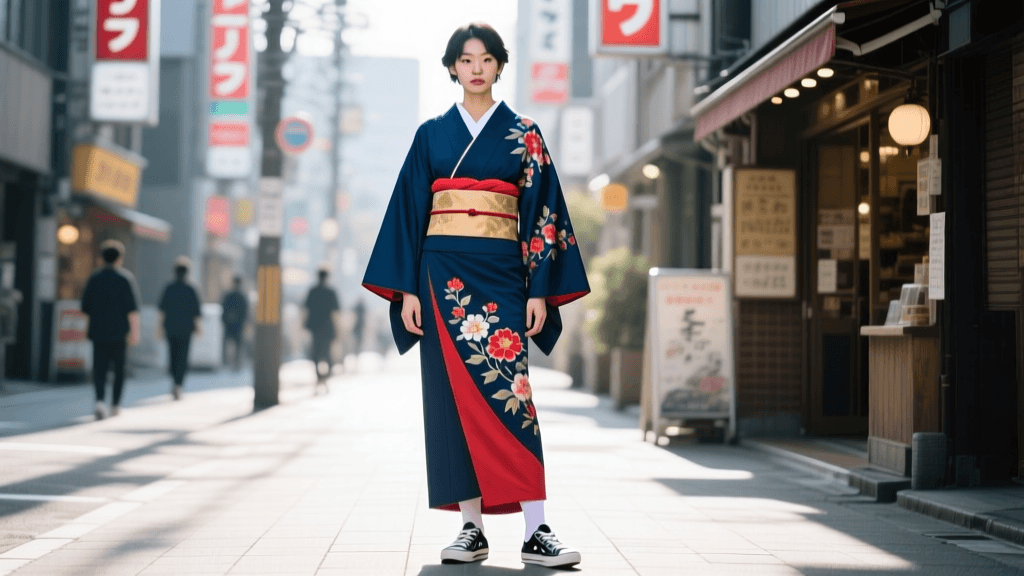
Over the past few years, the Chinese social media platform Douyin has become the global epicenter for a revolutionary fashion movement known as Xin Zhong Shi (新中式), or "New Chinese Style." Unlike the strict historical reenactment seen in traditional Hanfu circles, Xin Zhong Shi is inherently disruptive. It deconstructs centuries-old garment architectures and reassembles them for the modern urban commute. Influencers on Douyin are no longer just wearing historical costumes; they are pairing Ming Dynasty horse-face skirts with chunky sneakers, and styling Song Dynasty duster coats over graphic tees and cargo pants. This fusion of heritage and streetwear has created a highly actionable, visually striking aesthetic that is rapidly influencing global fashion trends.
According to the Metropolitan Museum of Art, the structural foundations of Chinese dress have always been characterized by their flat, geometric cutting methods and emphasis on surface decoration rather than tailored body-conforming silhouettes. Douyin influencers are leveraging this exact historical principle, using voluminous, unstructured traditional garments to create striking, avant-garde silhouettes that contrast sharply with modern, form-fitting streetwear basics.
Core Elements of the Douyin Street Hanfu Aesthetic
The Modernized Mamianqun (Horse-Face Skirt)
The undisputed centerpiece of the Xin Zhong Shi streetwear movement is the Mamianqun (马面裙). Historically worn during the Ming and Qing dynasties, this wrap skirt features flat front and back panels with heavily pleated side sections. On Douyin, influencers have popularized the use of jacquard-woven Mamianqun in dark, moody color palettes—think oxidized silver, deep emerald, and midnight blue—often featuring subtle metallic threads that catch the light during slow-motion street-style transitions.
Actionable Sizing Guide for Mamianqun:
- Waist Measurement: Measure your natural waist or the exact point on your hips where you want the skirt to sit. Because it is a wrap skirt, there is no fixed waistband.
- The Overlap Calculation: To prevent the skirt from gaping open when walking or sitting, you must add an overlap. Add exactly 15cm to 20cm (approx. 6 to 8 inches) to your total waist circumference when selecting a size.
- Length Selection: For a street-style midi that clears chunky sneakers and prevents tripping, aim for a length of 85cm to 90cm (33-35 inches). For the dramatic, sweeping maxi skirts seen in Douyin cinematic transitions, opt for 105cm to 110cm (41-43 inches).
Pan Kou Fasteners and Stand Collars
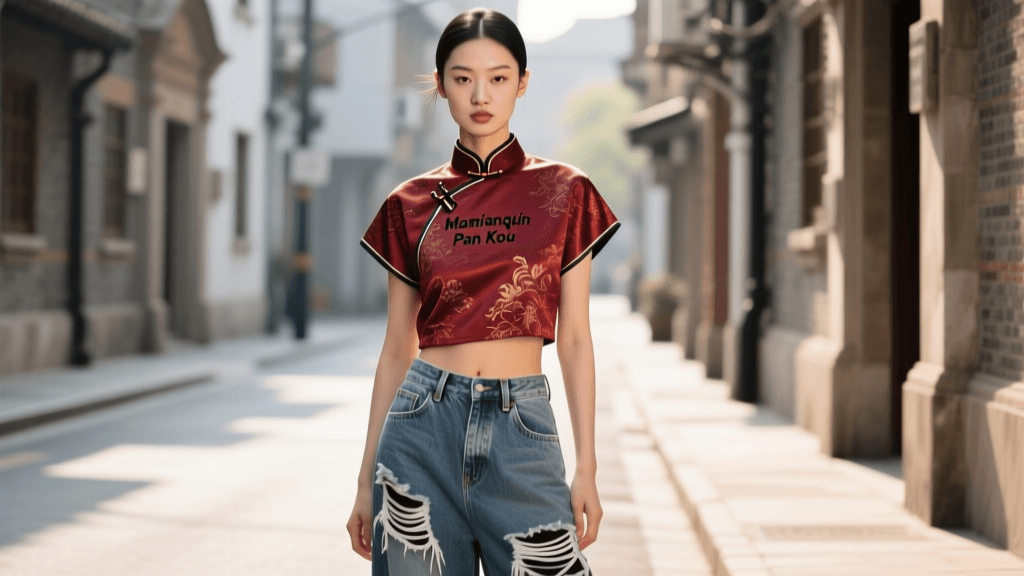
The Pan Kou (盘扣), or knotted fabric buttons, are another vital element. While traditionally used to fasten the mandarin collars of Qing-era garments, Douyin streetwear designers are now placing oversized Pan Kou fasteners on asymmetrical leather blazers, cropped denim jackets, and even heavy canvas techwear vests. The structural stand collar (Yuanling) is also being adapted into detachable neckpieces that can be snapped onto modern hoodies and crewnecks, offering a modular approach to traditional styling.
Viral Douyin Styling Playbook: 3 Actionable Looks
1. The Cyber-Mamianqun (Techwear Fusion)
This look contrasts the fluid, historical drape of the Mamianqun with the rigid, utilitarian lines of modern techwear. Start with a black, woven-polyester Mamianqun (weighing around 250gsm for structure). Pair it with a cropped, water-resistant nylon bomber jacket featuring tactical webbing. Footwear should be aggressive and chunky, such as platform combat boots or oversized trail sneakers. The key to this look is the contrast in textures: the smooth, reflective sheen of the jacquard skirt against the matte, crinkled nylon of the streetwear top.
2. The Scholar's Streetwear (Song Dynasty Minimalism)
Inspired by the intellectual minimalism of the Song Dynasty, this look utilizes the Beizi (褙子), a traditional open-front duster coat with side slits. Choose a Beizi made from a lightweight cotton-linen blend (approx. 120gsm) in muted tones like celadon, slate, or parchment. Wear it unbuttoned as an outer layer over a tight, ribbed turtleneck and wide-leg, pleated trousers. This creates a long, vertical silhouette that is highly favored by Douyin fashion creators for its elegant, effortless movement in urban environments.
3. The Wuxia Commuter (Martial Arts Heritage)
Drawing from traditional Tai Chi and martial arts practice wear, this look centers on a modified Tangzhuang (唐装) or silk training jacket. Influencers are cropping these jackets and pairing them with high-waisted parachute pants or wide-leg denim. The silk brocade of the jacket elevates the casual nature of the pants, creating a look that is both deeply rooted in Wuxia (martial heroes) mythology and perfectly suited for a modern coffee shop or art gallery visit.
Sourcing, Budgeting, and the Manufacturing Hubs
Understanding where these garments come from is crucial for international enthusiasts. As reported by the South China Morning Post, regions like Caoxian in Shandong province have transformed from niche performance costume hubs into sophisticated, multi-billion-dollar centers for daily-wear Xin Zhong Shi manufacturing. This industrial shift has made high-quality traditional garments accessible at streetwear price points.
| Garment Type | Material & Weight | Estimated Cost (USD) | Douyin Styling & Sourcing Tip |
|---|---|---|---|
| Mamianqun (Horse-Face Skirt) | Polyester Jacquard (250gsm) | $45 - $85 | Search Taobao for '原创设计马面裙' (Original Design Mamianqun) to avoid stolen patterns and ensure high-quality weaving. |
| Pan Kou Blazer | Wool-Linen Blend (300gsm) | $90 - $150 | Look for reinforced buttonholes; traditional knotting can pull on modern, softer suiting fabrics if not properly backed. |
| Song Dynasty Beizi (Duster) | Cotton-Voile (120gsm) | $35 - $60 | Opt for garments with internal bias-taped seams for a clean, unlined look that drapes beautifully over streetwear. |
| Modified Tangzhuang Jacket | Raw Silk / Brocade | $70 - $120 | Check the '买家秀' (buyer photo reviews) to see how the stiff brocade behaves on real bodies before purchasing. |
Fabric Care and Maintenance for Traditional Textiles
Maintaining the structural integrity of Xin Zhong Shi garments requires specific care, particularly for the heavily textured jacquards and delicate silks used in streetwear adaptations. The Victoria and Albert Museum notes that historical Chinese textiles are highly susceptible to tension damage and light degradation. When adapting these care principles to modern streetwear, follow these strict guidelines:
- Washing: Never machine wash a Mamianqun. The agitation will destroy the sharp, heat-set pleats on the sides. Hand wash in cold water (below 30°C) using a neutral pH detergent specifically formulated for delicates.
- Drying: Do not wring or twist jacquard fabrics, as this will warp the metallic threads and distort the weave. Roll the garment in a clean towel to press out excess water, then lay it flat to dry away from direct sunlight.
- Pleat Maintenance: If the side pleats of your Mamianqun begin to relax, use a steam iron on a low setting. Carefully fold the pleats back into their original alignment and use wooden clips to hold them in place while the fabric cools and sets.
Conclusion: The Future of Heritage Streetwear
The Xin Zhong Shi movement on Douyin represents a profound shift in how traditional Asian garments are consumed and styled. It is no longer about preserving history in a glass case; it is about dragging heritage into the gritty, dynamic reality of modern street culture. By understanding the precise measurements, fabric weights, and historical contexts of pieces like the Mamianqun and the Beizi, international fashion enthusiasts can authentically participate in this trend. Whether you are navigating the bustling streets of Tokyo, New York, or London, blending these traditional Chinese elements with contemporary streetwear offers a powerful, sartorial bridge between the ancient and the avant-garde.