The Ultimate Guide to Collecting Antique Japanese Kimono
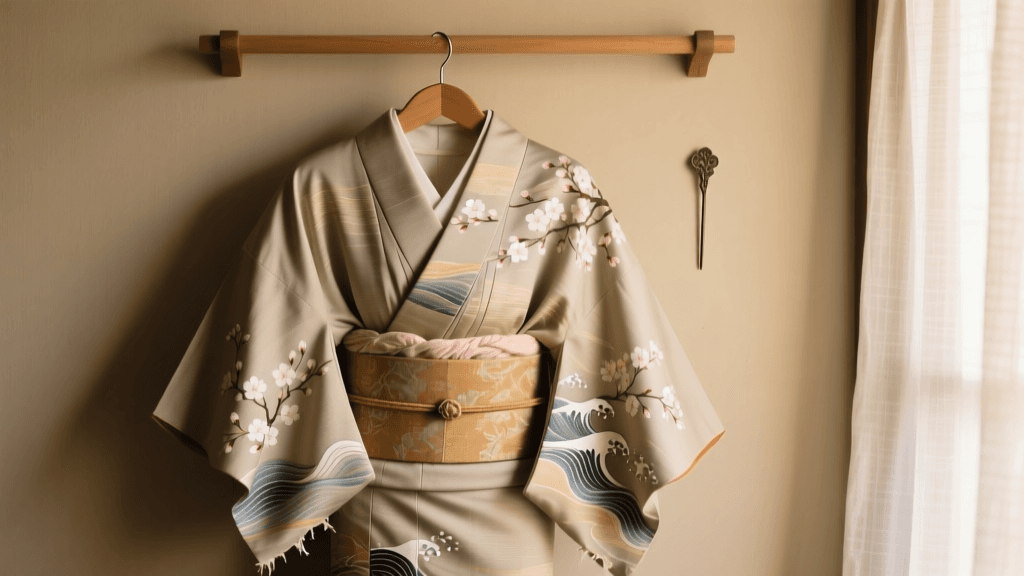
The Allure of Antique Kimono: A Collector's Journey
Collecting antique Japanese kimono is a pursuit that blends art history, textile conservation, and cultural appreciation. For enthusiasts of Asian traditions, vintage garments from the Meiji (1868–1912) and Taisho (1912–1926) eras represent a golden age of Japanese textile artistry. During these periods, Japan experienced rapid modernization and an influx of Western aesthetics, resulting in a fascinating fusion of traditional motifs and innovative dyeing techniques. Unlike modern mass-produced garments, antique kimono were painstakingly crafted using hand-spun silk, natural indigo, and intricate resist-dyeing methods like yuzen and shibori.
However, navigating the vintage kimono market requires a discerning eye. Silk is a delicate protein fiber, and garments that are over a century old demand careful evaluation. This comprehensive guide will equip you with the knowledge to identify, evaluate, source, and preserve antique Japanese kimono, ensuring these wearable masterpieces survive for future generations.
Understanding the Eras: Meiji vs. Taisho vs. Early Showa
To collect intelligently, one must understand the historical context that shaped the garments. The transition from the Edo period into the modern era brought dramatic shifts in fashion, color palettes, and textile production.
The Meiji Era (1868–1912)
Meiji-era kimono are characterized by their adherence to traditional Edo-period aesthetics, albeit with new technological influences. The introduction of imported aniline dyes from Europe allowed artisans to achieve vibrant, colorfast reds and purples that were previously difficult to produce. Motifs often remained deeply rooted in nature, classical literature, and auspicious symbols, but the execution became more refined and sometimes more rigid due to the rise of the kata-yuzen (stencil dyeing) technique.
The Taisho Era (1912–1926)
The Taisho period is highly coveted by collectors for its 'Taisho Roman' aesthetic—a romantic, cosmopolitan style heavily influenced by Western Art Nouveau and Art Deco movements. Taisho kimono feature大胆 (bold), oversized motifs, geometric patterns, and a moody, sophisticated color palette dominated by deep burgundies, mustard yellows, and dark greens. These garments often depict modern subjects like airplanes, department stores, and cityscapes, alongside stylized florals.
Evaluating Condition: The Collector’s Checklist
The most critical skill in vintage kimono collecting is assessing the structural integrity of the silk. According to the American Institute for Conservation (AIC) Textile Wiki, silk is highly susceptible to hydrolysis, photo-oxidation, and mechanical stress. When inspecting a potential acquisition, use the following checklist:
- Silk Shattering (Rot): Gently pinch the fabric along the folds and under the arms. If the silk feels brittle, crispy, or makes a crunching sound, it is suffering from silk shattering. This is often caused by historical use of metallic mordants (like iron) which degrade the fiber over time. Shattered silk cannot be reversed.
- Stains and Discoloration: Inspect the garment in natural sunlight or use a UV flashlight. Organic stains (sweat, oils) will fluoresce under UV light. While some surface stains can be treated by a specialist, deep-set oxidation spots on antique silk are often permanent.
- Seam Integrity: Check the structural seams, particularly the shoulder and side panels. Vintage kimono are constructed with straight seams; if the threads are pulling or the fabric is fraying at the stitch lines, the garment requires immediate conservation stitching.
- Lining Condition: The inner lining (habutae) often degrades faster than the outer shell due to direct contact with body oils. A deteriorated lining can cause acid migration, staining the precious outer silk.
Comparison Chart: Identifying Antique Eras
Use this quick-reference table to help date and categorize unlined or lined vintage kimono based on visual and structural clues.
| Era | Years | Key Design Motifs | Dyeing Techniques | Typical Collector Value (USD) |
|---|---|---|---|---|
| Meiji | 1868–1912 | Classical nature, cranes, pine, subtle geometric lattices | Hand-painted Yuzen, early Kata-yuzen, Shibori | $150 – $800+ |
| Taisho | 1912–1926 | Art Deco geometry, oversized florals, modern architecture | Kata-yuzen, Kinsai (gold leaf), bold Shibori | $300 – $1,500+ |
| Early Showa | 1926–1945 | Wartime propaganda, rural scenes, muted traditional motifs | Mass-produced Kata-yuzen, synthetic blends | $50 – $250 |
Sizing and Anatomy: What Collectors Must Know
One of the most common pitfalls for Western collectors is assuming antique kimono will fit like modern garments. Historically, Japanese people were shorter and narrower. An authentic Meiji or Taisho era kimono typically has a yuki (total arm span from center back to wrist) of 60cm to 64cm, compared to the modern standard of 64cm to 68cm. Furthermore, the sleeve length (sode-yuki) on antiques is often shorter, around 30cm to 32cm. If you intend to wear your collection, you must carefully measure your haba (hip width) and arm span. Many collectors opt to display these pieces or wear them open as dusters or haori (jackets) to accommodate modern body types without stressing the antique seams.
Sourcing Authentic Antique Kimono
Building a high-quality collection requires knowing where to look. While international auction houses like Christie's occasionally feature museum-quality pieces, the most rewarding hunting grounds are found within Japan and specialized online platforms.
Japanese Recycle Shops and Antique Markets
In Japan, 'recycle shops' (such as the famous Chicago thrift stores in Tokyo or local kuraya estate sale shops) are treasure troves. Prices can range from 1,000 JPY ($7 USD) for damaged pieces to 50,000 JPY ($350 USD) for pristine Taisho Roman garments. For high-end collector pieces, the Oedo Antique Market in Tokyo and the Toji Temple flea market in Kyoto offer curated selections from professional textile dealers.
Online Auctions and Proxy Services
Yahoo Auctions Japan is the premier digital marketplace for vintage kimono. Because a Japanese bank account and address are usually required, international collectors rely on proxy bidding services like Buyee or ZenMarket. When searching, use precise Japanese terminology: search for antique (アンティーク), Taisho Roman (大正ロマン), or specific techniques like Oshima Tsumugi (大島紬) to filter out modern synthetic reproductions.
Archival Storage and Preservation Best Practices
Once you have acquired an antique kimono, proper storage is paramount. The Victoria and Albert Museum (V&A) Asian Collections emphasizes that environmental control is the most effective method for preserving historic textiles. Silk is highly hygroscopic, meaning it absorbs moisture from the air, which can lead to mold growth and fiber degradation.
The Collector's Storage Toolkit
- Acid-Free Tissue Paper: Never fold an antique kimono directly against itself. Pad the folds with unbuffered, acid-free tissue paper to prevent hard creases that can eventually snap the silk fibers.
- Archival Boxes: Store garments flat in acid-free, lignin-free cardboard boxes or polypropylene plastic bins. Avoid PVC plastics, which off-gas harmful chemicals that yellow silk.
- Climate Control: Maintain a stable environment with a relative humidity (RH) of 45-55% and a temperature around 65°F (18°C). Fluctuations in humidity cause the silk to expand and contract, weakening the fibers.
- Avoid Traditional Cedar Chests: While traditional Japanese tansu (chests) made of Paulownia wood (kiri) are excellent for moisture regulation, Western cedar chests contain acidic oils that can stain and degrade antique silk. If you must use a wooden chest, line it completely with washed, unbleached cotton muslin.
Displaying and Exhibiting Your Collection
For collectors who wish to display their pieces, mounting a kimono requires specialized hardware. Avoid wire hangers, which will distort the shoulder seams and cause the heavy silk to stretch and tear. Instead, invest in a traditional wooden kimono hanger (emono-kake) which features wide, padded shoulders to distribute the weight evenly. If framing a section of the textile, consult a professional textile conservator to ensure the mounting technique does not involve adhesives or piercing the historic fabric with needles. Organizations like the Textile Society of America provide excellent resources and directories for finding certified textile conservators in your region.
Conclusion: Preserving a Woven Legacy
Collecting antique Meiji and Taisho era kimono is more than a hobby; it is an act of cultural preservation. Each garment tells a story of the artisans who spun the silk, mixed the dyes, and painted the intricate motifs over a century ago. By understanding the historical context, rigorously evaluating the condition of the silk, and employing museum-grade preservation techniques, collectors ensure that these magnificent examples of Asian tradition continue to captivate and inspire. Whether you are hunting for a rare Taisho Roman masterpiece in a Tokyo alleyway or carefully archiving a Meiji-era family heirloom, the stewardship of these textiles is a deeply rewarding endeavor.