Chinese Intangible Heritage: Xiangyunsha and Yunjin Silk Crafts
The Living History of Chinese Silk Intangible Heritage
For over five millennia, the art of silk production has been a cornerstone of Chinese culture, economics, and global trade. The creation of traditional Chinese garments, particularly the historically accurate Hanfu worn today, relies heavily on specialized textile crafts that have been passed down through generations. These techniques are not merely manufacturing processes; they are recognized as Intangible Cultural Heritage (ICH), representing the philosophical, environmental, and artistic wisdom of ancient artisans. According to The Metropolitan Museum of Art's Heilbrunn Timeline of Art History, China's early mastery of sericulture and complex weaving techniques established a monopoly on luxury textiles that shaped the ancient world's trade routes and cultural exchanges.
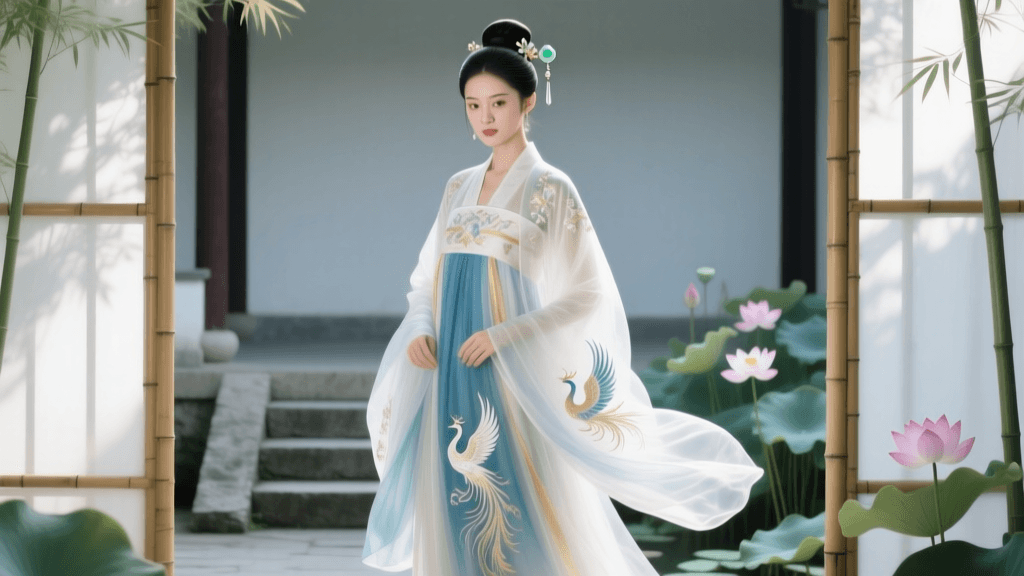
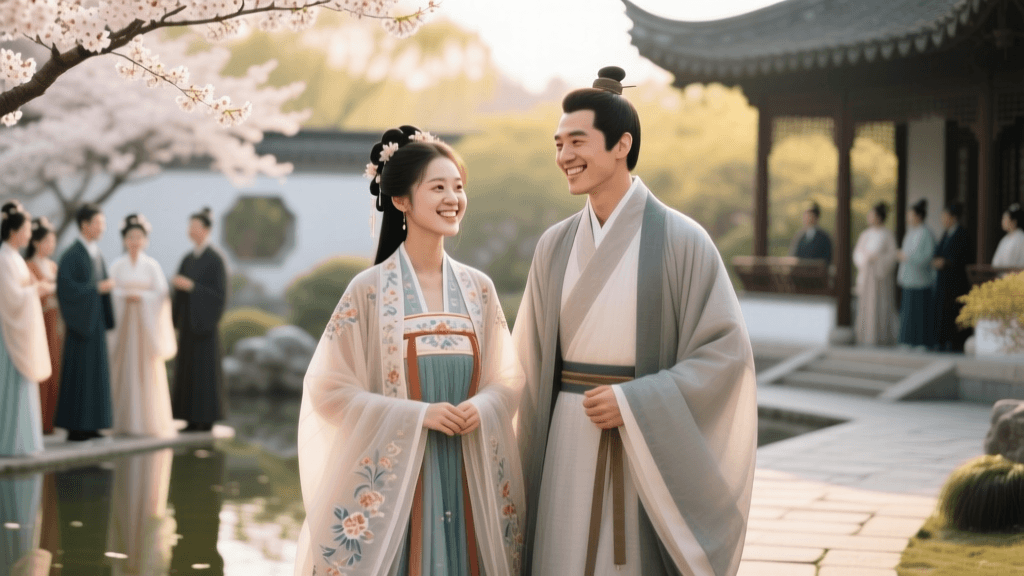
Today, the modern Hanfu revival movement has sparked a renaissance in these heritage crafts. Enthusiasts and historians alike are seeking out authentic, traditionally woven fabrics to recreate historical silhouettes with absolute fidelity. Among the most prized and complex of these textiles are Xiangyunsha (Gambiered Canton Gauze) and Nanjing Yunjin (Cloud Brocade). Both require immense manual labor, specific environmental conditions, and decades of artisanal mastery, making them the pinnacle of Chinese textile heritage.
Xiangyunsha: The 'Soft Gold' of Gambiered Canton Gauze
Originating in the Shunde district of Guangdong province, Xiangyunsha (香云纱) is a highly specialized silk fabric renowned for its unique dual-toned appearance, crisp texture, and natural cooling properties. The production of Xiangyunsha is deeply tied to the local geography and climate, relying on three essential elements: high-quality mulberry silk, the tannin-rich juice of the Shoulang root (Dioscorea cirrhosa), and the iron-rich mud from the Pearl River delta.
The dyeing process is an extraordinary feat of natural chemistry and human endurance. Artisans immerse the raw silk in the Shoulang dye dozens of times, drying it under the intense subtropical sun between each bath. Finally, the fabric is coated with the Pearl River mud. The iron in the mud reacts with the tannin in the plant dye to create a dark, glossy, blackish-brown coating on one side of the fabric, while the reverse remains a matte earthy brown. This entire process encompasses over 14 distinct steps and takes between 15 to 30 days to complete. Because it relies entirely on solar drying, authentic Xiangyunsha can only be produced from April to October. The resulting fabric is naturally antibacterial, resistant to moths, and becomes softer and more lustrous with wear, earning it the moniker 'soft gold' among collectors.
Nanjing Yunjin: The Imperial Cloud Brocade
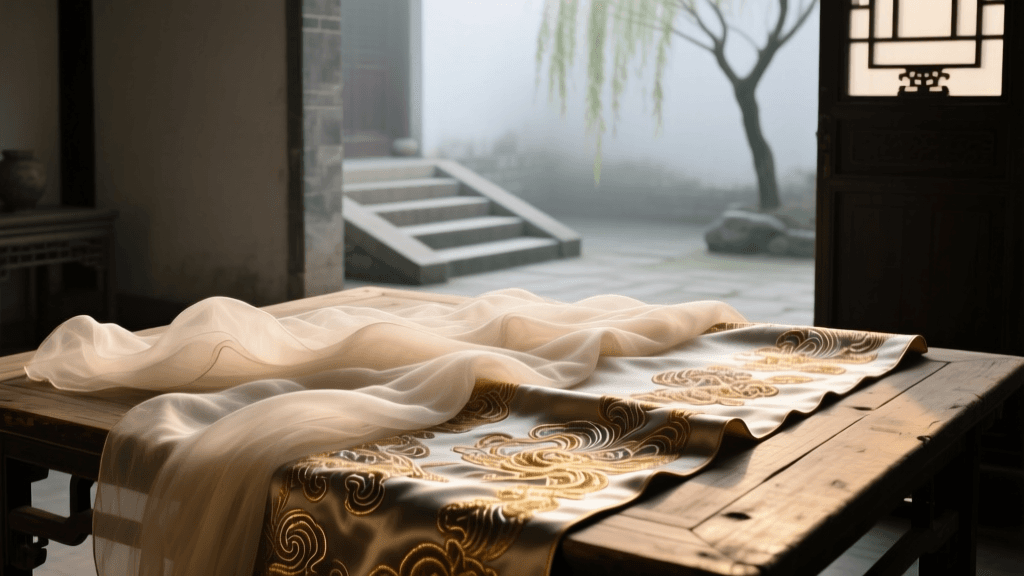
While Xiangyunsha is celebrated for its natural dyeing process, Nanjing Yunjin (云锦) is revered for its unparalleled weaving complexity. Translating to 'cloud brocade' due to its resemblance to the vibrant, intricate patterns of sunset clouds, Yunjin was historically reserved for the imperial family and high-ranking officials during the Ming and Qing dynasties. It is characterized by the use of luxurious materials, including silk, gold leaf, silver threads, and even peacock feathers, woven into elaborate, auspicious motifs.
The creation of Yunjin requires a massive, traditional wooden drawloom measuring 5.5 meters long and 1.4 meters wide. Operating this loom is a strenuous two-person task: one weaver sits atop the loom to pull the warp threads according to the complex pattern draft, while the master weaver sits below to pass the shuttle and interlace the weft threads. The process is so painstakingly slow that a pair of master artisans can produce only 5 to 6 centimeters of fabric per day. This extreme scarcity and labor intensity gave rise to the ancient proverb, 'an inch of brocade, an inch of gold.' The importance of this craft is globally acknowledged, as evidenced by the inclusion of Nanjing Yunjin brocade on the UNESCO Intangible Heritage list, ensuring its protection and continuation for future generations.
Material Comparison: Xiangyunsha vs. Yunjin Brocade
For Hanfu practitioners and collectors, understanding the distinct properties of these heritage fabrics is crucial for selecting the right garment for the right season and occasion. Below is a structured comparison to guide your textile choices.
| Feature | Xiangyunsha (Gambiered Gauze) | Yunjin (Cloud Brocade) |
|---|---|---|
| Origin Region | Shunde, Guangdong | Nanjing, Jiangsu |
| Base Materials | Mulberry Silk, Shoulang Root, River Mud | Mulberry Silk, Gold/Silver Threads, Peacock Feathers |
| Production Time | 15 to 30 Days (Seasonal: April-October) | Months (5-6 cm woven per day) |
| Estimated Cost | $80 to $150 USD per meter | $300 to $1,000+ USD per meter |
| Best Hanfu Application | Summer Ruqun, lightweight Daopao, Beizi | Winter Mamianqun, ceremonial Zhiduo, formal jackets |
| Texture & Weight | Crisp, lightweight, cool to the touch | Heavy, structured, highly ornate |
| Care Instructions | Hand wash in cool water, shade dry | Professional dry clean only |
Practical Guide: Sourcing and Measuring for Hanfu
Commissioning or purchasing Hanfu made from intangible heritage fabrics requires careful planning, particularly regarding measurements and fabric yardage. Traditional Xiangyunsha is typically woven on narrow looms, resulting in a fabric width of approximately 70 centimeters. Because of this narrow width, constructing a standard Ming-style Mamianqun (horse-face skirt) requires significantly more yardage than modern, wide-bolt fabrics. A practitioner should expect to purchase between 4.5 to 6 meters of narrow Xiangyunsha to accommodate the deep, structured pleats and the overlapping skirt panels.
Conversely, modern Yunjin brocade is often produced on wider looms (around 140 centimeters) to accommodate contemporary tailoring needs. However, due to its exorbitant cost and heavy weight, Yunjin is rarely used to construct an entire everyday garment. Instead, Hanfu designers strategically utilize Yunjin as a contrasting waistband (Yaolan) on a Mamianqun, as decorative trim on the collars and cuffs of an Aoqun (jacket and skirt set), or for the central panels of a formal ceremonial robe. When sourcing these fabrics, always request a 'burn test' certificate or purchase directly from recognized heritage workshops in Shunde or Nanjing to avoid synthetic imitations that flood the e-commerce market.
Authenticity Verification and Garment Care
Verifying the authenticity of Xiangyunsha is a tactile and auditory experience. Genuine gambiered gauze produces a distinct, crisp 'crackling' sound when gently scrunched in the hands, a result of the natural mud and tannin coating. Furthermore, the fabric should exhibit a subtle, organic irregularity in its color, as natural sun-drying and mud-coating cannot produce the uniform perfection of machine-made chemical dyes. The broader context of these crafts is vital; as noted in the documentation for UNESCO's Representative List of the Intangible Cultural Heritage regarding Chinese sericulture, the survival of these techniques depends on the transmission of tacit knowledge from master to apprentice, a process that cannot be replicated by industrial machinery.
Proper care is essential to preserve the structural integrity of heritage silks. For Xiangyunsha, avoid alkaline detergents, which can strip the natural mud coating. Use a pH-neutral silk wash in water no warmer than 30°C (86°F). Never wring the fabric; instead, gently press out excess water and lay it flat in the shade. Sunlight will degrade the silk fibers over time. For Yunjin brocade, the metallic threads and delicate feather inlays are highly susceptible to water damage and friction; therefore, professional dry cleaning specializing in antique and heritage textiles is the only safe maintenance route.
The Modern Hanfu Revival and Artisan Economics
The contemporary Hanfu movement has played a pivotal role in rescuing these endangered crafts from obscurity. A decade ago, many Shunde dye pits and Nanjing looms were facing closure due to a lack of market demand and an aging workforce. Today, young Hanfu designers and cultural entrepreneurs are collaborating directly with master artisans, injecting new capital and modern design sensibilities into ancient workshops. By paying a premium for authentic, ethically produced heritage textiles, consumers are not just buying a garment; they are actively funding the apprenticeships of the next generation of weavers and dyers.
'When you wear a garment made of Xiangyunsha or Yunjin, you are not merely wearing silk. You are wearing the mud of the Pearl River, the sunlight of the southern summer, and the countless hours of an artisan's life. It is history made tangible.' — Master Weaver of the Nanjing Brocade Research Institute.
As the appreciation for Asian traditions continues to grow globally, the demand for intangible heritage textiles serves as a powerful reminder that true luxury lies in the preservation of human skill, environmental harmony, and cultural memory.