Navigating Hanfu Conventions: Guide to Community Meetups
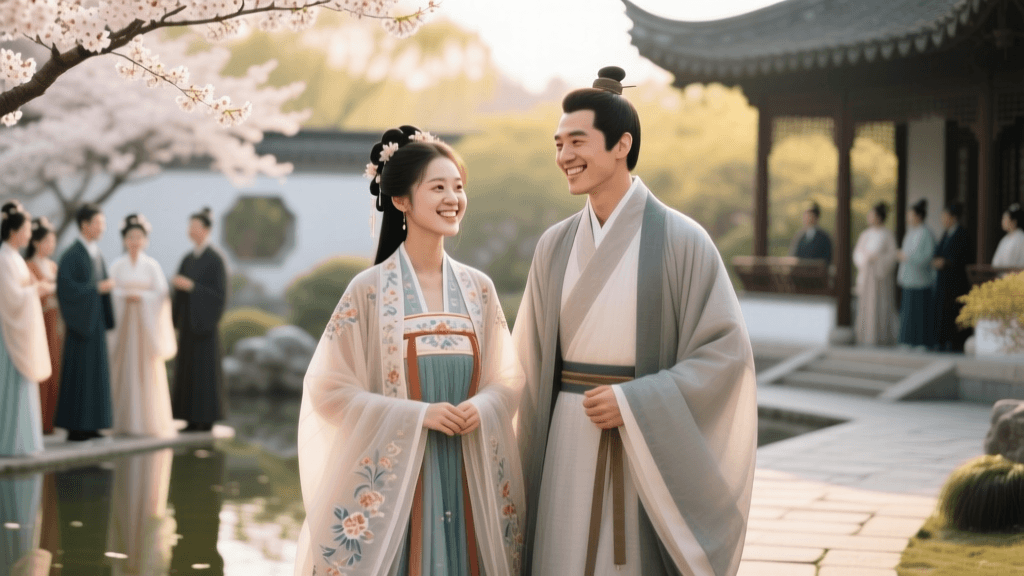
The Rise of Hanfu Community Events
Over the past decade, the Hanfu movement has evolved from niche internet forums into a vibrant, global subculture. What began as a grassroots effort to revive traditional Han Chinese clothing has blossomed into massive, organized gatherings. According to a comprehensive cultural report by the New York Times, millions of young people now participate in this cultural renaissance, transforming public spaces into living museums.
For enthusiasts—affectionately known as tongpao (同袍, meaning "sharing the same robe")—attending a Hanfu convention is the ultimate pilgrimage. These events range from mega-festivals in China, like the renowned Xitang Hanfu Culture Week in Zhejiang province, to intimate weekend meetups organized by diaspora communities in cities like London, New York, and Sydney. Navigating these events requires more than just owning a beautiful garment; it demands an understanding of historical context, community etiquette, and practical preparation.
Choosing Your Era: Event Dress Codes
Hanfu is not a monolith; it encompasses thousands of years of evolving fashion. When attending a convention, your choice of dynasty will dictate your comfort level, mobility, and the types of activities you can easily participate in. While most general meetups welcome all eras, specific workshops or formal banquets may have thematic requirements.
| Dynasty | Silhouette & Key Features | Best Event Type | Mobility | Avg. Cost (USD) |
|---|---|---|---|---|
| Tang (618–907) | High-waisted chest skirts, wide sleeves, vibrant colors, shawls (pibo) | Outdoor parades, lantern festivals, photo shoots | Moderate | $80 - $180 |
| Song (960–1279) | Slender profiles, layered narrow sleeves, pleated skirts, muted tones | Indoor tea ceremonies, calligraphy workshops, casual meetups | High | $60 - $140 |
| Ming (1368–1644) | Standing collars, pleated mamianqun (horse-face skirts), woven jackets | Formal banquets, winter events, archery and martial arts | Low to Moderate | $120 - $250+ |
If you are attending a multi-day convention like Xitang, packing a mix of Song dynasty garments for daytime walking and a Ming dynasty formal set for the evening gala is a highly recommended strategy.
The Ultimate Hanfu Convention Packing List
Packing for a Hanfu convention is fundamentally different from packing for a modern fashion event. Traditional garments require specific underlayers, precise fastening, and careful maintenance. Here is your essential checklist.
Garment Essentials
- Zhongyi (Base Layers): Never wear Hanfu directly against your skin, especially in summer. Pack at least two sets of breathable cotton or bamboo zhongyi to absorb sweat and protect your outer silk garments.
- Main Garments: 2-3 complete sets. Ensure your skirts (qun) are measured correctly; a traditional mamianqun should end exactly 5 to 10 centimeters above the floor to prevent tripping while walking on uneven cobblestones.
- Footwear: Traditional cloud-head shoes (yunjian xie) are beautiful but lack arch support. For conventions requiring 15,000+ steps, opt for modern, neutral-colored slip-on loafers or hidden wedge sneakers that remain concealed beneath your skirt hem.
The Emergency Repair & Comfort Kit
- Double-Sided Fabric Tape: Essential for keeping cross-collars (jiaoling) securely in place and preventing wardrobe malfunctions in windy outdoor venues.
- Safety Pins & Binder Clips: Useful for temporarily adjusting skirt waists or securing heavy hairpieces.
- Stain Remover Pen: Outdoor festivals involve street food; a quick-dry stain pen is a lifesaver for light-colored silk.
- Folding Fan & Parasol: Serve as both historically accurate props and practical tools for temperature regulation and sun protection.
Etiquette and Community Engagement
The Hanfu community is deeply rooted in mutual respect and a shared passion for history. Understanding the unspoken rules of engagement will vastly improve your convention experience.
"Hanfu is not merely a costume; it is a vessel for cultural memory. When we wear it, we are practicing a form of living history." — Community Elder and Hanfu Historian
The Golden Rule of the Collar: Always ensure your cross-collar is worn left over right (交领右衽, jiaoling youren). Wearing it right over left is historically reserved for the deceased and is considered highly offensive or inauspicious at a joyous community gathering. As noted in cultural analyses by the BBC, the meticulous adherence to these historical details is what separates the Hanfu revival from simple cosplay.
Public Interactions: At public conventions, you will inevitably attract the attention of curious tourists and locals who may not understand the difference between Hanfu, Qipao, and historical costumes from other Asian cultures. Approach these interactions with grace and use them as micro-educational opportunities. A simple, polite explanation of the dynasty you are representing and the significance of the fabric patterns can turn a moment of confusion into a meaningful cultural exchange.
Photography Etiquette: Conventions are visual feasts, but consent is paramount. Always ask for permission before photographing a fellow tongpao. If you are a photographer, offer to share the high-resolution images with your subjects afterward via community WeChat or Discord groups. Avoid blocking parade routes or workshop doorways to get the perfect shot.
Organizing Your Own Local Meetup
For those living outside of China, or in cities without established Hanfu societies, organizing a local meetup is a rewarding way to build community. According to diaspora reports covered by the South China Morning Post, international students and expatriates are increasingly driving the global expansion of Hanfu culture.
Step-by-Step Organization Guide
- Venue Selection: Choose locations that complement the aesthetic. Botanical gardens, traditional tea houses, or university campuses with classical architecture are ideal. Always check local municipal regulations regarding commercial photography permits if you plan to hire a professional photographer for the group.
- Theme and Timing: Align your meetup with traditional lunar calendar festivals, such as the Mid-Autumn Festival, the Qixi Festival (Chinese Valentine's Day), or the Huazhaohua (Flower Festival) in early spring. This provides a built-in thematic focus for activities and styling.
- Group Sourcing: International shipping for Hanfu can take 3-6 weeks and incur high customs fees. Organize a "group buy" (tuan gou) two months in advance through trusted Taobao agents to consolidate shipping and reduce costs for newcomers who do not yet own their first set.
- Inclusivity and Sizing: Ensure your meetup is inclusive of all body types and gender expressions. Hanfu is remarkably forgiving and adaptable compared to modern tailored fashion. Emphasize to newcomers that traditional garments are secured with ties and sashes rather than zippers and buttons, making them accessible and comfortable for everyone.
- Workshop Integration: Elevate the meetup beyond a simple photo walk by hosting a 30-minute workshop on traditional hairpin (buyang) arrangement or the history of textile weaving. This fosters deeper connections and educates curious onlookers.
Conclusion
Attending a Hanfu convention or organizing a local meetup is a profound way to connect with Asian traditions in a tactile, community-driven environment. By respecting the historical nuances of the garments, preparing practically for long days of wear, and engaging with the tongpao community with an open heart, you transform a simple outfit into a bridge across centuries. Whether you are walking the ancient stone bridges of Xitang or gathering in a modern city park, the Hanfu community welcomes you to share in the beauty of living history.